Have you ever struggled with screws or bolts that take forever to open or close? Imagine a fastener that lets you quickly secure or release panels without wasting time or tools.
That’s exactly what a Dzus fastener does. If you work with aircraft, race cars, or any equipment needing quick access, understanding this simple yet powerful fastener can save you time and hassle. Keep reading, and you’ll discover how a small piece like the Dzus fastener can make a big difference in your work.
Dzus Fastener Basics
Dzus fasteners are small, quick-release fasteners used in many industries. They secure panels and parts that need frequent removal. These fasteners are simple yet effective. They save time and effort during maintenance or assembly.
Design And Components
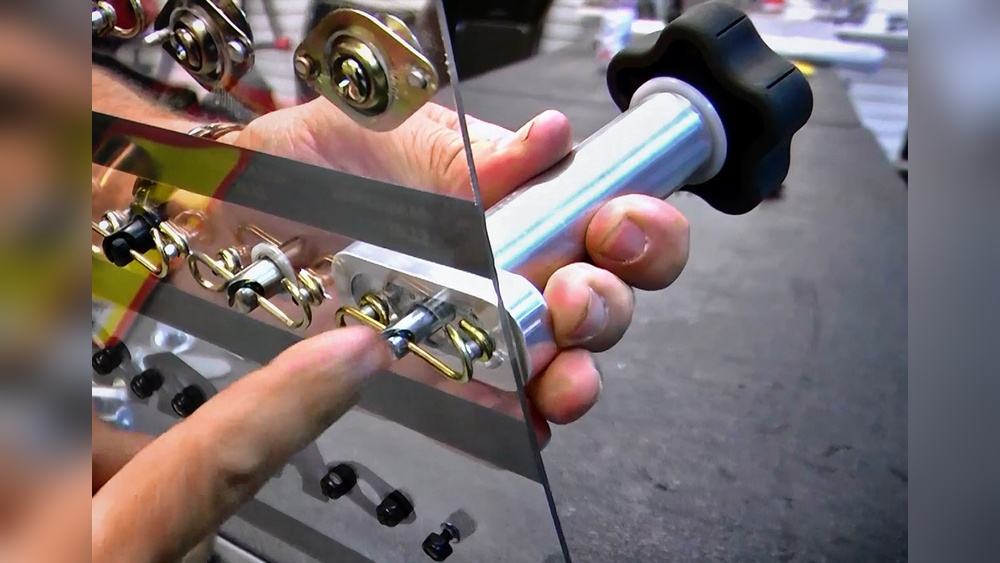
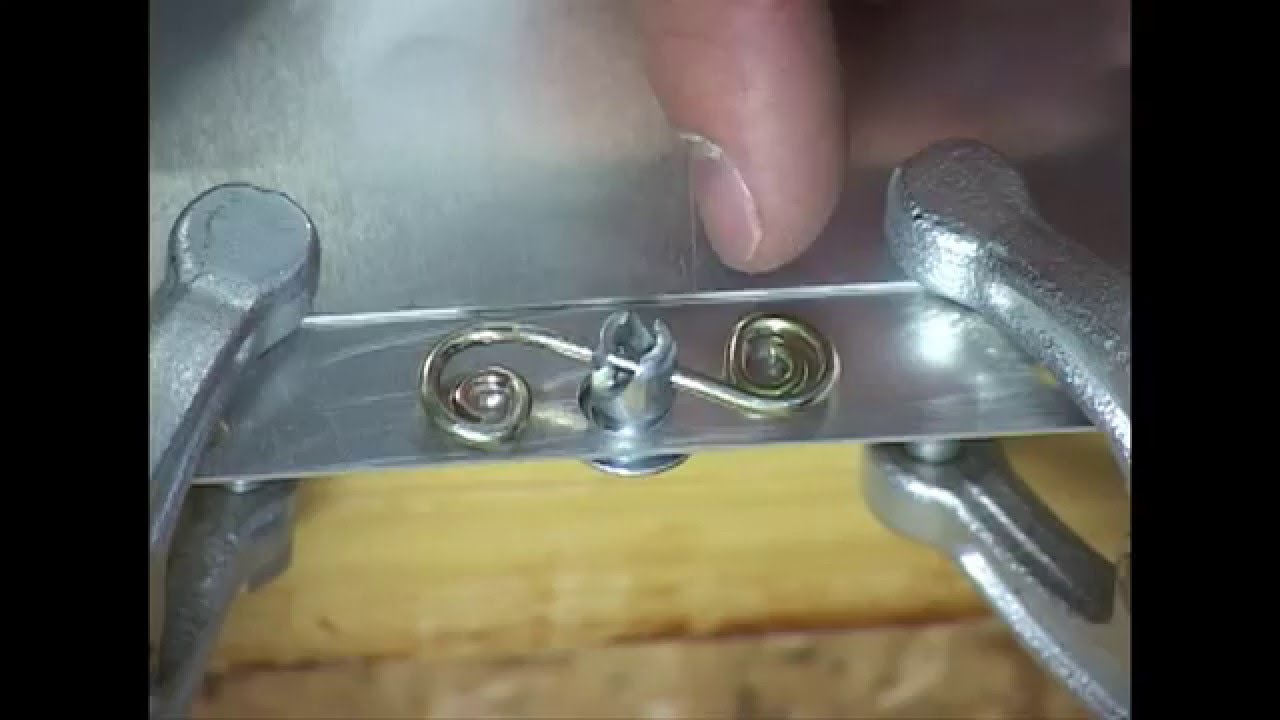
A Dzus fastener has a spring-loaded stud and a keeper. The stud fits into the keeper and locks with a quarter turn. The design allows fast fastening and easy removal without tools. It holds panels tightly and prevents vibration.
Common Materials
Dzus fasteners are made from steel, stainless steel, or aluminum. Steel offers high strength for heavy parts. Stainless steel resists rust and works well outdoors. Aluminum is lightweight and used where weight matters. Each material suits different needs and environments.
How It Works
The stud slides into the keeper slot. Turning the stud a quarter turn locks it in place. The spring inside pushes the stud to keep it tight. This action holds panels firmly but allows quick release. No tools are needed for opening or closing.
Types Of Dzus Fasteners
Dzus fasteners come in different types for various uses. Each type fits specific needs in industries like aviation and automotive. Understanding these types helps you choose the right fastener for your project.
These fasteners are known for quick installation and removal, saving time and effort. Here are the main types of Dzus fasteners you should know.
Quarter-turn Fasteners
Quarter-turn fasteners lock with just a 90-degree turn. They provide secure hold without tools. This makes maintenance fast and easy. The simple design helps reduce wear and tear.
Stud And Receptacle Variations
Studs and receptacles come in many shapes and sizes. They fit different panel thicknesses and materials. Some studs have springs to keep tension. Receptacles may have slots or holes for locking.
Specialty Fasteners
Specialty fasteners serve unique applications. Some resist vibration or extreme temperatures. Others have custom shapes for tight spaces. These fasteners often meet strict industry standards.
Applications Of Dzus Fasteners
Dzus fasteners are small but very useful. They hold parts together tightly and allow quick removal. Their design makes them perfect for many uses where speed and security matter. These fasteners are common in industries that need reliable and easy-to-use connectors.
Below are some main places where Dzus fasteners are used.
Aerospace Industry
Dzus fasteners secure panels on airplanes and helicopters. They help technicians open and close parts quickly for checks. These fasteners resist vibration and harsh conditions in the air. Using them improves safety and saves time during maintenance.
Automotive Use
Car manufacturers use Dzus fasteners to attach body panels and parts. They allow fast access to engines and other components. These fasteners keep parts tight even on rough roads. Easy removal helps with repairs and upgrades.
Motorsports And Racing
In racing, every second counts. Dzus fasteners let teams change parts fast during pit stops. They hold body panels firmly at high speeds and strong forces. Their quick release saves time and keeps cars in top shape.
Industrial Equipment
Factories use Dzus fasteners on machines and tools. They allow fast opening for cleaning and fixing. These fasteners resist wear and heavy use. Their strength and ease make them ideal for tough jobs.

Credit: en.wikipedia.org
Advantages Of Dzus Fasteners
Dzus fasteners offer several key advantages that make them popular in many industries. These fasteners provide a secure yet easy way to attach and detach parts. Their design allows for fast access without tools, saving time and effort.
They are built to last and withstand tough conditions. Maintenance becomes simpler because parts can be quickly removed and reattached. These benefits make Dzus fasteners a reliable choice for many applications.
Quick Release Benefits
Dzus fasteners allow parts to be removed or secured in seconds. This quick release saves time during repairs or inspections. No tools are needed for opening or closing. This feature helps reduce downtime and speeds up work processes.
Durability And Reliability
Made from strong materials, Dzus fasteners resist wear and tear. They hold parts firmly in place, even under vibration or stress. Their reliable grip prevents parts from loosening during use. This durability ensures long-term performance and safety.
Ease Of Maintenance
Parts fastened with Dzus fasteners can be accessed easily. This simplifies cleaning, repairs, and inspections. The fasteners can be reused many times without losing strength. Maintenance becomes faster and less complicated with these fasteners.
Installation And Removal Tips
Installing and removing a Dzus fastener is simple with the right approach. This section guides you through tools, steps, and common errors. Follow these tips to ensure a smooth experience.
Proper Tools Required
Use a Dzus fastener driver or a flathead screwdriver. Choose a tool that fits the fastener slot perfectly. Avoid using tools that are too big or small. A mismatched tool can damage the fastener or surrounding parts.
Step-by-step Installation
First, align the fastener with the panel hole. Push it in gently but firmly. Turn the fastener clockwise until it locks in place. Do not force it beyond tightness. The fastener should hold the panel snugly without bending.
Common Mistakes To Avoid
Do not overtighten the fastener; it may strip the threads. Avoid using the wrong tool size. Removing fasteners without proper tools can cause damage. Never force the fastener if it feels stuck. Inspect the fastener before reuse to ensure it works well.
Credit: www.youtube.com
Troubleshooting Common Issues
Troubleshooting common issues with Dzus fasteners helps keep them working well. These fasteners face stress and frequent use. Problems can cause parts to loosen or fail. Regular checks can spot problems early. Fixing issues fast keeps safety and function high.
Fastener Loosening
Dzus fasteners may loosen over time due to vibration or impact. Loose fasteners can cause panels to rattle or fall off. Tighten the fastener by turning it clockwise. Use the right tool to avoid damage. Check tightness often in high-vibration areas.
Wear And Tear Signs
Look for scratches, cracks, or bent parts on the fastener. Worn fasteners lose grip and may not hold panels securely. Rust or corrosion also weakens the fastener. Inspect fasteners during routine maintenance. Replace any showing clear signs of damage.
Replacement Guidelines
Replace fasteners if they do not tighten or hold well. Use the same type and size for proper fit. Avoid mixing brands to ensure compatibility. Always clean the area before installing a new fastener. Proper installation extends the fastener’s life and reliability.
Choosing The Right Fastener
Choosing the right Dzus fastener is important for a secure and lasting hold. Selecting the proper fastener depends on several key factors. These include size, material, and the environment where it will be used. Each factor affects the performance and durability of the fastener.
Size And Load Considerations
Size matters in fastener selection. The fastener must fit the hole and panel thickness perfectly. A wrong size can lead to weak holding or damage. Consider the load the fastener will carry. Heavy loads need larger or stronger fasteners. Light loads can use smaller sizes. Choose a fastener that matches the strength requirements.
Material Compatibility
Materials must work well together. Metals that touch each other can cause corrosion if not compatible. Use fasteners made from materials that resist rust and corrosion. Stainless steel and aluminum are common choices. Match the fastener material to the panel or surface material. This prevents damage and extends the fastener’s life.
Environmental Factors
The environment affects fastener choice. Fasteners used outdoors face rain, sun, and temperature changes. Indoor fasteners may face less harsh conditions. Choose fasteners that resist weather and chemicals if used outside. Some fasteners have coatings for extra protection. Think about where and how the fastener will be used before picking one.
Future Trends In Quick-release Fasteners
Quick-release fasteners like Dzus fasteners continue to evolve. New designs focus on speed, safety, and ease of use. The future holds exciting changes that improve performance and reliability. These trends aim to meet industry needs in aviation, automotive, and other fields.
Innovative Materials
Materials for fasteners are becoming stronger and lighter. Advanced alloys and composites reduce weight without losing strength. Corrosion-resistant materials extend the fastener’s life. These improvements help fasteners last longer in tough environments.
Enhanced Security Features
Security is a key focus in fastener design. New locks and tamper-proof mechanisms prevent accidental release. Some fasteners include visual indicators for proper fastening. These features increase safety and reduce maintenance errors.
Automation And Smart Fasteners
Smart fasteners use sensors to monitor tightness and condition. They can send alerts if they loosen or wear out. Automation helps speed up assembly and inspection processes. These technologies reduce downtime and improve safety checks.

Credit: dmeracing.com
Frequently Asked Questions
What Is A Dzus Fastener Used For?
A Dzus fastener is used to quickly secure and release panels. It is common in aviation, motorsports, and industrial equipment. The fastener allows easy access for maintenance without tools, saving time and effort during inspections or repairs.
How Does A Dzus Fastener Work?
A Dzus fastener works by twisting a spring-loaded stud into a slot. This action locks the panel tightly in place. To release, you twist the stud the opposite way, allowing quick removal without screws or bolts.
Why Choose Dzus Fasteners Over Regular Fasteners?
Dzus fasteners offer quick panel removal and reattachment. They provide strong, vibration-resistant holding power. Unlike traditional screws, they require no tools and minimize damage to panels during frequent access.
Where Are Dzus Fasteners Commonly Installed?
Dzus fasteners are commonly installed on aircraft panels, race car body parts, and electronic enclosures. Their quick-release feature makes them ideal for areas needing fast, frequent access for inspection or maintenance.
Conclusion
Dzus fasteners offer quick, secure panel fastening. They save time during assembly and maintenance. These fasteners are common in aviation and motorsports. Their design makes removal and installation simple. Knowing their use helps with repairs and upgrades. They keep parts tightly in place under stress.
Choosing the right fastener improves safety and efficiency. Understanding Dzus fasteners benefits anyone working with mechanical panels. Easy to handle and reliable, they remain a popular choice.