Are you working on a project that needs something strong and reliable to hold things in place? Understanding what an anchor fastener is can make all the difference in your work’s safety and success.
Whether you’re fixing shelves, mounting heavy items, or tackling construction tasks, knowing how anchor fasteners work will give you confidence and ensure your efforts last. Keep reading, and you’ll discover exactly what anchor fasteners are, why they matter, and how to choose the right one for your needs.
This knowledge could save you time, money, and headaches down the line.
Types Of Anchor Fasteners
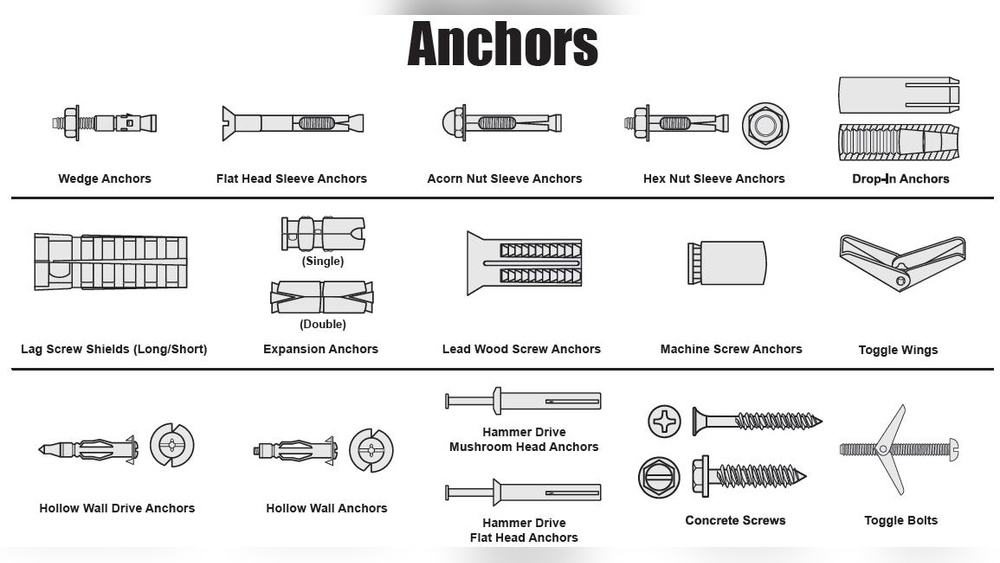
Anchor fasteners hold objects firmly to walls, floors, or ceilings. They come in many types. Each type fits different materials and uses. Choosing the right anchor is key for safety and strength.
This section explains the main types of anchor fasteners. Learn how each works and where to use them best.
Mechanical Anchors
Mechanical anchors use physical force to hold tight. They expand inside a hole in the base material. This expansion locks the anchor in place. Common in concrete and brick walls. They offer strong, reliable support.
Chemical Anchors
Chemical anchors bond fasteners using resin or glue. Apply the chemical into a drilled hole. Insert the anchor or bolt before it dries. The bond creates a very strong hold. Ideal for heavy loads and uneven surfaces.
Expansion Anchors
Expansion anchors grow in size inside the hole. When tightened, they push against the hole’s walls. This pressure keeps the anchor steady. Used in solid materials like concrete or stone. Good for hanging heavy items.
Sleeve Anchors
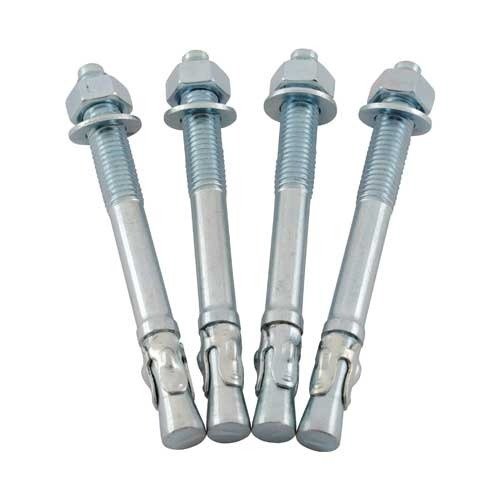
Sleeve anchors have a metal sleeve around a bolt. Tightening the bolt expands the sleeve. The sleeve grips the hole tightly. Suitable for brick, concrete, and block walls. Easy to install and remove.
Drop-in Anchors
Drop-in anchors sit flush inside a drilled hole. Use a special tool to expand them. Expansion grips the hole from inside. Designed mainly for concrete. Great for permanent, heavy-duty attachments.
Credit: www.fas10.in
Materials Used In Anchor Fasteners
Anchor fasteners come in many materials. Each material suits different tasks and environments. Choosing the right material ensures strength and durability. It also prevents damage and rust. Below are common materials used in anchor fasteners.
Steel Anchors
Steel anchors are strong and reliable. They hold heavy loads securely. These anchors are often used in construction and heavy-duty projects. Steel offers excellent strength but can rust if not treated. They work best in dry or protected areas.
Stainless Steel Variants
Stainless steel anchors resist rust and corrosion well. They last longer in wet or outdoor environments. This material suits marine and outdoor uses. Stainless steel is costlier but offers better durability. It keeps its strength even in harsh conditions.
Plastic Anchors
Plastic anchors are light and easy to install. They work well in drywall and light materials. These anchors expand inside walls to hold screws tightly. They do not rust or corrode. Plastic anchors are ideal for household and light fixtures.
Zinc-plated Options
Zinc-plated anchors have a protective metal coating. This layer prevents rust on steel anchors. Zinc plating extends the anchor’s life outdoors. These anchors balance cost and corrosion resistance. They suit indoor and mild outdoor uses.
Choosing The Right Anchor Fastener
Choosing the right anchor fastener is essential for a strong, safe hold. The correct fastener keeps materials secure and prevents damage. Selecting the wrong type can cause failure or waste money. Consider key factors before making a choice.
Assessing Load Requirements
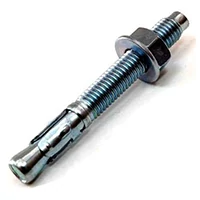
First, understand the weight the fastener must hold. Different fasteners support different loads. Heavy loads need strong anchors like wedge or sleeve types. Light loads may use plastic or nylon anchors. Check the load capacity on product labels. Always choose a fastener that supports more than your expected weight.
Matching Anchor To Substrate
Identify the surface where you will install the fastener. Concrete, brick, wood, and drywall all need different anchors. Concrete and brick require heavy-duty anchors. Wood often works with screws or lag bolts. Drywall needs special anchors to avoid pull-out. Pick anchors designed for your specific substrate.
Environmental Considerations
Consider the environment around the fastener. Outdoor or wet areas need corrosion-resistant anchors. Stainless steel or coated fasteners last longer in harsh conditions. Indoor anchors can be simpler and less costly. Think about temperature, moisture, and chemicals nearby. Choose anchors that resist rust and damage over time.
Credit: itafasteners.com
Installation Techniques
Installing anchor fasteners correctly is crucial for strong, lasting support. Each step in the installation process affects the fastener’s performance and safety. Following proper techniques ensures the anchor holds tight under pressure.
Drilling Proper Holes
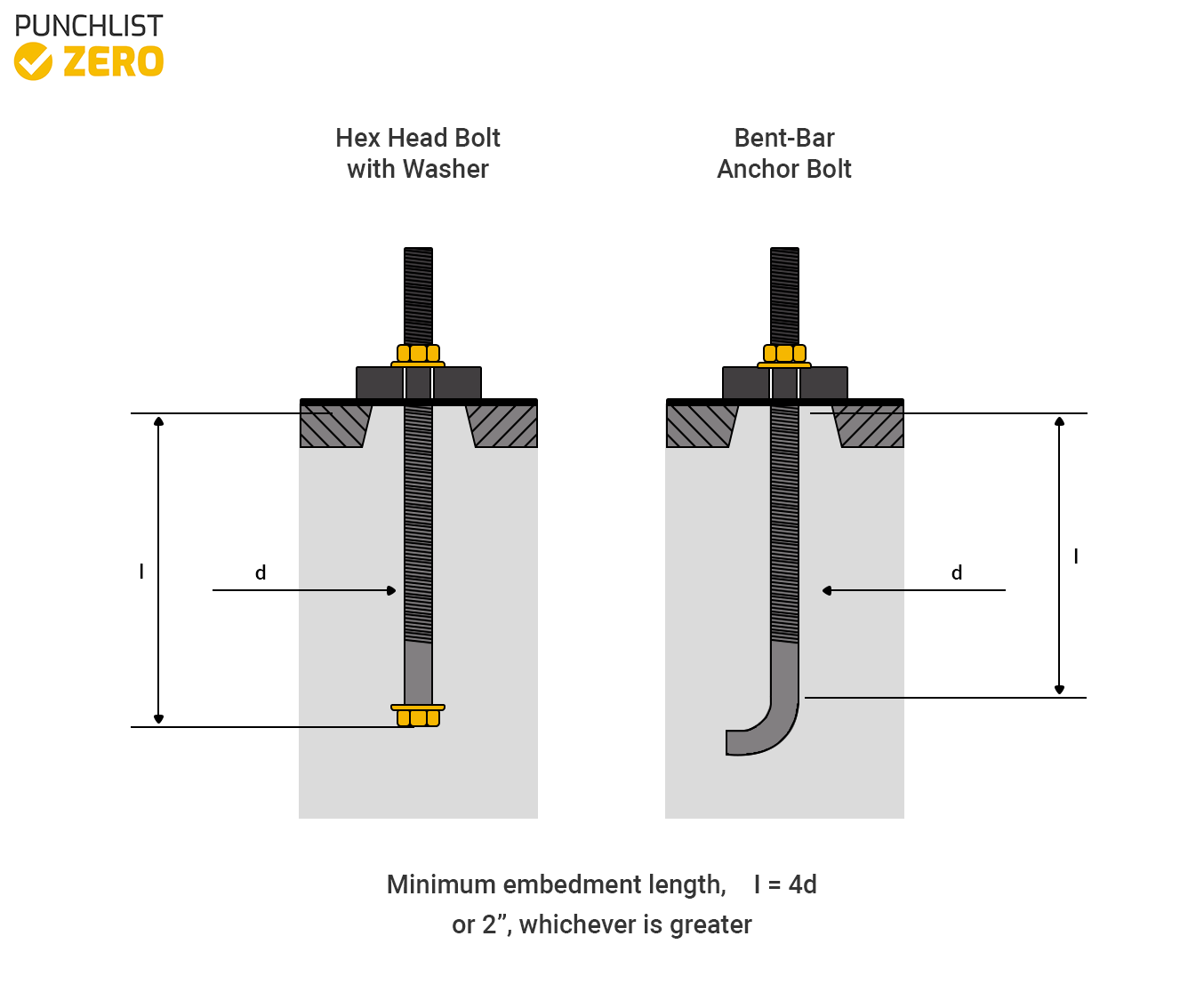
Start by choosing the right drill bit size. The hole must match the anchor diameter exactly. Drill straight and to the right depth. Clean out dust and debris from the hole. A clean hole helps the anchor grip better.
Setting Mechanical Anchors
Insert the mechanical anchor carefully into the hole. Use a hammer or setting tool as needed. The anchor must expand inside the hole for a secure fit. Avoid over-hitting, which can damage the anchor or material. Check the anchor is flush with the surface.
Applying Chemical Adhesives
Use chemical adhesives for stronger, permanent bonds. Inject the adhesive deep into the drilled hole. Insert the anchor slowly to spread the adhesive evenly. Allow enough curing time before applying any load. Follow the adhesive manufacturer’s instructions closely.
Torque Specifications
Use a torque wrench to tighten anchors to the correct level. Too little torque causes weak holding. Too much torque can damage the anchor or structure. Always follow the recommended torque values for each anchor type. Proper torque ensures safety and durability.
Common Applications
Anchor fasteners play a vital role in many tasks. They secure objects to walls, floors, and ceilings. Their strength and reliability make them useful in different settings. Below are some common uses of anchor fasteners.
Construction And Building
Anchor fasteners hold structural elements in place. They fix beams, panels, and supports securely. Builders use them for concrete, brick, and wood surfaces. These fasteners ensure stability in buildings and bridges.
Furniture Assembly
Furniture often requires strong joints. Anchor fasteners connect parts like shelves and legs. They keep furniture stable and safe to use. Easy installation helps speed up assembly work.
Electrical Fixtures
Anchor fasteners secure lights, switches, and outlets. They attach fixtures to walls or ceilings firmly. This prevents movement or damage over time. Safe electrical setups depend on solid fixing.
Heavy Machinery Mounting
Heavy machines need solid anchoring to avoid vibration. Anchor fasteners fix machines to floors or bases. This reduces noise and wear on equipment. Proper mounting improves safety and machine life.
Maintenance And Safety Tips
Proper maintenance and safety checks are vital for anchor fasteners. These steps keep structures secure and prevent accidents. Simple actions can extend the life of your anchors and ensure safety.
Following a routine for care helps spot problems early. This reduces costly repairs and hazards. Safety is not just about installation but ongoing care.
Regular Inspections
Check anchor fasteners often to find wear or damage. Look for cracks, rust, or loose parts. Inspections help catch issues before they become serious. Use a checklist to cover all anchor points. Record findings and schedule repairs if needed.
Replacing Damaged Anchors
Replace any anchor that shows signs of damage. Do not try to fix broken anchors with temporary solutions. Damaged anchors can fail and cause accidents. Always use anchors that match the original specifications. Proper replacement keeps the structure strong and safe.
Avoiding Overloading
Never exceed the weight limit of an anchor fastener. Overloading can cause anchors to pull out or break. Know the load capacity before installation. Use multiple anchors for heavy loads to spread the weight. Staying within limits protects people and property.
Troubleshooting Anchor Failures
Troubleshooting anchor failures is crucial for safe and strong installations. Anchors can fail due to many reasons. Identifying these causes helps fix problems fast. This keeps structures secure and prevents accidents. Understanding the issues leads to better repairs and future prevention.
Identifying Causes
Anchor failures often start with poor installation. Incorrect drilling or wrong anchor size weakens the hold. Using low-quality anchors can cause breakage. Environmental factors like moisture or corrosion also reduce strength. Heavy loads beyond anchor capacity lead to failure. Checking these causes helps spot weak points early.
Preventive Measures
Choose the right anchor for the material and load. Follow installation instructions carefully. Drill holes to the correct depth and diameter. Use anchors made from corrosion-resistant materials for damp areas. Test anchors under load before full use. Regular inspections catch problems before they grow.
Repair Solutions
Remove damaged anchors completely. Clean the hole to remove debris. Use a larger or stronger anchor if needed. Fill cracks or holes with epoxy for extra hold. Replace corroded anchors with stainless steel options. Always check repair stability before applying full load.
Credit: punchlistzero.com
Innovations In Anchor Fasteners
Anchor fasteners have seen many improvements over the years. These changes help make construction safer and faster. New ideas and technology now shape how anchors work and what they are made of. These innovations focus on strength, intelligence, and care for the environment.
Advanced Materials
Modern anchor fasteners use stronger materials than before. Steel alloys and composites increase durability and resistance to rust. These materials allow anchors to hold better under stress. They also last longer in harsh conditions. Builders trust these materials for tough jobs.
Smart Anchors
Smart anchors include sensors that monitor stability. They can detect shifts or loosening in real time. This helps prevent accidents and costly repairs. Data from smart anchors can guide maintenance and safety checks. These anchors add a new layer of protection.
Sustainable Designs
Sustainability is growing in the fastener industry. Companies now create anchors that use less raw material. Some designs focus on recyclability and eco-friendly production. This reduces waste and environmental impact. Builders choose these to support green construction goals.
Frequently Asked Questions
What Is An Anchor Fastener Used For?
An anchor fastener secures objects to concrete, masonry, or other solid materials. It provides strong, reliable support for heavy loads. Commonly used in construction, it ensures stability and safety in installations.
How Does An Anchor Fastener Work?
Anchor fasteners work by expanding or gripping inside a drilled hole. This creates a tight hold against the base material. The expansion prevents movement and holds the attached object firmly in place.
What Are Common Types Of Anchor Fasteners?
Common types include wedge anchors, sleeve anchors, drop-in anchors, and epoxy anchors. Each type suits different materials and load requirements. Selecting the right type ensures maximum strength and durability.
Can Anchor Fasteners Be Reused?
Most anchor fasteners are designed for single use only. Once installed and tightened, removing them can damage the anchor or base material. Reusing anchors may reduce holding strength and safety.
Conclusion
Anchor fasteners hold objects tightly to surfaces like walls or floors. They come in different types for various materials and weights. Choosing the right anchor fastener ensures strong and safe support. Knowing how they work helps you pick the best one for your project.
Simple to use and reliable, anchor fasteners make building easier. Keep their purpose and types in mind for your next task. They are small tools with a big role in construction and repairs.