If you work with aircraft maintenance or restoration, you know how important it is to have fasteners that are both secure and easy to remove. Dzus fasteners are the go-to choice for many professionals because they offer just that.
But how do you install them correctly to ensure safety and efficiency? You’ll discover simple, step-by-step instructions to install aircraft Dzus fasteners like a pro. Keep reading to learn the tricks that will save you time and prevent costly mistakes on your next project.
What Are Dzus Fasteners
Dzus fasteners are special types of fasteners used in aircraft. They hold panels and parts securely but allow quick removal. Pilots and mechanics use them often for easy access to aircraft components. These fasteners save time and effort during maintenance and inspections.
The name “Dzus” comes from the inventor, and these fasteners have a unique twist-lock design. They fit into slots and lock in place with a simple turn. This makes removing and installing parts fast and reliable.
Purpose And Benefits
Dzus fasteners keep aircraft panels tightly closed. They prevent vibrations and wind from loosening parts during flight. Quick removal helps mechanics check inside the aircraft without tools.
These fasteners reduce maintenance time. They improve safety by holding parts firmly in place. Their design also resists corrosion and wear. This makes them ideal for harsh flying conditions.
Common Types
There are several types of Dzus fasteners. The most common are quarter-turn fasteners. These lock with a simple 90-degree twist.
Another type is the stud fastener, which has a spring-loaded stud. It snaps into place and holds tightly. Some fasteners come with different head shapes, like flush or raised, to fit various panel styles.
Choosing the right type depends on the aircraft’s needs. Each type offers a balance between strength and ease of use.
Credit: www.youtube.com
Tools And Materials Needed
Installing aircraft Dzus fasteners requires specific tools and materials. Having the right items ensures a smooth and safe installation process. Prepare everything before starting to avoid delays and mistakes. This section covers the essential tools and safety gear needed for the job.
Essential Tools
You need a drill with the correct drill bits to make precise holes. A rivet gun or rivet tool is necessary to secure the fasteners firmly. A screwdriver, preferably with a magnetic tip, helps in handling small screws. A deburring tool cleans the edges of drilled holes to prevent damage. A ruler or measuring tape ensures accurate placement of fasteners. A marker or scribe marks drilling points clearly. Lastly, a wrench set may be needed to tighten nuts or bolts on some fasteners.
Safety Gear
Wear safety glasses to protect your eyes from metal shavings and dust. Gloves protect your hands from sharp edges and tools. Hearing protection is important when using power tools like drills or rivet guns. A dust mask helps avoid inhaling metal dust or particles. Use proper work clothing that covers your arms and legs. Always work in a well-ventilated area to reduce exposure to fumes or dust.
Preparing The Installation Area
Preparing the installation area is a key step before fitting aircraft Dzus fasteners. A clean and well-marked surface ensures the fasteners hold firmly and work correctly. Taking time now saves problems later.
Focus on cleaning the area and marking the fastener locations carefully. These tasks help create a safe and precise installation.
Cleaning And Inspection
Start by removing dirt, grease, and old adhesive from the surface. Use a mild cleaner and a soft cloth to avoid damage. Make sure the area is completely dry before moving on.
Inspect the surface for cracks, corrosion, or other damage. These issues can weaken the fastener hold and cause failures. Fix any problems before installing the fasteners.
Marking Fastener Locations
Use a pencil or fine marker to mark where each fastener will go. Follow the aircraft manual or template for exact placement. Measure twice to avoid mistakes.
Clear and accurate marks make drilling easier and more precise. Avoid guessing or rushing this step for best results.
Credit: www.youtube.com
Step-by-step Installation Process
Installing aircraft Dzus fasteners is a straightforward process. It requires careful handling and attention to detail. Following the steps correctly ensures a secure and reliable fastener. This guide explains each step clearly for easy understanding.
Inserting The Fastener Post
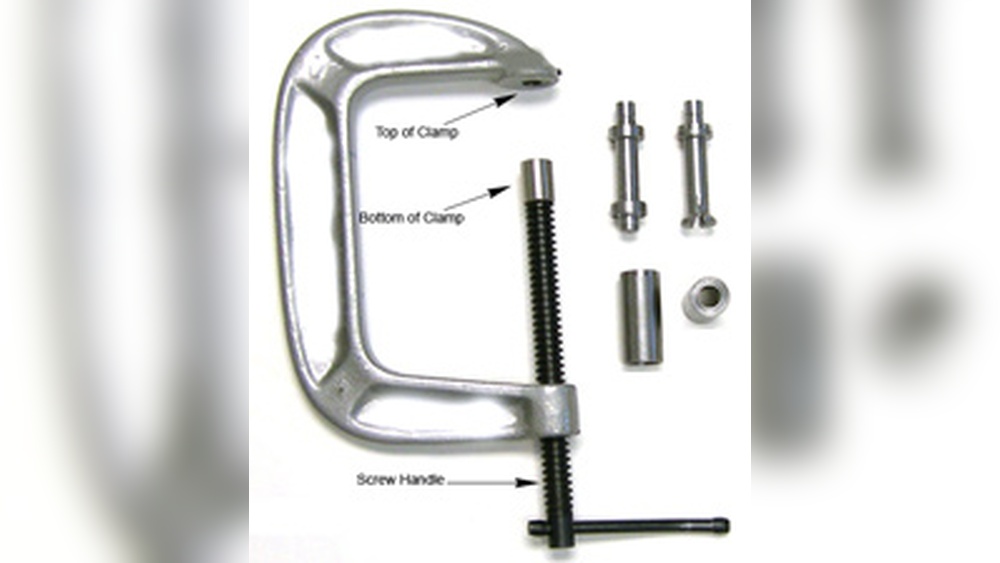
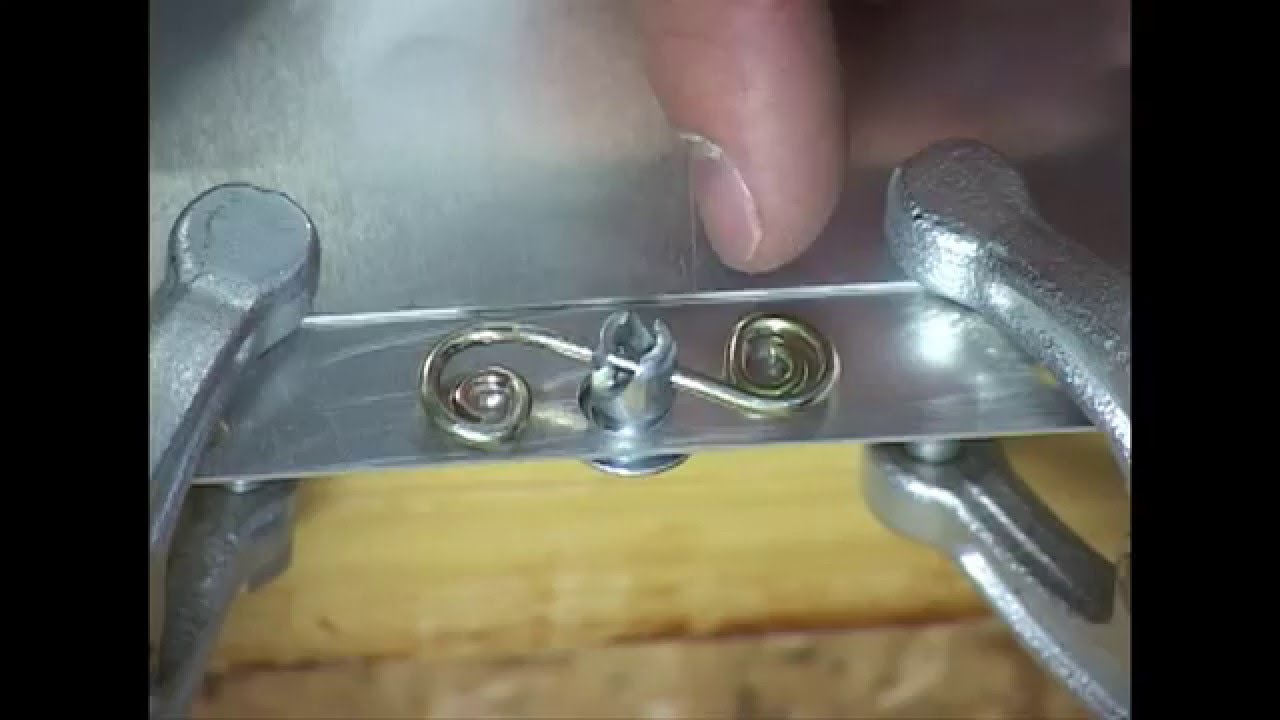
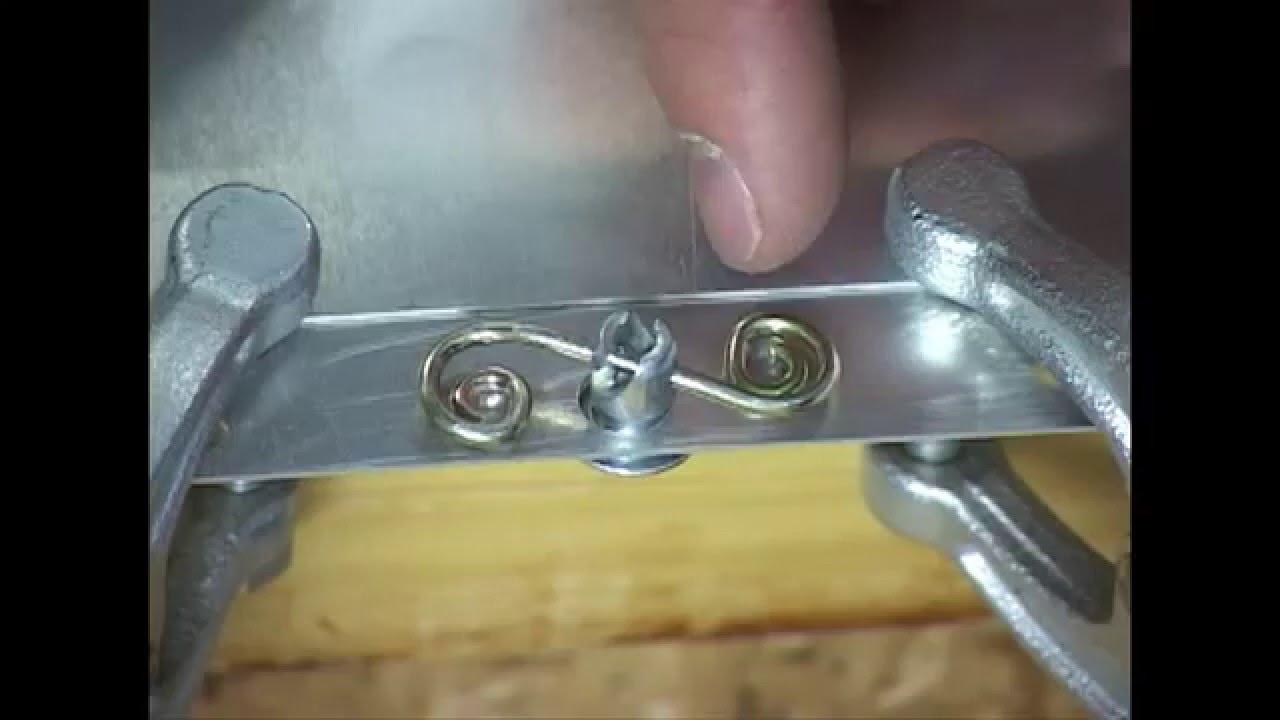
Start by placing the fastener post into the hole on the aircraft panel. Align it carefully with the mounting surface. Press the post firmly until it fits snugly. Ensure the post sits flush against the panel. This step is crucial for proper alignment.
Attaching The Spring And Stud
Next, slide the spring over the fastener post. The spring provides tension for the fastener’s locking action. After the spring, attach the stud onto the post. Turn the stud gently to engage the threads. Do not force it to avoid damage.
Securing The Retainer
Finally, place the retainer over the stud. The retainer locks the fastener assembly in place. Press it firmly until it clicks or fits tightly. Check that the fastener moves smoothly and holds securely. This completes the installation process.
Testing And Adjustments
Testing and adjustments are key steps after installing aircraft Dzus fasteners. Proper checks ensure the fasteners hold parts securely. Adjustments help maintain the right tension. This keeps the fasteners working safely during flight.
Checking Fastener Tension
Start by pressing the fastener knob. It should feel firm but not too tight. Too loose means it may come undone. Too tight can damage parts or the fastener. Use a tension gauge if available. Check each fastener in the assembly. Consistent tension ensures reliable fastening.
Making Necessary Adjustments
To adjust tension, loosen the fastener slightly. Turn the spring or the knob carefully. Test the feel again after each change. Small adjustments make a big difference. Avoid over-tightening to prevent wear or breakage. Repeat checks until tension feels right on all fasteners.
Maintenance Tips
Maintaining aircraft Dzus fasteners is key to safe operation. Proper care keeps them working smoothly and prevents issues. Follow clear steps to inspect, lubricate, and replace these fasteners.
Regular Inspection
Check Dzus fasteners often for signs of wear or damage. Look for loose or missing fasteners. Tighten any that feel loose. Replace fasteners that show cracks or corrosion. Regular checks stop small problems from growing.
Lubrication And Replacement
Apply a light lubricant to fasteners to avoid rust and friction. Use lubricants safe for aircraft parts. Avoid over-lubricating to prevent dirt buildup. Replace fasteners that no longer hold tight. Proper lubrication extends fastener life and ensures easy removal.
Common Installation Mistakes
Installing aircraft Dzus fasteners requires care and attention. Common mistakes can cause problems later. These errors reduce the fastener’s effectiveness and may damage aircraft parts.
Understanding these mistakes helps avoid costly repairs and safety risks. Focus on two main issues: over-tightening and misalignment. Correct handling ensures secure and reliable fasteners.
Avoiding Over-tightening
Over-tightening Dzus fasteners can strip threads or break parts. Tighten fasteners just enough to hold components firmly. Use a torque wrench if possible. This tool measures the exact force applied. Stop tightening as soon as resistance increases. Excess force may deform the fastener or panel.
Loose fasteners cause vibrations and noise. Too tight fasteners risk damage. Balance is key for safety and durability.
Preventing Misalignment
Misaligned fasteners do not lock properly. They may loosen during flight or cause panel gaps. Check the fastener hole and slot before installation. Align the fastener with the panel slot carefully. Insert the fastener straight without forcing it.
Misalignment often happens from rushing or poor visibility. Take your time and use good light. Proper alignment ensures a tight, secure fit and avoids future issues.

Credit: www.flaps2approach.com
Frequently Asked Questions
What Tools Are Needed To Install Dzus Fasteners?
You need a Dzus fastener tool, drill, rivet gun, and measuring tape. These tools ensure precise and secure installation of the fasteners.
How Do You Prepare The Surface For Dzus Fasteners?
Clean and smooth the surface before installation. Remove debris and oil to ensure proper adhesion and fastening.
Can Dzus Fasteners Be Installed On Any Aircraft Panel?
Yes, they are versatile and fit most aircraft panels. Ensure compatibility with panel thickness and material before installation.
How To Align Dzus Fasteners Correctly During Installation?
Measure and mark the fastening points accurately. Proper alignment prevents panel damage and ensures secure fastening.
Conclusion
Installing aircraft Dzus fasteners is a straightforward process. Follow each step carefully for a secure fit. Check the fasteners regularly to keep panels tight and safe. Using the right tools helps avoid damage during installation. Proper care extends the life of the fasteners.
Practice makes the task easier over time. Keep your aircraft in good condition by maintaining these fasteners well. Simple steps lead to reliable and safe aircraft panel attachment.