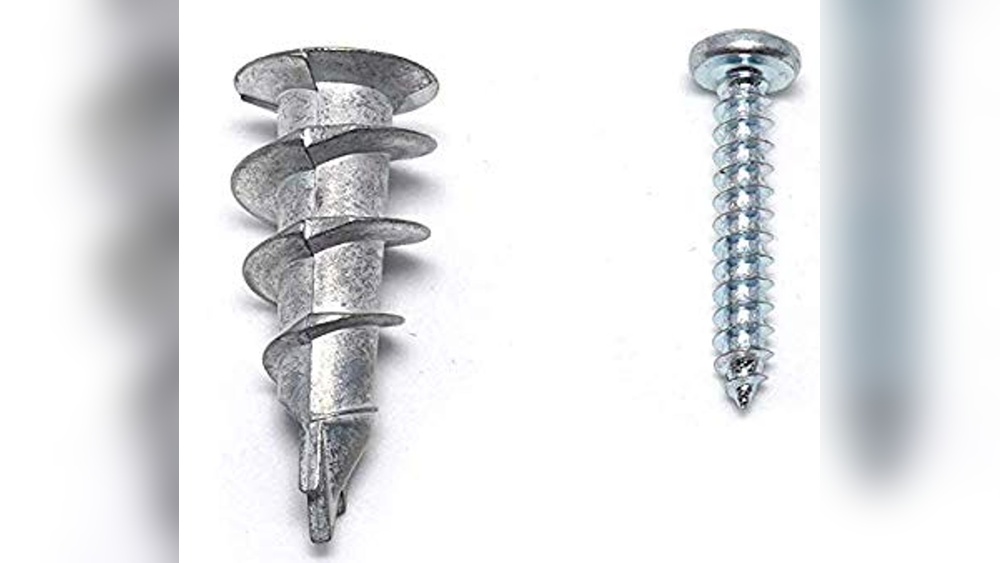
Have you ever tried to hang something on your wall, only to realize that plastic wall anchors are stuck and won’t come out easily? Removing these little anchors can feel frustrating and tricky, especially if you want to avoid damaging your walls.
But don’t worry—you’re about to learn simple, effective ways to get those plastic anchors out smoothly. Keep reading, and you’ll discover easy steps that save you time, protect your walls, and make your next DIY project much easier.
Tools Needed
Removing a plastic wall anchor requires the right tools. Using proper tools makes the job easier and safer. Some tools are common in many homes. Others are designed just for this task. Knowing which tools to use helps avoid damage to your wall.
Common Household Tools
A flathead screwdriver is useful to pry out anchors gently. Needle-nose pliers help grip the anchor firmly. A hammer can tap the anchor to loosen it. A utility knife can cut around the anchor if needed. These tools are easy to find and work well for simple removal.
Specialized Removal Tools
Wall anchor removal tools are made specifically to pull anchors out. They have a hooked or clawed end for better grip. Some tools twist and pull anchors without breaking the wall. These tools save time and effort on tough anchors. You can find them at hardware stores or online.

Credit: www.youtube.com
Types Of Plastic Wall Anchors
Plastic wall anchors come in different types. Each type serves a unique purpose. Knowing these types helps in removing them safely and effectively. Here are the common types of plastic wall anchors.
Expansion Anchors
Expansion anchors are simple and widely used. They work by expanding inside the wall. This expansion holds the anchor tight. They fit into drilled holes and expand when screws enter. Removing them needs careful pulling or pushing to avoid wall damage.
Threaded Anchors
Threaded anchors have ridges or threads on their sides. These threads grip the drywall or plaster firmly. They screw into the wall without pre-drilling. Their design allows easy insertion and removal. Unscrewing them carefully helps prevent wall damage.
Self-drilling Anchors
Self-drilling anchors have sharp tips for piercing walls. They do not require a pre-drilled hole. They screw directly into drywall. These anchors are strong and hold heavy items. Removing them means unscrewing the anchor or pushing it through the wall.
Preparation Steps
Before removing a plastic wall anchor, proper preparation is key. It helps protect your wall and makes the task easier. Taking small steps can save time and prevent damage.
Start by clearing the area around the anchor. This gives you space to work safely and keeps things organized.
Clearing The Area
Remove any furniture or objects near the wall anchor. This avoids accidents and keeps your items clean. Clear enough space to move freely and use tools with ease. A tidy workspace helps you focus on the task.
Protecting The Wall Surface
Cover the wall with painter’s tape around the anchor. This shields the paint from scratches and marks. Use a soft cloth or cardboard to protect larger areas. Protecting the wall keeps it looking good after removal.

Credit: www.wikihow.com
Removing Anchors By Type
Removing plastic wall anchors depends on the anchor type. Different anchors need different removal methods. Knowing the right way avoids wall damage and saves time.
Below are simple steps to remove common types of plastic wall anchors safely and easily.
Pulling Out Expansion Anchors
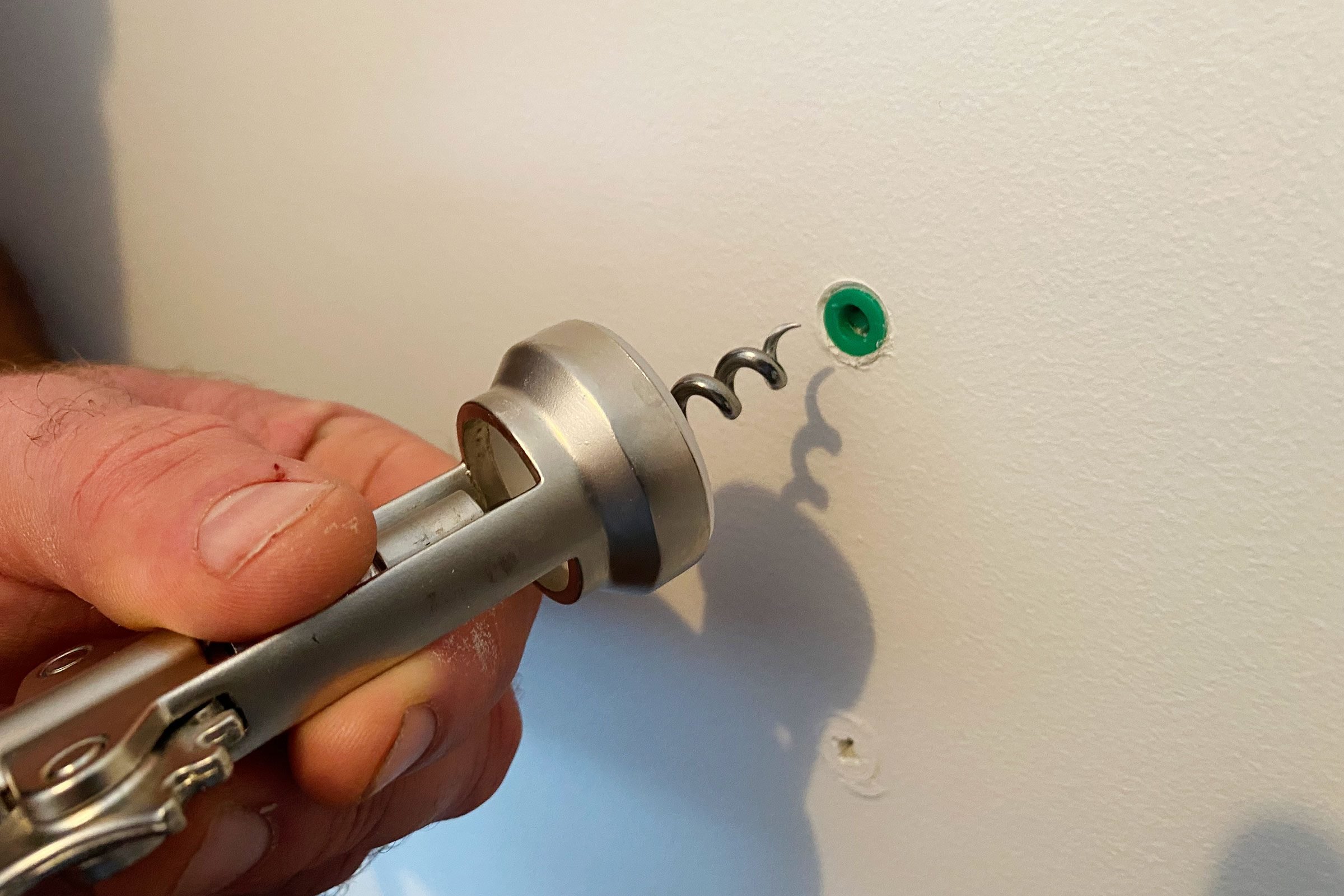
Expansion anchors spread inside the wall to hold firmly. To remove them, gently pull straight out. Use needle-nose pliers for a better grip. Pull slowly to avoid breaking the anchor inside the wall. If it resists, try pushing it in slightly, then pull again. This loosens the anchor’s hold.
Unscrewing Threaded Anchors
Threaded anchors have grooves like screws. Use a screwdriver to unscrew them counterclockwise. Turn slowly and steadily to avoid stripping the anchor. If the anchor spins without coming out, push it deeper then try again. Once loose, pull it out by hand or with pliers. This method works best for hollow walls.
Backing Out Self-drilling Anchors
Self-drilling anchors cut their own hole during installation. Remove them by turning counterclockwise with a screwdriver. Apply firm pressure while turning to avoid slipping. Once loose, pull the anchor out carefully. This prevents wall damage and keeps the hole clean for new anchors.
Dealing With Stubborn Anchors
Stubborn plastic wall anchors can be tricky to remove. They might not come out easily with just a pull. Using the right tools and techniques helps prevent damage to your wall. This section explains two effective ways to handle tough anchors.
Using Pliers Or Screwdrivers
Start by gripping the anchor firmly with pliers. Twist it gently while pulling outward. This can loosen the anchor’s grip in the wall. If the anchor spins but does not come out, try using a flathead screwdriver. Insert the screwdriver under the anchor’s lip and pry it out carefully. Avoid forcing the anchor to prevent wall damage. Work slowly and with steady pressure.
Drilling Out Anchors Safely
Choose a drill bit slightly smaller than the anchor’s diameter. Drill into the center of the anchor at low speed. This breaks the anchor into smaller pieces inside the wall. Stop drilling once you feel less resistance. Remove the anchor fragments with pliers or a vacuum. Wear safety glasses to protect your eyes during drilling. This method works best for anchors that won’t budge by pulling or prying.
Repairing Wall Damage
Removing a plastic wall anchor often leaves small holes or damage on your wall. Repairing these marks quickly helps keep your walls smooth and clean. Simple tools and materials can fix the damage easily. This section shows how to fill holes and prepare your wall for painting.
Filling Holes
Start by cleaning the hole from dust and loose bits. Use a putty knife to apply wall filler or spackling paste into the hole. Press the filler firmly to fill the entire space. Smooth the surface with the knife to make it even with the wall. Let the filler dry fully, usually for a few hours or as the instructions say.
Sanding And Repainting
After the filler dries, sand the area lightly with fine sandpaper. Sand until the surface feels smooth and flush with the wall. Wipe away dust with a clean cloth. Apply primer if needed, then paint over the repaired spot. Use a paint color that matches your wall for the best look. Allow the paint to dry completely before touching the area.
Preventing Wall Damage In Future
Preventing wall damage in the future is key when using plastic wall anchors. Small mistakes can cause holes, cracks, or loose fittings. Taking care during selection and installation saves time and keeps walls strong.
Choosing the right anchor and using proper techniques help avoid damage. These steps ensure your walls stay intact and your anchors hold firmly.
Choosing The Right Anchor
Select anchors based on wall type and weight load. Drywall needs different anchors than concrete or plaster. Check the package for weight limits. Using a strong enough anchor stops it from pulling out.
Plastic anchors work well for light to medium loads. Heavy items need metal or toggle anchors. Picking the correct size prevents large holes or breaks. A well-chosen anchor fits snugly and stays secure.
Proper Installation Techniques
Drill holes carefully to match anchor size. Too large holes weaken the wall. Drill straight to avoid angled holes that cause stress. Insert anchors gently without forcing them.
Stop when the anchor fits flush with the wall. Overdriving can crack the wall surface. Tighten screws slowly, watching for resistance. Tightening too much breaks anchors or walls.
Use a level to keep items straight. Even pressure spreads weight evenly. Proper installation protects walls and supports your fixtures.
Credit: www.familyhandyman.com
Frequently Asked Questions
What Tools Do I Need To Remove A Plastic Wall Anchor?
You need a screwdriver, pliers, and a drill for tough anchors. A flathead screwdriver helps pry the anchor out gently.
Can I Remove Wall Anchors Without Damaging The Wall?
Yes, carefully pry the anchor using a screwdriver. Use minimal force to avoid wall damage. Patch small holes afterward.
How Do I Remove A Stuck Plastic Wall Anchor?
Try twisting the anchor with pliers while pulling out. If stuck, drill around it gently to loosen before removal.
Is It Safe To Reuse Plastic Wall Anchors?
No, plastic anchors lose grip after removal. It’s best to use new anchors for a secure hold.
Conclusion
Removing a plastic wall anchor can be simple with the right steps. Take your time and use the proper tools. Avoid rushing to prevent damage to your wall. Small repairs are easier than big ones. Practice makes the process smoother each time.
Stay patient and careful during removal. You can handle this task without professional help. Keep your wall looking neat and clean. Now, you are ready to remove anchors safely and confidently.