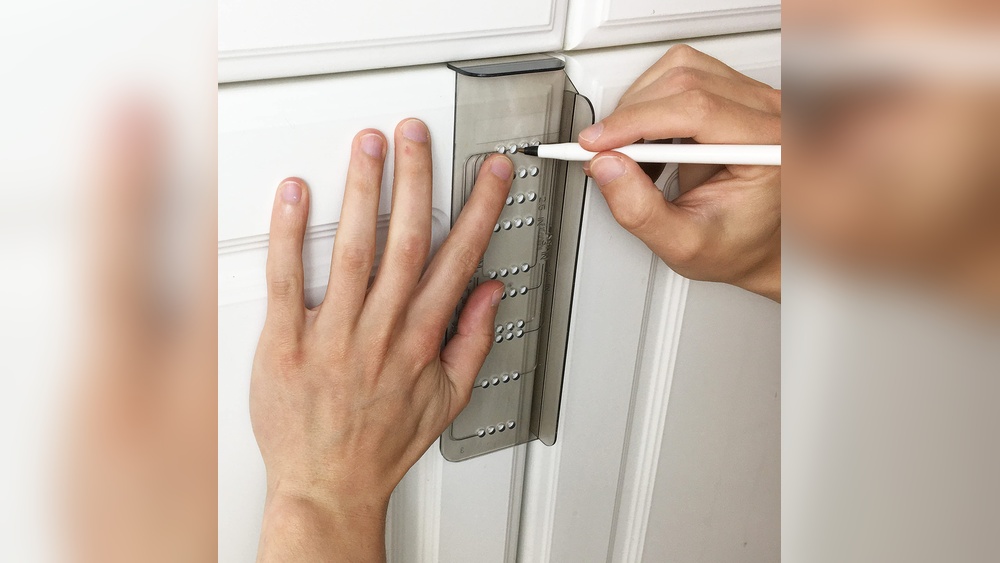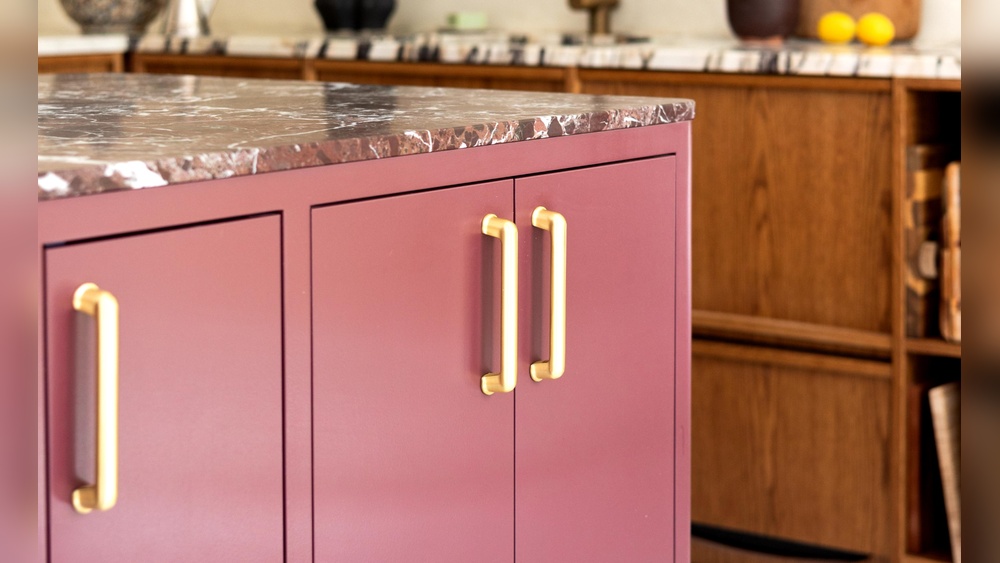
Are your old cabinet handles looking dull or grimy? You might think they need replacing, but what if you could bring back their shine with just a few simple steps?
Cleaning old cabinet hardware isn’t as hard as it seems. In fact, with the right approach, you can make your cabinets look fresh and new without spending a fortune. Ready to learn how to easily restore your hardware and give your cabinets a quick makeover?
Keep reading—you’ll be surprised at how satisfying and straightforward this task can be.

Credit: www.reddit.com
Gather Necessary Supplies
Before cleaning old cabinet hardware, gather all supplies. This step saves time and keeps the process smooth. Having the right tools and materials on hand helps you clean effectively. It also protects the hardware from damage. Safety is important too. Use proper precautions to avoid injury or harm.
Tools And Materials Needed
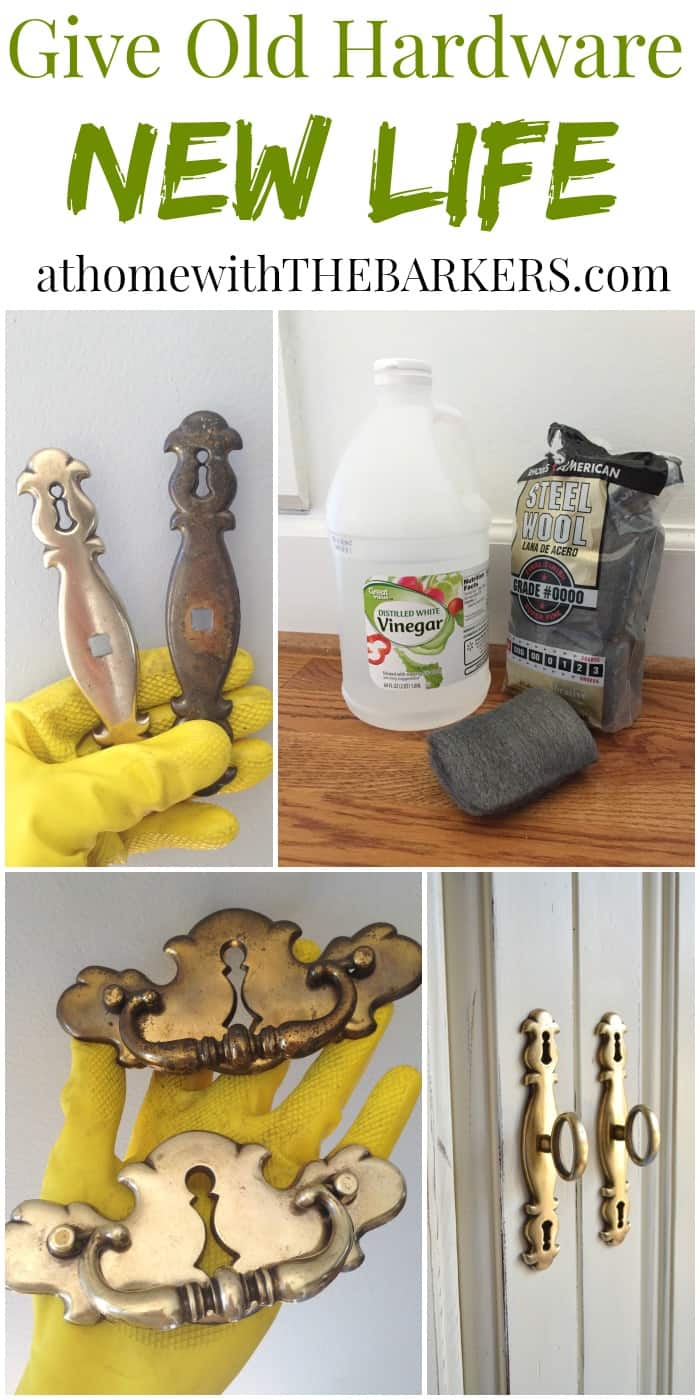
Prepare a soft cloth or old toothbrush for scrubbing. A bowl or bucket works for soaking small parts. Use mild dish soap to remove dirt and grease. White vinegar or baking soda helps with tough stains. A small brush or cotton swabs reach tight spots. Gloves protect your hands from chemicals. A towel is handy for drying hardware after cleaning.
Safety Precautions
Wear gloves to protect your skin from cleaning agents. Work in a well-ventilated area to avoid breathing fumes. Avoid mixing chemicals, which can cause harmful reactions. Keep cleaning supplies away from children and pets. Handle hardware carefully to prevent cuts or scratches. Wash your hands after finishing the cleaning process.
Credit: athomewiththebarkers.com
Remove Hardware Safely
Removing old cabinet hardware is the first step to clean and refresh your cabinets. Doing it safely keeps the hardware and cabinets in good shape. Take your time and use the right tools to avoid damage.
Handle each piece carefully. Loose screws or dropped knobs can get lost or broken easily. Organizing parts as you remove them saves time later.
Unscrewing Handles And Knobs
Use a screwdriver that fits the screws well. Turn screws slowly to avoid stripping them. Keep steady pressure while unscrewing. If screws are stuck, try a little oil to loosen them. Work on one piece at a time to stay organized.
Organizing Small Parts
Use small containers or trays to hold screws and knobs. Label containers by cabinet or drawer for easy reassembly. Avoid mixing parts from different hardware sets. This step helps prevent losing any small pieces during cleaning.
Choose The Right Cleaning Method
Choosing the right cleaning method protects your old cabinet hardware. Different materials need different care. Using the wrong cleaner can cause damage or dull the finish. Knowing what works best saves time and keeps hardware looking great.
Cleaning Solutions For Different Materials
Metal hardware like brass or copper requires gentle cleaners. Mild soap and warm water work well. For tougher grime, use a mix of vinegar and water. Avoid harsh chemicals that can strip the finish.
Wood knobs need special care. Use a soft cloth with a little oil or wood cleaner. Avoid soaking wood in water to prevent warping or cracking. Plastic hardware cleans easily with mild soap and water.
Homemade Vs. Commercial Cleaners
Homemade cleaners use simple ingredients found at home. Baking soda, vinegar, and lemon juice work well on many surfaces. They are gentle and eco-friendly options. Commercial cleaners are made for specific materials. They often clean faster but may contain chemicals. Test any cleaner on a small area first to avoid damage.
Clean Brass And Metal Hardware
Cleaning brass and metal hardware brings old cabinets back to life. These materials show dirt and tarnish easily. Proper care restores their original shine and beauty. Start with gentle cleaning methods to avoid damage. Use common household items for effective results.
Soaking And Scrubbing Techniques
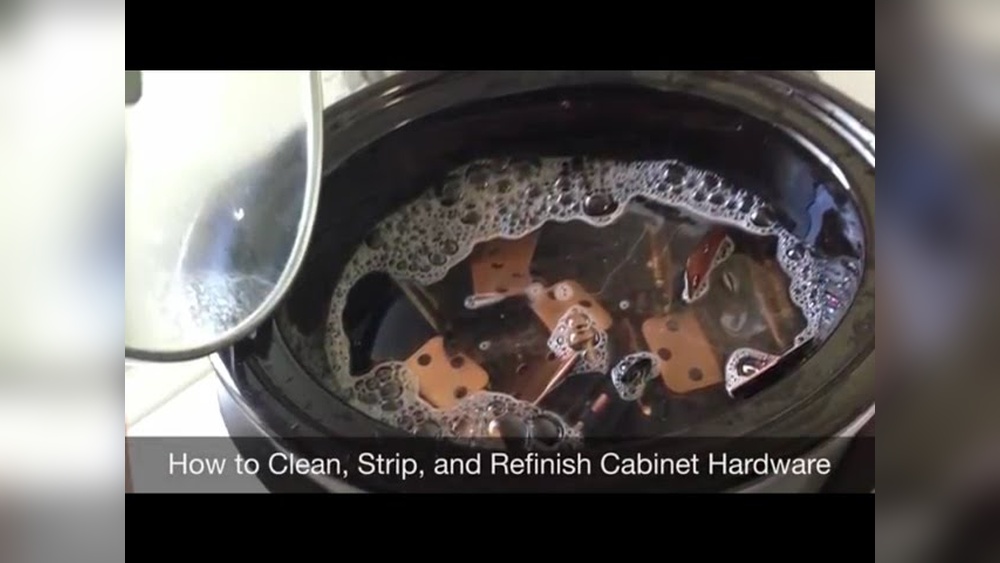
Fill a bowl with warm water and mild dish soap. Place the hardware pieces in the solution. Let them soak for 10 to 15 minutes. This softens dirt and grime for easy removal. Use a soft toothbrush to scrub gently. Focus on crevices and detailed areas. Rinse with clean water to remove soap. Dry completely with a soft cloth to prevent rust.
Polishing Tips For Shine
Apply a small amount of metal polish or a paste made from baking soda and water. Rub the polish onto the hardware using a soft cloth. Use circular motions for even coverage. Let the polish sit for a few minutes. Buff the hardware with a clean cloth until shiny. For natural shine, lemon juice mixed with salt also works well. Finish by wiping with a dry cloth to remove residue.
Restore Painted And Coated Hardware
Restoring painted and coated hardware can bring old cabinets back to life. These finishes protect metal but can wear down over time. Dirt, grease, and rust may hide under the paint or coating. Proper care helps keep hardware looking fresh without damaging the finish.
Cleaning painted or coated hardware needs a soft touch. Strong chemicals or scrubbing can peel the paint or scratch the surface. Gentle methods remove grime while keeping the finish intact. This approach extends the hardware’s life and maintains its look.
Gentle Cleaning Approaches
Start with warm water and mild soap to clean the hardware. Use a soft cloth or sponge to avoid scratches. Dip the cloth in the soapy water and wipe gently. Avoid soaking hardware for too long to protect the paint.
For tough spots, use a soft-bristle toothbrush. Lightly scrub the surface to remove dirt from crevices. Rinse with clean water and dry immediately with a soft towel. This prevents water spots and damage to the coating.
Handling Rust And Corrosion
Rust can appear under chipped paint or coating. Use a gentle rust remover suitable for painted metal. Apply it carefully with a cotton swab or small brush. Avoid spreading rust remover on the painted parts.
After rust removal, clean the area with mild soap and water. Dry the hardware completely to stop new rust from forming. If needed, touch up small paint chips with matching paint to protect metal again.
Dry And Protect Hardware
Cleaning old cabinet hardware is not complete without proper drying and protection. Moisture left on metal parts can cause rust and damage. Protecting hardware helps keep its shine and extends its life. This step is crucial for maintaining beautiful cabinets.
Proper Drying Methods
After cleaning, dry hardware carefully. Use a soft, clean cloth to remove all water. Avoid air drying because it can leave spots or rust. For small crevices, use a cotton swab to absorb moisture. Make sure every part is fully dry before moving to the next step.
Applying Protective Coatings
Protective coatings guard hardware against moisture and dirt. Use a clear wax or oil designed for metal surfaces. Apply a thin, even layer with a soft cloth. Let it dry completely before reinstalling hardware. This simple step keeps your cabinet hardware looking new longer.
Reinstall Hardware Efficiently
Reinstalling old cabinet hardware can bring new life to your kitchen or bathroom. Doing it efficiently saves time and avoids frustration. This step ensures your cabinets look great and work well. Follow simple tips to align and secure hardware easily. Finish with small touches for a clean, sparkling look.
Aligning And Securing Pieces
Start by placing the hardware in the exact spot it was before. Use the original screw holes if possible. This keeps everything straight and balanced. Tighten screws by hand first to avoid stripping them. Use a screwdriver to secure screws firmly. Do not over-tighten; this can damage the cabinet or hardware.
Final Touches For Sparkling Results
After securing, wipe the hardware with a soft cloth. This removes fingerprints and dust. Polish metal handles with a gentle cleaner for extra shine. Check that all pieces feel solid and do not wobble. Clean around the hardware to remove any leftover dirt. Your cabinets now look fresh and well cared for.

Credit: www.youtube.com
Maintain Hardware Longevity
Maintaining old cabinet hardware helps it last longer and keeps it looking good. Proper care stops rust, tarnish, and damage. Small efforts extend the life of handles, knobs, and hinges. Clean and protect metal parts regularly to avoid costly replacements. Simple habits prevent wear and keep hardware functioning smoothly.
Regular Cleaning Tips
Dust cabinet hardware often with a soft cloth. Use mild soap and water for gentle cleaning. Avoid harsh chemicals that can ruin the finish. Dry hardware completely after cleaning to prevent rust. Polish metal parts occasionally to bring back shine. Clean inside and outside of handles for best results.
Preventive Care Strategies
Apply a thin coat of clear wax or oil to protect metal surfaces. Tighten screws regularly to keep hardware secure. Avoid using abrasive tools that scratch or dent parts. Keep cabinets dry to prevent moisture damage. Use liners inside drawers to reduce wear on knobs. Check hardware monthly for signs of damage or corrosion.
Frequently Asked Questions
How Do You Safely Remove Old Cabinet Hardware?
Use a screwdriver to gently unscrew the hardware. Be careful not to damage the cabinet surface. Keep screws and pieces organized for reinstallation or replacement.
What Is The Best Cleaner For Old Cabinet Hardware?
Mild dish soap mixed with warm water works well. Avoid harsh chemicals that can damage finishes. For stubborn grime, a vinegar solution can be effective and safe.
Can You Restore Tarnished Cabinet Hardware?
Yes, soaking hardware in a vinegar and baking soda mix helps. Gently scrub with a soft brush to remove tarnish. Dry thoroughly to prevent rust and maintain shine.
How Often Should You Clean Cabinet Hardware?
Clean cabinet hardware every few months to maintain appearance. Regular wiping prevents dirt buildup and tarnish. More frequent cleaning may be needed in kitchens or bathrooms.
Conclusion
Cleaning old cabinet hardware takes time but is worth the effort. Use gentle cleaners and soft brushes for best results. Avoid harsh chemicals that may damage the finish. Regular cleaning keeps hardware looking fresh and shiny. Small steps can bring new life to old pieces.
Keep your cabinets looking neat and inviting. A little care makes a big difference in your kitchen’s appearance. Try these tips to maintain your hardware easily and effectively. Simple cleaning can change the feel of any room.