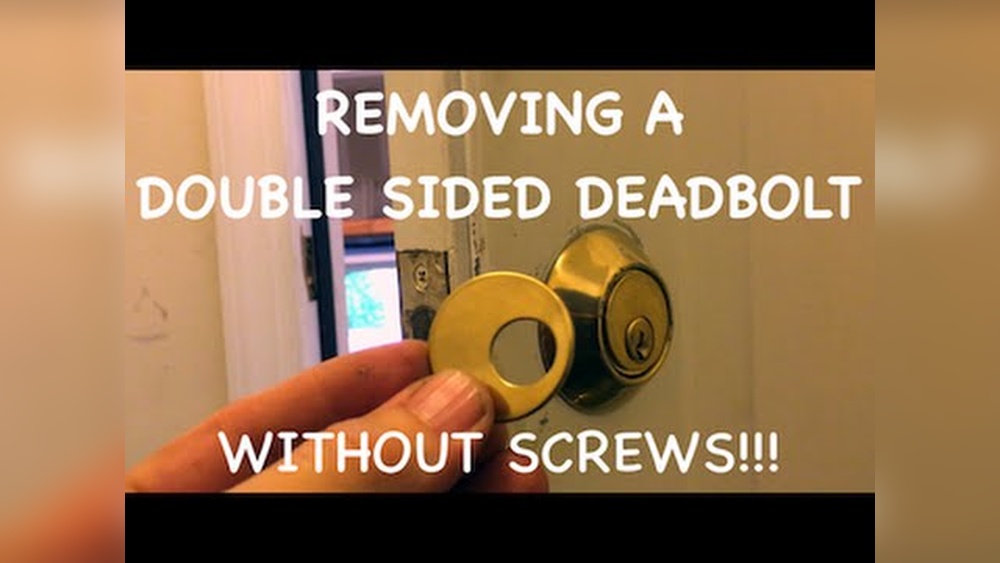
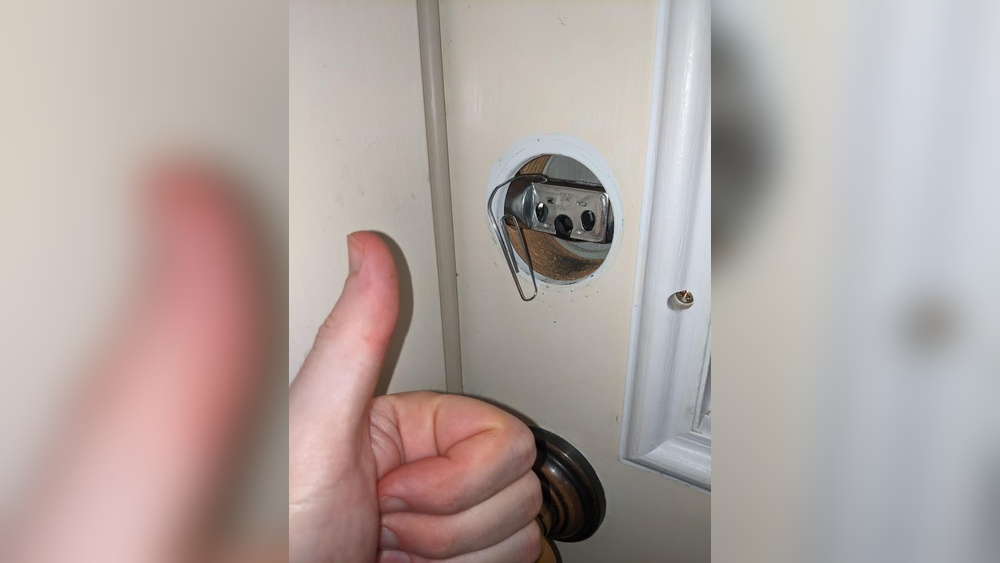
If you need to remove a Yale deadbolt lock, you might feel unsure about where to start. But don’t worry—you can do this yourself with just a few simple tools and clear steps.
Whether you’re upgrading your security or fixing a jammed lock, knowing how to take it apart safely saves you time and money. Keep reading, and you’ll learn exactly what to do, so your door stays secure and your home stays safe.

Credit: www.reddit.com
Tools Needed
Basic tools make removing a Yale deadbolt easy. You will need a screwdriver, a drill, and possibly a hammer. Having these ready helps the process go smoothly.
Before removing a Yale deadbolt lock, know its main parts. Understanding these helps you work safely and fast.
The Yale deadbolt has several key components. Each part has a specific job in locking and unlocking your door.
Exterior Faceplate
The exterior faceplate is the visible part on the outside of the door. It holds the keyhole and the lock cylinder. This part turns when you use your key.
Interior Thumb Turn
On the inside, you find the thumb turn. This small knob lets you lock or unlock the door without a key. It is easy to twist by hand.
Deadbolt
The deadbolt is a metal bar that slides into the door frame. It keeps the door locked tight. The deadbolt moves when you turn the key or thumb turn.
Mounting Screws
Screws hold the lock parts to the door. They are usually found on the interior side. Removing these screws allows you to take off the lock.
Lock Cylinder
The lock cylinder is where the key goes. It connects to the deadbolt inside. The cylinder rotates to move the deadbolt in and out.

Credit: support.shopyalehome.com
Identify Lock Components
Removing the interior screws is a crucial step in taking out a Yale deadbolt lock. These screws hold the inside part of the lock firmly to the door. Without removing them, the lock cannot be pulled apart easily. This part is usually simple but needs care to avoid damage to the lock or door.
Before starting, gather a screwdriver that fits the screws well. Most Yale deadbolts use a Phillips head screwdriver. Using the wrong tool can strip the screws, making removal difficult. Check the screws closely to know which tool fits best.
Locate The Interior Screws
Look on the inside of the door, where the deadbolt knob or thumb turn is. You will see two screws holding this part to the door. They are usually near the edge of the interior lock plate. These screws are often easy to spot.
Use The Correct Screwdriver
Choose a screwdriver that matches the screw heads perfectly. Insert the screwdriver into the screw and turn it counterclockwise. Turning too fast or with too much force may damage the screw head. Turn slowly and steadily until the screw is free.
Remove The Screws Carefully
Take out both screws and place them in a safe spot. Losing these screws can delay your work. Keep them in a small container or on a magnetic tray. Removing the screws will loosen the interior lock plate.
Detach The Interior Lock Plate
Once the screws are out, gently pull the interior lock plate away from the door. It should come off easily. Avoid using force as this may damage the door or lock. If it feels stuck, check for hidden screws or clips.
Remove Interior Screws
Removing the exterior plate of a Yale deadbolt lock is the first step. This plate covers the screws that hold the lock in place. Taking off this plate lets you access the screws underneath. You will need a screwdriver for this task. This step is simple but important to avoid damage to the lock or door.
Gather Necessary Tools
Use a Phillips head screwdriver for most Yale locks. Check the screws to confirm the type. Having the right tool makes the job easier and safer.
Locate The Screws
Find the screws on the exterior plate. They are usually visible and near the edges. Some models may have screws hidden under a small cover. Look carefully to spot them.
Unscrew Carefully
Turn the screwdriver counterclockwise to loosen screws. Do not force or strip the screws. Keep them safe as you will need them later.
Remove The Exterior Plate
Once screws are out, gently pull the plate away from the door. It should come off easily. If it sticks, wiggle it slightly without using too much force.

Credit: support.shopyalehome.com
Detach Interior Assembly
Extracting the deadbolt from a Yale lock is a key step in lock removal. This process lets you separate the bolt mechanism from the door. It requires care and the right tools. Follow clear steps to avoid damage and make the job easier.
Locate The Screws Holding The Deadbolt
Start by finding the screws on the door edge. These screws hold the deadbolt in place. Use a screwdriver to remove them carefully. Keep the screws safe for later use or disposal.
Pull Out The Deadbolt Mechanism
After removing the screws, gently pull the bolt from the door. It should slide out smoothly. Avoid forcing it to prevent damage to the door or lock parts.
Check For Additional Fasteners
Look for any extra clips or fasteners securing the deadbolt. Some models have small parts that need removal. Use a flat tool to release these components.
Clean The Deadbolt Cavity
Once the deadbolt is out, clean the empty space. Remove dust and debris with a cloth. This prepares the door for a new lock or repairs.
Unscrew Exterior Plate
Removing a Yale deadbolt lock can be tricky if the lock feels stuck or hard to turn. Stubborn locks need extra care and the right approach. Patience and simple tools often solve the problem. Below are helpful tips to ease the removal of a tough deadbolt lock.
Use Lubricant To Loosen The Mechanism
Spray a small amount of lubricant like WD-40 into the keyhole. Let it sit for a few minutes. This helps free up any stuck parts inside the lock. Avoid using too much liquid to prevent damage.
Gently Tap The Lock With A Soft Tool
Use a rubber mallet or the handle of a screwdriver to tap the lock lightly. This can help loosen rust or dirt inside. Tap carefully to avoid damaging the lock or door.
Try Turning The Key Back And Forth
Insert the key and move it gently back and forth. This motion can help release stuck pins. Avoid forcing the key as it might break inside the lock.
Check For Hidden Screws Or Covers
Look closely for any screws hidden under the lock’s faceplate. Remove covers to access these screws. Some locks have extra fasteners that must be undone first.
Use The Correct Screwdriver Size
Using the right screwdriver prevents stripping screw heads. A stripped screw can make removal much harder. Keep screwdrivers handy in different sizes for this task.
Frequently Asked Questions
How Do I Remove A Yale Deadbolt Lock Safely?
To remove a Yale deadbolt lock, first, unscrew the interior side screws. Then, gently pull both lock sides apart. Finally, remove the latch from the door edge carefully to avoid damage.
What Tools Are Needed To Remove A Yale Deadbolt?
You need a Phillips screwdriver and possibly a flathead screwdriver. These tools help remove screws and pry the lock parts gently without damage.
Can I Remove A Yale Deadbolt Without A Key?
Yes, you can remove the deadbolt without a key by unscrewing the lock from the inside. No key is required if you access the screws on the interior side.
How Long Does It Take To Remove A Yale Deadbolt?
Removing a Yale deadbolt usually takes 10 to 15 minutes. It depends on your skill level and if you have the right tools ready.
Conclusion
Removing a Yale deadbolt lock is simple with the right steps. Take your time and follow each part carefully. Use the right tools to avoid damage. This process saves money and helps you learn new skills. Practice makes it easier for future tasks.
Safety is important, so work in a well-lit place. Now, you can remove the lock confidently and move on to your next project.