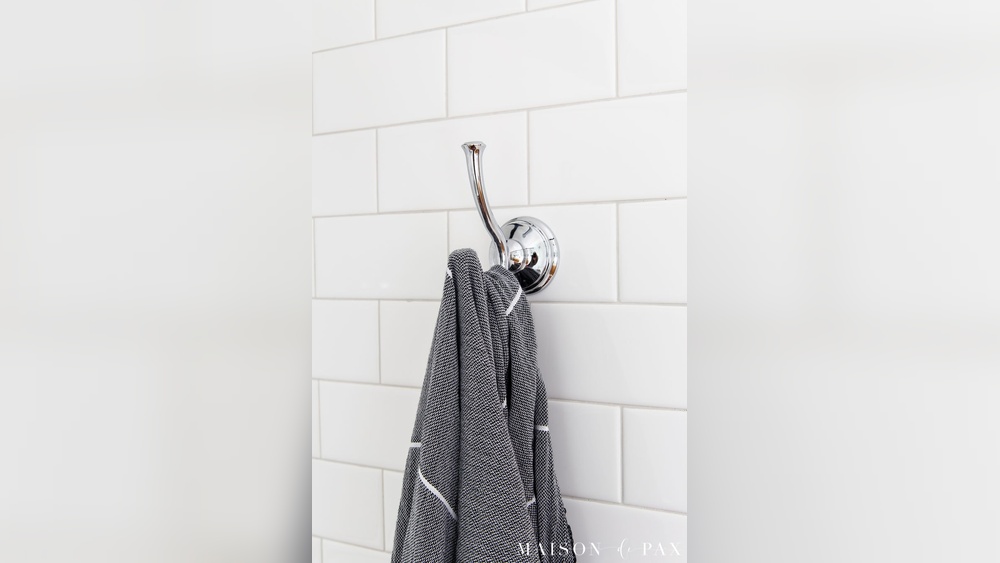
Hanging a hook on a tile wall might seem tricky, but you don’t have to worry. You want a strong hook that stays put without cracking your tiles or leaving ugly holes.
Imagine having your towels, keys, or decorations perfectly hung, making your space neater and more stylish. In this guide, you’ll discover simple steps and smart tips to hang a hook safely and securely on your tile wall. Keep reading—you’ll learn exactly how to do it right the first time.
Choose The Right Hook
Choosing the right hook is key to hanging items on a tile wall. The wrong hook can damage the tile or fail to hold weight. Selecting the correct type and size makes the job easier and safer. Consider the wall surface and what you want to hang. This helps pick the best hook for your needs.
Types Of Hooks For Tile Walls
Different hooks work well on tile walls. Adhesive hooks stick without drilling. They suit light items like towels or keys. Suction cup hooks use suction to hold, best for smooth tiles. Screw-in hooks provide strong support but need careful drilling. Choose hooks made for tile to avoid damage.
Weight Capacity And Purpose
Check the hook’s weight limit before buying. Light hooks hold up to a few pounds. Heavy-duty hooks can support more weight. Match the hook to what you want to hang. Small frames need less strength than shelves. Using the right hook prevents accidents and tile cracks.

Credit: www.youtube.com
Gather Necessary Tools
Gathering the right tools is the first step to hang a hook on a tile wall. Using proper tools makes the job easier and safer. Each tool plays an important role in the process. Prepare everything before you start to avoid interruptions.
Drill And Bits
A drill with the right bits helps you make clean holes in tile. Use a carbide-tipped or diamond drill bit for hard tile surfaces. These bits reduce the risk of cracks. Choose the drill speed carefully; slow and steady works best.
Anchors And Screws
Anchors hold the hook firmly on the tile wall. Use plastic or metal anchors made for tile. They prevent screws from loosening over time. Match screws to the anchors for a strong fit. Check the hook’s weight limit to pick the right anchors.
Safety Gear
Safety gear protects you during drilling and installation. Wear safety glasses to shield your eyes from dust and debris. Use gloves to avoid cuts and improve grip. Ear protection helps if the drill is loud. Stay safe at every step.
Prepare The Tile Surface
Preparing the tile surface is a crucial step before hanging a hook. A clean and well-marked spot ensures the hook holds firmly and looks neat. Taking time to prepare prevents damage and keeps the tile intact.
Clean The Area
Start by wiping the tile with a mild cleaner. Remove dust, grease, and dirt completely. Use a soft cloth or sponge to avoid scratching the tile. Let the surface dry fully before proceeding. A dry, clean surface helps the adhesive stick better.
Mark The Spot
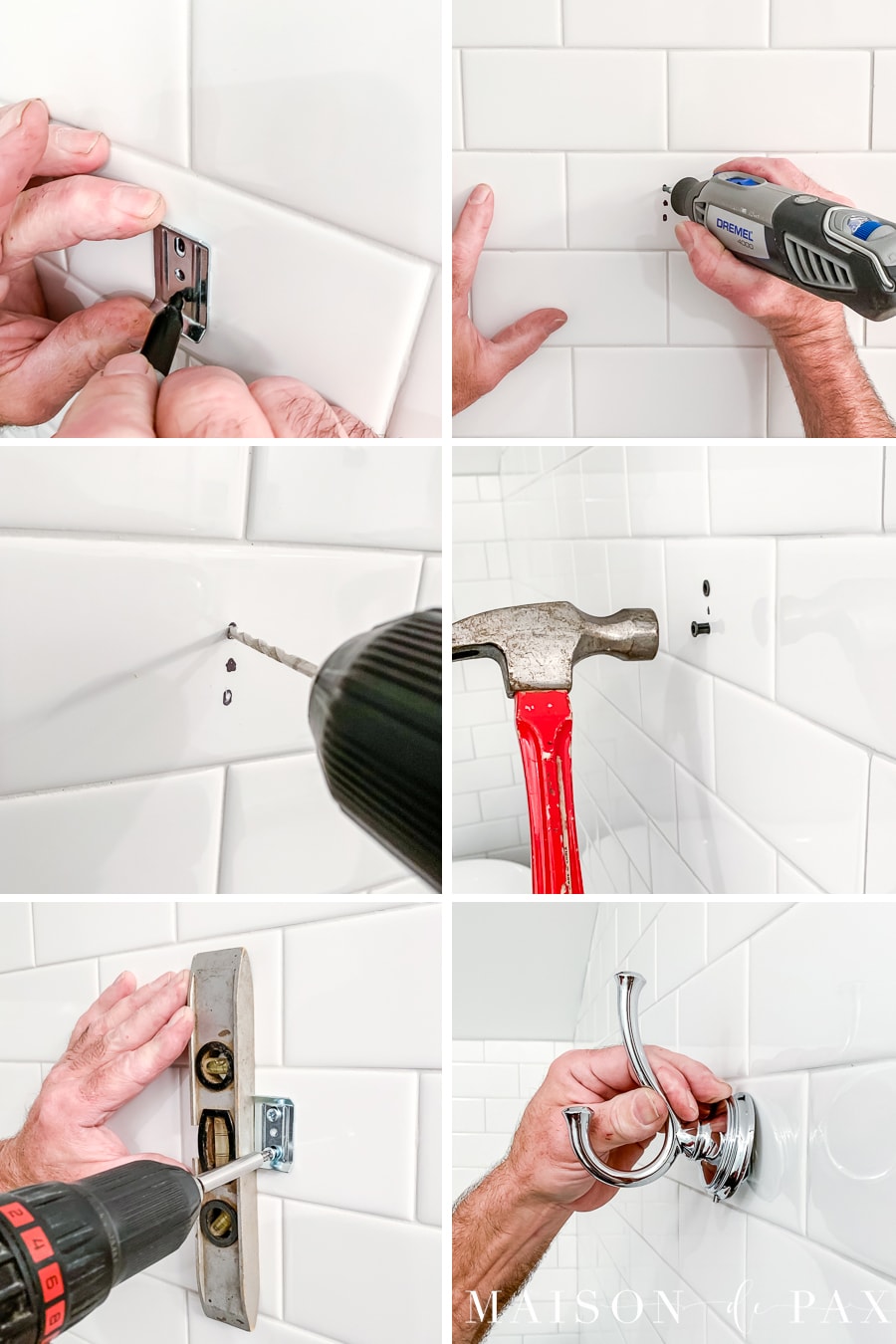
Choose the exact place for your hook. Use a pencil or masking tape to mark the spot lightly. Make sure the mark is visible but easy to erase later. Accurate marking prevents mistakes and keeps your hook straight. Double-check the position before moving on.
Credit: www.maisondepax.com
Drill Into Tile Safely
Drilling into tile requires care and the right tools. Tiles are hard and can crack easily. Taking safe steps helps protect the tile and your drill bit. Follow simple techniques for a clean, safe hole.
Select The Right Drill Bit
Use a carbide-tipped or diamond drill bit. These bits cut through tile without cracking it. Regular drill bits can damage the tile surface. Choose a bit size that matches your hook’s screw.
Use Tape To Prevent Slipping
Place a piece of masking or painter’s tape on the tile. The tape stops the drill bit from sliding. Mark the spot on the tape where you want to drill. This keeps the hole accurate and neat.
Drill Slowly And Steadily
Start drilling at a slow speed. Press lightly and keep the drill straight. Do not rush or push hard. Let the drill bit do the work. Slow drilling reduces heat and tile damage.
Insert Anchors And Attach Hook
Inserting anchors and attaching the hook are key steps for a strong hold on tile walls. Anchors provide the support hooks need to stay in place. Without anchors, screws may not grip well in the tile. This section explains how to pick the right anchors and secure the hook safely.
Choose Suitable Anchors
Select anchors made for tile or masonry walls. Plastic anchors work for light items. For heavier loads, use metal or toggle anchors. The anchor size should match the screw and hole diameter. Avoid anchors too large or small for the wall and hook. Proper anchors prevent tiles from cracking or screws from slipping.
Secure The Hook Firmly
Insert the anchor gently into the drilled hole. Tap it lightly with a hammer if needed. Place the hook over the anchor. Screw it in slowly, keeping it straight. Tighten the screw until the hook feels solid. Do not over-tighten or crack the tile. Test the hook by pulling lightly to check stability.
Test Hook Stability
Testing the stability of a hook on a tile wall is important. It ensures the hook will hold weight without slipping or falling. This step helps avoid damage to tiles and keeps your items safe. Check the hook’s firmness before hanging anything heavy.
Apply Gradual Pressure
Start by pressing the hook gently against the tile. Increase the pressure slowly. Watch if the hook moves or stays firm. A stable hook will not shift or wiggle. This method helps you avoid sudden slips or tile cracks. Keep adding weight little by little to test strength.
Make Adjustments If Needed
If the hook feels loose, reposition it carefully. Clean the tile surface and try sticking again. Use extra adhesive or a stronger hook for heavy items. Avoid forcing the hook, which can damage tiles. Test again after each adjustment to confirm stability.
Alternative Methods Without Drilling
Hanging a hook on a tile wall can be tricky without drilling holes. Drilling can damage tiles and cause cracks. Alternative methods without drilling offer a safe and easy way to hang hooks. These methods keep your tiles intact and still hold your items securely. Two popular options are adhesive hooks and suction cup hooks. Both work well on smooth tile surfaces and are simple to use.
Adhesive Hooks
Adhesive hooks stick to the tile surface with strong glue. They do not need nails or screws. Clean the tile well before applying the hook. Make sure the surface is dry and free of dust. Press the hook firmly against the tile and hold for a few seconds. Wait for the glue to set, usually for 24 hours. Adhesive hooks can hold light to medium weight items. They are great for towels, keys, or small kitchen tools. Remove them carefully to avoid any residue or damage.
Suction Cup Hooks
Suction cup hooks use suction to stick to smooth tiles. They work best on clean, flat, and non-porous surfaces. Moisten the suction cup slightly for a stronger hold. Press the cup firmly against the tile to create a vacuum seal. These hooks are easy to move and reuse. They hold lightweight items like washcloths or small decorations. Check the suction cup regularly to prevent slipping. Suction cup hooks leave no marks or holes behind.

Credit: www.amazon.com
Frequently Asked Questions
How Do I Drill Into A Tile Wall Safely?
Use a carbide-tipped drill bit and low speed. Mark the spot, start with a small pilot hole, and apply gentle pressure. Always wear safety glasses and avoid slipping to prevent tile cracks or injury.
What Type Of Hook Works Best On Tile Walls?
Adhesive hooks with strong, waterproof backing work well. For heavier items, use wall anchors and screws designed for tile. Choose rust-resistant materials like stainless steel or plastic for durability and safety.
Can I Hang Heavy Items On A Tile Wall?
Yes, but use proper anchors designed for tile. Drill a pilot hole carefully to avoid cracking. Heavy-duty wall anchors or toggle bolts provide strong support for heavier hooks and items.
How Do I Avoid Cracking Tiles When Hanging Hooks?
Use a sharp drill bit and start with a small pilot hole. Drill slowly with steady pressure. Apply masking tape on the tile surface to prevent slipping and reduce cracking risk.
Conclusion
Hanging a hook on a tile wall is simple with the right steps. Choose the correct drill bit and anchor for strong hold. Take your time to mark and drill carefully. Avoid cracks by drilling slowly and gently. A well-installed hook keeps your items safe and secure.
This small task can make your space more organized. Try it yourself and enjoy the neat results. Easy, quick, and useful. That’s how you hang a hook on tile.