Are you looking to secure your stair rail safely to the wall but don’t know where to start? Anchoring a stair rail might seem tricky, but with the right steps, you can do it yourself with confidence.
Imagine having a strong, stable rail that keeps you and your loved ones safe every time you use the stairs. In this guide, you’ll discover simple, clear instructions that make the process easy to follow—no confusing jargon, just practical tips you can trust.
Keep reading to learn how to anchor your stair rail securely and boost your home’s safety today.
Choosing The Right Materials
Choosing the right materials is key to a safe and sturdy stair rail installation. The materials affect the strength, look, and durability of the stair rail. You need to pick materials that fit your wall type and usage needs. This guide helps you select the best stair rails and anchors for your project.
Types Of Stair Rails
Wood stair rails are classic and easy to work with. They fit most home styles and can be stained or painted. Metal stair rails offer a modern look and strong support. They last long and need little upkeep. Glass stair rails add a sleek, open feel but require special anchors. Choose based on style, strength, and maintenance.
Selecting Anchors And Fasteners
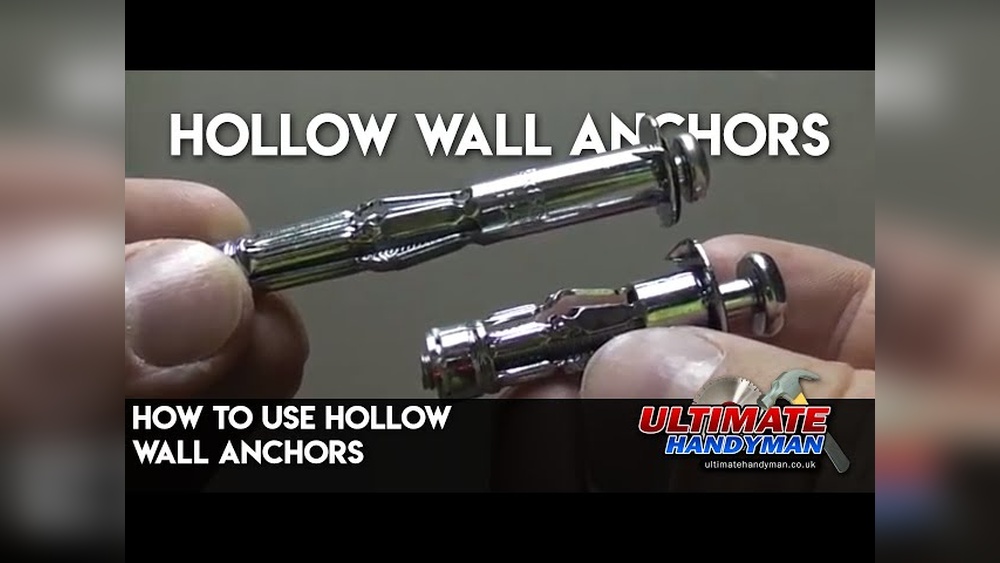
Anchors must match the wall material and stair rail type. Use toggle bolts or molly bolts for drywall. For concrete or brick, use sleeve anchors or expansion bolts. Screws should be rust-resistant for safety. Pick fasteners that hold tight under weight and movement. Always check the weight rating before buying.

Credit: glmetalfab.com
Preparing The Wall And Rail
Preparing the wall and rail is an important first step. It ensures the stair rail will be strong and safe. Take time to find the best spots to attach the rail. This avoids weak points and keeps the rail steady. Proper preparation helps the whole project go smoothly.
Careful planning prevents mistakes. It also saves time during installation. Follow simple steps to get ready before fixing the rail to the wall.
Locating Studs And Support Points
Studs are the vertical wooden beams inside the wall. They provide the strongest support for the stair rail. Use a stud finder tool to find them. Move the tool slowly along the wall to spot the studs. Mark their edges with a pencil. Avoid drywall or plaster alone because they are weak.
Look for solid support points along the stair rail path. These points will hold the rail firmly. If no studs are available, use wall anchors designed for heavy loads. Always prioritize studs to keep the rail secure and safe.
Measuring And Marking Anchor Spots
Measure the height where the stair rail will go. Standard height is between 34 and 38 inches from the stair nose. Use a tape measure for accuracy. Mark this height on the wall at each stud location.
Next, place the rail against the wall. Align it with your height marks. Mark the exact spots where the rail brackets will go. These marks guide drilling and anchoring. Double-check measurements to avoid errors.
Installing The Anchors
Installing anchors is a key step to secure the stair rail firmly to the wall. Strong anchors hold the rail in place and keep it safe. This process needs care and accuracy to avoid damage to the wall and ensure the rail stays steady.
Drilling Pilot Holes
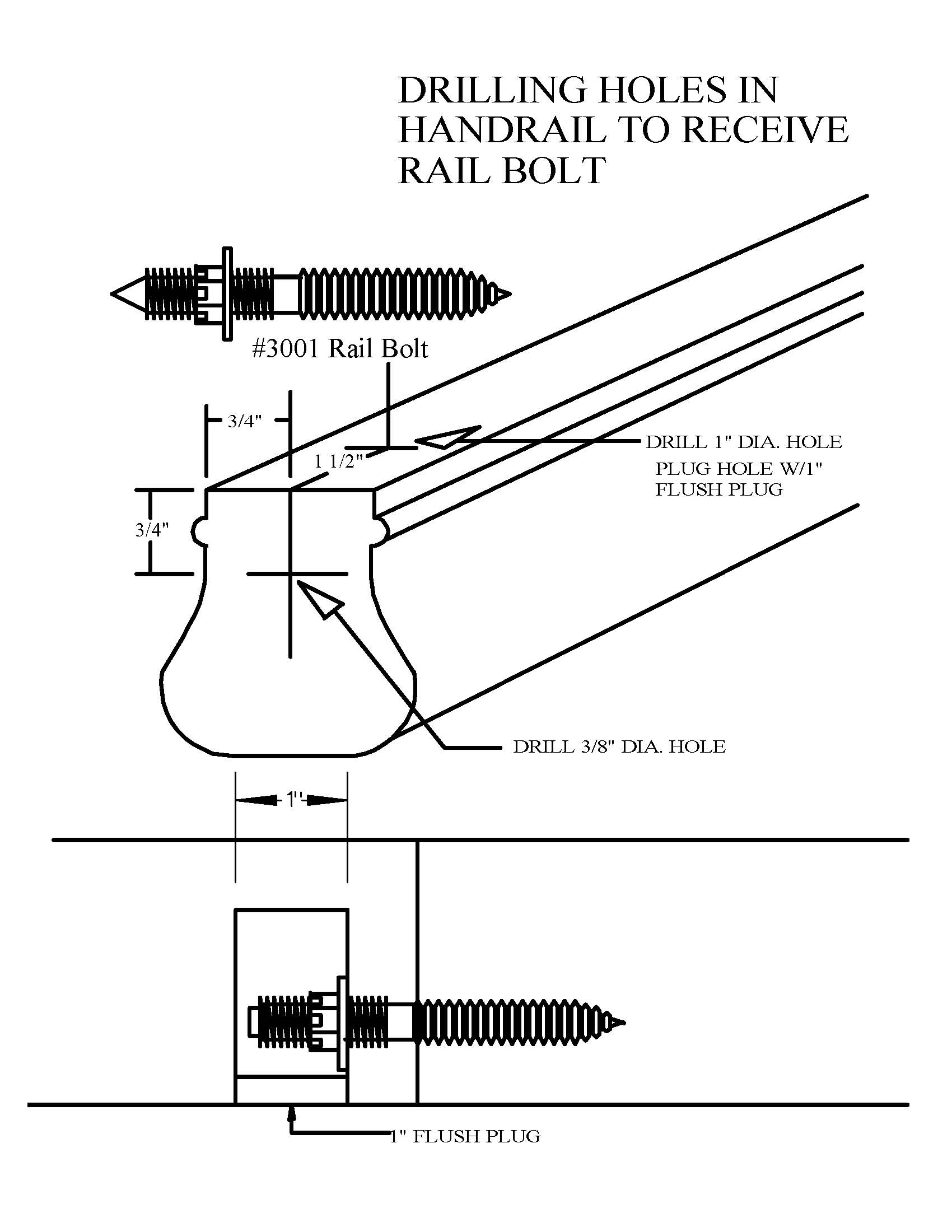
Start by marking the spots for the anchors on the wall. Use a pencil to mark clearly. Choose a drill bit that matches the anchor size. Drill slowly and straight into the wall. Make pilot holes deep enough for the anchors to fit well. Clean out dust from the holes to help anchors grip better.
Inserting Wall Anchors
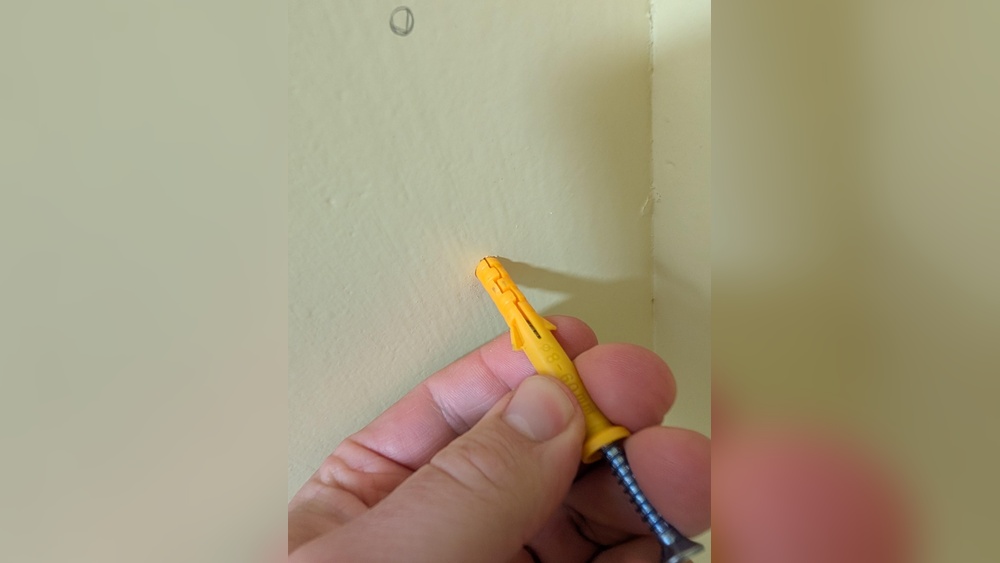
Pick the right wall anchors for your wall type. Push the anchors into the pilot holes gently. Tap them lightly with a hammer if needed. The anchors should sit flush with the wall surface. Check each anchor is tight and secure before attaching the stair rail. This step makes sure the rail holds strong and lasts long.
Credit: www.westfirestairparts.com
Attaching The Stair Rail
Attaching the stair rail to the wall is a key step for safety and style. A secure rail keeps people steady while climbing stairs. Proper attachment ensures the rail holds firm for years. Follow clear steps to fix the rail tightly and safely.
Aligning The Rail With Anchors
Start by placing the stair rail near the wall. Match the rail holes with the wall anchors. Check the rail is level and straight. Use a level tool to confirm the alignment. Adjust the rail slightly if needed. Proper alignment prevents a shaky or loose rail.
Securing The Rail With Screws
Choose screws that fit the anchors and rail holes well. Insert screws through the rail into the wall anchors. Tighten screws using a screwdriver or drill. Make sure screws go in straight and deep. Do not overtighten, to avoid damaging the rail. Check the rail for firm hold after all screws are in place.
Ensuring Stability And Safety
Ensuring stability and safety is key when anchoring a stair rail to a wall. A secure rail prevents accidents and supports users properly. Take time to check the rail’s strength after installation. Safety depends on strong, well-fixed rails that hold firm under pressure.
Testing The Rail Strength
Start by applying pressure to the rail in different spots. Push down and sideways to see if it moves. The rail should not wobble or feel loose. Use your body weight to gently test the rail’s hold. A strong rail stays steady and safe under force.
Making Adjustments If Needed
If the rail shifts or feels weak, tighten the screws first. Check that anchors are properly fixed inside the wall. Replace any loose anchors with stronger ones for better grip. Adjust the rail position slightly to improve contact with the wall. Test again after changes to confirm the rail is stable.

Credit: glmetalfab.com
Maintaining Your Stair Rail
Maintaining your stair rail is essential for safety and durability. A well-kept rail prevents accidents and keeps your home looking neat. Regular care helps catch problems early and saves costly repairs later.
Regular Inspections
Check your stair rail often for signs of damage. Look for cracks, loose screws, or wobbling parts. Pay attention to areas where the rail meets the wall. Early detection of issues avoids bigger problems.
Tightening Loose Components
Loose parts can make your stair rail unsafe. Use a screwdriver or wrench to tighten screws and bolts. Make sure the rail feels solid and steady. Tightening keeps the rail secure and reliable.
Frequently Asked Questions
What Tools Are Needed To Anchor A Stair Rail To A Wall?
You need a drill, level, tape measure, stud finder, screws, anchors, and a screwdriver. These tools ensure a secure and precise installation of the stair rail on the wall.
How Do You Find Studs For Stair Rail Anchoring?
Use a stud finder to locate studs behind the wall. Mark the stud positions with a pencil for accurate screw placement. Anchoring into studs provides strong support for the stair rail.
What Type Of Anchors Work Best For Stair Rails?
Heavy-duty wall anchors or toggle bolts work best for stair rails. They provide strong support when studs are unavailable, ensuring the rail remains stable and secure over time.
How High Should A Stair Rail Be Anchored On The Wall?
Anchor the stair rail 34 to 38 inches above the stair tread nose. This height meets safety codes and provides comfortable hand support while ascending or descending stairs.
Conclusion
Anchoring a stair rail to a wall keeps your stairs safe and steady. Use the right tools and follow steps carefully. Check the wall type to pick proper anchors. Measure and mark spots before drilling holes. Tighten screws firmly but avoid damage.
Regularly inspect the rail for any looseness or wear. A well-installed stair rail adds security and style to your home. Simple actions make a big difference in safety. Take your time and work with care. Your efforts will protect everyone using the stairs daily.