Have you ever found yourself locked out with no key in sight? It’s a frustrating situation that can leave you feeling stuck and helpless.
But what if you could unlock a deadbolt using something as simple as a knife? This might sound surprising, but with the right technique, it’s possible. You’ll learn clear, step-by-step tips to help you get back inside quickly and safely.
Keep reading—your solution is just a few moves away.

Credit: www.wikihow.com
Tools Needed
To open a deadbolt with a knife, having the right tools is important. The right knife and a few extra items make the task easier. Choosing tools that fit the job helps you avoid damage. It also saves time and effort.
Choosing The Right Knife
Select a knife with a thin, stiff blade. A butter knife or a small flathead knife works best. The blade should fit into the lock gap without bending. Avoid sharp knives to reduce the risk of injury. The knife needs to be strong enough to move the lock parts.
Additional Items To Prepare
Prepare a tension wrench or a sturdy flat tool. This helps apply pressure inside the lock. A flashlight can help you see better in low light. Gloves protect your hands during the process. Keep a cloth nearby to clean the knife if needed.

Credit: www.lockpickworld.com
Safety Precautions
Handling a deadbolt with a knife can be risky. Safety must be your top priority. Taking the right precautions helps avoid accidents and legal trouble. Read these important safety tips before trying.
Avoiding Injury
Knives are sharp and can cause serious cuts. Hold the knife firmly and use slow, steady movements. Keep your fingers away from the blade’s path. Wear protective gloves if possible. Work in a well-lit area to see clearly. Stop immediately if you feel pain or discomfort.
Legal Considerations
Opening a locked door without permission may be illegal. Only try this on your own property or with the owner’s consent. Know local laws about lock manipulation and breaking in. Using a knife to open locks without permission can lead to fines or arrest. Always act responsibly and respect others’ property.
Preparing The Deadbolt
Before using a knife on a deadbolt, proper preparation is essential. This step helps you work safely and increases your chances of success. Take your time to understand the lock and clear the area around it.
Preparation prevents damage and makes the process smoother. Start by checking the type of lock you face. Then, make sure the space around the door is free of obstacles or distractions.
Assessing The Lock Type
Not all deadbolts are the same. Some have simple designs, while others are complex. Look closely at the lock’s shape and mechanism. Identify if it is a single-cylinder or double-cylinder deadbolt. Single-cylinder locks have a keyhole on one side. Double-cylinder locks have keyholes on both sides. Knowing this helps you decide if using a knife is possible or if you need another tool.
Clearing The Area
Clear the space around the deadbolt. Remove any objects that might block your hands or tools. This creates a safe and comfortable work zone. Good lighting helps you see small parts better. Ensure no one is nearby to avoid accidents. Preparing the area reduces stress and allows you to focus fully on the task.
Credit: www.youtube.com
Techniques To Unlock
Unlocking a deadbolt with a knife requires simple techniques and patience. This section explains easy steps to help you try this method safely and carefully. Focus on gentle movements and the right angles for better results.
Sliding The Knife Between Door And Frame
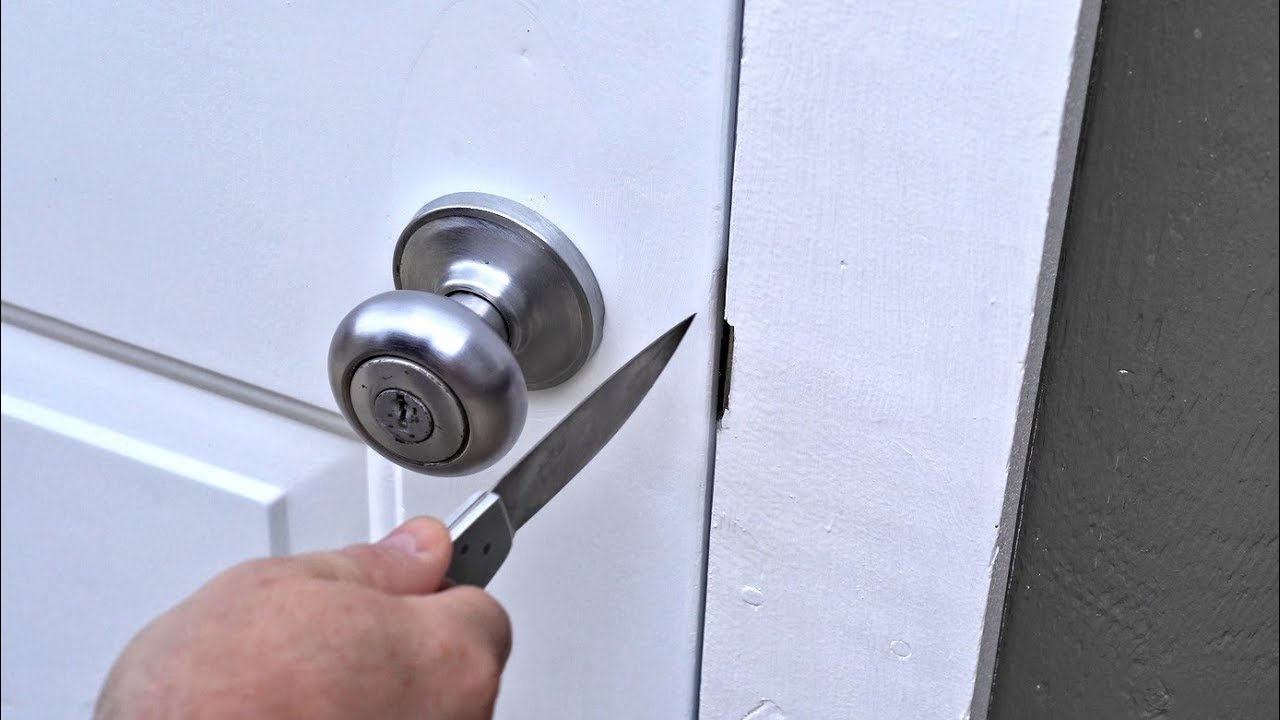
Start by choosing a thin, sturdy knife. Slide it slowly between the door and the frame. Aim for the gap near the deadbolt. Move the knife up and down gently to find space. Avoid forcing the blade to prevent damage. The goal is to reach the bolt area inside the door.
Manipulating The Bolt
Once the knife is in place, try to touch the bolt with the blade tip. Push or pull the knife to move the bolt. The bolt may need to slide back into the door. Small, careful movements work best. Keep checking if the bolt moves freely. Patience is key here.
Using Pressure And Angles
Apply light pressure while changing the knife angle. Slight tilts can help the blade catch the bolt. Do not press too hard to avoid bending the knife. Adjust angles slowly until the bolt shifts. This technique requires steady hands and focus. Practicing these steps improves success.
Troubleshooting Common Issues
Troubleshooting common issues can help when trying to open a deadbolt with a knife. Small problems may stop the process. Knowing how to handle these can save time and frustration.
When The Bolt Is Stuck
The bolt might not move easily if it is stuck. Dirt or rust can cause this. Try pushing the knife gently while wiggling it. Use light force to avoid breaking the knife. Spray a small amount of lubricant if available. This can help the bolt slide smoothly. Keep trying to move the bolt slowly. Patience is important in this step.
Dealing With Reinforced Deadbolts
Some deadbolts are stronger and harder to open. They may have metal shields or extra locks. These make using a knife very difficult. Look for gaps around the lock where the knife can fit. Insert the knife carefully and try to push the bolt. Do not force the knife too hard. Sometimes, a knife alone cannot open reinforced deadbolts. Consider other methods if this happens.
Alternative Methods
Sometimes, a deadbolt lock can be tricky to open with a knife. There are other ways to try opening it without causing damage. These alternative methods use simple tools or help from experts. They can save time and prevent frustration.
Using Other Household Items
Small tools like credit cards or bobby pins can help with some locks. A plastic card can slide between the door and frame to push the latch. Thin metal objects, like paper clips, can turn the lock mechanism carefully. Be gentle to avoid breaking the item or the lock. This method works best on spring bolt locks, not deadbolts. It’s a quick option if no special tools are available.
Calling A Professional Locksmith
Sometimes, professional help is the safest choice. Locksmiths have special tools and skills to open locks without damage. They can open even the toughest deadbolts quickly. Calling a locksmith saves time and stress. It also protects the lock and door from damage. Professionals know how to handle lock problems safely and effectively.
Frequently Asked Questions
Can You Unlock A Deadbolt With A Regular Knife?
Yes, you can unlock some deadbolts with a thin, sturdy knife by sliding it between the door and frame. This method works mainly on spring-latch locks, not on secure deadbolts. It’s not recommended due to risk of damage and legality concerns.
What Type Of Knife Works Best To Unlock Deadbolts?
A thin, flexible knife like a butter or putty knife works best. The blade must be strong enough to slide between door and frame without bending. Avoid serrated or thick knives, as they won’t fit or will break easily.
Is Unlocking A Deadbolt With A Knife Legal?
Unlocking a deadbolt with a knife is legal only if you own the property or have permission. Using this method without consent can be illegal and considered breaking and entering. Always ensure you have proper authorization before attempting.
Can A Knife Damage The Door Or Lock?
Yes, using a knife can scratch or damage the door, frame, or lock mechanism. This method risks bending the knife blade or breaking the lock’s internal parts. Use caution and consider professional help to avoid costly repairs.
Conclusion
Using a knife to open a deadbolt takes care and patience. Always try gentle moves and stay calm. This method works best for simple locks or emergencies. Remember, practice makes skill better. Keep safety in mind to avoid damage or injury.
Knowing this trick can save time in tricky moments. Stay careful, act smart, and use these steps wisely.