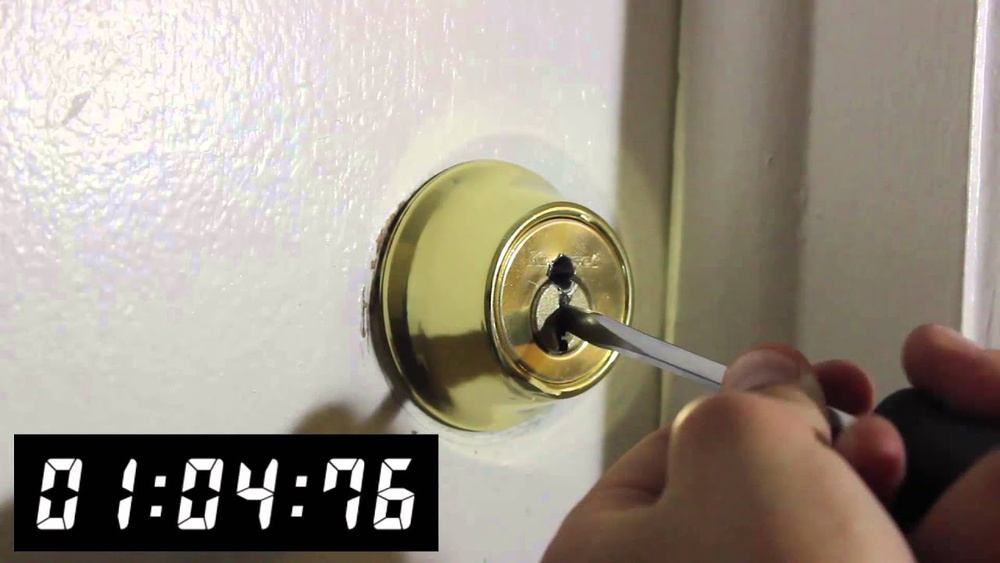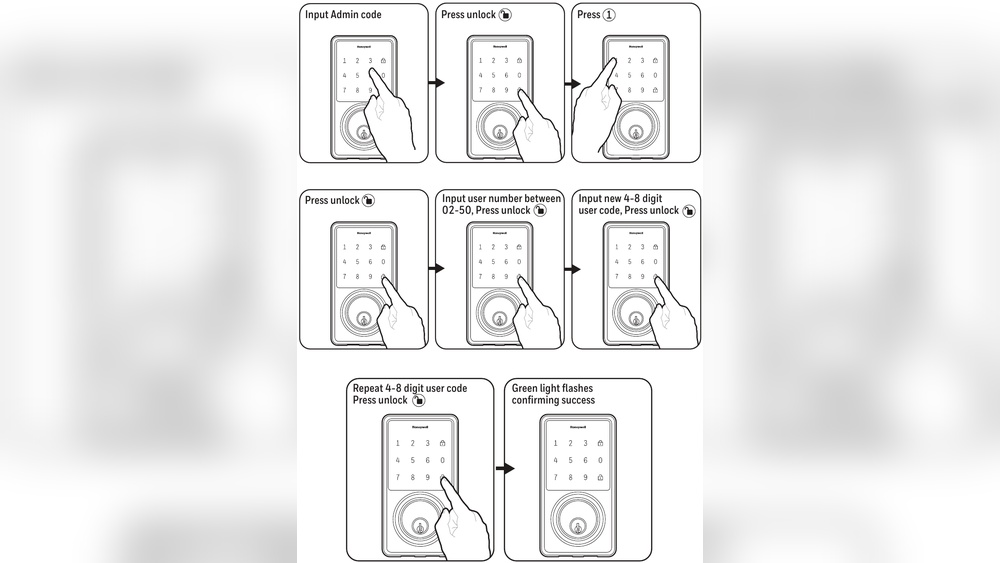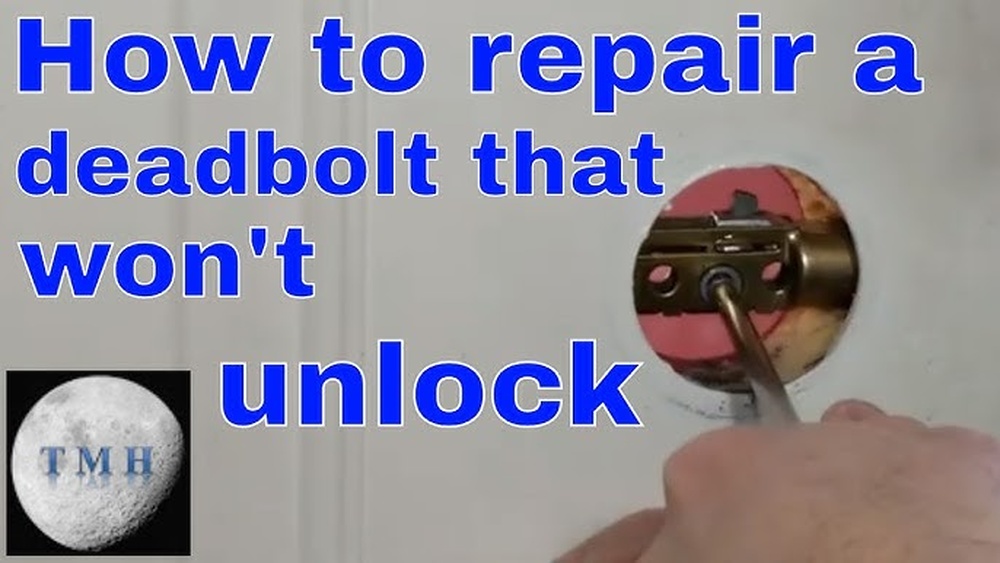
Is your deadbolt lock stuck and refusing to turn? This frustrating problem can leave you feeling stuck—literally and figuratively.
You rely on your lock for security and peace of mind, so when it won’t work, it can throw off your entire day. But don’t worry—you don’t have to call a locksmith just yet. With a few simple steps, you can fix your deadbolt lock yourself and get back to feeling safe and in control.
Keep reading, and you’ll discover easy, practical solutions that anyone can do, even if you’ve never handled a lock before.

Credit: www.youtube.com
Identify The Problem
Identifying the problem is the first step to fix a deadbolt lock that won’t turn. Understanding the issue helps you avoid unnecessary repairs and saves time. This section guides you through simple checks to find the cause of the problem. Start by examining the key, the lock cylinder, and the deadbolt mechanism. Each part plays a role in how the lock works.
Check For Key Issues
Look closely at the key. Is it bent or damaged? A bent key can get stuck or fail to turn the lock. Dirt or debris on the key can block smooth movement. Try cleaning the key with a soft cloth. Test the key in the lock to see if it moves easily. Use a spare key if you have one. This can help find out if the problem is the key itself.
Inspect The Lock Cylinder
The lock cylinder is where the key goes in. Dirt or rust inside can stop the lock from turning. Shine a light into the cylinder to check for dirt or broken parts. Use a lubricant made for locks. Spray it inside the cylinder to loosen stuck parts. Avoid using oil or grease as these can cause more problems. Gently try to turn the key after lubrication.
Assess The Deadbolt Mechanism
The deadbolt mechanism moves the bolt in and out of the door frame. Sometimes, the bolt gets stuck or misaligned. Check if the bolt moves smoothly by pushing it with your hand. Look for signs of damage or wear on the bolt and strike plate. Tighten any loose screws around the lock. If the bolt feels stuck, try applying a little lubricant on it as well.
Basic Fixes To Try First
Deadbolt locks may stop turning due to simple issues. Before calling a locksmith, try these basic fixes. They often solve the problem quickly. These steps need minimal tools and can be done by anyone.
Lubricate The Lock
Dirt and rust can block the lock’s mechanism. Use a graphite or silicone-based lubricant. Spray it inside the keyhole and on the bolt. Turn the key gently to spread the lubricant inside. Avoid oil-based products; they attract dust and cause more problems.
Align The Strike Plate
The strike plate might be out of place. This misalignment blocks the bolt from moving freely. Check if the bolt meets the hole in the strike plate. If not, loosen the screws and adjust the plate slightly. Tighten the screws after proper alignment. Test the lock by turning the key again.
Tighten Loose Screws
Loose screws can cause the lock to misalign. Inspect screws on the lock and door handles. Use a screwdriver to tighten any loose screws. This simple step may restore smooth lock operation. Make sure the lock is firmly attached to the door.
Advanced Troubleshooting
Advanced troubleshooting helps fix a deadbolt lock that won’t turn. It involves detailed steps to find and solve hidden problems. This section guides you through careful actions to restore your lock’s function.
Remove And Clean The Cylinder
First, remove the lock cylinder carefully. Unscrew the faceplate and pull out the cylinder. Use a soft cloth and a small brush to clean dust and dirt inside. Spray a bit of graphite lubricant to ease the movement. Avoid using oil-based lubricants as they can attract more dust.
Replace Worn Components
Check the cylinder parts for wear or damage. Look at the pins, springs, and the keyway. Replace any parts that look rusty or broken. You can buy replacement parts at hardware stores or online. Proper parts ensure smooth lock operation and prevent future problems.
Test The Lock Operation
After cleaning and replacing parts, reassemble the lock. Insert the key and turn it slowly to test the movement. The lock should turn easily without sticking. Repeat the test several times to confirm it works well. If it still sticks, repeat cleaning or check for hidden damage.
Credit: www.reddit.com
When To Call A Locksmith
Sometimes, a deadbolt lock that won’t turn needs expert help. Knowing when to call a locksmith saves time and stress. Not every problem requires a professional, but some signs show you do.
Signs Of Serious Damage
Look for visible damage on the lock. Bent or broken parts mean the lock needs repair. If the key gets stuck or snaps inside, avoid forcing it. Strange noises or the lock feels jammed also show serious issues. These problems need a locksmith’s skill to fix safely.
Cost Considerations
Calling a locksmith may cost more than simple DIY fixes. Still, fixing serious lock problems yourself can cause more damage. Locksmith services vary in price depending on the job. Getting a quote before work helps avoid surprises. Think about the cost of your security too. A professional fix protects your home better.
Choosing A Reliable Professional
Pick a locksmith with good reviews and proper licensing. Check if they have experience with deadbolt locks. Ask for recommendations from friends or family. Make sure they offer emergency services if needed. A reliable locksmith works quickly and respects your property. This choice keeps your home safe and your mind calm.
Preventive Maintenance Tips
Preventive maintenance helps keep your deadbolt lock working smoothly. It stops common problems like jamming or not turning. Simple care habits extend the lock’s life and improve security. Follow these easy tips to avoid trouble with your deadbolt.
Regular Cleaning Schedule
Dust and dirt build up inside the lock. Clean the keyhole and bolt area every few months. Use a soft brush or compressed air to remove debris. Avoid using water or harsh chemicals that can cause damage.
Proper Key Usage
Always use the correct key for your deadbolt. Avoid using worn or bent keys. Insert the key gently and turn slowly. Forcing the key can damage the lock mechanism over time.
Seasonal Lubrication
Apply a dry lubricant to the lock twice a year. Focus on the keyhole and bolt parts. Use graphite powder or a silicone-based spray. This reduces friction and prevents rust from forming.

Credit: www.reddit.com
Frequently Asked Questions
Why Won’t My Deadbolt Lock Turn At All?
A deadbolt may not turn due to misalignment, dirt buildup, or a broken internal mechanism. Check if the door or strike plate is misaligned. Lubricate the lock with graphite powder. If it still won’t turn, the lock cylinder might need replacement.
How Can I Fix A Sticky Deadbolt Lock?
A sticky deadbolt often results from dirt or rust inside the lock. Apply a lubricant like graphite powder to the keyhole and bolt. Avoid oil-based lubricants as they attract dirt. Clean the lock thoroughly and test the movement after lubrication.
What Causes A Deadbolt Key To Turn But Bolt Won’t Move?
If the key turns but the bolt doesn’t move, the internal linkage may be broken or disconnected. Remove the lock from the door and inspect the internal parts. Replace any damaged components or the entire lock if necessary.
How Do I Realign A Deadbolt Lock Properly?
Realign the deadbolt by adjusting the strike plate and door position. Loosen screws on the strike plate, move it slightly, and retighten. Ensure the bolt slides smoothly into the strike plate hole without resistance.
Conclusion
Fixing a deadbolt lock that won’t turn can save time and money. Start with simple steps like cleaning and lubricating the lock. Check for any broken parts or misalignment. Small problems often cause the lock to jam. If these tips do not help, consider calling a locksmith.
Regular maintenance keeps your lock working well. Don’t ignore a stuck deadbolt—it can cause bigger issues later. Stay patient and follow these easy steps to get your lock turning smoothly again.