Have you ever stood frustrated in front of your door, struggling to turn a deadbolt that just won’t budge? A stuck deadbolt can throw off your day and make you feel stuck too.
But don’t worry—fixing it might be easier than you think. In this guide, you’ll discover simple, effective steps to unstick your deadbolt quickly. By the end, you’ll have the confidence to handle this common problem yourself, saving time and avoiding costly locksmith calls.
Ready to unlock the solution? Let’s dive in.
Common Causes Of Stuck Deadbolts
Deadbolts can get stuck for several common reasons. Knowing these causes helps fix the problem fast. Understanding what stops the deadbolt from moving makes repair easier. This section covers the main issues behind stuck deadbolts.
Worn Or Misaligned Components
Parts inside the deadbolt wear out over time. Springs can lose strength, and metal pieces may bend. Misaligned parts stop the lock from working smoothly. The bolt may not slide fully into the door frame. This causes the lock to jam or stick.
Dirt And Debris Buildup
Dust, dirt, and small debris often get inside locks. These particles block moving parts and slow the bolt. Dirt buildup makes turning the key hard. Cleaning the lock regularly helps keep it smooth. Without cleaning, debris causes the deadbolt to stick.
Weather Effects On Lock Mechanisms
Cold weather causes metal to contract and freeze moisture. This leads to stiff or frozen deadbolts. Heat can expand parts and change alignment. Rain and humidity cause rust and corrosion. Weather changes affect the lock’s smooth operation.
Tools Needed For Deadbolt Repair
Repairing a stuck deadbolt requires some basic tools. Having the right tools makes the job easier and faster. It also helps prevent damage to your lock or door. Below is a list of common tools needed for deadbolt repair. These tools will help you clean, fix, or replace parts as needed.
Basic Hand Tools
Start with simple hand tools. A screwdriver set is essential for removing screws. Both flathead and Phillips screwdrivers are useful. A small hammer can help gently tap parts loose. Needle-nose pliers assist in gripping small components. A flashlight helps see inside the lock clearly.
Lubricants And Cleaners
Lubricants help the deadbolt move smoothly. Use graphite powder or silicone spray for best results. Avoid oil-based lubricants, as they attract dirt. Cleaners remove dust and grime from the lock. Rubbing alcohol or a mild cleaner works well. Use a soft cloth or cotton swabs for cleaning tight spaces.
Replacement Parts
Sometimes, parts must be replaced. Common parts include screws, springs, and the deadbolt itself. Keep a few spare screws of different sizes. Springs inside the lock often wear out over time. Replacement deadbolts come in various sizes and finishes. Match the new parts to your existing lock for a perfect fit.
Step-by-step Deadbolt Fixes
Fixing a stuck deadbolt can be simple with clear steps. Follow these fixes carefully to free your lock and ensure smooth operation. Each step targets a common cause of deadbolt problems. Try these solutions before calling a locksmith. Simple tools and a little time will do the trick.
Cleaning And Lubricating The Lock
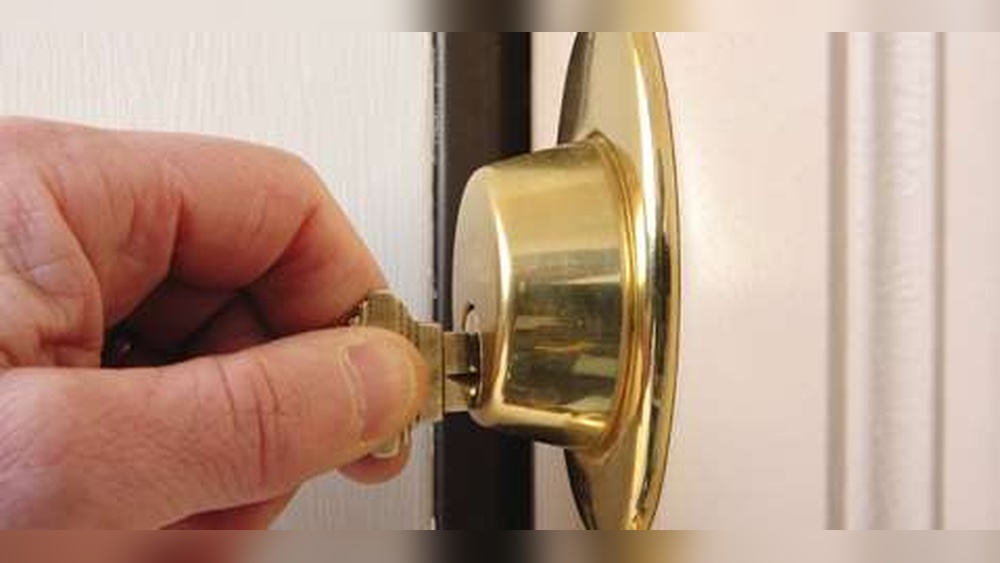
Dust and dirt can block the deadbolt mechanism. Start by spraying a lock lubricant inside the keyhole. Avoid using oil, which can attract more dirt. Insert the key and turn it several times to spread the lubricant. Wipe the lock surface with a clean cloth. This clears debris and helps the bolt move smoothly.
Realigning The Strike Plate
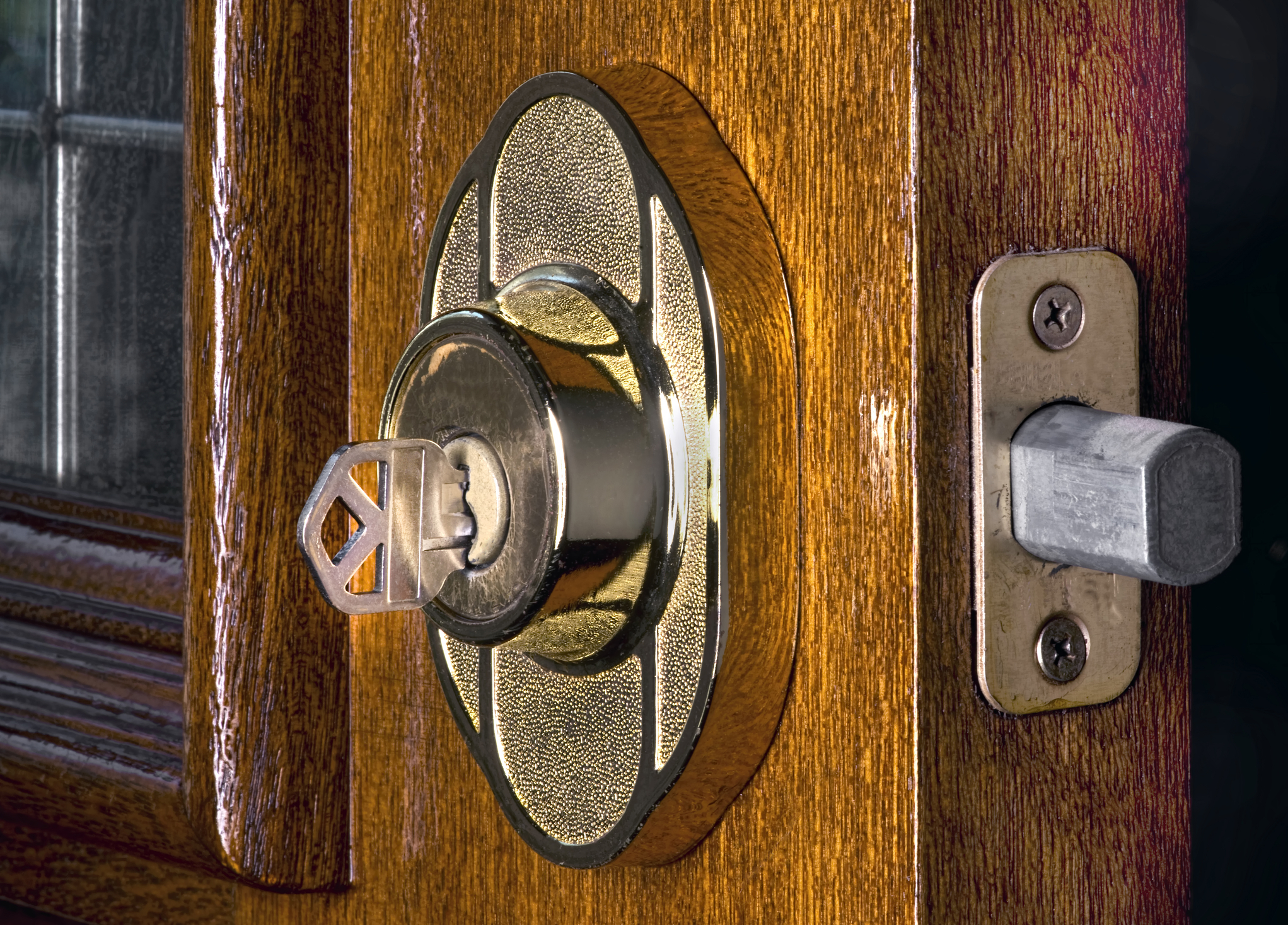
The strike plate is the metal piece on the door frame. If it is out of place, the bolt may not fit properly. Check if the bolt hits the plate or the frame. Loosen the screws and adjust the plate up, down, or sideways. Tighten the screws once the bolt slides in easily. This fix improves deadbolt alignment quickly.
Adjusting The Door Frame
Changes in weather or house settling can shift the door frame. This shift can cause deadbolt sticking. Look for gaps or tight spots around the door. Use a screwdriver to tighten loose hinges. Add weatherstripping if the door is too loose. Planing the door edge can help if it rubs against the frame. Small adjustments make a big difference.
Replacing Damaged Components
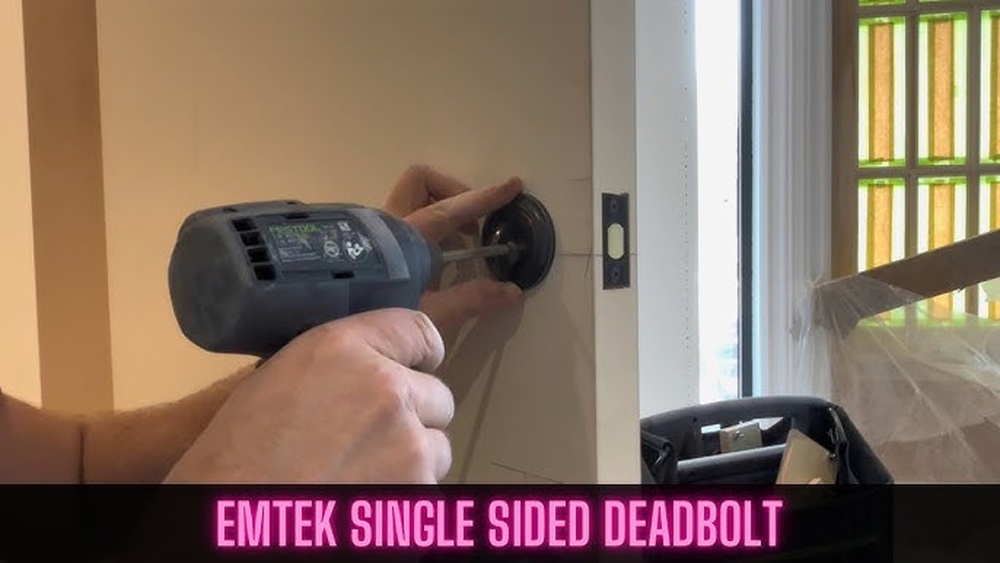
Worn or broken parts inside the deadbolt can cause problems. Check the bolt, cylinder, and screws for damage. Remove the lock with a screwdriver and inspect each part. Replace any broken or bent pieces with new ones from a hardware store. Reassemble the lock and test the deadbolt. New components restore full function and security.
Credit: hassetthardware.com
Preventing Future Deadbolt Issues
Deadbolts can stick for many reasons. Dirt, rust, or weather can cause problems. Preventing future deadbolt issues saves time and money. Simple steps help keep your lock working well for years. Follow these tips to avoid getting stuck again.
Regular Maintenance Tips
Clean your deadbolt every few months. Use a soft cloth to remove dust and dirt. Apply a small amount of lubricant to the keyhole and bolt. Avoid using oil-based lubricants. They attract more dirt. Graphite powder or silicone spray works best. Test the lock after applying lubricant. Make sure it moves smoothly.
Choosing Durable Lock Materials
Select deadbolts made from strong materials. Stainless steel and brass resist rust and wear. These last longer and stay smooth. Cheap locks often break or stick quickly. Invest in quality locks for better security and fewer problems. Check product reviews before buying to find durable options.
Weatherproofing Your Door
Moisture and temperature changes cause deadbolt issues. Use weatherstripping to seal gaps around the door. This keeps rain and cold air out. Add a door sweep at the bottom to block drafts. Keep the lock dry to prevent rust. Cover your door with a canopy or awning for extra protection.
When To Call A Professional Locksmith
Knowing when to call a professional locksmith can save time and prevent damage. Some deadbolt problems need expert help. Trying to fix serious issues alone may cause more harm. A locksmith has the right tools and skills for tough lock problems.
Signs Of Serious Lock Damage
Difficulty turning the key is a common sign. Keys that stick or break inside the lock show damage. If the deadbolt is loose or wobbly, it needs repair. Rust or corrosion on the lock parts can cause failure. Strange noises while locking or unlocking suggest internal issues.
Benefits Of Professional Repair
Professionals fix locks without causing extra damage. They can replace broken parts quickly and safely. A locksmith ensures your door locks properly after repair. Experts know how to handle all deadbolt models. Hiring a pro saves stress and effort.
Cost Considerations
Professional repair may cost more than DIY fixes. But it prevents expensive damage to the door or lock. Locksmiths offer fair prices for quality work. Sometimes replacing the lock is cheaper than fixing it. Think about long-term safety and reliability before deciding.
Credit: www.reddit.com

Credit: www.reddit.com
Frequently Asked Questions
How Do I Lubricate A Stuck Deadbolt Lock?
Use a graphite or silicone-based lubricant for deadbolts. Avoid oil-based lubricants as they attract dirt. Apply a small amount inside the keyhole and on the bolt mechanism. Insert and turn the key several times to spread the lubricant evenly.
Why Is My Deadbolt Sticking Or Hard To Turn?
Deadbolts stick due to dirt buildup, rust, or misalignment. Weather changes can cause metal expansion, affecting smooth operation. Regular cleaning and lubrication help prevent sticking. Also, check if the strike plate and bolt are properly aligned.
Can A Stuck Deadbolt Be Fixed Without A Locksmith?
Yes, minor deadbolt issues can be fixed at home. Start by cleaning the lock and lubricating it. Tighten any loose screws and realign the strike plate if needed. If problems persist, consider professional help to avoid damage.
What Tools Do I Need To Unstick A Deadbolt?
Basic tools include a screwdriver, lubricant (graphite or silicone-based), and cleaning supplies. A tension wrench or lock pick set may help in some cases. Avoid forcing the lock to prevent damage.
Conclusion
Stuck deadbolts cause daily hassle and worry. Fixing them saves time and stress. Try simple steps like cleaning or lubricating first. If that doesn’t work, check the alignment or screws. Small fixes often restore smooth lock action. Keep your door secure and easy to use.
Regular care prevents future problems. Remember, a working deadbolt means peace of mind. Take action today to keep your home safe.