If you’ve ever tried to hang something heavy on a brick wall, you know it’s not as simple as putting a nail in wood. You need the right anchors to make sure your shelves, pictures, or fixtures stay secure.
But how do you put anchors in a brick wall without cracking the bricks or ending up with a loose hold? In this guide, you’ll discover easy, step-by-step tips to get the job done right the first time. Whether you’re a beginner or just want to avoid common mistakes, this article will help you feel confident and in control of your next brick wall project.
Keep reading to learn exactly what you need to do.
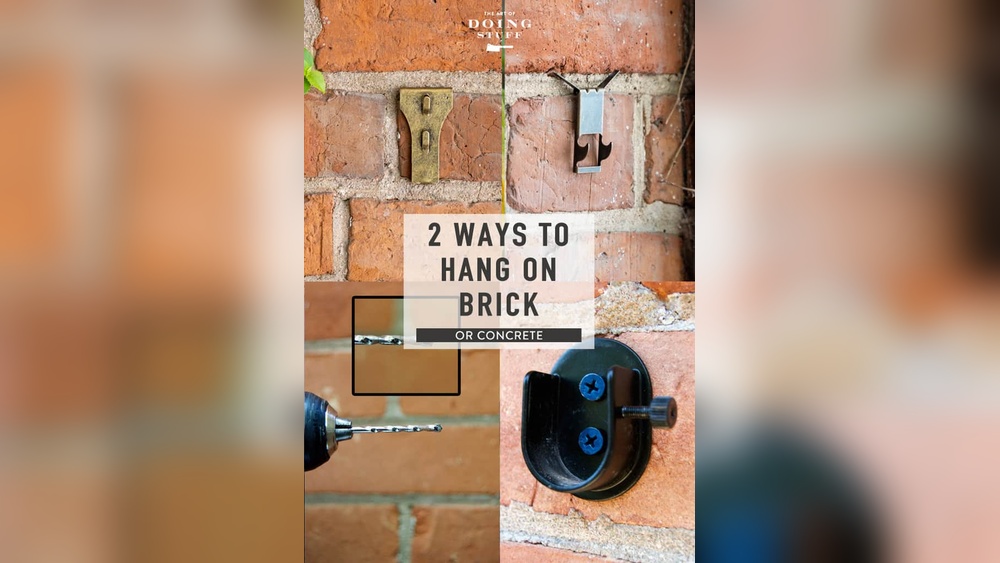
Credit: www.theartofdoingstuff.com
Choosing The Right Anchor
Choosing the right anchor for a brick wall is important for safety and durability. The anchor must fit the wall type and the weight it will hold. Picking the wrong anchor can cause damage to the wall or make the object fall. This guide helps you select the best anchor for your brick wall project.
Types Of Anchors For Brick
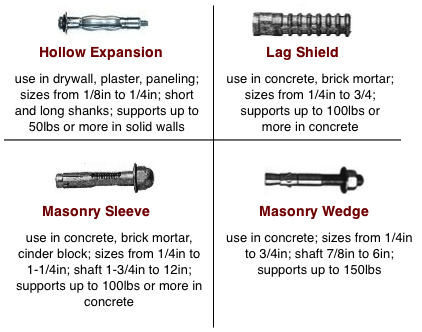
There are several anchors designed for brick walls. Expansion anchors are common and work by expanding inside the hole. Sleeve anchors are strong and good for heavy loads. Plastic anchors fit light items and are easy to use. Choose an anchor that suits your wall and what you want to hang.
Anchor Material And Size
Anchors come in different materials like steel, zinc, or plastic. Steel anchors are strong and resist rust. Plastic anchors are for light use and dry areas. Size matters. A bigger anchor holds more weight but needs a bigger hole. Match the anchor size to the screw and the hole size in the brick.
Load Capacity Considerations
Every anchor has a load limit. This is the maximum weight it can hold safely. Check the anchor’s load rating before buying. Overloading can break the anchor or damage the wall. Use heavier anchors for shelves or large objects. For small pictures, light anchors work well.
Tools And Materials Needed
Putting anchors in a brick wall needs the right tools and materials. Using correct items makes the work safe and strong. Prepare everything before starting. It saves time and avoids mistakes. Here is a list of what you need for this job.
Drill And Drill Bits
A power drill is necessary to make holes in the brick. Use a hammer drill for hard brick walls. Choose drill bits made for masonry work. The bit size must match the anchor size. Sharp drill bits make clean holes. This helps anchors fit tightly and hold well.
Anchors And Screws
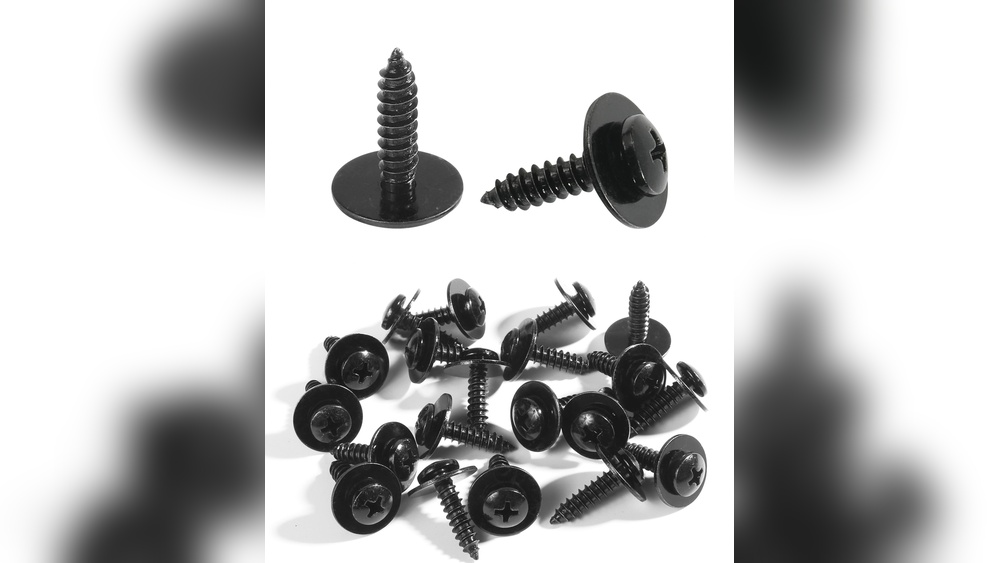
Select anchors made for brick walls. Plastic or metal anchors work well. Match the anchor size to your screws. Screws should fit the anchors snugly. Use rust-resistant screws for outdoor walls. This prevents damage from weather. Anchors must hold the weight of what you hang.
Safety Gear
Protect yourself during drilling. Wear safety goggles to shield your eyes. Use ear protection to avoid loud noise. Gloves protect hands from sharp edges. A dust mask keeps brick dust out of your lungs. Safety gear keeps the work safe and comfortable.
Preparing The Brick Wall
Preparing the brick wall is the first step before putting anchors. It ensures a strong hold and prevents damage. Proper preparation saves time and effort during installation. Follow these simple steps to get your brick wall ready.
Locating The Fixing Spot
Choose a solid brick for fixing the anchor. Avoid mortar joints, as they are weak and can crack. Pick a spot that supports the weight of the item. Check for any hidden pipes or wires before drilling.
Cleaning The Surface
Clear dust and dirt from the wall surface. Use a brush or vacuum to clean the area well. A clean surface helps the anchor grip firmly. Remove loose debris inside the drill hole too.
Marking Drill Points
Measure the exact spots for drilling holes. Use a pencil or marker to make clear marks. Double-check the spacing and alignment before drilling. Accurate marks lead to a neat and secure installation.

Credit: www.picturehangsolutions.com
Drilling Into The Brick
Drilling into brick walls requires care and the right tools. It is not the same as drilling into wood or drywall. The brick is hard and brittle. A wrong drill bit or method can cause cracks or breaks. This section explains how to drill safely and effectively.
Choosing The Right Drill Bit
Use a masonry drill bit for brick walls. These bits have a special tip made to cut through hard surfaces. Do not use a regular wood or metal bit. The size of the drill bit should match the anchor size. This ensures a snug fit and strong hold. Check the packaging of your anchors for recommended bit size.
Drilling Techniques
Start drilling slowly to create a guide hole. Use a hammer drill if possible, as it makes drilling easier. Keep the drill steady and straight. Do not push too hard; let the drill bit do the work. Drill to the depth of the anchor length. Stop frequently to clear dust from the hole using a brush or air blower.
Avoiding Brick Damage
Drill only into the solid part of the brick, not the mortar. Mortar is softer and will not hold anchors well. Avoid drilling near edges or corners of bricks to prevent cracks. Use a piece of tape on the drill bit to mark the depth. This helps avoid drilling too deep. Wear safety glasses to protect your eyes from dust and debris.
Installing The Anchor
Installing an anchor in a brick wall is a key step for a strong hold. This process ensures that whatever you hang stays safe and secure. Follow the steps carefully for the best results.
Inserting The Anchor
Start by choosing the right anchor for your wall. Place it gently into the drilled hole. Use a hammer to tap it in lightly. Push it until it fits snugly and flush with the wall surface.
Securing The Anchor
Next, insert the screw or bolt into the anchor. Turn it slowly with a screwdriver. This action expands the anchor inside the brick. Stop tightening once it feels firm and does not move.
Testing Anchor Stability
Pull lightly on the screw or bolt. It should not wobble or come loose. Check that the anchor holds tight under pressure. A stable anchor means safe support for your items.
Credit: www.do-it-yourself-help.com
Tips For Strong Fixings
Strong fixings are key to secure anchors in a brick wall. Poor fixing can cause damage or failure. Follow simple tips to ensure your anchors hold firmly and last long.
Avoiding Mortar Joints
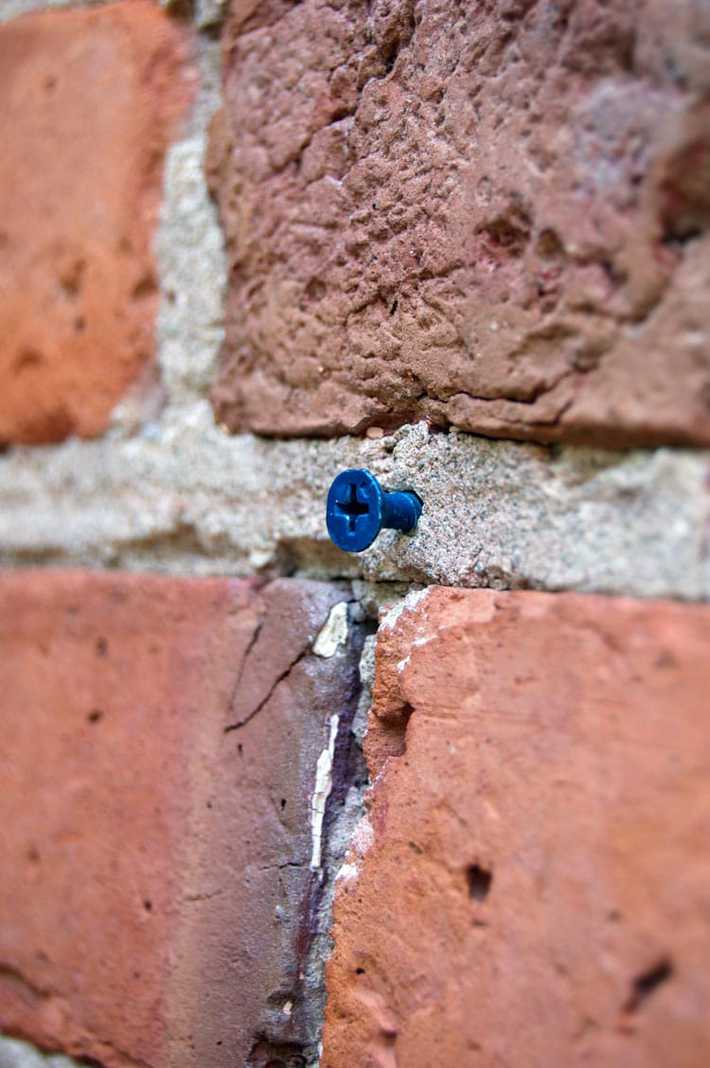
Drill into the brick, not the mortar. Mortar is weaker and breaks easily. Anchors set in bricks hold better and support more weight. Check the wall carefully before drilling. Mark spots that hit solid brick only.
Using Chemical Anchors
Chemical anchors use special glue to hold bolts or rods tightly. They work well in old or cracked bricks. Clean the hole fully before applying the glue. Insert the anchor and let it dry as per instructions. This method gives strong, lasting support.
Regular Maintenance
Check fixings regularly for signs of loosening or damage. Tighten bolts and replace worn anchors. Clean the area around fixings to stop dirt buildup. Proper care helps anchors stay safe and secure over time.
Frequently Asked Questions
What Tools Are Needed To Put Anchors In A Brick Wall?
You need a hammer drill, masonry drill bit, anchors, screws, a hammer, and a screwdriver. Safety gear like goggles and gloves is essential.
How Do I Choose The Right Anchor For Brick Walls?
Select anchors based on the wall type and load. Expansion anchors suit solid brick, while sleeve anchors work well for hollow bricks.
Can I Install Anchors Without Drilling Into Bricks?
No, drilling is necessary to create holes for anchors. Proper drilling ensures a secure fit and strong hold in the brick wall.
How Deep Should I Drill Holes For Brick Anchors?
Drill holes slightly longer than the anchor length, usually 1 to 2 inches deep, to ensure a firm anchor grip in the brick.
Conclusion
Putting anchors in a brick wall is simple with the right steps. Drill carefully and choose the right anchor type. Tighten anchors just enough to hold firmly. Avoid rushing to prevent damage to the brick. With practice, the process becomes easier and safer.
Strong anchors keep your items secure and stable. Try these tips next time you hang something heavy. A solid hold starts with good preparation and care.