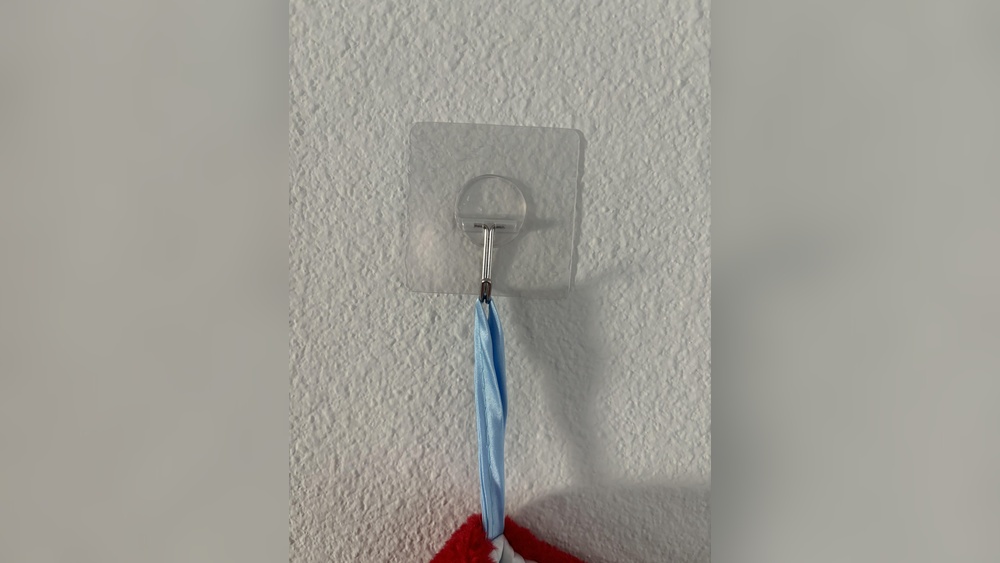
Have you ever stuck a wall sticker hook only to regret it later? Removing it can feel tricky, especially if you want to avoid damage or sticky residue.
But don’t worry—you’re about to learn simple, effective ways to get that hook off cleanly. Keep reading, and you’ll discover easy steps that save your walls and your time. Ready to make your space look fresh again? Let’s dive in!

Credit: www.reddit.com
Tools Needed
Removing a wall sticker hook requires the right tools. Having the proper items makes the task easier and prevents damage to your walls.
Some tools are found around the house. Others may need to be purchased. Knowing what to use helps you prepare before starting.
Common Household Items
Many removal jobs use simple items you already have. A hairdryer helps soften the adhesive. Warm air loosens the glue for easy peeling.
A plastic card, like a credit card, lifts the hook gently. Use it to slide under the hook’s edge. This avoids scratching the wall.
Soap and water can clean sticky residue. Mix a few drops of dish soap with warm water. Use a soft cloth to wipe the area after removal.
Specialized Removal Tools
Some hooks need stronger tools for safe removal. A putty knife or scraper works well to pry off stubborn hooks. Choose one with a plastic edge to protect paint.
Adhesive remover products dissolve sticky glue quickly. Apply a small amount and wait a few minutes. Then, wipe away the softened adhesive.
For delicate walls, a heat gun offers more control than a hairdryer. It heats the adhesive evenly without harming the surface.

Credit: www.youtube.com
Prepare The Area
Preparing the area before removing a wall sticker hook is important. It helps protect your walls and keeps the process smooth. Taking time to get ready prevents damage and makes cleanup easier.
Clear Surrounding Space
Remove furniture or items near the wall sticker hook. This creates enough room to work safely. Clear space helps you avoid accidents or scratches on your belongings. It also gives you better access to the hook.
Protect Walls And Surfaces
Cover the area around the hook with a soft cloth or painter’s tape. This shields your wall from scratches or paint damage. Use gentle materials that won’t stick too much. Protecting surfaces keeps your walls looking good after removal.
Gentle Removal Techniques
Removing wall sticker hooks needs care to protect your walls. Gentle removal techniques help avoid damage. These methods work best on painted or delicate surfaces. Patience and the right tools make the process smooth and safe.
Peeling Slowly
Start by lifting a corner of the hook gently. Pull it back slowly at a low angle. Fast pulling can peel paint or leave marks. Take your time to loosen the adhesive layer. If the hook resists, stop and try another method.
Using Heat To Soften Adhesive
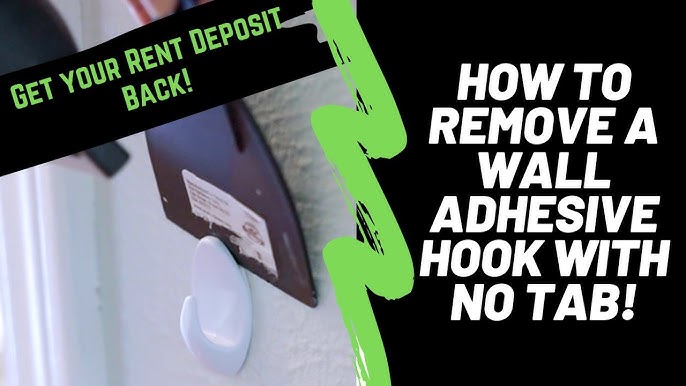
Heat softens the glue holding the hook to the wall. Use a hairdryer on low heat and warm the hook area. Keep the dryer moving to avoid overheating one spot. After a minute, try peeling the hook again. Heat makes the adhesive less sticky and easier to remove.
Credit: www.youtube.com
Alternative Removal Methods
Removing wall sticker hooks can be tricky. Some methods work better on certain surfaces than others. Alternative removal methods use common household items. These methods soften the adhesive and make removal easier. They are gentle on your walls and reduce damage risk.
Applying Oil Or Vinegar
Oil or vinegar breaks down the sticky glue on hooks. Use a soft cloth to apply a small amount. Let it sit for five to ten minutes. Then, gently pull the hook away from the wall. If needed, use a plastic scraper to help. Clean the area with warm soapy water afterward.
Using Rubbing Alcohol
Rubbing alcohol dissolves adhesive residue quickly. Dab some on a cotton ball or cloth. Rub the area around the hook gently. Wait a few minutes for the alcohol to work. Slowly peel off the hook without force. Wipe the wall clean with a damp cloth to finish.
Handling Stubborn Residue
Removing wall sticker hooks often leaves sticky residue behind. This residue can be tough to clean. It may not come off with just water or soap. Handling this stubborn residue needs patience and the right tools. Proper care prevents wall damage and keeps surfaces smooth.
Scraping Adhesive Safely
Use a plastic scraper or old credit card. Avoid metal tools; they can scratch walls. Gently slide the scraper under the residue edge. Lift slowly to peel off the sticky bits. Work in small sections to avoid damage. Stop if the wall paint starts to peel. Clean the area with a damp cloth afterward.
Using Commercial Adhesive Removers
Choose a remover made for walls and safe for paint. Test it first on a small hidden spot. Apply a small amount on the residue. Let it sit for a few minutes to soften glue. Wipe away with a soft cloth or sponge. Repeat if needed, but do not soak the wall. Rinse the area with clean water to remove residue from the remover.
Post-removal Wall Care
Removing a wall sticker hook can leave marks, residue, or small damage on your wall. Taking care of the wall after removal helps keep it clean and smooth. Proper post-removal care prepares your wall for new decorations or a fresh coat of paint.
Cleaning The Surface
Start by wiping the wall with a soft, damp cloth. Use mild soap mixed with water to remove sticky residue. Avoid harsh chemicals that may damage paint. Dry the area completely with a clean towel. This step helps reveal any hidden damage.
Repairing Minor Damage
Small holes or scratches can be fixed easily. Use spackling paste or wall filler to cover holes left by hooks. Apply with a putty knife and smooth the surface. Let it dry, then sand it lightly for a smooth finish. Paint over the repaired area to match the wall color.
Preventing Future Damage
Preventing damage to your walls is key when using wall sticker hooks. Careful choices and correct steps help keep walls clean and smooth. Small efforts now save time and money later. Protect your walls from peeling paint and holes by following smart tips.
Choosing The Right Hooks
Select hooks that fit your wall type. Plastic hooks work well on smooth surfaces. Metal hooks suit heavier items but may need anchors. Avoid hooks with strong adhesives on delicate paint. Test a small area before full use. Choose hooks labeled as removable or damage-free.
Proper Installation Tips
Clean the wall surface before attaching hooks. Use rubbing alcohol to remove dirt and oils. Let the wall dry fully for better stick. Press the hook firmly for a few seconds. Avoid placing hooks on wallpaper or textured paint. Follow the hook maker’s instructions carefully for best results.
Frequently Asked Questions
How Do I Safely Remove A Wall Sticker Hook?
To safely remove a wall sticker hook, gently peel it from the wall. Use warm soapy water or a hairdryer to soften the adhesive. Avoid harsh scraping to prevent wall damage. Remove any leftover residue with mild adhesive remover or rubbing alcohol.
What Tools Help Remove Wall Sticker Hooks Easily?
A hairdryer, plastic scraper, and adhesive remover help remove wall sticker hooks easily. The hairdryer softens the adhesive, making peeling simpler. Use a plastic scraper to avoid wall scratches. Adhesive remover cleans leftover glue without damaging paint or wallpaper.
Can Wall Sticker Hooks Damage My Paint?
Yes, wall sticker hooks can damage paint if removed harshly. To prevent damage, peel hooks slowly and soften adhesive first. Use gentle adhesive removers and avoid scraping. Test removal methods on a small hidden area for safety.
How To Remove Sticky Residue After Hook Removal?
Remove sticky residue by rubbing it with warm soapy water, rubbing alcohol, or commercial adhesive remover. Apply gently with a soft cloth to avoid wall damage. Repeat if necessary, then clean the area with a damp cloth and dry.
Conclusion
Removing wall sticker hooks does not have to be hard. Use gentle heat or oil to loosen the glue. Peel slowly to avoid damaging the wall. Clean any leftover residue with soap and water. Take your time and be patient for best results.
This simple process keeps your walls neat and ready for new decor. Try these easy steps next time you want to remove hooks safely.