If you own a Husky floor jack or are thinking about getting one, knowing how to use it safely and effectively is key. You want to lift your vehicle smoothly without any hassle or risk.
This guide will walk you through simple steps to master your Husky floor jack, so you can tackle your car maintenance with confidence. Keep reading to learn tips that will make your work easier and protect you from common mistakes.
Your next repair job is about to get a whole lot simpler.
Choosing The Right Husky Floor Jack
Choosing the right Husky floor jack is important for safe and effective use. Not all jacks work for every vehicle or task. Understanding key factors helps you pick the best option. This guide breaks down what to consider before buying a Husky floor jack.
Weight Capacity Considerations
Check the weight your jack can lift. Your vehicle’s weight must be below the jack’s limit. Using a jack with low capacity is unsafe. Always choose a jack that handles more than your vehicle’s weight. This adds a safety margin for lifting and stability.
Types Of Husky Floor Jacks
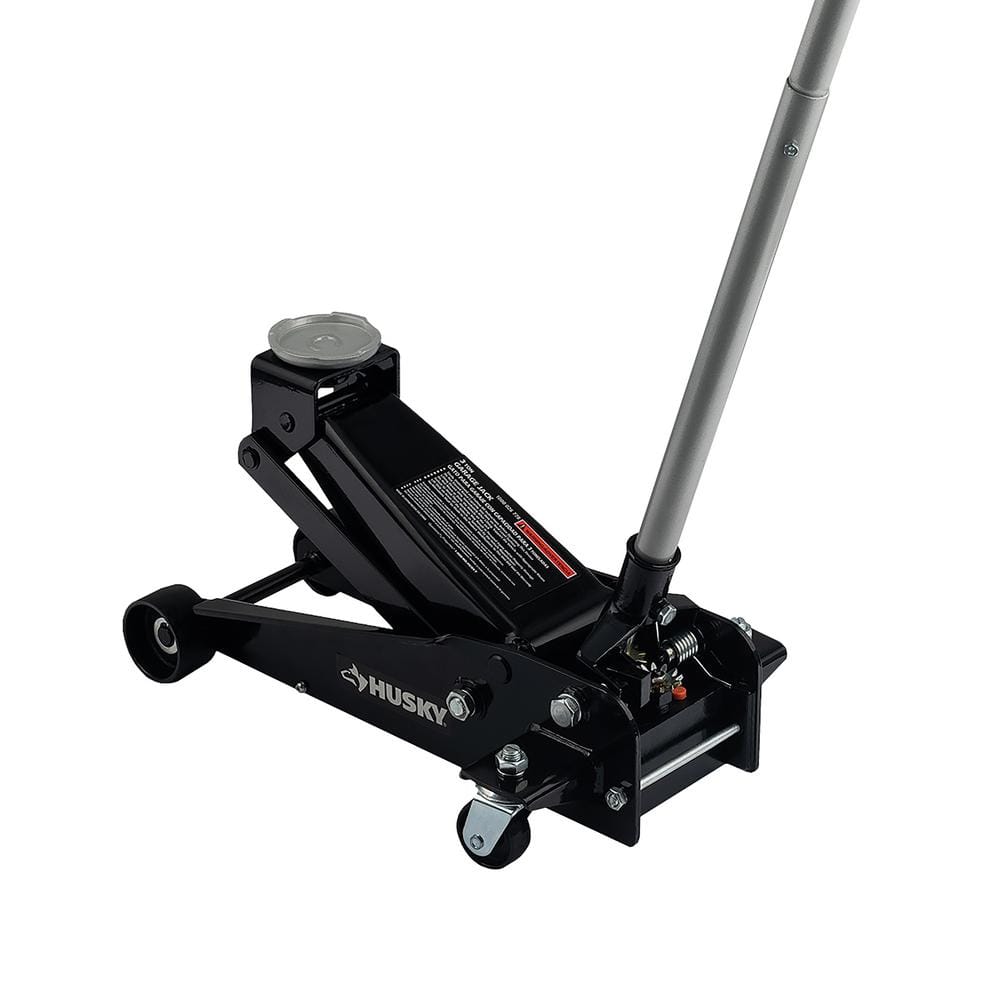
Husky offers several types of floor jacks. The most common are hydraulic and trolley jacks. Hydraulic jacks lift heavy loads easily with minimal effort. Trolley jacks have wheels and a long handle for better control. Pick a type that suits your workspace and vehicle size.
Essential Features To Look For
Look for features that improve safety and ease of use. A wide base provides better balance and stability. A long handle helps with smooth lifting. Check for a quick-lift system to save time. Also, a safety valve prevents overloading the jack. These features make the jack more reliable and user-friendly.
Credit: www.reddit.com
Preparing For Safe Lifting
Preparing for safe lifting is the first step when using a Husky floor jack. Safety cannot be ignored. Proper preparation helps prevent accidents and damage. Follow clear steps to ensure stability and safety before lifting your vehicle.
Inspecting The Floor Jack
Check the floor jack for any signs of damage. Look for cracks, leaks, or worn parts. Make sure the jack moves smoothly without resistance. Test the release valve to confirm it works properly. Only use a jack in good condition to avoid failures.
Selecting A Stable Surface
Place the floor jack on a flat, solid surface. Avoid soft ground or uneven floors. Concrete or asphalt works best. A stable surface keeps the jack steady and prevents slipping. This step is key to lifting safely.
Using Wheel Chocks And Jack Stands
Secure the vehicle with wheel chocks before lifting. Chocks stop the car from rolling. After raising the vehicle, place jack stands under strong points. Never rely on the floor jack alone to hold the car. Jack stands add extra safety and support.
Operating The Husky Floor Jack
Lowering a vehicle safely with a Husky floor jack is key to avoid accidents. This step requires care and attention. Follow these clear instructions to bring your vehicle down smoothly and securely.
Releasing The Pressure Valve
Start by locating the pressure valve on the jack. Turn it slowly to release pressure. This action lets the jack lower the vehicle gently. Avoid opening the valve quickly to prevent sudden drops.
Controlling The Descent Speed
Lower the vehicle at a steady pace. Keep your hand on the handle while turning the valve. This control stops the vehicle from falling too fast. A slow descent protects both you and your vehicle.
Removing The Jack And Checking Stability
Once the vehicle is fully lowered, remove the jack carefully. Make sure the vehicle sits firmly on the ground. Check for any wobbling or movement. A stable vehicle means you completed the job safely.
Credit: www.homedepot.com
Lowering The Vehicle Safely
Maintaining your Husky floor jack keeps it safe and working well. Regular care helps avoid problems and extends the jack’s life. Simple steps can make a big difference in performance and safety. Follow these tips to keep your floor jack in top shape.
Regular Cleaning And Lubrication
Keep the floor jack clean from dirt and dust. Wipe it down after each use with a dry cloth. Remove any grease or grime that builds up on moving parts. Use light machine oil on the joints and wheels. This reduces friction and prevents rust. Clean and lubricate regularly for smooth operation.
Checking For Leaks And Damage
Look under the jack for any oil leaks. Leaks can cause poor lifting power and damage. Inspect the hydraulic system carefully. Check for cracks, dents, or broken parts. Replace any damaged components quickly. Regular checks help find small problems early.
Proper Storage Tips
Store the floor jack in a dry place to avoid rust. Keep it on a flat surface with the handle lowered. Avoid leaving the jack in direct sunlight or rain. Cover it with a cloth or plastic sheet for extra protection. Proper storage keeps the jack ready for the next use.
Maintaining Your Husky Floor Jack
Troubleshooting common issues with your Husky floor jack helps keep it working safely. Problems can stop your jack from lifting or cause slow action. Fixing these issues early avoids damage and delays in your work.
Understanding basic problems saves time and effort. The solutions are often simple and quick.
Jack Won’t Lift
Check if the release valve is fully closed. An open valve stops the jack from lifting.
Look for air trapped inside the hydraulic system. Bleed the jack by opening the release valve slightly and pumping the handle several times.
Inspect the oil level. Low oil can cause lifting failure. Add hydraulic oil if needed.
Slow Lifting Action
Slow lifting often means dirty or old hydraulic fluid. Replace the oil to improve performance.
Lubricate all moving parts. Rust or dirt can cause slow movement.
Ensure the release valve is tightly closed. A loose valve reduces pressure and slows lifting.
Leaks And Hydraulic Problems
Look for oil leaks around seals and connections. Tighten fittings if loose.
Damaged seals cause leaks. Replace worn seals to stop fluid loss.
Use only recommended hydraulic oil. Wrong fluid can damage the system.

Credit: www.youtube.com
Frequently Asked Questions
How Do You Operate A Husky Floor Jack Safely?
To operate safely, position the jack under the vehicle’s lifting point. Pump the handle slowly to raise the vehicle. Never exceed weight limits. Use jack stands for support. Lower the jack carefully after work is done.
What Maintenance Does A Husky Floor Jack Need?
Regularly check hydraulic fluid levels and top up if needed. Inspect for leaks and clean dirt off the jack. Lubricate moving parts to ensure smooth operation. Store in a dry place to prevent rust and damage.
Can A Husky Floor Jack Lift All Vehicle Types?
Husky floor jacks are suitable for most cars, SUVs, and light trucks. Always check the jack’s weight capacity before use. For heavy-duty trucks or specialized vehicles, use a jack designed for higher loads.
Where Should I Place The Husky Floor Jack On My Car?
Locate the vehicle’s designated jack points, usually near the frame or under the rocker panels. Placing the jack incorrectly can cause damage or instability. Consult your vehicle’s manual for exact lifting points.
Conclusion
Using a Husky floor jack helps lift vehicles safely and easily. Always check the jack before use for any damage. Place it on a flat, solid surface to avoid slipping. Lift slowly and watch the vehicle’s movement closely. Lower the jack carefully after your work is done.
Following these steps keeps you safe and makes the job easier. Practice using the jack to gain confidence. A Husky floor jack is a useful tool for car maintenance. Keep it clean and store it properly to last longer. Safety first, every time.