If you use a floor jack, you know how important it is to keep it in perfect working order. One simple but crucial task is filling the oil correctly.
Doing this right can make your jack work smoothly and last much longer. But if you’re not sure how to fill oil on your floor jack, don’t worry—you’re in the right place. In this guide, you’ll learn easy, step-by-step instructions that anyone can follow.
By the end, you’ll feel confident maintaining your floor jack like a pro, saving you time, money, and frustration. Keep reading to find out how to do it the right way.

Credit: www.wikihow.com
Choosing The Right Oil
Choosing the right oil for your floor jack is important. The right oil helps the jack work smoothly and last longer. Using the wrong oil can cause damage and reduce performance. Learn about the types of oil and key specifications to pick the best one for your floor jack.
Types Of Hydraulic Oil
Hydraulic oil is the main fluid used in floor jacks. There are different types available. Mineral oil is common and works well in many jacks. Synthetic oil lasts longer and works better in extreme temperatures. Some oils have additives to prevent rust and wear. Choose the type that fits your jack’s needs and environment.
Oil Specifications To Consider
Check the oil’s viscosity. It shows how thick or thin the oil is. The right viscosity helps the jack move smoothly. Look for oils with anti-wear properties. These protect the jack’s internal parts. Also, consider the oil’s temperature range. The oil should work well in your climate. Always follow the manufacturer’s recommendations for best results.
Preparing The Floor Jack
Preparing the floor jack before filling it with oil is a key step. Proper preparation helps the jack work smoothly and last longer. This process involves safety checks and cleaning to avoid dirt and damage.
Safety Precautions
Wear gloves to protect your hands from oil and dirt. Place the jack on a flat surface to keep it steady. Keep the area well-ventilated to avoid inhaling fumes. Use safety glasses to protect your eyes from splashes. Make sure the jack is not under any load or pressure before starting.
Cleaning The Jack Before Filling
Wipe the outside of the jack with a clean cloth to remove dust and grease. Open the oil fill plug and clean the area around it to stop dirt from entering. Use a rag to clean inside the fill hole gently. Remove any old oil or debris inside the jack before adding new oil. Cleanliness prevents damage and keeps the jack working well.
Locating The Oil Fill Point
Finding the oil fill point on your floor jack is the first step to keeping it in good shape. This point allows you to add the right oil that keeps the jack working smoothly. Knowing where it is helps you avoid spills and damage.
Identifying The Fill Plug
The fill plug is usually a small, round cap on the jack’s body. It often looks like a bolt or screw. Look for a plug that stands out from other parts. It might have a label or symbol showing it’s for oil.
Check the jack’s side or top for this plug. Use a flashlight to see better if needed. The plug is not very big but should be easy to reach.
Accessing The Reservoir
The oil reservoir is under the fill plug. Remove the plug carefully using the right tool, like a wrench. Keep the plug in a safe place to avoid losing it.
Clear any dirt around the hole before adding oil. This stops dirt from going inside and harming the jack. Pour oil slowly to avoid overfilling and spills.

Credit: www.youtube.com
Draining Old Oil
Draining old oil from your floor jack is an important step. It keeps the jack working smoothly and prevents damage. Old oil can get dirty and thick. This makes the jack hard to use and can cause parts to wear out faster. Properly removing the old oil helps you add fresh oil that works better.
Proper Drainage Techniques
First, place the floor jack on a flat surface. This keeps it steady during drainage. Find the oil drain plug or screw at the base of the jack. Use a wrench to loosen the plug carefully. Let the old oil flow into a clean container. Avoid spilling oil on the floor or parts. Wait until all the old oil drains out before closing the plug. Tighten the plug securely to stop leaks.
Disposing Of Used Oil
Used oil is harmful to the environment. Do not pour it down drains or on soil. Store the oil in a sealed container. Take it to a recycling center or a hazardous waste facility. Many auto shops accept used oil for recycling. Proper disposal helps protect water and soil. It keeps your area clean and safe for everyone.
Filling The Floor Jack With Oil
Filling the floor jack with oil is a key step in keeping it working well. The oil helps the jack lift heavy loads smoothly. Without enough oil, the jack may not work properly or could get damaged. This guide explains how to add oil to your floor jack safely and correctly.
Recommended Oil Quantity
Check the floor jack manual for the exact oil amount. Most jacks need about 100 to 200 milliliters. Using too much oil can cause leaks. Too little oil means the jack won’t lift well. Use the right amount for the best performance.
Pouring The Oil Correctly
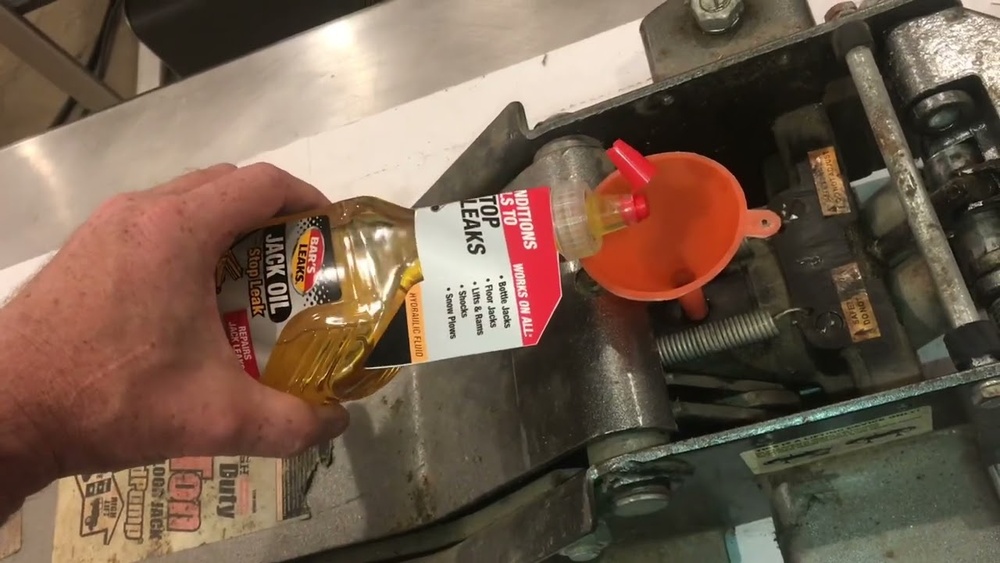
First, place the jack on a flat surface and open the oil fill plug. Use a clean funnel to avoid dirt inside. Pour the oil slowly to prevent spills. Fill until the oil reaches the proper level. Close the plug tightly after filling to avoid leaks.
Bleeding Air From The System
Bleeding air from the system is a key step when filling oil in a floor jack. It removes trapped air inside the hydraulic system. Air pockets reduce the jack’s power and smoothness. Without proper bleeding, the jack may feel weak or fail to lift properly. This process ensures the jack works safely and efficiently every time you use it.
Why Bleeding Is Important
Air inside the hydraulic system causes poor jack performance. The jack may move slowly or feel spongy. Air bubbles compress under pressure, unlike oil. This reduces the force transmitted to lift heavy loads. Bleeding removes these bubbles, restoring firm and steady lifting power. It also prevents damage to the jack’s seals and parts. A properly bled system lasts longer and stays reliable.
Steps To Remove Air Bubbles
Start by opening the release valve on the jack. Slowly pump the handle up and down several times. This action pushes air out through the valve. Keep the valve open during pumping to let air escape. Close the valve once no more bubbles appear. Check the oil level and add more if needed. Repeat the process until the jack lifts smoothly and feels firm.
Testing The Jack After Filling
Testing the jack after filling oil is a vital step. This ensures the jack works properly and safely. It helps spot any problems early, like leaks or stiff movement. Proper testing keeps the jack reliable for lifting tasks. Follow these simple checks to confirm your jack is ready for use.
Checking For Leaks
Look carefully around the oil fill area and seals. Watch for any drops or wet spots on the jack. Leaks can cause the jack to lose pressure and fail. Wipe the area clean, then check again after a few minutes. No oil should appear. Fix any leaks before using the jack further.
Ensuring Smooth Operation
Pump the handle slowly to raise the jack. The movement should feel smooth without jerks or stiffness. Lower the jack gently and observe how it descends. The jack must move easily both ways. If it feels rough or sticks, check the oil level and parts again. Smooth operation means the oil is working well inside the jack.

Credit: www.wikihow.com
Maintenance Tips For Longevity
Keeping your floor jack in good shape takes regular care. Simple steps help the tool last longer and work better. Proper maintenance prevents issues and saves money. Focus on oil checks and storage to keep your floor jack reliable.
Regular Oil Checks
Check the oil level often. Low oil reduces the jack’s lifting power. Look for dirty or thick oil and change it if needed. Use the right type of hydraulic oil. Clean oil keeps the parts moving smoothly and stops rust.
Inspect the oil fill plug and seals for leaks. Tighten or replace them if you find any damage. Keep the oil fresh by changing it once a year or after heavy use. This habit prevents damage inside the jack.
Storage Recommendations
Store the floor jack in a dry, clean place. Moisture causes rust and dirt clogs the moving parts. Keep the jack lowered when not in use. This reduces pressure on seals and oil leaks.
Avoid leaving the jack outside or in extreme temperatures. Heat and cold can damage the oil and metal parts. Cover the jack with a cloth or plastic cover to protect it from dust. Proper storage keeps your jack ready for work anytime.
Frequently Asked Questions
How Do I Know When To Fill Oil On A Floor Jack?
Check for slow lifting or leaks. Low oil affects jack performance. Regularly inspect the oil level for smooth operation.
What Type Of Oil Is Best For A Floor Jack?
Use hydraulic jack oil or SAE 10-30 motor oil. Avoid brake fluid or automatic transmission fluid. Proper oil ensures efficient jack function.
How Do I Safely Fill Oil In A Floor Jack?
Place jack on a level surface. Remove the fill plug carefully. Pour oil slowly to avoid overfilling. Replace plug securely after filling.
Can I Use Motor Oil Instead Of Hydraulic Oil?
Yes, SAE 10-30 motor oil works if hydraulic oil isn’t available. Avoid other fluids that can damage seals or reduce performance.
Conclusion
Filling oil in a floor jack keeps it working smoothly. Check the oil level often to avoid damage. Use the right oil type for best results. Always clean the area before adding oil to prevent dirt. Tighten the cap securely after filling.
Regular care extends the jack’s life and safety. Follow these steps to maintain your floor jack well. Keep your tools ready and reliable for every job. Simple actions make a big difference in performance.