Is your deadbolt feeling loose and unreliable? A shaky lock can make your home feel less secure and leave you worried every time you close the door.
But don’t panic—you can fix it yourself with just a few simple steps. In this guide, you’ll learn how to tighten your deadbolt quickly, so your door feels solid and safe again. Keep reading to regain control over your home’s security and enjoy peace of mind every time you lock up.
Credit: www.youtube.com
Identify The Cause
Before fixing a loose deadbolt, find the exact cause. This helps to avoid wasting time and effort. A loose deadbolt can result from several issues. Checking each part carefully will guide you to the right fix.
Check The Deadbolt Alignment
Look at how the deadbolt fits into the door frame. Sometimes, the bolt does not line up well with the hole in the strike plate. Misalignment can cause the bolt to wiggle or not lock tightly. Close the door slowly and watch the bolt enter the strike plate. If it hits the side or moves sideways, the alignment needs adjustment.
Inspect The Screws And Hardware
Loose or missing screws can make the deadbolt shaky. Use a screwdriver to check all screws on the lock and door handle. Tighten any that feel loose. Also, check for worn or damaged parts. Old hardware might not hold the lock firmly. Replace any broken pieces to keep the deadbolt secure.
Examine The Strike Plate
The strike plate holds the deadbolt in place on the door frame. If it is loose or cracked, the deadbolt will feel loose too. Press the strike plate and see if it moves. Tighten its screws or replace the plate if needed. Also, check the hole in the plate. It should be deep enough for the bolt to fit snugly.

Credit: www.reddit.com
Tighten Loose Screws
Tightening loose screws is a key step in fixing a loose deadbolt. Loose screws cause the lock to wobble and feel weak. Fixing this can improve your door’s security and make the deadbolt work smoothly. Start by checking all screws on the deadbolt and the strike plate. Tighten or replace them as needed. This simple fix often solves the problem quickly.
Remove And Reinsert Screws
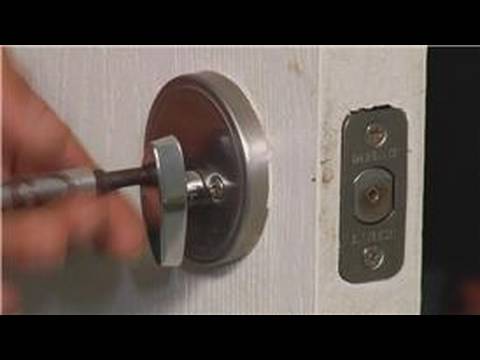
Begin by removing the screws from the deadbolt and strike plate. Use a screwdriver that fits the screw heads well. Pull the screws out carefully to avoid damage. After removal, inspect the screws for wear or damage. If they look fine, reinsert them back into their holes. Tighten the screws firmly, but do not over-tighten. Over-tightening can strip the screw holes. Proper tightening keeps the deadbolt stable and secure.
Use Longer Screws For Stability
Short screws may not hold the deadbolt tightly. Replace short screws with longer ones for better grip. Longer screws reach deeper into the door frame. This increases the deadbolt’s strength and reduces movement. Choose screws at least 3 inches long for best results. Insert them carefully to avoid splitting the wood. Longer screws add extra security to your door lock.
Adjust The Strike Plate
Adjusting the strike plate is key to fixing a loose deadbolt. The strike plate holds the bolt in place on the door frame. If it is misaligned or loose, the deadbolt will not lock securely. Small fixes here can make a big difference in door security and ease of use.
Realign The Strike Plate
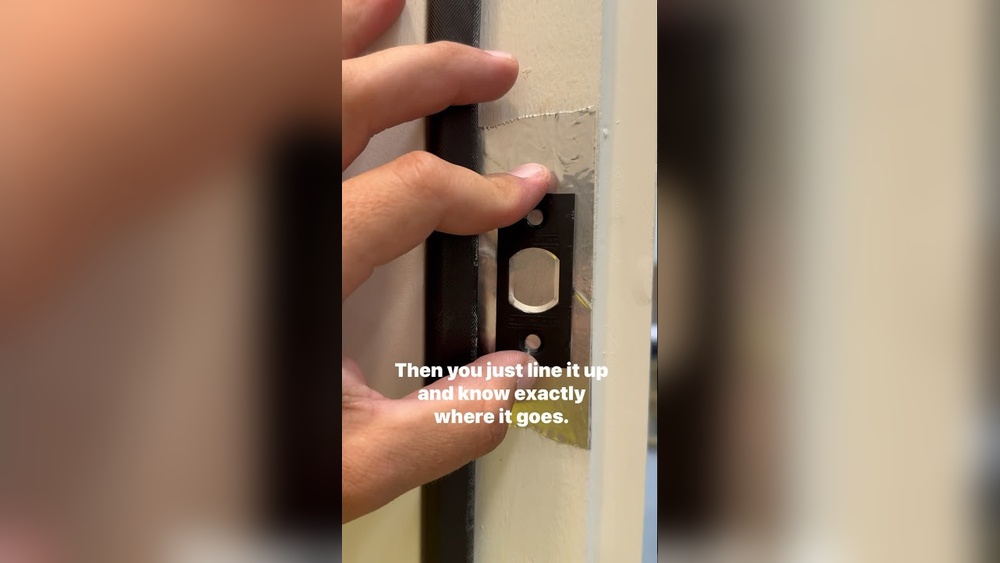
First, check if the strike plate lines up with the deadbolt. Close the door slowly. Watch where the bolt meets the plate. If the bolt hits the edge or misses the hole, the plate needs realigning.
Loosen the screws on the strike plate slightly. Move the plate up, down, left, or right until the bolt fits perfectly. Tighten the screws firmly. Test the lock by turning the deadbolt several times.
Fill And Redrill Screw Holes
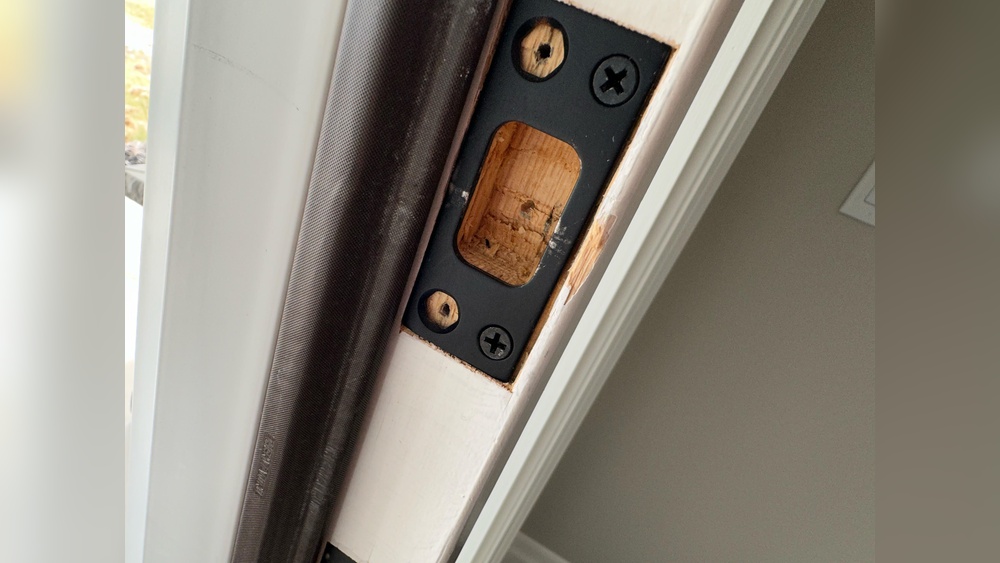
Loose screws can cause the strike plate to shift. Old holes may become too big or damaged. Fill these holes with wood filler or toothpicks coated in wood glue.
Let the filler dry completely. Then, drill new pilot holes for the screws. Use longer screws if needed for a stronger hold. Secure the strike plate tightly to keep the deadbolt firm.
Replace Worn Or Damaged Parts
Replacing worn or damaged parts is key to fixing a loose deadbolt. Over time, parts can wear out or get damaged. This causes the deadbolt to loosen and not work properly. Checking and swapping out these parts can restore your lock’s strength and security.
Focus on the main components that wear out the most. These include the deadbolt cylinder and the strike plate. Both play a big role in how tightly the deadbolt fits and functions. Replacing them is often a simple task that makes a big difference.
Swap Out The Deadbolt Cylinder
The deadbolt cylinder is where you insert the key. It can wear out from constant use. A worn cylinder causes the key to turn loosely or get stuck. To fix this, remove the old cylinder by unscrewing it from the door.
Buy a new cylinder that matches your deadbolt model. Insert it into the door and secure it with screws. Test the key to ensure it turns smoothly. A new cylinder improves the lock’s grip and prevents wobbling.
Upgrade The Strike Plate
The strike plate is the metal piece on the door frame. It catches the deadbolt when locked. A damaged or loose strike plate can cause the deadbolt to shift. Replace it by unscrewing the old plate and fitting a new one.
Choose a heavy-duty strike plate for better support. Use longer screws to anchor it deep into the door frame. This keeps the deadbolt aligned and tight. A strong strike plate enhances your door’s security and stability.
Use Diy Fixes For Minor Issues
Fixing a loose deadbolt can be simple with some easy DIY tricks. Small problems often need small solutions. You can save time and money by handling minor fixes yourself. These quick steps help tighten the lock and keep your door secure.
Apply Wood Filler To Loose Areas
Wood filler works well on worn-out screw holes. Clean the hole and fill it with wood filler. Let it dry completely before drilling new pilot holes. This makes the screws hold tight again. It stops the lock from moving or feeling loose.
Insert Toothpicks Or Matchsticks For Extra Grip
Toothpicks or matchsticks add extra grip inside screw holes. Break them to fit and dip in wood glue for better hold. Push them into the hole, then screw back the lock. This fills gaps and tightens the deadbolt firmly. A quick fix that lasts long and is easy to do.

Credit: www.reddit.com
Prevent Future Looseness
Keeping a deadbolt tight is important for home security. Loose deadbolts can make your door less safe. Prevent future looseness with simple steps. These steps help keep your lock working well and strong.
Regularly Check And Maintain Hardware
Check your deadbolt often. Look for loose screws or parts. Tighten screws with a screwdriver. Clean the lock to remove dirt and dust. Dust can cause parts to wear out faster. Regular care keeps the lock strong and working smoothly.
Choose Quality Materials
Use good quality screws and parts. Cheap materials can wear out or break easily. Metal screws last longer than plastic ones. Buy deadbolts made from strong metal. Strong materials hold tight and resist damage better. Investing in quality helps avoid future problems.
Frequently Asked Questions
How Do I Tighten A Loose Deadbolt?
To tighten a loose deadbolt, remove the screws on the interior side. Realign the lock and firmly reattach the screws. Check the strike plate and tighten those screws as well. This ensures the deadbolt operates smoothly and securely.
Why Is My Deadbolt Loose After Installation?
A deadbolt can become loose due to improper screw tightening, misaligned strike plate, or door warping. Regular use may also cause screws to loosen over time. Checking and adjusting these components helps maintain a secure lock.
Can I Fix A Loose Deadbolt Without Replacing It?
Yes, you can fix a loose deadbolt by tightening screws, adjusting the strike plate, or adding longer screws. These simple fixes improve stability without the need to replace the entire lock.
What Tools Are Needed To Fix A Loose Deadbolt?
You need a screwdriver, preferably a Phillips head, and possibly longer screws. A drill may help for stubborn screws. These tools allow you to tighten and secure the deadbolt properly.
Conclusion
Fixing a loose deadbolt helps keep your home safe. Tighten screws and check the strike plate first. Use simple tools you already have at home. Small fixes can stop big problems later. Remember to test the lock after each step.
A secure door gives peace of mind every day. Regular checks prevent future damage or break-ins. Stay safe with easy, quick deadbolt repairs.