Is your deadbolt sticking and making it hard to lock or unlock your door? It’s frustrating, and you might worry about your home’s security.
But don’t worry—fixing a sticky deadbolt is easier than you think. In this guide, you’ll learn simple steps to get your lock working smoothly again. Keep reading, and you’ll save time, avoid costly repairs, and feel confident that your door is secure.

Credit: www.youtube.com
Signs Of A Sticky Deadbolt
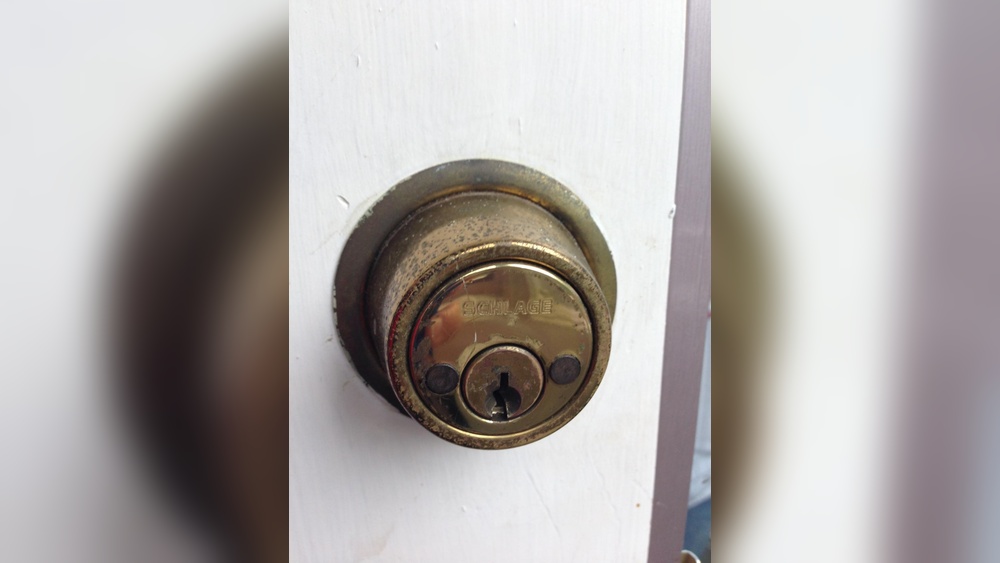
A sticky deadbolt can cause frustration and worry. It can stop your door from locking or unlocking smoothly. Knowing the signs helps you fix the problem early. Acting fast saves time and money. Here are some key signs to watch for.
Common Symptoms
The deadbolt moves slowly or feels tight. You may need extra force to turn the key. Sometimes the bolt won’t slide fully into the door frame. The key might get stuck or hard to remove. You might hear unusual sounds like grinding or clicking. These signs show the lock is not working well.
Causes Of Stickiness
Dirt and dust can build up inside the lock. This makes the parts hard to move. Rust or corrosion often forms on old locks. Cold weather can cause metal to shrink and stick. Lack of lubrication makes the bolt dry and stiff. Misalignment of the door or frame also causes problems. Knowing the cause helps to fix the deadbolt correctly.
Credit: www.expressdoorsdirect.co.uk
Tools And Materials Needed
Fixing a sticky deadbolt needs a few simple tools and materials. Having the right items ready makes the job easier and faster. This section lists everything you need to get started.
Essential Tools
- Phillips screwdriver – to remove screws on the lock
- Flathead screwdriver – helps pry off covers carefully
- Needle-nose pliers – for gripping small parts
- Cloth or rag – to clean dust and dirt
- Paper towels – for wiping excess lubricant
Recommended Lubricants
- Graphite powder – dries quickly and does not attract dirt
- Silicone spray – smooths moving parts without sticky residue
- WD-40 – loosens rust but use sparingly on locks
- Light machine oil – good for metal parts but avoid overuse
Step-by-step Fixes
Fixing a sticky deadbolt can be simple with the right steps. Each step helps make the lock work smoothly again. Follow these clear instructions carefully to solve the problem quickly.
Cleaning The Deadbolt
Start by removing dirt and dust from the deadbolt. Use a soft brush or cloth to clean the keyhole and bolt. Dirt can block the mechanism and cause sticking. Avoid using water, as it can cause rust. Cleaning clears the way for better movement inside the lock.
Lubricating The Mechanism
Next, apply a lubricant to the deadbolt parts. Use a graphite or silicone spray, not oil-based lubricants. Spray inside the keyhole and on the bolt. This reduces friction and lets the deadbolt slide smoothly. Work the key in and out to spread the lubricant evenly.
Adjusting The Strike Plate
Check if the strike plate is misaligned. It should line up perfectly with the deadbolt. If the bolt hits the plate, the lock will stick. Loosen the screws and move the plate slightly. Test the deadbolt after each adjustment. Tighten the screws once the bolt fits well inside the strike plate.

Credit: www.ifixit.com
Preventing Future Stickiness
Preventing a deadbolt from sticking again takes some simple care. Small actions help locks work smoothly. They stop problems before they start. Protect your lock with easy steps that save time and money.
Regular Maintenance Tips
Clean your deadbolt every few months. Use a soft cloth to wipe dirt and dust. Avoid water or harsh chemicals. Apply a small amount of graphite powder inside the keyhole. It helps the lock move freely without sticking.
Test your lock after cleaning. Turn the key gently to check smoothness. Fix any roughness early. Keep keys and locks free from rust. Rust can cause the lock to jam or stick.
Weatherproofing Your Lock
Protect your deadbolt from rain and snow. Use a lock cover or shield to block moisture. Water can cause rust and swelling inside the lock. This leads to sticking and difficulty turning the key.
Seal gaps around the door and lock area. Cold air and moisture damage the lock’s parts. Proper sealing keeps your lock dry and safe. Weatherproofing extends the life of your deadbolt.
When To Call A Locksmith
Knowing when to call a locksmith for a sticky deadbolt saves time and stress. Some problems need a professional touch. A locksmith has the right tools and skills to fix serious issues safely. This section helps you decide if the deadbolt needs expert help.
Signs Of Serious Damage
The deadbolt sticks even after cleaning and oiling. The key gets stuck or breaks inside the lock. The lock is loose or parts are missing. The deadbolt does not turn smoothly or jams completely. The door or frame is warped, affecting the lock. These signs mean the lock may be damaged beyond simple fixes.
Cost Considerations
DIY fixes cost little but can fail. A locksmith may charge for service and parts. Replacing a deadbolt costs more than fixing it. Repairing damage early can save money later. Locksmith fees vary by location and work needed. Spending on a professional can prevent bigger expenses.
Frequently Asked Questions
Why Is My Deadbolt Sticking When Locking?
A deadbolt sticks due to dirt buildup, rust, or misalignment. Lubricating and cleaning the lock often fixes the issue quickly.
What Lubricant Works Best For Sticky Deadbolts?
Graphite powder or silicone spray are ideal lubricants. Avoid oil-based lubricants as they attract dirt and worsen sticking.
How Do I Realign A Misaligned Deadbolt?
Loosen screws on the strike plate and adjust its position. Ensure the bolt slides smoothly into the door frame.
Can Temperature Changes Cause Deadbolt Sticking?
Yes, extreme cold or heat can cause metal expansion or contraction. This can make the deadbolt harder to turn or stick.
Conclusion
Fixing a sticky deadbolt is easier than it seems. Clean and lubricate the lock regularly. Use the right lubricant to avoid damage. Check the alignment of the door and strike plate. Tighten any loose screws to keep the lock steady.
Small steps can save you from big problems later. Keep your door secure and working smoothly. A little care goes a long way. Try these tips to make your deadbolt work like new again.