Is your deadbolt lock stuck and refusing to budge? It’s frustrating, especially when you need quick access or want to keep your home secure.
But before you call a locksmith or buy a new lock, there’s good news—you might be able to fix it yourself. You’ll discover simple, step-by-step solutions to get your deadbolt working smoothly again. Keep reading, because the fix could be easier than you think, saving you time, money, and stress.

Credit: www.youtube.com
Common Causes Of A Stuck Deadbolt
Deadbolt locks can get stuck for several reasons. Knowing common causes helps fix the problem faster. A stuck deadbolt often points to issues with parts or door alignment. Dirt or lack of lubrication also blocks smooth movement. Understanding these causes makes repair easier and prevents future trouble.
Worn Out Components
Parts inside the deadbolt wear out over time. Springs and pins may lose tension. This causes the lock to jam or stick. Old components need replacing to restore smooth action.
Misaligned Door And Frame
The door and frame must line up perfectly. Shifting or swelling wood changes this alignment. The deadbolt then hits the frame and won’t move. Adjusting the strike plate or door solves this issue.
Lack Of Lubrication
Deadbolts need regular lubrication to move easily. Dry parts cause friction and sticking. Applying a proper lubricant restores smooth turning and sliding of the bolt.
Debris And Dirt Build-up
Dust and dirt collect inside the lock over time. This debris blocks the bolt’s path. Cleaning the lock removes grime and frees the mechanism to work properly.
Tools And Materials Needed
Fixing a deadbolt lock that is stuck requires the right tools and materials. Having these ready makes the job easier and faster. This section lists everything needed to get started.
Lubricants
Lubricants help loosen stuck parts inside the lock. Use a graphite powder or a silicone spray. Avoid oil-based lubricants as they attract dust. Apply a small amount to the keyhole and moving parts.
Screwdrivers And Wrenches
Screwdrivers and wrenches help remove and adjust the lock. A Phillips and flathead screwdriver are most useful. An adjustable wrench may be needed for bolts. Choose tools that fit the screws and bolts tightly.
Cleaning Supplies
Cleaning supplies remove dirt and debris from the lock. Use a soft cloth and cotton swabs to clean small areas. Rubbing alcohol or mild soap helps remove grime. Avoid harsh chemicals that can damage the lock.
Replacement Parts
Some deadbolt locks may need new parts. Common replacements include springs, screws, and cylinders. Check the lock model to buy correct parts. Having spares on hand prevents delays in repair.
Step-by-step Fixes
Fixing a deadbolt lock that is stuck can be simple. Following clear steps helps solve the problem fast. Each step targets a common cause of the lock sticking. This guide walks through easy fixes anyone can try.
Cleaning The Lock Mechanism
Dirt and dust can block the lock. Use a soft brush to clean the keyhole. Blow air gently inside to remove debris. Avoid using water or harsh chemicals. This step clears the path for smooth lock movement.
Lubricating The Deadbolt
Lubrication reduces friction inside the lock. Use graphite powder or a silicone spray. Spray a small amount into the keyhole. Insert and turn the key several times. This spreads the lubricant evenly inside the lock.
Realigning The Door And Strike Plate
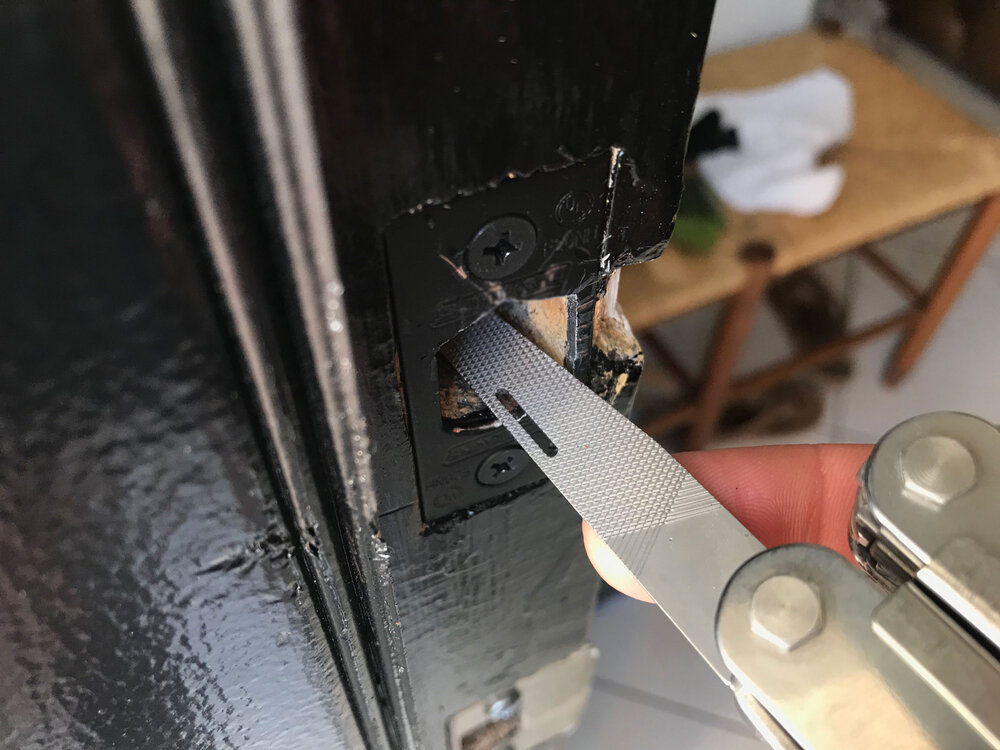
A misaligned door can cause the lock to stick. Check if the deadbolt lines up with the strike plate. Adjust the strike plate by loosening screws and moving it slightly. Close the door and test the lock again. Proper alignment lets the bolt slide smoothly.
Tightening Loose Screws
Loose screws can make the lock unstable. Inspect screws on the lock and strike plate. Use a screwdriver to tighten any loose screws. Firm screws keep the lock parts in place. This reduces sticking caused by movement.
Replacing Damaged Parts
Worn or broken parts cause the lock to jam. Look for bent bolts or cracked components. Replace damaged pieces with new ones from a hardware store. Use the correct tools to remove old parts safely. New parts restore the lock’s proper function.
Credit: www.theprolock.com
Preventing Future Lock Issues
Keeping your deadbolt lock working well stops many problems before they start. Small steps help locks last longer and work smoothly. This saves time and money on repairs later.
Regular Maintenance Tips
Clean the lock with a soft cloth to remove dust and dirt. Use graphite powder or a silicone-based spray to lubricate the lock parts. Avoid oil-based lubricants; they attract dirt. Check screws and tighten if loose. Test the lock monthly to catch issues early.
Choosing Quality Locks
Pick deadbolt locks made from strong materials like solid metal. Look for locks with good reviews and security ratings. Cheap locks may break or jam easily. Invest in a trusted brand for better durability and safety.
Seasonal Adjustments
Changes in weather affect lock performance. Cold weather can cause metal parts to shrink and stick. Warm weather can expand parts, making the lock tight. Adjust and lubricate the lock at the start of each season. This helps keep the lock working no matter the weather.
When To Call A Locksmith
Knowing when to call a locksmith is important if your deadbolt lock is stuck. Trying to fix it yourself can sometimes cause more harm. A locksmith has the right tools and skills to solve the problem safely. This section helps you decide the right time to get professional help.
Signs Of Irreparable Damage
Some problems are too big to fix at home. Rust inside the lock can make it stop working. Broken or bent parts inside show the lock is damaged. If the key won’t turn at all, the lock may be beyond repair. In these cases, calling a locksmith is best.
Emergency Situations
Being locked out can be stressful and unsafe. If you are stuck outside your home, a locksmith can help fast. Locks damaged after a break-in also need quick repair. Locksmiths can open the door without damaging it more. They keep you safe in urgent moments.
Cost Considerations
Sometimes fixing a lock yourself can cost more. Damaging the lock or door may mean higher repair bills. A locksmith can fix the problem right the first time. They save money by avoiding extra damage and repeated attempts. Professional help can be a smart choice for your budget.
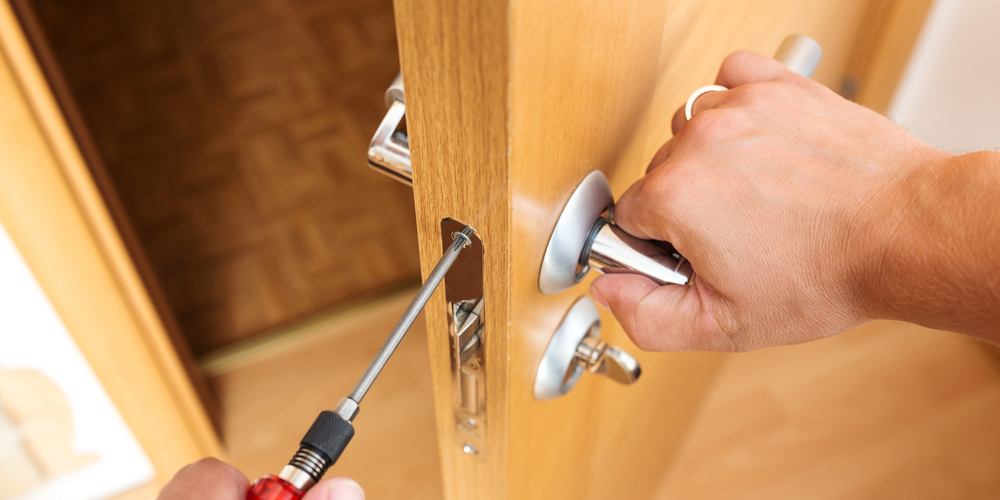
Credit: unitedlocksmith.net
Frequently Asked Questions
Why Is My Deadbolt Lock Stuck And Won’t Turn?
A deadbolt lock can get stuck due to dirt buildup, rust, or misalignment. Cold weather can also cause the lock to freeze. Lubricating the lock and checking alignment often fixes the issue.
How Do I Lubricate A Deadbolt Lock Properly?
Use a graphite powder or silicone-based lubricant. Avoid oil-based lubricants as they attract dirt. Apply a small amount into the keyhole and turn the key several times to spread it evenly.
Can A Stuck Deadbolt Lock Be Fixed Without A Locksmith?
Yes, many stuck deadbolts can be fixed by cleaning, lubricating, or realigning the lock. However, complex problems or broken parts may require professional help.
What Tools Do I Need To Fix A Stuck Deadbolt?
You’ll need lubricant, a screwdriver, and sometimes WD-40 or graphite powder. A hammer and pliers may help with stubborn misalignments. Always work gently to avoid damage.
Conclusion
Fixing a stuck deadbolt lock can save time and money. Start with simple steps like cleaning and lubricating the lock. Check for any visible damage or misalignment. Use the right tools to avoid making the problem worse. If the lock still won’t turn, replacing it might be the best choice.
Keep your home secure by maintaining locks regularly. Small actions prevent bigger problems later. Now you can handle a stuck deadbolt with confidence and care.