Have you ever tried to hang something on your wall, only to realize you need to remove those stubborn plastic anchors first? Removing plastic anchors can feel tricky and frustrating, especially if you want to avoid damaging your walls.
But don’t worry—you’re about to discover simple, effective ways to get those anchors out quickly and safely. Keep reading, and you’ll learn step-by-step methods that make this common home task much easier than you thought. Your walls will thank you!
Tools Needed
Removing plastic anchors from the wall requires the right tools. Using proper tools makes the job easier and protects your wall from damage. You can use common household items or specialized removal tools. Both types work well depending on the situation and the anchor type.
Common Household Tools
Many plastic anchors can be removed with simple tools found at home. A pair of needle-nose pliers helps to grip and pull the anchor gently. A flathead screwdriver can pry the anchor out carefully. A hammer may tap the screwdriver under the anchor’s lip to loosen it. Sometimes, a utility knife helps to cut around the anchor for easier removal.
Specialized Removal Tools
For tougher anchors, specialized tools make removal smoother. An anchor removal tool is designed to grab and pull anchors without wall damage. A wall anchor extractor has a hook or claw to catch the anchor’s edge firmly. These tools reduce effort and prevent holes from getting larger. They are available online or at hardware stores.

Credit: www.youtube.com
Preparation Steps
Removing plastic anchors from a wall needs some careful preparation. It helps prevent damage and makes the process easier. Follow these simple steps before you start pulling out the anchors.
Clear The Area
Move any furniture or objects near the wall. This gives you space to work comfortably. Clear the floor to avoid tripping or knocking things over. A clean area keeps you safe and focused.
Protect The Wall Surface
Use painter’s tape around the anchor. This protects the paint and wall from scratches. Cover the floor with a drop cloth or old sheet. It catches debris or dust from the removal process. Taking these steps keeps your wall looking good.
Pulling Out Plastic Anchors
Removing plastic anchors from a wall can be tricky. These anchors hold tight to the drywall or plaster. Pulling them out carefully prevents damage to your wall. There are simple tools and steps to make this easier. Two common methods are using pliers and levering with a screwdriver.
Using Pliers
Grab the anchor firmly with a pair of pliers. Grip close to the wall surface. Pull straight out with steady force. Avoid twisting to stop the anchor from breaking. If the anchor resists, try pulling slowly. Sometimes rocking it gently helps loosen the anchor. Keep the pull steady to protect the wall.
Levering With A Screwdriver
Place a flat-head screwdriver under the edge of the anchor. Use the screwdriver as a lever. Push down on the handle to lift the anchor out. Work slowly to avoid wall damage. Move the screwdriver around the anchor’s edge if it won’t come out easily. This method helps when the anchor is flush with the wall.

Credit: www.wikihow.com
Pushing Anchors Through The Wall
Pushing plastic anchors through the wall is a simple way to remove them. This method works best when pulling might damage the wall or when the anchor is stuck inside. It lets you clear the hole quickly and cleanly. Use gentle force to avoid breaking the wall surface.
When To Push Instead Of Pull
Push anchors when they do not come out easily. Pulling can enlarge the hole or tear the wall. Soft drywall or thin plaster is fragile and can break with pulling. If the anchor spins or slips, pushing is better. Also, use pushing for small anchors that fit through the hole.
Techniques For Safe Pushing
Use a screwdriver or a similar tool to push the anchor. Place it in the center of the anchor tip. Push slowly and evenly to avoid cracking the wall. Support the wall around the hole with your hand. Stop if you feel strong resistance to prevent damage.
Drilling Out Anchors
Drilling out plastic anchors is a quick way to remove them from walls. This method works well when anchors are stuck or flush with the wall surface. Drilling helps to break the anchor apart for easy removal. It also avoids damage to the wall around the anchor. Using the right tools and technique matters a lot. Below is a guide to help you drill out anchors safely and smoothly.
Choosing The Right Drill Bit
Select a drill bit slightly larger than the anchor’s diameter. This ensures the drill bit cuts through the plastic cleanly. A twist drill bit made of high-speed steel works best for this job. Avoid using very large bits to prevent wall damage. Start with a small bit if unsure, then increase size as needed. Make sure the drill bit is sharp and in good condition. A dull bit can slip or cause rough holes.
Step-by-step Drilling Process
First, set your drill to low speed for better control. Hold the drill firmly and position the bit at the center of the anchor. Drill straight into the anchor, applying steady pressure. Do not push too hard to avoid cracking the wall. Drill until the anchor breaks or spins freely. Stop and remove any loose pieces with pliers. Finally, smooth the hole with sandpaper or a patch if needed. Your wall is now ready for new anchors or repairs.
Filling And Repairing Holes
After removing plastic anchors from the wall, holes remain. These holes need filling and repair to restore the wall’s smooth surface. Proper repair makes walls look neat and ready for painting or decoration.
Filling and repairing holes is a simple process. It requires the right materials and careful work. Small holes can disappear completely with the right filler and technique. This section explains how to select the best filler and prepare the wall for painting.
Selecting The Right Filler
Choose a filler that matches the wall type and hole size. For small holes, use spackling paste or lightweight wall filler. These dry quickly and are easy to sand. Larger holes may need patching compounds or joint compound for strength.
Consider the drying time. Quick-dry fillers save time and allow faster repairs. Some fillers shrink less and need fewer layers. Read the product label to pick the best one for your job.
Sanding And Painting Tips
After the filler dries, sand the area smooth using fine-grit sandpaper. Sand lightly in circles to blend the patch with the wall. Avoid sanding too hard to prevent damage.
Clean dust from sanding before painting. Use a damp cloth or vacuum. Choose paint that matches the wall color for a seamless look. Apply thin coats and let each layer dry. This creates a clean, professional finish.
Preventing Wall Damage
Removing plastic anchors can easily damage your wall. Avoiding damage means using the right techniques. Careful steps protect your wall’s surface and structure. This keeps your walls looking good for a long time.
Gentle Removal Practices
Start by loosening the anchor slowly. Use a screwdriver to turn it gently. Pull the anchor out with steady force. Avoid pulling too hard or fast. This prevents holes from getting bigger. If the anchor is stuck, push it in slightly. This can help break the grip without damage. Always work with patience and care.
Using Alternative Anchors
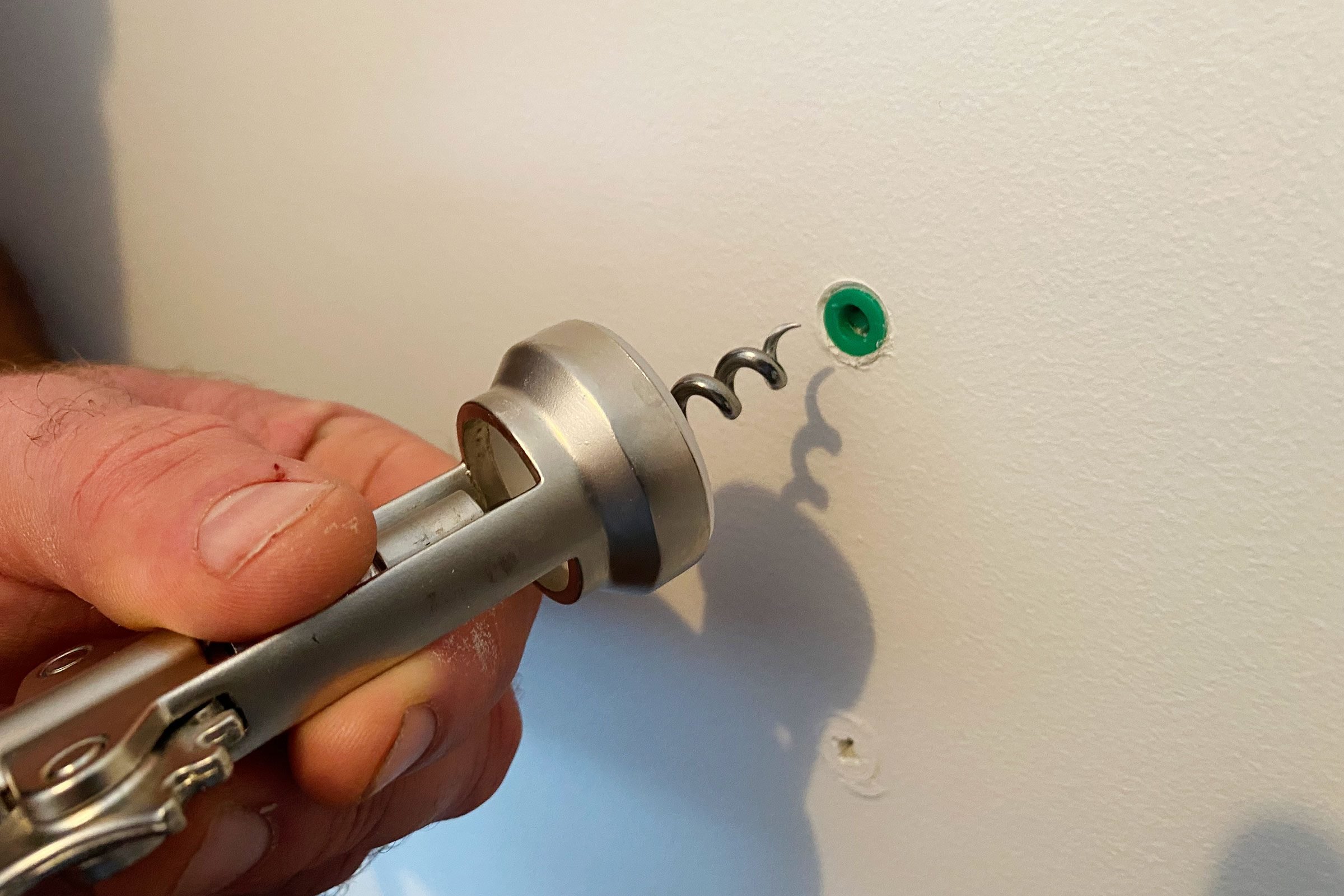
Choose anchors that are easier to remove next time. Plastic anchors can expand and stick tightly. Consider using wall hooks or adhesive strips. These leave little to no marks. They hold light objects well. For heavier items, use metal anchors with screw threads. These come out more smoothly and cause less damage. Pick anchors based on what you need to hang.
Credit: www.familyhandyman.com
Frequently Asked Questions
How Do You Safely Remove Plastic Anchors From Walls?
To remove plastic anchors safely, first unscrew any attached screws. Then, gently pull the anchor out with pliers. If it resists, push it inward and patch the hole afterward. This prevents wall damage and makes removal easier.
What Tools Are Best For Removing Plastic Wall Anchors?
Use needle-nose pliers or a flat-head screwdriver to remove plastic anchors. Pliers help grip and pull anchors out. A screwdriver can gently pry anchors from the wall. These tools reduce damage and simplify the removal process.
Can You Reuse Plastic Anchors After Removal?
Plastic anchors usually cannot be reused after removal. They often deform or lose grip strength when pulled out. It’s better to replace them with new anchors for a secure hold during rehanging.
How To Fix Wall Holes After Anchor Removal?
Fill holes with spackle or wall filler after anchor removal. Apply with a putty knife, let it dry, then sand smooth. Finally, repaint the area for a clean finish and restored wall surface.
Conclusion
Removing plastic anchors from the wall is simple with the right steps. Start by loosening the anchor carefully to avoid damage. Use tools like pliers or a screwdriver to pull it out gently. Take your time and work slowly for best results.
This method keeps your wall safe and ready for new fixtures. Practice patience, and soon the anchors will come out clean. You can fix holes afterward with some putty or paint. Keeping walls neat is easy with these tips. Try them next time you remove plastic anchors.