Have you ever wondered how multiple light switches control the same light? It might seem like magic when you flip a switch at one end of the room and the light changes, then do the same at the other end.
Understanding how these switches work can save you time, money, and frustration—especially if you ever need to fix or upgrade your home lighting. You’ll discover the simple secrets behind multiple light switches and how they keep your lights working smoothly no matter where you flip the switch.
Keep reading, and you’ll see just how easy it is to grasp this everyday electrical trick.
Basic Light Switch Types
Understanding basic light switch types helps explain how multiple switches control one light. Each switch type has a unique role in the wiring system. Knowing these types makes home lighting easier to manage and fix.
Single-pole Switch
A single-pole switch controls one light from one place. It has two terminals and a simple on/off function. This switch is the most common and easiest to install. It works by breaking or completing the electrical circuit.
Three-way Switch
A three-way switch controls one light from two different places. You need two three-way switches for this setup. It has three terminals and lets you turn the light on or off from either switch. This switch is useful in hallways or large rooms.
Four-way Switch
A four-way switch works between two three-way switches. It allows control of one light from three or more places. This switch has four terminals and connects the two three-way switches. It is common in long hallways or big rooms with many entrances.
Credit: socketstore.co.uk
Wiring For Multiple Switches
Wiring multiple light switches allows control of one light from different places. This setup is common in long hallways or large rooms. Understanding the wiring helps in troubleshooting and installation.
Several wires work together to make these switches function correctly. Each wire has a special role in the circuit. Knowing these roles makes the wiring clearer and safer.
Traveler Wires
Traveler wires connect multiple switches in the circuit. They carry current between switches. Usually, there are two traveler wires in a multi-switch setup. These wires let you turn the light on or off from any switch.
Common Terminals
The common terminal is the switch’s main connection point. It links to either the power source or the light fixture. This terminal helps direct power through the traveler wires. Identifying the common terminal is crucial for correct wiring.
Neutral Wire Role
The neutral wire completes the electrical circuit. It carries current back to the electrical panel. In many multi-switch setups, the neutral wire runs through the switch box. It ensures the circuit is safe and functional.
How Three-way Switches Operate
Multiple light switches control one light from different places. Three-way switches work by sending power through different paths. Flipping any switch changes the light’s state, on or off.
Switch Positions And Circuit Paths
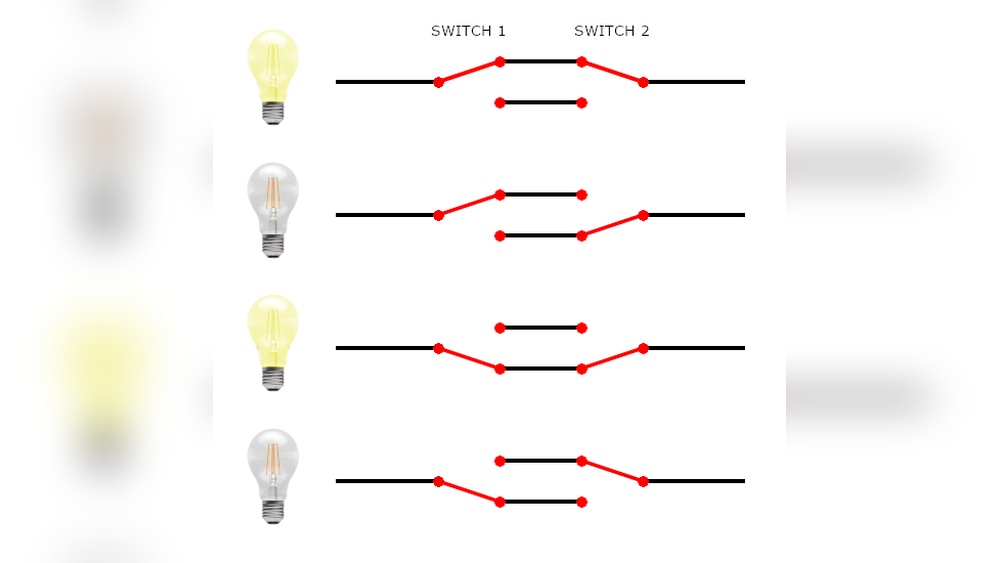
Three-way switches control a light from two places. Each switch has three terminals. Two are called travelers, and one is common. The switches connect through traveler wires. The position of each switch changes the circuit path. When both switches connect the same traveler, electricity flows. This turns the light on. If the switches connect different travelers, the circuit breaks. The light stays off. Changing either switch flips the circuit path. This simple design lets you control one light from two spots.Controlling One Light From Two Locations
A three-way switch setup lets two switches control one light. This is useful for hallways or large rooms. You can turn the light on at one switch. Then turn it off at the other. No need to walk back to the first switch. The switches work together by switching the electrical path. Each switch changes the connection between traveler wires. This changes whether electricity flows to the light. The system is easy to use and saves effort. It adds convenience to everyday lighting control.Adding Four-way Switches
Adding four-way switches allows control of a single light from more than two locations. This setup is common in large rooms, long hallways, or staircases. It provides convenience and flexibility by letting you turn the light on or off from several spots.
Intermediate Switching
Four-way switches act as intermediate switches. They sit between two three-way switches in the circuit. These switches change the path of electricity to the light. Flipping any switch changes the circuit’s state. This lets you control the light from multiple points easily.
Multiple Control Points
You can add as many four-way switches as needed. Each switch adds another control point. This setup works well for large spaces or long corridors. It keeps the lighting control simple and effective. No need to walk back to one spot to turn off lights.
Common Installation Configurations
Multiple light switches often control one or more lights from different locations. This setup helps in managing lighting more efficiently in various spaces. Understanding common installation configurations can clarify how these switches work together. Below are two popular ways to install multiple switches for better control.
Staircase Lighting
Staircases usually have switches at both the top and bottom. This allows turning lights on or off from either end. The switches are called three-way switches. They connect in a way that lets you control the same light from two points. This setup is safe and very convenient for stair use.
Hallway And Large Room Controls
Long hallways or large rooms often need more than two switches. They use a combination of three-way and four-way switches. Four-way switches go between two three-way switches. This lets you control lights from three or more places. It helps cover wide areas with easy access to light control.

Credit: matthews.sites.wfu.edu
Troubleshooting Multi-switch Systems
Troubleshooting multi-switch systems can be confusing. These systems let you control one light from several switches. Problems often arise from wiring or faulty switches. Fixing these issues requires careful checking. Understanding the basics helps to find the problem fast.
Identifying Wiring Issues
Start by turning off power at the breaker. Remove switch covers and check wiring connections. Look for loose wires or damaged insulation. Use a voltage tester to ensure no power flows. Compare the wiring with the switch diagram. Wrong connections often cause switches to fail. Tighten any loose screws holding wires. Replace any wires with visible damage. Proper wiring is key to switch function.
Testing Switch Functionality
Use a multimeter to test each switch. Set the meter to measure continuity. Press the switch and watch for a change. No change means the switch may be broken. Test all switches in the system this way. Replace any faulty switches immediately. Always double-check after replacing parts. Proper switch operation ensures the whole system works well.
Modern Alternatives To Traditional Switches
Modern alternatives to traditional light switches offer more control and convenience. These new options fit well in smart homes. They make managing lights easier and more flexible. Technology has changed how we interact with lighting in homes and offices.
Smart Switches
Smart switches connect to your Wi-Fi network. They let you control lights using a smartphone app. You can turn lights on or off from anywhere. Some models also work with voice assistants. Scheduling lights to turn on or off is easy. Smart switches often save energy by using timers and sensors. They replace regular switches without major rewiring.
Wireless Controls
Wireless controls include remote switches and wall-mounted panels. These do not need wires between switches. They use radio signals to communicate with lights. You can place wireless switches anywhere in the room. This option is great for rooms with multiple entrances. Wireless controls are simple to install and move. They add flexibility to traditional lighting setups.
Credit: www.reddit.com
Frequently Asked Questions
How Do Multiple Light Switches Control One Light?
Multiple light switches use special wiring to control one light. They connect through travelers, allowing any switch to turn the light on or off independently.
What Wiring Is Needed For Multiple Light Switches?
Multiple switches require three-way or four-way wiring. This setup uses traveler wires and common terminals to link switches controlling the same light fixture.
Can Multiple Switches Be Installed In Any Order?
Yes, multiple switches can be installed in any order. The key is proper wiring connections between switches and the light fixture.
Why Do Multiple Switches Sometimes Cause Flickering Lights?
Flickering occurs due to loose connections or incompatible switches. Ensure all wiring is secure and switches match the circuit type to prevent flickering.
Conclusion
Multiple light switches control one or more lights from different spots. They use simple wiring to connect switches and lights. This setup adds convenience and safety to your home. Understanding how these switches work helps with repairs and upgrades. Now, turning lights on or off feels natural and easy.
Next time you see multiple switches, you’ll know what’s inside. Simple, useful, and smart—this system fits many homes well.