Have you ever stopped to think about what happens when you flip a light switch? It seems simple—just a click, and the room lights up or goes dark.
But behind that small switch is a fascinating process that controls the flow of electricity in your home. Understanding how light switches work can help you feel more confident when handling electrical issues or even upgrading your lighting. Keep reading, and you’ll discover the secrets behind this everyday gadget that you use without a second thought.

Credit: www.youtube.com
Types Of Light Switches
Light switches control electrical circuits to turn lights on or off. Different types suit various needs and styles. Each switch type offers unique features and functions.
Choosing the right switch affects convenience and energy use. Understanding common types helps in making better decisions for home or office lighting.
Toggle Switches
Toggle switches are the classic light switches. They have a small lever that moves up or down. Up usually means on, down means off. These switches are simple and easy to use. They fit most homes and are very common.
Rocker Switches
Rocker switches have a flat, wide button. Pressing one side turns the light on, the other side off. They look modern and are easy to press. Rocker switches often blend well with wall decor. They are popular in new buildings and renovations.
Dimmer Switches
Dimmer switches adjust light brightness. They have a slider or dial to control light levels. Dimmers save energy and create mood lighting. They work with many types of bulbs. These switches add comfort and style to rooms.
Smart Switches
Smart switches connect to Wi-Fi or Bluetooth. They allow control from phones or voice assistants. Smart switches offer scheduling and remote control. They help save energy and increase convenience. These switches fit modern, tech-friendly homes.
Basic Electrical Circuit
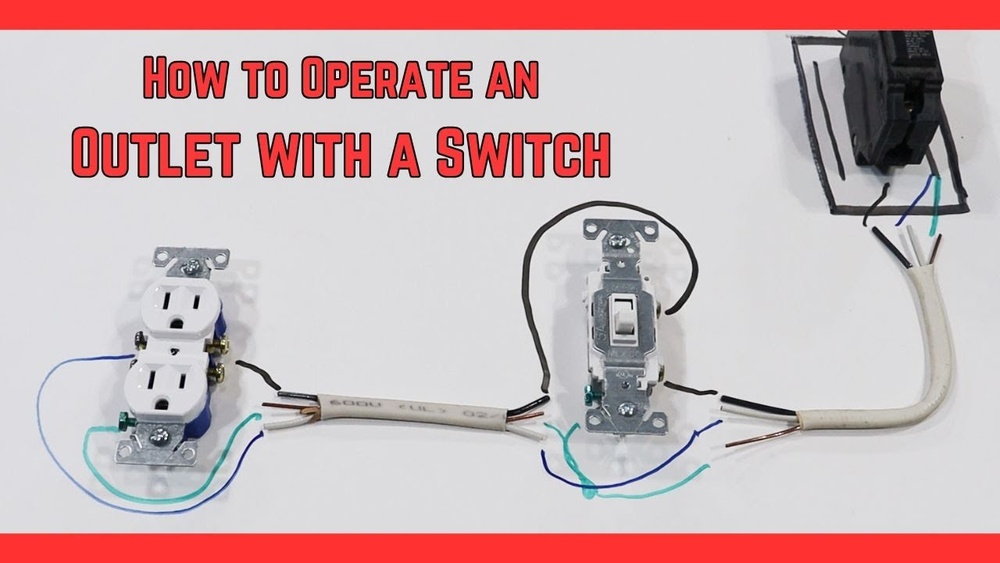
A basic electrical circuit is a simple path that electricity follows. It allows electric current to flow from a power source to a device and back. Understanding this circuit helps explain how light switches work. The circuit has a few key parts that work together to control the flow of electricity.
Knowing these parts makes it easier to see what happens inside a light switch. It also shows why a switch can turn a light on or off. Let’s explore the main parts of a basic electrical circuit.
Power Source And Wiring
The power source gives electricity to the circuit. Usually, this is the electrical panel in your home. It sends electric current through wires to devices like light bulbs. The wires carry electricity safely and connect all parts of the circuit.
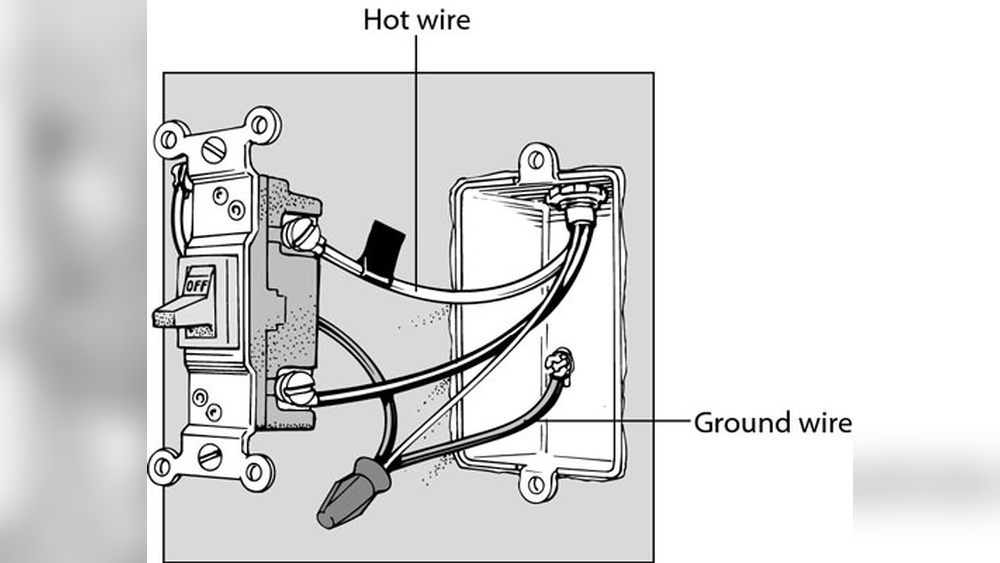
There are two main wires: the hot wire and the neutral wire. The hot wire carries electricity to the device. The neutral wire completes the path back to the power source. This loop allows electricity to flow continuously.
Role Of The Switch In A Circuit
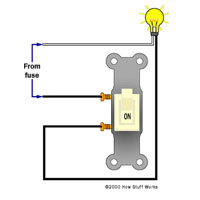
The switch controls the flow of electricity in the circuit. It acts like a gate that opens or closes the path. When the switch is on, the circuit closes. Electricity flows to the light bulb, and the light turns on.
When the switch is off, the circuit opens. This stops the electricity from reaching the light. The bulb goes off because the flow of electricity stops. The switch makes it easy to control the light without touching the wires.
Mechanism Inside A Switch
The mechanism inside a light switch controls the flow of electricity. It makes or breaks the connection between wires. This simple action turns lights on or off. Understanding this helps you see how switches work in your home.
Contacts And Springs
Inside the switch, small metal contacts touch each other to allow electricity. Springs push these contacts apart or hold them together. When the switch flips, the springs move the contacts. This action either connects or disconnects the electrical circuit.
How The Flip Connects Circuits
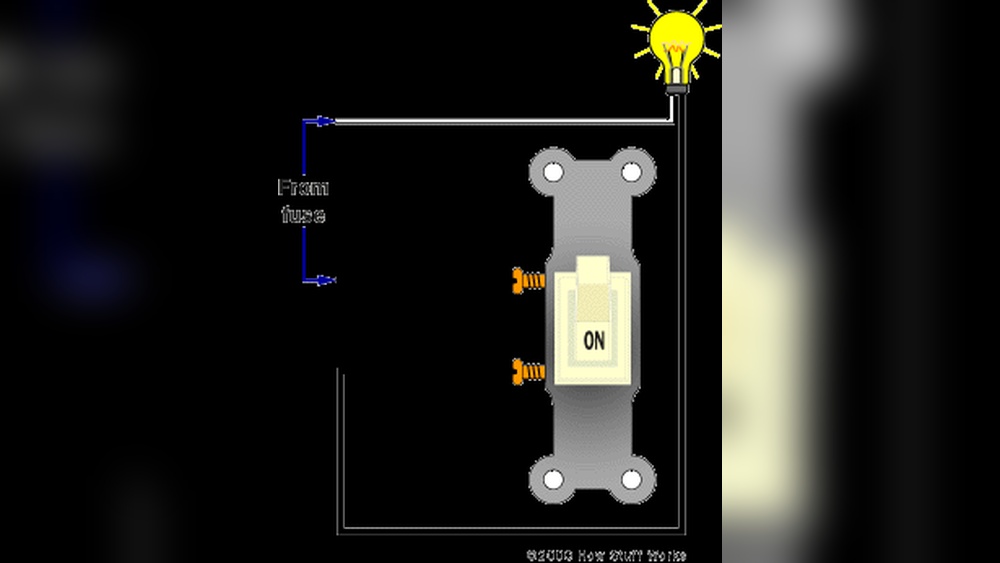
The flip lever moves a metal piece inside the switch. This piece connects the contacts when flipped to the “on” position. It breaks the connection when flipped to the “off” position. This simple movement controls the flow of electricity to your light.
Credit: home.howstuffworks.com
Single-pole Vs. Multi-way Switches
Light switches control the flow of electricity to a light fixture. They come in different types, mainly single-pole and multi-way switches. Each type works differently and suits different needs. Understanding their differences helps you use them correctly in your home.
Single-pole Switch Functionality
A single-pole switch controls one light or set of lights from one location. It has two terminals and a simple on/off function. Flipping the switch either completes or breaks the electrical circuit. This switch is the most common type found in homes. It is easy to install and operate.
Three-way And Four-way Switches
Multi-way switches control a light from two or more locations. A three-way switch has three terminals and works with another three-way switch. Together, they allow turning a light on or off from two spots. A four-way switch has four terminals and works between two three-way switches. It lets you control a light from three or more places. These switches are useful in hallways or large rooms.
Safety Features In Light Switches
Safety in light switches is very important. These devices control electricity, which can be dangerous without proper design. Manufacturers add safety features to protect users from shocks, fires, and other risks. These features also help keep homes safe, especially where children live.
Insulation And Materials
Light switches use special materials to block electricity. Plastic parts cover metal components to stop accidental contact. The insulation prevents electric shocks during use. High-quality plastics also resist heat, reducing fire risk. These materials ensure the switch stays safe even after many uses.
Childproof And Tamper-resistant Designs
Many switches have extra safety for homes with children. Childproof covers stop little fingers from touching wires. Tamper-resistant switches need more force to open or remove parts. This design helps avoid accidents and keeps electricity inside the switch. These features protect kids and pets from harm.
Troubleshooting Common Issues
Troubleshooting common issues with light switches is important. It helps keep your home safe and your lights working well. Simple problems often cause switches to stop working or flicker. Knowing how to fix these issues saves time and money. This guide covers common problems and easy solutions.
Switch Not Working
Check if the power is off before touching the switch. Sometimes the circuit breaker trips and cuts power. Reset the breaker if needed. If power is on, the switch may be faulty. Test the switch with a voltage tester for safety. Replace the switch if it does not work.
Flickering Lights
Flickering lights can mean loose wiring or a bad bulb. Turn off the switch and tighten the bulb. If flickering continues, check the switch wiring. Loose connections cause flickers and can be dangerous. Call a professional if you do not feel safe fixing wiring.
Switch Replacement Tips
Turn off power at the breaker before replacing a switch. Remove the switch cover carefully. Note the wires connected to the old switch. Use a screwdriver to disconnect wires. Connect wires to the new switch in the same way. Tighten screws firmly but do not over-tighten. Test the new switch after restoring power.
Innovations And Future Trends
Light switches have evolved beyond simple on and off functions. New technologies bring smarter, more efficient options. These innovations improve convenience and save energy. The future holds exciting changes in how we control lighting.
Smart Home Integration
Smart light switches connect to home networks and apps. You can control lights with your phone or voice commands. They work with smart assistants like Alexa or Google Home. Scheduling lights to turn on or off is easy. This adds comfort and security to daily life.
Energy-saving Technologies
Modern switches use sensors to detect room occupancy. Lights turn off automatically when no one is present. Dimming features adjust brightness to save power. Some switches monitor energy use and report data. These features help reduce electricity bills and protect the environment.
:max_bytes(150000):strip_icc()/how-light-switches-work-2175162-2-V1-c86fba8610b14f178ad09d7ef8d3184c.jpg)
Credit: www.thespruce.com
Frequently Asked Questions
How Does A Basic Light Switch Work?
A basic light switch controls the electrical circuit by connecting or disconnecting wires. It allows current to flow to the light bulb when turned on, and stops the flow when off, enabling easy control of lighting.
What Are The Common Types Of Light Switches?
Common light switches include toggle, rocker, push-button, and dimmer switches. Each type offers different control styles and functions, such as simple on/off or adjustable light intensity for user convenience.
Can Light Switches Be Installed Without An Electrician?
Yes, installing a light switch can be done by homeowners with basic electrical knowledge. However, safety precautions and power shut-off are essential to avoid electric shock or wiring errors during installation.
Why Do Some Light Switches Make A Clicking Sound?
The clicking sound occurs when the internal mechanism moves to open or close the circuit. It indicates the switch is functioning properly by physically connecting or disconnecting the electrical flow.
Conclusion
Light switches control the flow of electricity to lights. They work by opening and closing a circuit. When the switch is on, electricity flows and lights turn on. When off, the circuit breaks and lights go out. Knowing this helps you understand basic home wiring.
It also makes fixing simple problems easier. Light switches may seem small but play an important role. Next time you flip a switch, remember how it works. Small things often have big jobs. Understanding these basics keeps you safe and informed.