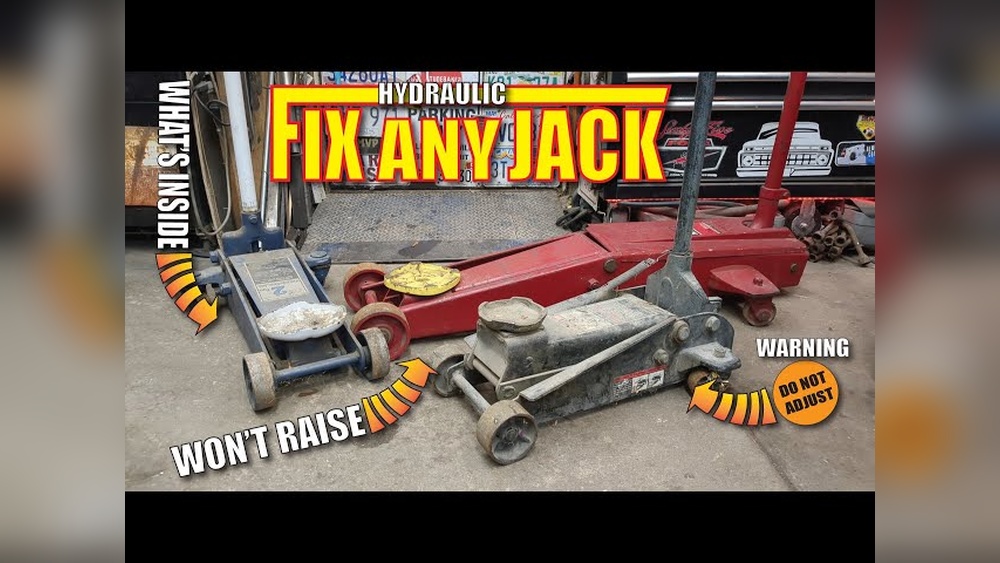
Is your floor jack not working as smoothly as it used to? You don’t have to rush out and buy a new one just yet.
Reconditioning your floor jack can save you money and extend its life, making your repairs easier and safer. In this guide, you’ll discover simple, step-by-step tips that anyone can follow to bring your floor jack back to peak performance. Keep reading, and you’ll learn how to get your jack lifting strong and steady again—without spending a fortune or needing special tools.
Tools And Materials Needed
Before starting to recondition a floor jack, gather all necessary tools and materials. Having everything ready saves time and makes the process smooth. This list includes basic hand tools and special supplies for cleaning and repair.
Basic Hand Tools
Wrenches, screwdrivers, and pliers are essential. Use these to open the jack and remove parts. A socket set helps with bolts of different sizes. A hammer may be needed to loosen stuck parts.
Cleaning Supplies
Clean the jack thoroughly to check for damage. Use degreaser to remove old oil and dirt. A wire brush helps remove rust. Clean rags or paper towels are useful for wiping parts.
Replacement Parts And Fluids
Floor jack oil or hydraulic fluid is necessary for smooth operation. Replacement seals and O-rings fix leaks. Keep spare bolts and washers handy in case of damage. These parts ensure the jack works like new.
Safety Gear
Wear gloves to protect your hands from dirt and chemicals. Safety goggles shield your eyes from splashes. Use a clean workspace with good lighting to avoid accidents.
Safety Precautions
Safety is the top priority when reconditioning a floor jack. Taking proper precautions protects you and others from injury. It also helps avoid damage to the jack or nearby objects.
Before starting, understand the risks and prepare your workspace. Use the right tools and follow safety steps closely. This section covers key safety tips to keep the job safe and smooth.
Wear Protective Gear
Always wear safety glasses to protect your eyes from dirt and debris. Use gloves to avoid cuts and skin irritation. Closed-toe shoes protect your feet from heavy parts or tools.
Work On A Stable Surface
Place the floor jack on a flat, hard surface. Avoid working on uneven or slippery floors. A stable base prevents the jack from tipping over during repairs.
Release Pressure Before Disassembly
Make sure to lower the jack completely before taking it apart. This releases built-up pressure inside the hydraulic system. It stops sudden oil spills or parts from flying out.
Keep Area Clean And Organized
Clear your workspace of unnecessary items to avoid tripping hazards. Organize tools and parts in a safe place. A tidy area reduces accidents and helps you work faster.
Follow Manufacturer Instructions
Read the jack’s manual carefully before starting. Follow the recommended steps and warnings. Manufacturer guidance ensures you handle the jack correctly and safely.
Initial Inspection
Before starting to fix a floor jack, you must do an initial inspection. This step helps you find any problems early. It ensures your repairs are safe and effective. Taking time to inspect saves effort later. You learn what parts need attention or replacement.
Check For Leaks
Look closely for any oil leaks around the jack. Oil leaks show that seals might be broken or worn out. Use a clean cloth to wipe areas and see if oil appears. Leaks reduce the jack’s power and can cause failure. Fixing leaks early keeps the jack working well.
Assess Structural Damage
Examine the jack’s body and frame carefully. Look for cracks, bends, or broken parts. Structural damage weakens the jack and risks accidents. Check the wheels and handle for any damage too. Damaged parts should be repaired or replaced before use.
Test Hydraulic Function
Press the handle and watch how the jack lifts and lowers. It should move smoothly without jerking or slipping. If the jack doesn’t hold weight or moves slowly, the hydraulic system may have issues. Testing this function helps identify if the jack needs fluid changes or part replacements.
Cleaning The Floor Jack
Cleaning the floor jack is a key step in reconditioning it. Dirt and grease can block its parts. This makes the jack less safe and harder to use. Proper cleaning keeps the jack working well for a long time.
Remove Dirt And Debris
Start by wiping off loose dirt and dust. Use a dry cloth or soft brush. Clear out debris stuck in small spaces. Pay close attention to moving parts and joints. Remove old grease with a mild cleaner. Avoid soaking the jack in water.
Clean Hydraulic Components
Hydraulic parts need gentle care. Use a clean cloth to wipe the cylinder and piston. Check for oil leaks or rust spots. Remove any dirt around seals carefully. Use hydraulic fluid to clean inside if needed. Do not use harsh chemicals on these parts.
Replacing Hydraulic Fluid
Replacing the hydraulic fluid is a key step in reconditioning a floor jack. Old fluid can lose its strength and cause the jack to work poorly. Fresh fluid helps the jack lift smoothly and safely. This process involves three main steps: draining the old fluid, refilling with new fluid, and bleeding air from the system.
Drain Old Fluid
Start by placing the jack on a flat surface. Open the release valve to lower the jack completely. Locate the hydraulic fluid reservoir. Use a wrench to open the drain plug or remove the reservoir cap. Let the old fluid flow out into a container. Dispose of the used fluid properly. Cleaning the reservoir with a cloth removes dirt and debris.
Refill With New Fluid
Choose the correct hydraulic fluid for your floor jack. Pour the new fluid slowly into the reservoir. Fill it up to the recommended level mark. Avoid overfilling as it can cause leaks or damage. Tighten the reservoir cap securely. Wipe any spills to keep the jack clean and safe.
Bleed Air From System
Air trapped inside the hydraulic system reduces jack performance. Open the release valve slightly. Pump the handle up and down several times. This action pushes air bubbles out. Watch for fluid leaks during this step. Close the release valve once air stops escaping. Repeat pumping to ensure smooth lifting action.

Credit: us.amazon.com
Lubricating Moving Parts
Lubricating the moving parts of a floor jack keeps it working smoothly. Regular lubrication reduces friction and wear. This step helps the jack lift heavy loads safely and lasts longer.
Identify Key Components
Start by finding all parts that move or slide. Look at the wheels, hinges, and lifting arm. Check the release valve and pump piston too. These parts need grease or oil to work well.
Apply Appropriate Lubricants
Choose the right lubricant for each part. Use grease on wheels and hinges to prevent rust. Apply light oil on the pump piston for smooth action. Avoid over-lubricating to keep dirt away. Wipe off extra lubricant after applying.
Checking And Replacing Seals
Checking and replacing seals is key in reconditioning a floor jack. Seals stop oil leaks and keep pressure inside. Worn seals cause poor performance and oil loss. Regular checks extend the jack’s life and safety.
Locate Worn Seals
First, clean the jack to see all parts clearly. Look for cracks, tears, or hard spots on seals. Check around the pump, cylinder, and release valve. Oil stains or drips near seals often show damage. Use a flashlight to see inside small spaces. Mark seals that look old or broken for replacement.
Install New Seals
Buy seals made for your floor jack model. Remove old seals carefully without damaging the housing. Clean the area before placing new seals. Lightly oil the new seals to help them fit. Press seals evenly to avoid gaps or twists. Test the jack after sealing to check for leaks. Proper seal installation keeps the jack working well and safe.

Credit: www.reddit.com
Testing The Reconditioned Jack
Testing the reconditioned floor jack is important to ensure it works safely and well. This step confirms that all repairs and maintenance were successful. It helps avoid accidents and damage during use. The process involves checking the jack’s strength and smoothness. Proper testing gives confidence before using the jack for lifting tasks.
Perform Load Test
Start by placing the jack under a heavy object within its weight limit. Slowly pump the jack handle to lift the load. Watch for any unusual noises or movements. The jack should lift steadily without slipping or dropping. Hold the load lifted for a minute to check stability. Lower the load carefully and observe the jack’s response. A well-reconditioned jack supports the weight safely and holds it without any issues.
Check For Smooth Operation
Operate the handle several times without a load. The movement should feel smooth and easy. No jerks or stiffness should appear during pumping. The release valve must turn easily to lower the jack. Inspect for any leaks or unusual sounds. Smooth operation means the internal parts are clean and properly lubricated. This ensures the jack will work reliably in everyday use.
Maintenance Tips For Longevity
Maintaining a floor jack properly helps it last longer and work better. Regular care stops small problems from becoming big. It keeps the jack safe to use. Follow these simple tips to keep your floor jack in top shape.
Regular Inspections
Check your floor jack before every use. Look for leaks, cracks, or broken parts. Make sure the wheels roll smoothly. Test the lifting arm for smooth movement. Tighten any loose bolts. Catching issues early saves money and effort.
Proper Storage Practices
Store the floor jack in a dry, clean place. Avoid wet or dusty areas that can cause rust. Lower the jack fully before storing it. Keep it off the ground on a pallet or shelf. Cover it with a cloth or plastic to protect from dirt. Proper storage stops damage and keeps it ready to use.
Credit: www.youtube.com
Frequently Asked Questions
How Often Should I Recondition A Floor Jack?
Recondition your floor jack annually or when it shows signs of wear. Regular maintenance ensures safe and efficient operation. Inspect seals, oil levels, and moving parts frequently to prevent damage. Timely reconditioning extends the jack’s lifespan and maintains its lifting capacity.
What Tools Are Needed To Recondition A Floor Jack?
You need basic tools like wrenches, screwdrivers, hydraulic oil, cleaning solvents, and replacement seals. A jack stand and gloves are also helpful for safety. Having the right tools makes the reconditioning process smoother and more effective.
Can I Recondition A Floor Jack Myself Safely?
Yes, with proper knowledge and safety precautions, you can recondition a floor jack at home. Follow manufacturer instructions, wear protective gear, and work in a clean area. If unsure, consult a professional to avoid injury or damage.
What Are Common Signs A Floor Jack Needs Reconditioning?
Look for oil leaks, slow lifting, unusual noises, or difficulty holding weight. These signs indicate hydraulic or mechanical issues. Addressing these early prevents further damage and ensures reliable jack performance.
Conclusion
Reconditioning a floor jack keeps it working safely and well. Regular care helps avoid costly repairs and accidents. Follow the steps carefully to clean and fix parts. Check oil levels and replace worn components as needed. Taking time to maintain your jack saves money in the long run.
A well-kept floor jack lasts longer and lifts smoothly. Keep your tools ready for any job around the garage or home. Simple actions make a big difference in performance and safety.