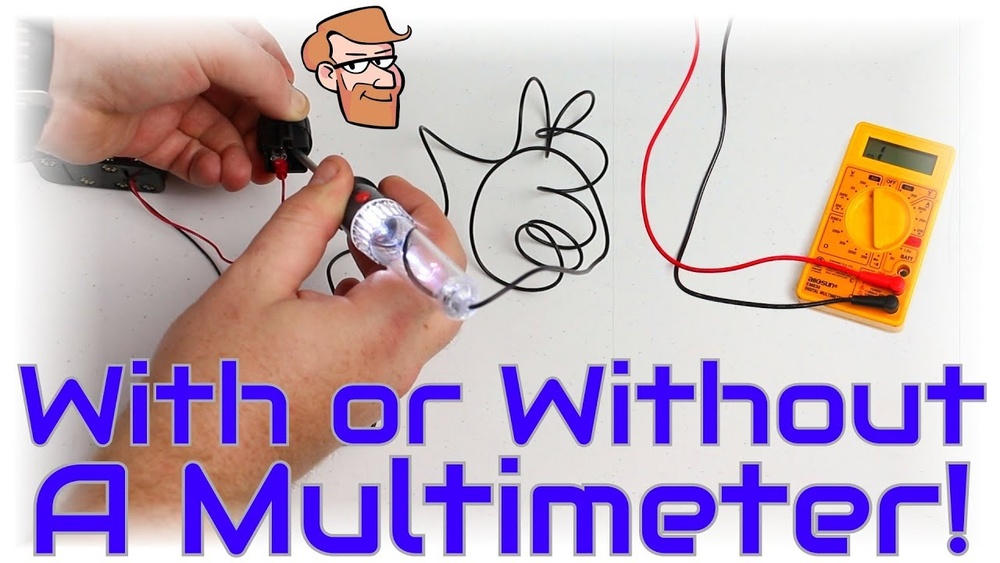
Are you worried that your brake lights might not be working properly? Knowing how to test your brake light switch with a multimeter can save you time and money before heading to a mechanic.
This simple skill puts control back in your hands and helps keep you safe on the road. You’ll learn easy step-by-step instructions to check your brake light switch quickly and accurately. Keep reading, and you’ll never feel unsure about your brake lights again.
Tools Needed
Testing a brake light switch with a multimeter requires a few basic tools. These tools help you check the electrical signals safely and accurately. Having the right equipment makes the process easier and faster.
Multimeter
A multimeter is the main tool for this test. It measures voltage, resistance, and continuity. Choose a digital multimeter for clear readings. Make sure it has a continuity test function.
Screwdriver
A screwdriver helps remove panels or covers to reach the brake light switch. Use a Phillips or flathead screwdriver, depending on your vehicle. Keep it handy for quick access.
Vehicle Manual
The vehicle manual shows the exact location of the brake light switch. It also provides wiring diagrams. This guide helps you identify the correct wires for testing.
Gloves
Wear gloves to protect your hands from dirt and sharp edges. Gloves also help avoid electric shocks. Choose comfortable gloves that allow easy movement.
Flashlight
A flashlight improves visibility in tight or dark spaces. It helps you see the brake light switch clearly. Use a small, bright flashlight for convenience.
Locate The Brake Light Switch
Locating the brake light switch is the first step in testing it with a multimeter. This switch controls the brake lights, turning them on when you press the brake pedal. Knowing its exact position helps you test the switch accurately and safely.
The brake light switch usually sits near the brake pedal. It is a small device attached to the pedal assembly. Finding it can be simple if you know where to look.
Check Under The Dashboard
Start by looking under the dashboard on the driver’s side. The brake light switch is often mounted on the brake pedal arm. It might be hidden behind panels or wires, so look carefully.
Look Near The Brake Pedal
The switch connects directly to the brake pedal. It usually has a small plunger that presses when you push the pedal. Spotting this plunger helps confirm you found the right switch.
Identify The Electrical Connector
The brake light switch has an electrical connector with wires. These wires carry the signal to the brake lights. Finding this connector makes testing easier with your multimeter.
Use The Vehicle Manual
The vehicle’s manual shows the exact location of the brake light switch. It gives diagrams and pictures for quick identification. The manual is a useful guide, especially for new drivers.
Set Up The Multimeter
Setting up the multimeter correctly is the first step to test a brake light switch. This ensures you get accurate results and avoid damage to the device. Follow these steps carefully to prepare your multimeter for testing.
Choose The Right Multimeter Mode
Turn the multimeter dial to the continuity or resistance mode. Continuity mode beeps when the circuit is complete. Resistance mode measures the resistance between two points.
Connect The Test Leads Properly
Insert the black lead into the common (COM) port. Place the red lead into the port marked for voltage, resistance, or continuity. This setup is standard for most tests.
Check The Multimeter Function
Touch the test leads together. The multimeter should beep or show zero resistance. This confirms the device works correctly before testing the brake light switch.
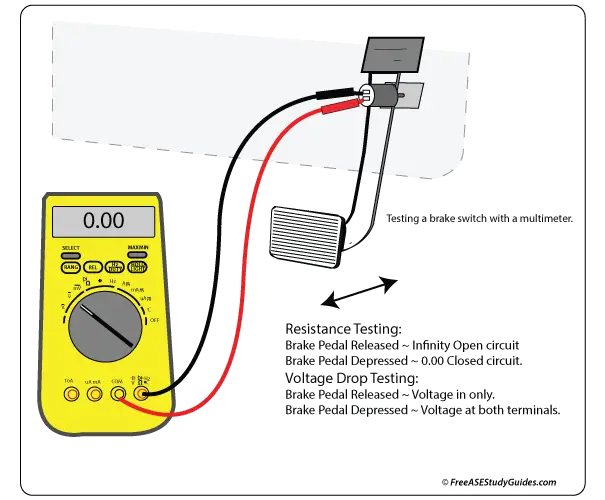
Credit: www.freeasestudyguides.com
Test For Continuity
Testing for continuity is a key step to check if your brake light switch works properly. Continuity means the electrical path is complete and current can flow. A multimeter helps to see if the switch opens and closes the circuit as it should.
This test shows if the switch contacts are good or damaged. It prevents brake light problems that can cause safety issues. Follow simple steps to check continuity with your multimeter.
Check Switch In Rest Position
First, set your multimeter to the continuity mode. This mode usually beeps when the circuit is complete. Connect the multimeter probes to the brake light switch terminals. Make sure the brake pedal is not pressed.
In this rest position, the switch should be open. The multimeter should show no beep or infinite resistance. This means no electrical path exists when the brake is not pressed. If you hear a beep, the switch may be stuck or faulty.
Check Switch When Pressed
Next, press the brake pedal to activate the switch. Keep the multimeter probes on the same terminals. Now, the switch should close the circuit. The multimeter will beep or show near zero resistance.
This confirms the switch lets electricity flow when pressed. No beep or high resistance means the switch is bad or dirty inside. Cleaning or replacing the switch might be needed for proper brake light function.
Measure Voltage Output
Measuring the voltage output of a brake light switch is a key step in testing its function. This process helps confirm if the switch sends the correct electrical signal when the brake pedal is pressed. A multimeter is the best tool for this task.
The voltage reading tells if the switch is working or needs replacement. It is a simple test and does not require removing the switch from the vehicle.
Prepare Your Multimeter
Set your multimeter to measure DC voltage. Choose a range that can read 12 volts or more. Make sure the multimeter leads are in the correct ports: red in the voltage port and black in the common port.
Find the brake light switch near the brake pedal arm. It usually has a small connector with wires going to it. This is where you will test the voltage output.
Connect Multimeter Probes To The Switch
Carefully insert the multimeter probes into the connector terminals. The black lead should touch the ground wire terminal. The red lead goes to the output wire terminal. Hold the probes steady for a clear reading.
Press And Release The Brake Pedal
Press the brake pedal slowly while watching the multimeter. The voltage should rise close to the battery voltage, around 12 volts. Release the pedal and watch the voltage drop back to zero.
Interpret The Voltage Reading
A steady voltage near 12 volts means the switch is sending power correctly. If the voltage does not change or stays very low, the switch might be faulty. Check connections again to be sure before replacing the switch.

Credit: www.youtube.com
Interpret Test Results
Interpreting test results is a key step after measuring the brake light switch. It helps you decide if the switch works well or needs replacement.
Understanding the readings from a multimeter can be simple. The switch either allows current to pass or it blocks it, depending on whether the brake pedal is pressed.
Reading Continuity Results
Continuity means the circuit is complete. The multimeter shows a low resistance or beeps. This means the brake light switch is closed and working.
If there is no beep or the resistance is very high, the switch is open. This means the brake light switch might be faulty or not pressed.
Interpreting Voltage Readings
Voltage shows the power level across the switch. When the brake pedal is pressed, voltage should be near battery voltage, around 12 volts.
If voltage is zero or very low while pressing, the switch may be bad. No power reaches the brake light circuit.
Checking Resistance Values
Resistance tells how much the switch resists current flow. A good switch shows very low resistance when pressed.
High or infinite resistance means the switch is broken or stuck open. It can’t complete the circuit properly.
Common Issues And Fixes
Brake light switches can face common problems that affect safety. Knowing these issues helps keep your car safe. Testing with a multimeter shows if the switch works well or not.
This section explains common brake light switch problems. It also guides you on how to fix or replace the switch.
Faulty Switch Symptoms
Brake lights that do not turn on are a clear sign of a bad switch. Sometimes, the lights stay on even when the brake is not pressed. This wastes battery power and may confuse drivers behind you.
Another symptom is brake lights flickering or working only sometimes. The switch might have worn contacts or loose wiring. This can cause unsafe driving conditions at night or in traffic.
Replacing The Brake Light Switch
Start by locating the brake light switch, usually near the brake pedal. Disconnect the car battery to avoid electric shocks. Remove the old switch by unplugging its connector and unscrewing it.
Install the new switch in the same place. Connect the wiring and secure the switch firmly. Reconnect the car battery and test the brake lights. They should light up when you press the brake pedal.

Credit: www.agcoauto.com
Safety Tips While Testing
Testing a brake light switch with a multimeter needs care and attention. Safety is key to avoid accidents or damage. Taking simple precautions keeps you safe and protects your vehicle.
Follow these tips to stay safe during testing. Use tools and equipment properly. Work in a clean, well-lit area. Avoid shortcuts or rushing the process.
Disconnect The Battery
Always disconnect the car battery before testing. This stops electric shocks and short circuits. Remove the negative terminal first. Wait a few minutes before starting the test.
Wear Protective Gear
Use safety glasses to protect your eyes. Gloves keep your hands safe from sharp parts. Wear clothes that cover your skin. Avoid loose clothing that can get caught.
Use The Correct Multimeter Settings
Set the multimeter to the right mode. Use continuity or resistance mode for brake switches. Incorrect settings can damage the multimeter or cause wrong readings.
Handle Wires Carefully
Be gentle with wires and connectors. Avoid pulling or twisting wires hard. Damaged wires cause poor connections and inaccurate tests. Keep wires organized and away from hot or moving parts.
Keep The Car In Park
Make sure the car is in park or neutral. Apply the parking brake firmly. This prevents the car from moving while you test. Never test with the engine running.
Frequently Asked Questions
How Do I Test A Brake Light Switch With A Multimeter?
To test, set your multimeter to continuity mode. Disconnect the switch, place probes on terminals, and press the brake pedal. The multimeter should beep or show zero resistance when pressed, indicating the switch works correctly.
What Voltage Should A Brake Light Switch Show?
A brake light switch typically shows 12 volts when the brake pedal is pressed. Check with a multimeter on the switch terminals to confirm if the voltage is consistent and the switch operates properly.
Can A Faulty Brake Light Switch Cause Brake Lights To Stay On?
Yes, a faulty brake light switch can cause brake lights to remain on. It may get stuck in the “on” position, sending constant power to the brake lights.
How Often Should I Check My Brake Light Switch?
Check your brake light switch during regular vehicle maintenance or if brake lights behave oddly. Inspect it annually or when you notice brake light issues for safety.
Conclusion
Testing a brake light switch with a multimeter is simple and quick. Follow the steps carefully to check if the switch works well. This helps keep your car safe and avoids accidents. Regular checks save money by finding problems early.
Using a multimeter gives clear results about the switch’s condition. Now you can feel confident doing this test yourself at home. Keep your brake lights working for safer driving every time.