Are you ready to secure your shelf perfectly but unsure which screws to use to attach it to the bracket? Choosing the right screws might seem simple, but the wrong ones can lead to wobbly shelves or even damage your walls.
You want your shelves to hold strong, look great, and keep your items safe. You’ll discover exactly what screws work best for different types of shelves and brackets. By the end, you’ll feel confident in making the right choice and tackling your shelving project like a pro.
Keep reading to get the details that will make your shelves sturdy and reliable.
Credit: www.homedepot.com
Choosing Screws For Shelf Brackets
Choosing the right screws for shelf brackets is important. The screws hold the shelf and bracket together. A wrong screw can cause the shelf to fall. It is important to pick screws that fit well and are strong. This guide helps you select the best screws for your shelf brackets.
Types Of Screws
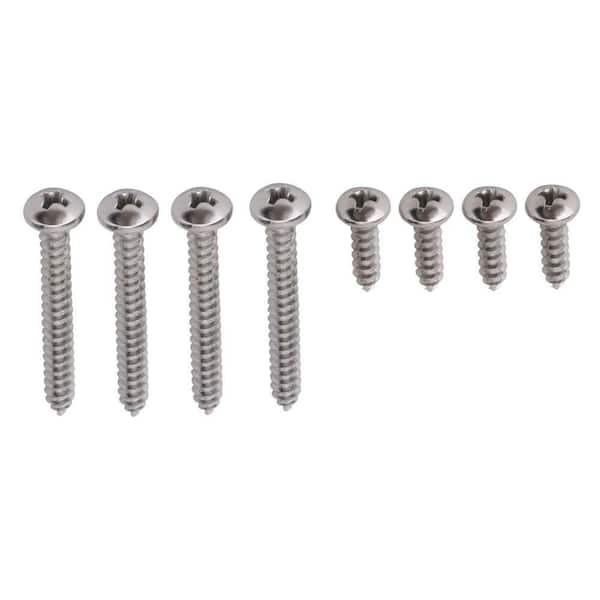
Wood screws are common for shelves attached to wood walls. They have a sharp tip to bite into wood. Machine screws work for metal brackets with nuts. Drywall screws fit into wall anchors for drywall. Self-tapping screws cut their own thread in metal or plastic. Choose the type that matches your wall and bracket.
Material Considerations
Screws come in different materials like steel, stainless steel, and brass. Steel screws are strong but can rust over time. Stainless steel resists rust and is good for damp areas. Brass screws look nice but are softer and less strong. Pick screw material based on where the shelf will be used. Rust resistance adds to durability.
Screw Length And Diameter
Screw length matters for a strong hold. The screw should go deep enough into the wall or stud. Too short screws may not hold weight. Too long screws might damage the wall or bracket. Diameter affects strength too. Thicker screws hold more weight but need bigger holes. Match screw size to bracket holes and wall type.
Matching Screws To Bracket Material
Choosing the right screw depends on the bracket material. Each material needs specific screws to hold shelves firmly. Using wrong screws can cause weak support or damage. Understanding what works best ensures a strong and safe shelf setup.
Metal Brackets
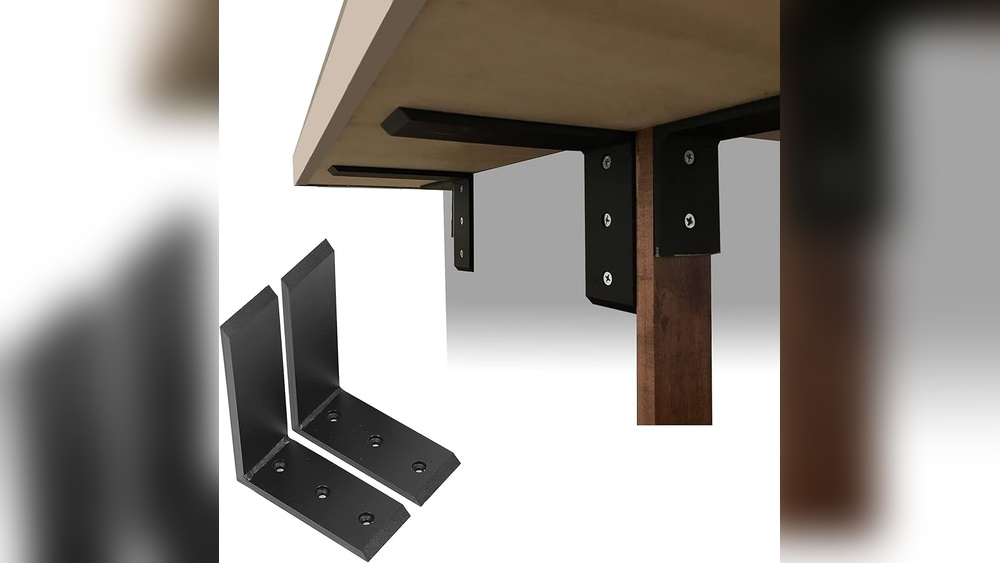
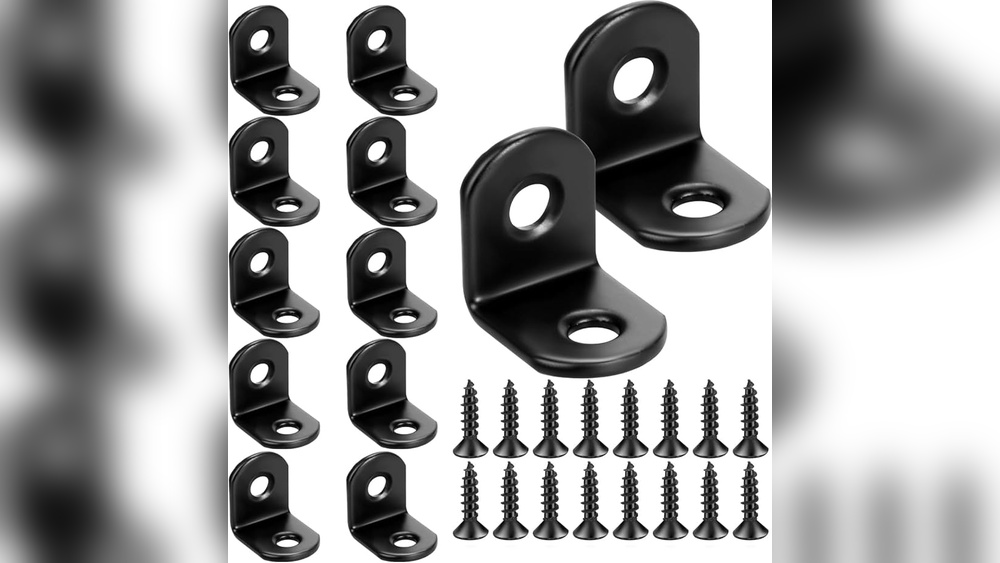
Metal brackets require screws that match their strength. Use metal screws with a sharp tip to cut into the bracket holes. Stainless steel screws resist rust and last longer. Choose screws that fit the bracket holes tightly for a secure hold.
Wooden Brackets
Wooden brackets need wood screws with deep threads. These screws grip the wood fibers firmly. Pick screws slightly longer than the bracket thickness. Avoid screws that are too thin to prevent slipping out.
Plastic Brackets
Plastic brackets need screws that do not crack the material. Use screws with a wide, flat head to spread pressure. Self-tapping screws work well for plastic. Insert screws slowly to avoid splitting the bracket.
Selecting Screws For Wall Types
Selecting the right screws depends on the wall type. Each wall needs a specific screw and anchor for strong support. Using the wrong screw can cause the shelf to fall or damage the wall. Below are common wall types and the best screw choices for each.
Drywall Fixings
Drywall is soft and weak for heavy loads. Use drywall anchors or toggle bolts with screws. These spread the load behind the wall. Choose screws that match the anchor size. Avoid short screws that won’t hold well.
Masonry Walls
Masonry walls include brick and stone. Use masonry screws or anchors made for these surfaces. Drill pilot holes with a masonry bit first. Insert wall plugs before screwing in. This keeps the shelf secure and prevents cracking.
Concrete Walls
Concrete is very hard and dense. Use heavy-duty concrete anchors or sleeve anchors. Drill deep pilot holes with a hammer drill. Use screws designed for concrete anchors. This ensures a firm grip for heavy shelves.
Stud Walls
Stud walls have wooden frames behind the drywall. Locate the studs with a stud finder. Use wood screws long enough to go through drywall into studs. This provides strong support without anchors. Avoid short screws that only go into drywall.
Tools Needed For Installation
Installing a shelf on a bracket needs the right tools. Using proper tools makes the job easier and safer. It also ensures the shelf holds well and stays stable over time.
Here are the main tools you will need for a smooth installation process. Each tool has a specific role to help you attach the shelf firmly to the bracket.
Drill And Drill Bits
A drill helps make holes in the wall or bracket for screws. Choose drill bits that match the screw size and wall type. For example, use masonry bits for brick walls and wood bits for wooden surfaces. Using the correct bit prevents damage and ensures a tight fit for screws.
Screwdrivers
Screwdrivers drive screws into the bracket and wall. Use a screwdriver that fits the screw head perfectly. Common types are flathead and Phillips. A good fit prevents stripping the screw and makes tightening easier. Electric screwdrivers speed up the work but manual ones offer better control.
Anchors And Plugs
Anchors and plugs keep screws secure in drywall or hollow walls. They stop screws from pulling out under weight. Choose anchors that fit the screw size and wall type. Push or hammer plugs into drilled holes before screwing in. This step adds strength and prevents damage to walls.
Step-by-step Shelf Fixing Process
Fixing a shelf to brackets requires careful steps to ensure stability and safety. Each step matters to hold the shelf firmly. Follow this simple guide to attach your shelf securely.
Measuring And Marking
Measure the wall space where the shelf will go. Use a pencil to mark bracket positions on the wall. Check the marks are level using a spirit level. Correct marks prevent uneven shelves and accidents.
Drilling Pilot Holes
Choose a drill bit that fits the screw size. Drill small pilot holes at the marked points. Pilot holes help screws go in easily and stop wood from splitting. Drill straight to keep holes clean and precise.
Attaching Brackets To Wall
Place the bracket over the pilot holes. Use wall anchors if the wall is drywall or plaster. Screw the brackets tightly to the wall using a screwdriver or drill. Check brackets are secure before adding weight.
Securing Shelf To Brackets
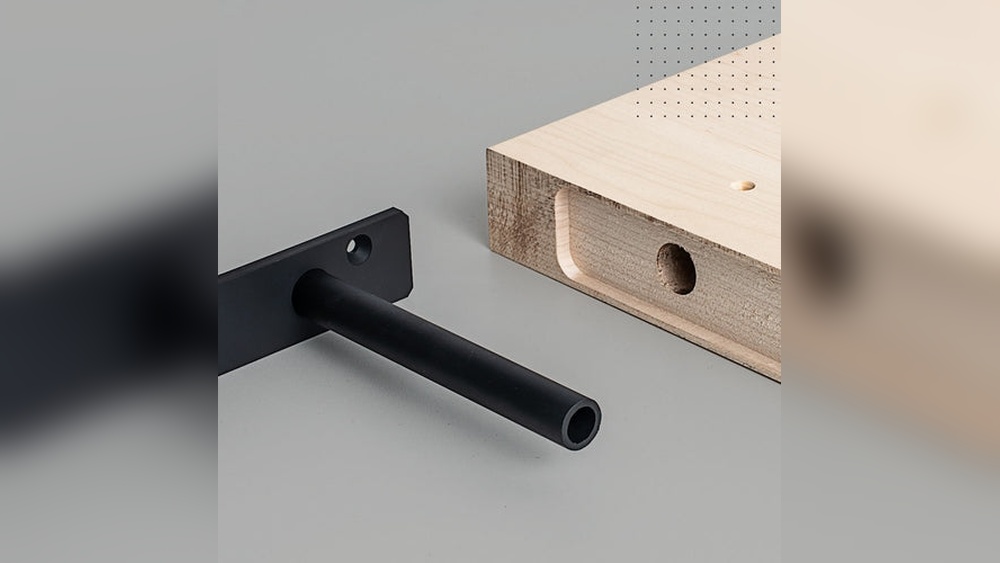
Set the shelf on top of the brackets. Use screws that fit the bracket holes and shelf thickness. Screw through the bracket into the shelf firmly. Avoid over-tightening to prevent damage to the shelf.

Credit: cascadeironco.com
Tips For Strong And Safe Shelf Mounting
Mounting shelves safely needs careful planning and the right tools. Choosing the correct screws and brackets matters a lot. Poor mounting can cause shelves to fall and break things. Follow simple tips to keep shelves strong and safe for daily use.
Pay attention to the weight the shelf will hold. Use screws that fit the bracket and wall type. Check your work often to catch problems early. These steps help avoid damage and keep your space neat and secure.
Weight Capacity Considerations
Know the weight your shelf must support. Use brackets and screws made for that load. Thin screws or weak brackets can bend or break. Always check the shelf’s weight limit before installing. Choose screws that go deep into the wall studs for strength.
Avoiding Common Mistakes
Never use the wrong screws for your wall type. Drywall needs anchors; wood studs do not. Do not overtighten screws; this can strip them. Avoid placing brackets too far apart. Follow the bracket maker’s instructions exactly. Mistakes can cause shelves to become unsafe quickly.
Regular Maintenance Checks
Inspect shelves regularly for loose screws or cracks. Tighten screws that feel loose. Look for signs of wall damage near brackets. Fix small issues before they grow. Regular checks keep shelves reliable and safe over time.

Credit: www.amazon.com
Frequently Asked Questions
What Type Of Screws Are Best For Shelf Brackets?
Use wood screws with a flat or pan head for strong support. Choose screws made of steel or brass for durability. The screw length should be 1. 5 to 2 inches to securely fasten the shelf to the bracket.
How To Choose Screw Size For Shelf Brackets?
Select screws with a gauge of 8 or 10 for optimal strength. The length depends on bracket thickness and shelf material. Ensure screws penetrate at least 1 inch into the shelf for a firm hold.
Can Drywall Screws Attach Shelves To Brackets?
Drywall screws are not ideal for shelves. They lack holding power and can snap under weight. Use wood or metal screws designed for load-bearing to ensure shelf safety.
Should You Pre-drill Holes Before Screwing Shelf To Bracket?
Yes, pre-drill holes to prevent wood splitting and ease screw insertion. Use a drill bit slightly smaller than the screw diameter. This ensures a tight fit and prevents damage to the shelf or bracket.
Conclusion
Choosing the right screws keeps your shelf steady and safe. Wood screws work best for wooden shelves. Make sure screws fit the bracket holes well. Use a drill to avoid splitting the wood. Tighten screws firmly but not too hard.
Check the shelf’s stability after installation. Simple steps make your shelf strong and lasting. Now, your shelf is ready to hold books or decor. Trust the right screws for a secure setup.