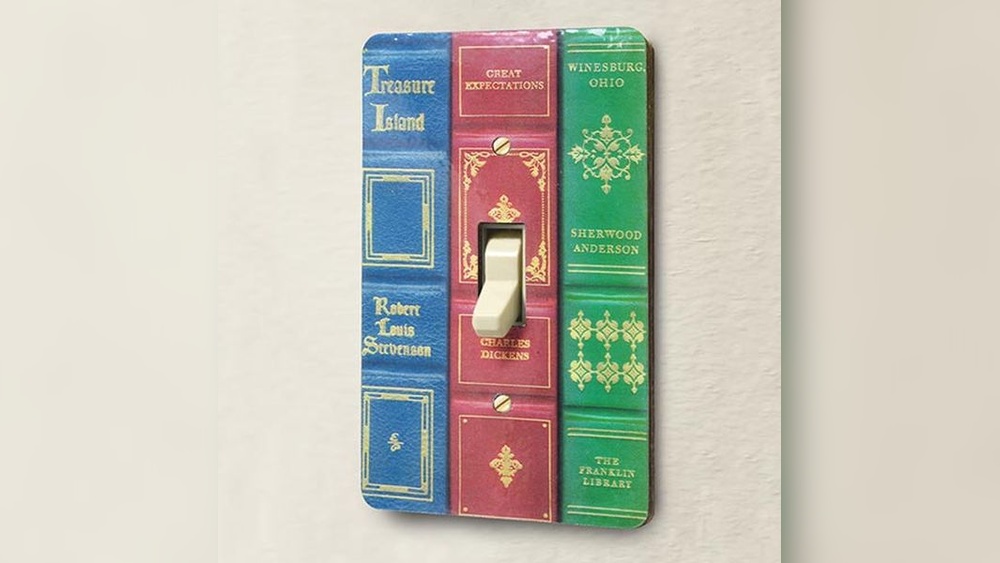
Have you ever flipped a light switch, only to find nothing happens? It’s frustrating and can leave you wondering if the switch itself is broken or if there’s a bigger electrical problem.
Knowing how to tell if your light switch is bad can save you time, money, and even avoid safety risks. You’ll learn simple signs to look for and easy steps to check your switch. Keep reading—your next quick fix might be just a few words away.
Credit: rytecelectric.com
Common Light Switch Problems
Light switches can show different problems that tell you they might be bad. Knowing these common issues helps you fix or replace the switch quickly. Watch for signs that a switch is not working right to keep your home safe and lights working well.
Switch Feels Loose Or Wobbly
A good light switch should feel solid and firm. If it feels loose or wobbly, the internal parts may be worn out. This can cause the switch to fail over time. Loose switches may also create a poor connection, leading to flickering lights or no light at all.
Switch Makes Strange Noises
Clicking sounds are normal when flipping a switch. Strange noises like buzzing or crackling are not. These sounds can mean there is an electrical problem inside the switch. Noises often signal loose wiring or worn parts. It is safer to check or replace a noisy switch soon.
Flickering Or Intermittent Light
Lights that flicker or turn on and off randomly can mean the switch is bad. The problem may be a loose connection inside the switch. Flickering lights can also be caused by a faulty switch mechanism. Fixing or replacing the switch usually stops the flickering.
Burning Smell Or Discoloration
A burning smell near a switch is a warning sign. It may mean overheating or an electrical short. Look for dark marks or discoloration around the switch plate. These signs show damage that needs quick attention. Replace the switch immediately to avoid fire risk.
Testing The Light Switch
Testing the light switch helps find out if it is working properly. This process involves simple steps anyone can do safely. Start by preparing the tools and making sure power is off. Then, check the switch with basic devices and observe any signs of damage. These steps will help decide if the switch needs replacement or repair.
Turn Off Power Before Testing
Always turn off the power at the circuit breaker. This stops electricity from flowing to the switch. It keeps you safe from electric shock. Use a flashlight if the room goes dark. Never test the switch without cutting power first.
Use A Voltage Tester
A voltage tester shows if electricity is present. Touch the tester’s probes to the switch terminals. If the tester lights up, power is still on. No light means the power is off and safe to test. This tool helps confirm power status quickly.
Check For Loose Wiring
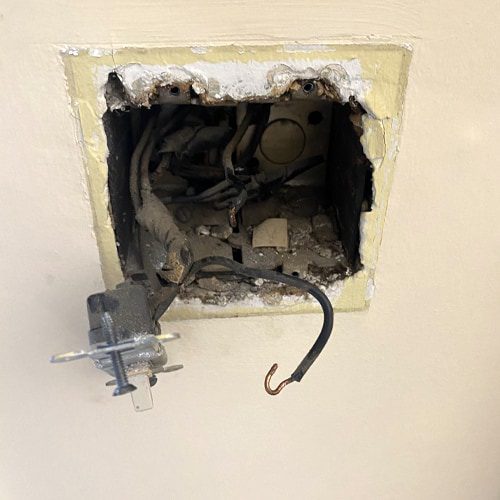
Loose wires can cause a bad switch. Look inside the switch box carefully. Tighten any screws holding the wires. Make sure wires are connected firmly. Loose wiring might cause flickering or no light at all.
Swap With A Known Good Switch
Replace the suspect switch with a working one. Use a switch from another room or a new switch. Connect the wires exactly as before. Turn the power back on and test the light. If it works, the old switch is bad.
Safety Precautions
Safety is the top priority when checking a light switch. Electricity can cause serious injury. Taking the right steps keeps you safe. Simple precautions protect you from shocks and accidents.
Follow these safety tips before handling any electrical work. They reduce risks and make the process safer.
Turn Off Circuit Breaker
Always switch off the circuit breaker before touching the light switch. This cuts power to the area. It prevents electric shocks while working. Do not rely on just the switch being off. Confirm the power is off by testing the switch or using a voltage tester.
Avoid Water Near Switch
Keep water away from the light switch area. Wet hands or moisture increase shock risk. Do not work on switches if the area is damp. Dry the spot completely before starting any repairs. Water and electricity never mix.
Use Proper Tools
Use insulated tools made for electrical work. They protect you from electric shocks. Avoid using metal tools without insulation. Select screwdrivers and testers designed for electrical tasks. Proper tools make the job safer and easier.
When To Call An Electrician
Call a professional if you feel unsure or unsafe. Complex wiring or damage needs expert handling. Do not attempt repairs beyond your knowledge. Electricians have the right training and equipment. Your safety is more important than saving money.
Credit: www.lexairconditioning.com
Replacing A Bad Light Switch
Replacing a bad light switch is a simple fix that anyone can do. It restores proper lighting and keeps your home safe. The process involves a few steps, but careful attention helps avoid mistakes. This guide walks through each step clearly.
Gather Necessary Tools
Start by collecting all tools before you begin. You need a screwdriver, voltage tester, wire stripper, and a new switch. Safety gloves can protect your hands. Having everything ready saves time and stress.
Remove Old Switch
Turn off the power at the breaker box to avoid shocks. Use the voltage tester to confirm no electricity flows to the switch. Unscrew the switch cover plate and remove it. Then, unscrew the switch from the wall box and pull it out gently.
Connect New Switch Wires
Look at the wires connected to the old switch. Note their positions or take a photo. Disconnect the wires carefully. Attach the wires to the new switch in the same way. Tighten screws to hold wires firmly. Make sure no bare wire is exposed.
Test The New Switch
Push the switch back into the wall box and screw it in place. Replace the cover plate. Turn the power back on at the breaker box. Flip the new switch on and off to check if it works. The light should respond quickly and smoothly.
Preventive Maintenance Tips
Preventive maintenance helps keep light switches working well. It stops problems before they start. Small steps can save time and money. These tips help you spot issues early. Follow simple routines to protect your home’s electrical system.
Regular Switch Inspection
Check your switches often. Look for cracks, burns, or loose parts. Test if the switch feels normal when you flip it. Replace any switch that feels sticky or noisy. Early checks prevent bigger electrical problems later.
Avoid Overloading Circuits
Do not plug too many devices in one outlet. Overloading causes switches to wear out fast. Spread devices across different outlets. Use power strips with built-in overload protection. This keeps switches safe and lasting longer.
Keep Switches Clean And Dry
Dirt and moisture can damage switches quickly. Wipe switches with a dry cloth regularly. Avoid touching switches with wet hands. Keep switches away from water sources like sinks. Clean, dry switches work better and last longer.
Upgrade Old Switches
Old switches may not work well anymore. Replace outdated switches with newer, safer models. Modern switches handle electricity more efficiently. Upgrading lowers risk of sparks and failures. It’s a smart step for home safety.
Credit: shockleyelectric.com
Frequently Asked Questions
How Can I Tell If My Light Switch Is Faulty?
A faulty light switch may cause flickering lights or no response. Check for a loose toggle, buzzing sounds, or a burning smell. If the switch feels warm or the light doesn’t turn on, it likely needs replacement.
What Are Common Signs Of A Bad Light Switch?
Common signs include flickering lights, switch not staying in position, buzzing noises, or a warm switch plate. These symptoms indicate internal damage or loose wiring, signaling the need for repair or replacement to avoid electrical hazards.
Can A Bad Light Switch Cause Electrical Shocks?
Yes, a bad light switch can cause mild electrical shocks. Faulty wiring or damaged components can expose live parts, posing a safety risk. Always turn off power before inspecting and consider professional help if shocks occur.
How Do I Safely Test If A Light Switch Is Bad?
Turn off the power at the breaker box first. Use a voltage tester to check the switch’s terminals. If the switch doesn’t properly control the circuit or shows no continuity, it’s likely defective and should be replaced.
Conclusion
A bad light switch can cause many problems at home. Watch for flickering lights or switches that feel hot. These signs often mean it needs fixing. Always turn off power before checking or replacing switches. If unsure, call a professional electrician to help.
Keeping switches in good condition ensures safety and comfort. Regular checks prevent bigger electrical issues later. Stay alert to changes in your light switches. It helps keep your home safe and bright.