Have you ever hung something on your wall, only to find the anchor pulled out, leaving a messy hole and a weighty problem? It’s frustrating, but don’t worry—you’re not alone, and fixing it is easier than you think.
Whether it’s a picture frame, a shelf, or a mirror, your wall anchor is meant to hold strong. When it fails, it feels like your wall has let you down. In this guide, you’ll discover simple, effective steps to repair that pulled-out wall anchor and get your wall back to looking sturdy and flawless.
Keep reading, and you’ll have your wall secure again in no time.

Credit: www.reddit.com
Identify The Anchor Type
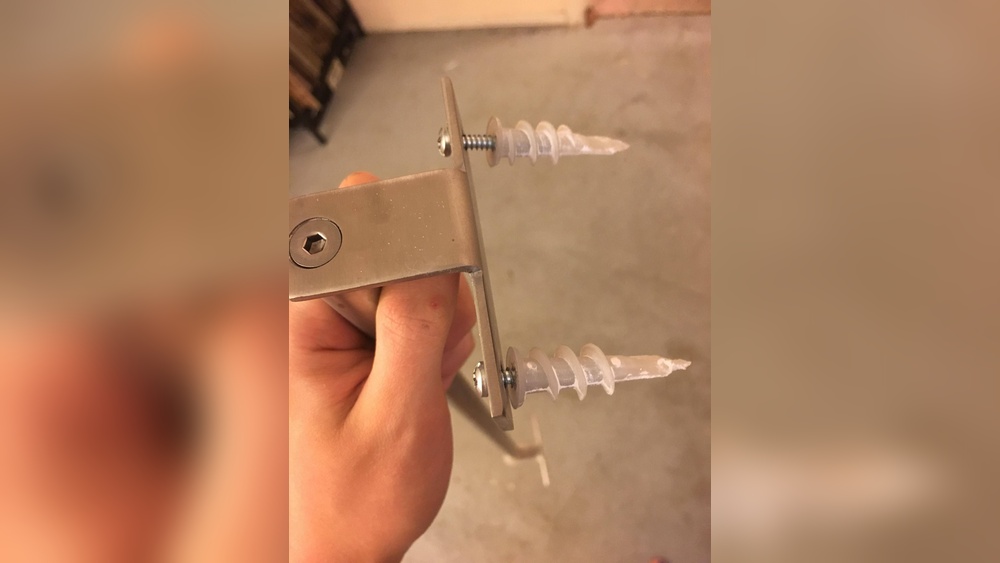
Identifying the type of wall anchor is the first step to fixing one that pulled out. Different anchors have unique designs and uses. Knowing your anchor type helps choose the right repair method. It also prevents damage to your wall during the fix.
Plastic Expansion Anchors
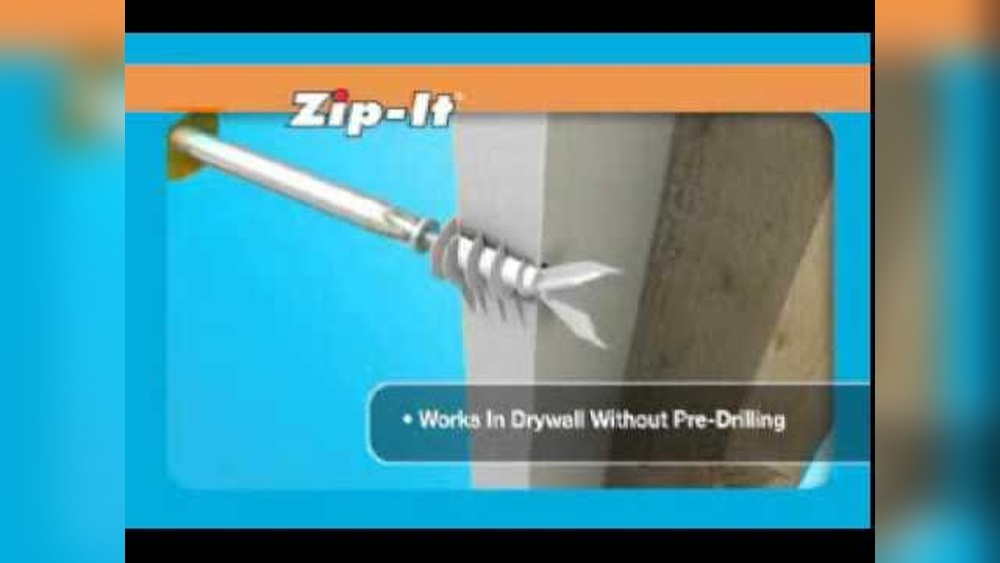
Plastic expansion anchors are common in light-duty wall hangings. They are small, usually white or beige, and made of plastic. The anchor expands inside the wall when a screw is inserted. This creates a tight hold in drywall or plaster. These anchors often pull out if overloaded or if the hole is too large.
Toggle Bolts
Toggle bolts have a spring-loaded wing that opens behind the wall. These wings spread the load over a wider area. Toggle bolts work well for heavier items on drywall or hollow walls. The wings fold to fit into the hole and then expand inside the wall. If the bolt pulls out, the hole might be too big or the wings may not open fully.
Molly Bolts
Molly bolts are metal anchors with expandable sleeves. They are designed for medium to heavy loads in drywall. When the screw is tightened, the sleeve expands behind the wall. This locks the bolt firmly in place. Molly bolts can pull out if the sleeve is damaged or if the wall material is weak.
Assess The Damage
Before fixing a wall anchor that pulled out, you need to assess the damage carefully. This step helps you understand the extent of the problem. It guides you on the best way to repair the wall and reattach the anchor securely.
Check Wall Material
Identify the type of wall where the anchor pulled out. Drywall, plaster, or concrete all behave differently. Knowing the material helps choose the right repair method. For example, drywall may need patching, while concrete may require filling.
Examine Hole Size
Look closely at the hole left behind by the anchor. Is it larger than the original anchor size? A bigger hole means the anchor no longer fits tightly. This can cause the anchor to fail again. Measuring the hole helps decide if you need a bigger anchor or patch first.
Look For Cracks Or Breaks
Check the area around the hole for cracks or breaks. Cracked walls are weaker and need extra care. Small cracks can spread if ignored. Repairing cracks before installing a new anchor prevents future damage.
Prepare The Hole
Preparing the hole is the first step to fix a wall anchor that pulled out. This step ensures the new anchor holds tightly and lasts longer. The hole must be clean and ready for repair materials. Careful preparation helps avoid repeated damage.
Clean Loose Debris
Remove all loose debris from the hole. Use a small brush or vacuum to clear dust and crumbled drywall. A clean hole allows filler or new anchors to stick properly. This step improves the strength of the repair.
Enlarge Or Reduce Hole Size
Check the hole size before refilling it. Enlarge the hole if it is too small for the new anchor. Use a drill or a screwdriver carefully. Reduce the hole size if it is too big by filling part of it first. Correct size helps anchors fit snugly.
Fill With Spackle Or Wood Filler
Fill the hole with spackle for drywall or wood filler for wooden walls. Use a putty knife to apply the filler smoothly. Let the filler dry completely before sanding it flat. A solid fill creates a strong base for the new anchor.
Choose The Right Fixing Method
Choosing the right fixing method is key to a strong repair. A poor choice can cause the anchor to pull out again. Different walls and weights need different solutions. Pick a method that fits your wall type and the item’s weight.
Here are three effective ways to fix a wall anchor that pulled out. Each option offers a reliable hold if done correctly.
Use A Larger Anchor
Replacing the old anchor with a larger one often solves the problem. A bigger anchor grips more material inside the wall. This gives better support and stops the anchor from pulling out. Make sure to drill a hole size that matches the new anchor perfectly.
Switch To Toggle Bolts
Toggle bolts work well on drywall and hollow walls. They spread the load over a wider area inside the wall. This prevents damage and keeps the anchor from falling out. Choose the right size toggle bolt for the weight of the item you want to hang.
Insert Wall Plugs With Epoxy
Using epoxy with wall plugs creates a strong bond inside the hole. First, clean the hole thoroughly. Then, apply epoxy to the plug before inserting it. Let the epoxy cure fully before adding weight. This method is best for heavy items or damaged walls.
Reinstall The Anchor
Reinstalling a wall anchor is key to fixing it after it pulls out. Proper steps ensure the anchor holds tight and supports weight well. This process involves making a new hole, placing the anchor right, and tightening screws securely. Follow these steps for a strong, lasting fix.
Drill New Pilot Hole
Start by drilling a new pilot hole near the old one. Use a drill bit slightly smaller than the anchor size. This helps the anchor grip the wall better. Make sure the hole is straight and clean. Avoid making the hole too big or too small.
Insert Anchor Properly
Push the anchor gently into the new hole. Tap it lightly with a hammer if needed. The anchor should fit snugly without wobbling. Check that it sits flush with the wall surface. This step prevents the anchor from pulling out again.
Secure Screws Firmly
Place the screw into the anchor and turn it slowly. Tighten the screw until it feels secure but not too tight. Over-tightening can damage the anchor or wall. The screw should hold firmly and keep the anchor in place. Test by gently pulling on the fixture.
Alternative Solutions
Sometimes wall anchors pull out, making repairs tricky. Alternative solutions can help you hang items securely without re-drilling or patching big holes. These options offer easy, strong fixes that save time and effort. Each method suits different needs and surfaces.
Use Adhesive Hooks
Adhesive hooks stick directly to the wall without drilling. They work well for light items like keys or small pictures. Clean the wall surface before applying the hook for better hold. Choose hooks with strong adhesive for lasting support. Remove them carefully to avoid wall damage.
Install Wall-mounted Brackets
Wall-mounted brackets provide sturdy support for heavier items. Use screws and anchors suitable for your wall type. Measure and mark bracket positions before installation. Brackets spread the load, reducing the chance of wall damage. They work well for shelves, TVs, and larger decorations.
Consider Freestanding Options
Freestanding furniture or racks eliminate the need for wall anchors. Use bookcases, coat racks, or shelving units to hold items safely. These options offer flexibility and avoid wall damage. Move them easily to change your room layout anytime.
Prevent Future Pullouts
Preventing wall anchor pullouts saves time and effort. It keeps your walls safe and your items secure. Small steps can make a big difference. Follow simple tips to protect your anchors from coming loose again.
Distribute Weight Evenly
Spread the weight across multiple anchors. Avoid putting all the weight on one anchor. Use several anchors for heavy or large items. This reduces pressure on each anchor. It helps anchors hold better and last longer.
Avoid Overloading
Know the weight limit of your anchors. Do not hang items heavier than the limit. Overloading causes anchors to pull out. Choose stronger anchors for heavy objects. Stay within safe weight limits to protect your walls.
Regularly Inspect Anchors
Check your anchors often for signs of damage. Look for cracks, looseness, or shifting. Tighten any loose screws or anchors. Early fixes stop bigger problems later. Regular checks keep your anchors firm and safe.

Credit: www.reddit.com
Credit: www.youtube.com
Frequently Asked Questions
How Do I Fix A Wall Anchor That Pulled Out?
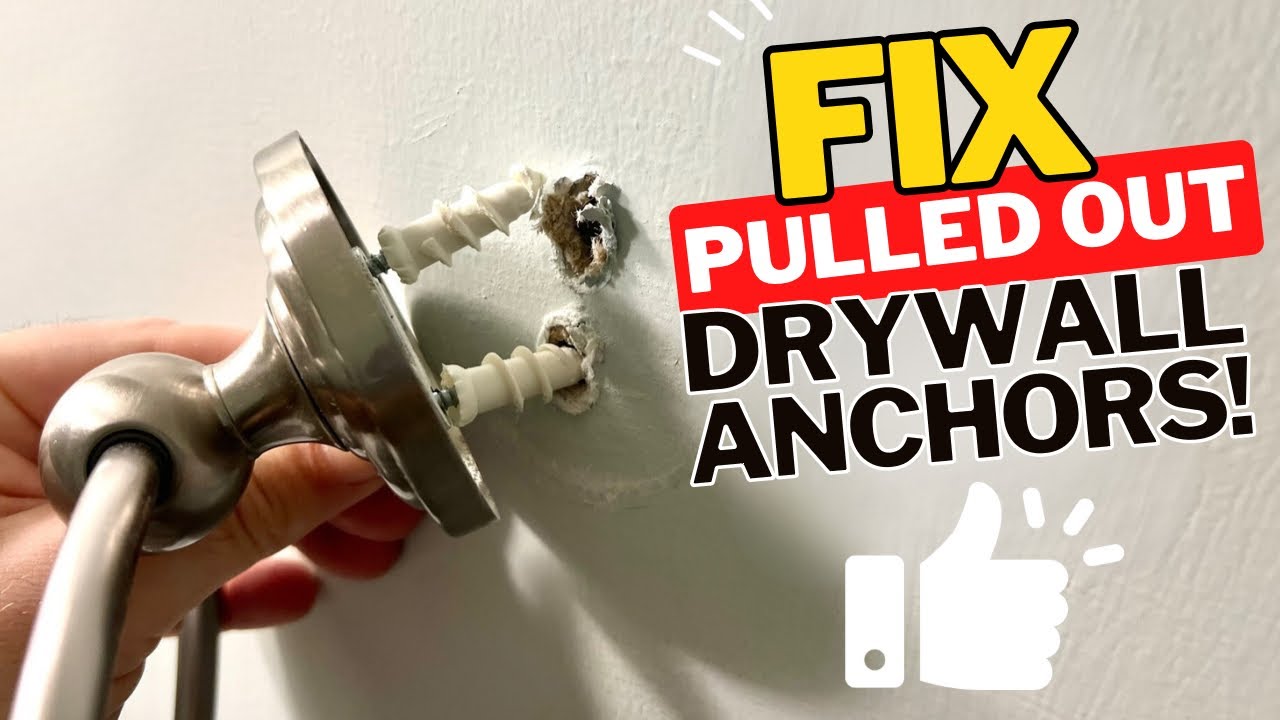
To fix a pulled-out wall anchor, remove the damaged anchor first. Fill the hole with wood filler or spackle. Let it dry completely. Drill a new pilot hole nearby. Insert a stronger anchor suited for the wall type and screw in securely.
What Causes Wall Anchors To Pull Out?
Wall anchors pull out due to excessive weight, improper installation, or weak wall material. Using incorrect anchors or overloading them also leads to failure. Ensuring the anchor type matches the wall and weight load prevents pulling out.
Can I Reuse A Pulled-out Wall Anchor?
No, reusing a pulled-out wall anchor is not recommended. The hole enlarges and weakens the hold. Always replace with a new anchor suited for the wall type and weight requirements to ensure a secure fix.
What Type Of Anchor Is Best For Drywall?
For drywall, use toggle bolts or molly bolts for heavy loads. Plastic expansion anchors work well for light loads. Always select an anchor rated for the weight and wall thickness for secure mounting.
Conclusion
Fixing a wall anchor that pulled out takes patience and care. Start by removing the old anchor and patching the hole. Choose the right new anchor for your wall type. Drill a proper-sized hole and insert the anchor firmly. Tighten screws slowly to avoid pulling it out again.
Small steps make a big difference. With these tips, your wall will hold strong once more. Keep your tools ready for any future fixes. Simple repairs help keep your home safe and neat.