If you work with aircraft panels, race cars, or any equipment using Dzus fasteners, you know how important it is to get the right size every time. But measuring these small, twist-to-release fasteners can be confusing if you’re not sure what to look for.
What if you choose the wrong size? It could lead to loose panels or wasted time and money. You’ll learn exactly how to measure Dzus fasteners quickly and accurately, so you can avoid mistakes and keep your projects running smoothly.
Keep reading to discover simple steps that anyone can follow, even if you’re new to using Dzus fasteners.
Types Of Dzus Fasteners
Dzus fasteners come in several types. Each type has a specific design and use. Knowing the types helps you measure and choose the right fastener.
These fasteners are popular in aviation, automotive, and industrial fields. They provide quick and secure fastening. Understanding their types makes work easier and more accurate.
Quarter Turn Fasteners
Quarter turn fasteners lock with a simple 90-degree twist. This design makes opening and closing quick. They are easy to use and reliable for frequent access.
This type is common in aircraft panels and machinery covers. Its simple motion saves time during maintenance.
Stud And Receptacle Systems
This system includes two parts: a stud and a receptacle. The stud fits into the receptacle, creating a strong hold. It is often used for heavy-duty applications.
Stud and receptacle systems offer durability and repeated use. Their design keeps parts tightly secured under stress.
Flush And Raised Head Styles
Flush head fasteners sit level with the surface. They provide a smooth finish and reduce snagging. Raised head fasteners stick out above the surface.
Raised heads allow easier grip and turning. Choosing between flush and raised heads depends on the application and space.
Credit: www.speedwaymotors.com
Tools Needed For Measurement
Measuring Dzus fasteners accurately requires the right tools. These tools help capture precise dimensions. Proper measurement ensures the fastener fits and functions well. Using simple, reliable tools makes the task easier and faster.
Calipers And Micrometers
Calipers measure the fastener’s outer diameter and length. They provide accurate readings in millimeters or inches. Micrometers offer even finer precision. They are ideal for small parts like Dzus fasteners. Both tools are easy to use and essential for detailed measurement.
Measuring Tape And Rulers
Measuring tapes and rulers help check length and spacing. They work best for larger dimensions. Use a metal ruler for better accuracy. These tools are simple and common in most toolkits. They give quick, rough measurements to complement fine tools.
Thread Gauges
Thread gauges check the pitch and size of threads. Correct thread measurement is crucial for Dzus fasteners. These gauges match the fastener’s thread pattern. They prevent mistakes when replacing or ordering fasteners. Thread gauges come in sets for different thread sizes.
Key Dimensions To Measure
Measuring Dzus fasteners correctly is essential for proper fit and function. Several key dimensions must be checked. These measurements help identify the right fastener for your project. Accurate sizing prevents damage and ensures secure fastening.
Head Diameter
The head diameter is the width of the fastener’s top part. This size affects how the fastener fits in the panel or surface. Use a caliper to measure the widest part of the head. Note this measurement carefully for replacement or matching.
Stud Length
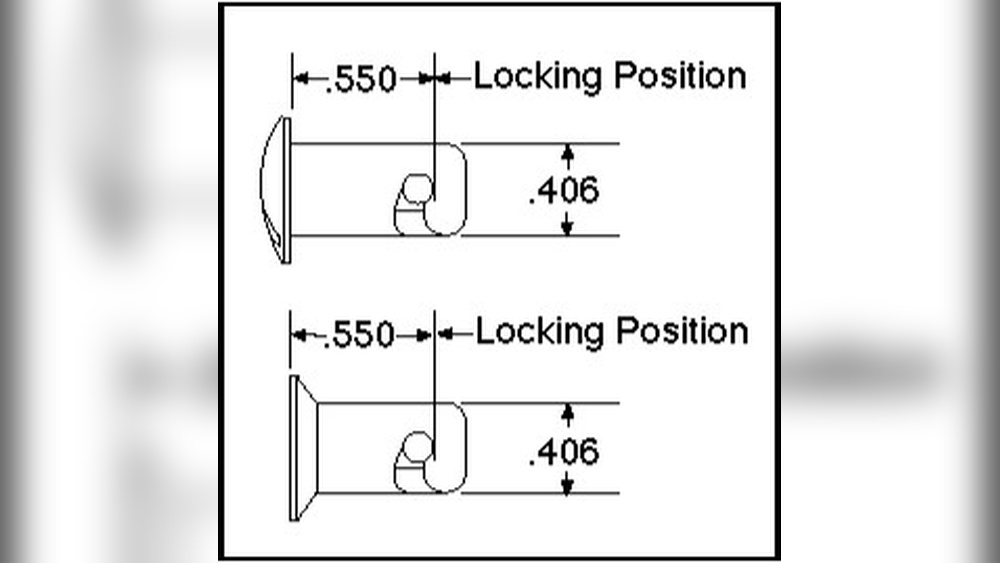
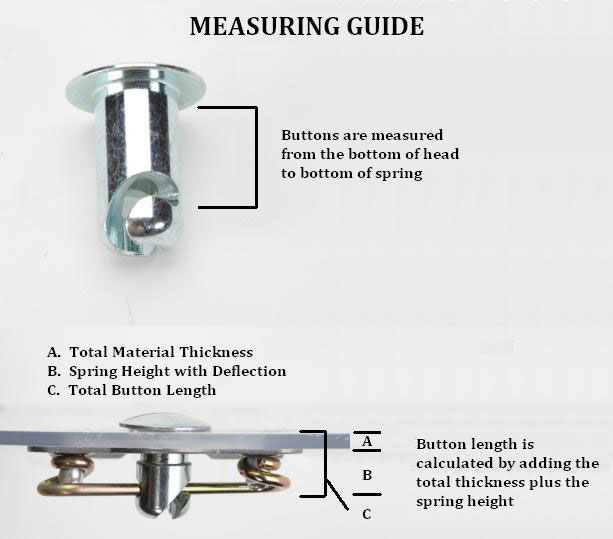
Stud length is the distance from the base of the head to the end of the fastener. This length determines how deep the fastener will go into the panel. Measure the stud with a ruler or caliper for exact length. It ensures the fastener holds the parts tightly.
Thread Size And Pitch
The thread size is the diameter of the fastener’s threaded part. Thread pitch is the distance between threads. Use a thread gauge to check both size and pitch. Correct thread measurements avoid cross-threading and ensure smooth installation.
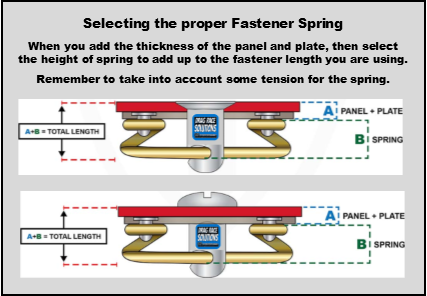
Credit: dragracesolutions.com
Step-by-step Measurement Process
Measuring Dzus fasteners requires careful attention to detail. This step-by-step process helps you get accurate measurements. Accurate sizes ensure the right fit and reliable performance. Follow these simple steps for precise results.
Measuring The Head
Start by measuring the fastener’s head diameter. Use a caliper for the best accuracy. Measure across the widest part of the head. Note the size in millimeters or inches. This helps identify the fastener type and size.
Determining Stud Length
Next, measure the stud length from base to tip. Use a ruler or caliper for this step. Measure only the threaded part, not the head. This length affects how deep the fastener will go. Record the measurement carefully.
Checking Thread Details
Examine the thread pitch and diameter closely. Use a thread gauge or compare with known fasteners. Count threads per inch or measure thread spacing in millimeters. Correct thread details ensure compatibility with the panel or frame. Write down the exact thread size and pitch.
Common Measurement Mistakes
Measuring Dzus fasteners requires careful attention. Small errors can lead to wrong sizes and poor fits. Avoiding common measurement mistakes saves time and money. Here are key errors to watch out for during measurement.
Misreading Thread Pitch
Thread pitch is the distance between threads. Mistaking this can cause wrong fastener selection. Use a thread pitch gauge for accuracy. Counting threads by eye often leads to errors. Always check the pitch against the specifications.
Ignoring Head Style Variations
Dzus fasteners come with different head styles. Each head type needs different measuring techniques. Ignoring these differences results in incorrect size readings. Measure the head diameter and shape carefully. This ensures the fastener matches the application.
Overlooking Receptacle Compatibility
The fastener must fit the receptacle properly. Overlooking this step causes loose or tight fits. Check the receptacle size and type before measuring the fastener. Compatibility affects how well the fastener holds. Measure both parts for the best match.
Tips For Accurate Measurement
Measuring Dzus fasteners correctly is key for a secure fit. Precise measurements help avoid loose or tight fasteners. Follow simple tips to get the right size every time. These tips make the process clear and easy to follow.
Using Proper Tools
Use a caliper or a ruler with millimeter marks. Avoid soft tape measures that bend easily. A digital caliper gives the most exact reading. Clean the tools before measuring to prevent errors.
Double-checking Measurements
Measure each fastener twice. Check the diameter, length, and thread pitch carefully. Compare your two results. If they differ, measure again. This step reduces mistakes and ensures accuracy.
Recording Measurements Clearly
Write down each measurement as soon as you take it. Use clear labels like diameter, length, and thread size. Keep notes organized for easy reference later. Clear records help avoid confusion during installation.
Replacing And Ordering Dzus Fasteners
Replacing and ordering Dzus fasteners requires careful attention to detail. These fasteners secure panels and parts in various machines and vehicles. Using the wrong fastener can cause damage or failure. Accurate measurement and matching are crucial. Understanding the exact specifications ensures proper fit and function. Quality and reliability matter for safety and durability.
Matching Specifications
Start by identifying the size and type of the existing fastener. Measure the diameter, length, and head style precisely. Check the thread pitch and material type. Using a caliper can help achieve accurate measurements. Match these details exactly to avoid poor fit or performance issues. Consult manufacturer guides or datasheets for specifications. Record all measurements before ordering replacements.
Choosing Quality Materials
Select materials that resist corrosion and wear. Stainless steel is common for durability and rust resistance. Aluminum fasteners offer lightweight options but check strength requirements. Avoid cheap metals that might break or wear quickly. Ensure the material suits the environment where the fastener will be used. High-quality materials extend the life of the fastener and the equipment.
Sourcing Reliable Suppliers
Find suppliers with good reputations and verified reviews. Reliable suppliers offer genuine products and proper warranties. Check for certifications and standards compliance. Avoid suppliers selling generic or low-quality fasteners. Request samples if possible to test fit and quality. Buying from trusted sources reduces risks and ensures proper replacement parts.

Credit: bullantperformance.com.au
Frequently Asked Questions
What Tools Are Needed To Measure Dzus Fasteners?
You need a caliper, ruler, and thread gauge to measure Dzus fasteners accurately. These tools help measure diameter, length, and thread pitch precisely.
How Do You Measure The Diameter Of Dzus Fasteners?
Use a caliper to measure the fastener’s shank diameter. Place the caliper jaws around the shaft for an accurate reading.
Why Is Thread Pitch Important In Dzus Fasteners?
Thread pitch determines the fastener’s compatibility with the panel hole. Correct pitch ensures secure fastening and prevents loosening during use.
Can I Measure Dzus Fasteners Without Special Tools?
Basic measurements can be done with a ruler, but precision requires calipers and thread gauges for best results.
Conclusion
Measuring Dzus fasteners is simple with the right steps. Always check the size carefully to ensure a perfect fit. Use common tools like calipers for accuracy. Remember the key parts: diameter, length, and thread pitch. Taking time to measure correctly saves effort and avoids mistakes.
This way, your fasteners will hold securely and work well. Keep these tips in mind for every project. Measuring fasteners doesn’t have to be hard or confusing. Just follow the guide and you will succeed.