Have you ever wondered how many watts your light switch can handle? Understanding this simple fact can save you from electrical problems and keep your home safe.
Whether you’re adding new lights or upgrading your fixtures, knowing the wattage limit on one light switch is crucial. You’ll discover exactly what you need to know to make smart, safe choices for your lighting setup. Keep reading, and you’ll gain the confidence to handle your lighting like a pro.

Credit: www.tannerbolt.com
Light Switch Power Basics
Understanding how much power a light switch can handle is important for safety and performance. Light switches control electricity flow to lamps and fixtures. Knowing the basics helps prevent overloads and electrical issues. Let’s explore the power details behind a common light switch.
What Watts Mean For Switches
Watts measure electrical power used by devices. A light switch itself does not use watts but controls devices that do. The watt rating shows the maximum power a switch can safely handle. Exceeding this limit can cause switch failure or fire risks. Always match your switch rating to the connected load’s wattage.
Common Household Switch Ratings
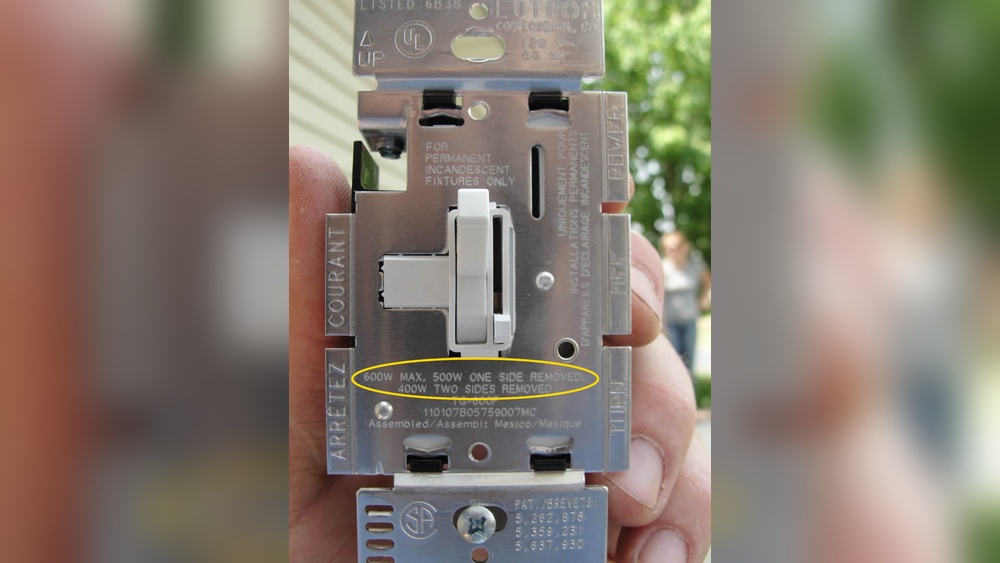
Most household light switches are rated between 600 to 1500 watts. Standard switches often support 600 watts for incandescent bulbs. Modern switches may handle up to 1500 watts for LED or CFL bulbs. Switches also list voltage and current limits, such as 120 volts and 15 amps. Check these ratings before installing a switch to avoid problems.

Credit: www.amazon.com
Calculating Watts On A Single Switch
Calculating watts on a single light switch helps prevent electrical problems. It shows how much power the switch can safely handle. Knowing this protects your home from overloads and possible hazards.
To calculate watts, you must understand the total load and the types of devices connected. This makes sure the switch operates smoothly without damage.
Total Load Capacity
Every light switch has a maximum load capacity. This is the highest wattage it can control safely. Most household switches handle between 600 to 1,000 watts. Check the switch label or manual for exact numbers.
Exceeding this limit may cause the switch to overheat or fail. Always add up the wattage of all lights connected to the switch. If the total is close to the capacity, consider using a switch with a higher rating.
Types Of Loads And Their Impact
Different devices draw power differently. Incandescent bulbs use steady power and match the switch rating easily. LED and CFL bulbs use less wattage but may cause small electrical noise.
Motors or fans create a surge when they start. This surge can be higher than their running wattage. Such loads require switches designed to handle this extra power.
Understanding load types helps pick the right switch. This keeps your lights and devices safe and working well.
Wiring And Safety Standards
Wiring and safety standards play a key role in how many watts a single light switch can handle. Proper wiring ensures the switch works safely without causing electrical problems. Safety rules protect your home and prevent fires or shocks. Understanding these standards helps you avoid damage and keep your electrical system reliable.
Circuit Breaker Limits
Circuit breakers protect your home from electrical overloads. Each breaker has a limit on how many watts it can support. If you connect too many devices, the breaker will trip to stop the flow of electricity. This prevents wires from overheating and causing fires. Always check the breaker rating before adding lights or appliances to a switch.
Importance Of Proper Wiring
Correct wiring allows electricity to flow safely and efficiently. Poor wiring can cause short circuits or electric shocks. Using the right wire size and type is important for handling the wattage load. Proper connections and secure fittings reduce the risk of sparks or loose wires. Following wiring standards keeps your home safe and your lights working well.
Choosing The Right Switch
Choosing the right light switch is important for safety and performance. A switch controls the power flow to your light fixture. Using the wrong switch can cause damage or even a fire. This section explains how to pick the right switch for your needs. Understanding switch ratings and smart switch power limits helps you make a good choice.
Switch Ratings To Match Load
Every switch has a power rating. This rating shows how many watts it can safely handle. Most home switches are rated for 600 watts or more. Check the total wattage of the bulbs on one switch. Make sure the switch rating is higher than this total. This prevents overheating and switch failure.
Simple switches work well for regular bulbs and fixtures. For multiple lights on one switch, add their wattages. Replace switches that feel hot or click loudly. A correctly rated switch lasts longer and works safely.
Smart Switches And Power Handling
Smart switches offer remote control and automation. They handle power differently than regular switches. Many smart switches have lower watt limits. This is because of the electronics inside them. Always check the watt rating on the smart switch box.
Smart switches often need a neutral wire for power. Without it, the switch may not work or may flicker lights. Choose smart switches that match your load and wiring setup. Using the right smart switch keeps your system stable and safe.
Common Mistakes And How To Avoid Them
Understanding common mistakes helps keep your light switches safe and working well. Many people do not realize how much power a single switch can handle. This can lead to problems like overheating or even electrical fires. Learning what to avoid keeps your home safe and your lights bright.
Overloading Switches
Overloading happens when too many watts run through one switch. Each switch has a limit, usually shown on the box or manual. Exceeding this limit can cause the switch to fail or become hot. Use a watt meter or check bulb ratings before adding more lights. Spread the load across several switches if needed.
Ignoring Manufacturer Guidelines
Manufacturer guidelines give important rules for safe switch use. These include maximum wattage and wiring instructions. Ignoring these rules risks damage and voids warranties. Always read and follow the instructions that come with your switch. Proper installation prevents accidents and saves money on repairs.
Tips To Maximize Home Power Efficiency
Saving power at home reduces electricity bills and helps the environment. Small changes can make a big difference. Understanding how to use your light switches and bulbs wisely improves energy use. Focus on simple steps that anyone can follow. These tips keep your home safe and efficient.
Using Led And Energy-efficient Bulbs
LED bulbs use much less power than traditional bulbs. They last longer and give bright light. Switching to LED or energy-efficient bulbs lowers the wattage on one light switch. This means your lights use less electricity overall. These bulbs also produce less heat, saving cooling costs in warm seasons. Choose bulbs that fit your fixtures and brightness needs.
Distributing Load Across Circuits
Spread your electrical devices across different circuits. Do not overload one light switch or circuit. Overloading can cause breakers to trip and waste power. Distributing the load keeps your system balanced and safe. Check your home’s circuit panel to see which outlets connect to which switches. Use multiple switches or outlets for heavy power users.

Credit: www.youtube.com
Frequently Asked Questions
How Many Watts Can One Light Switch Handle?
A standard light switch typically handles up to 600 watts on a 120-volt circuit. This capacity suits most household lighting. Always check your switch’s rating to avoid overload and ensure safety.
Does Wattage Affect A Light Switch’s Lifespan?
High wattage can reduce a light switch’s lifespan by causing overheating. Using a switch within its rated wattage prevents damage and ensures long-term reliability.
Can I Use One Switch For Multiple High-wattage Lights?
Yes, but ensure the total wattage does not exceed the switch’s rating. Overloading can cause switch failure or electrical hazards, so calculate combined wattage carefully.
What Happens If I Exceed The Wattage On A Switch?
Exceeding wattage risks overheating, switch damage, or electrical fires. To stay safe, always use switches rated for your lighting load and consult an electrician if unsure.
Conclusion
A single light switch can handle different watt loads depending on the circuit. Most household switches support up to 600 watts for incandescent bulbs. LED lights use fewer watts, so you can connect more without issues. Always check the switch’s rating before adding high-wattage devices.
Avoid overloading to keep your home safe and your lights working well. Understanding watt limits helps you make smart electrical choices. Simple steps prevent problems and extend the life of your lighting. Keep wattage in mind for every light switch you install or use.