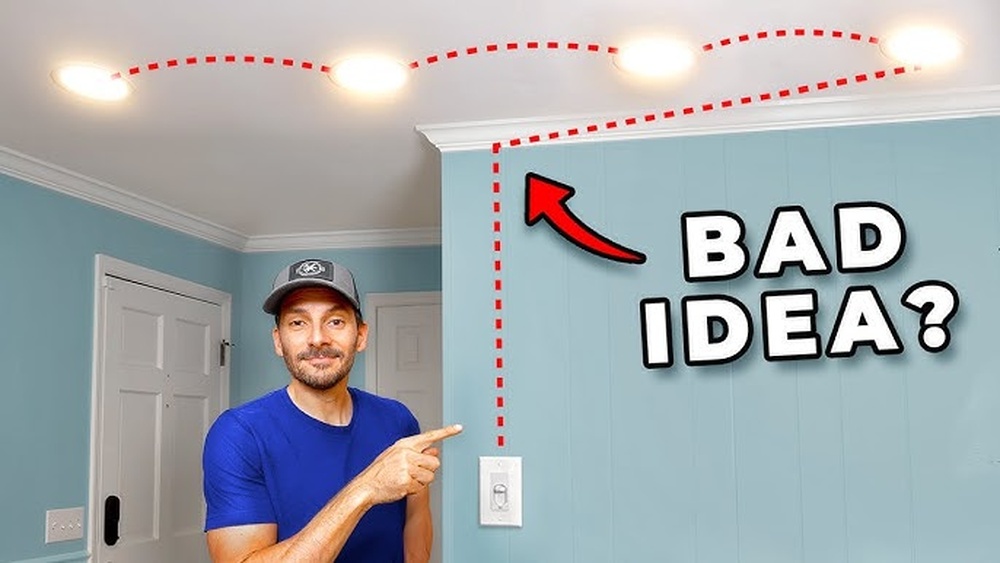
Are you planning to install recessed lights and wondering how many you can control with a single switch? Getting this right is key to creating the perfect lighting atmosphere in your space without overloading your electrical system.
If you’ve ever felt confused about how many recessed lights should be on one switch, you’re not alone. You’ll discover simple guidelines and expert tips that make your lighting setup efficient, safe, and easy to use. Keep reading to learn exactly what you need to know before flipping that switch!
:strip_icc()/BHG-home-improvement-electrical-guide-to-light-switches-and-dimmers-hero_31187-e8349e7ac5f84023ab572db07231401a.jpg)
Credit: www.bhg.com
Choosing The Right Number Of Lights
Choosing the right number of recessed lights is key to good room lighting. Too many lights can make a room too bright. Too few can leave it dark and dull. Finding the right balance helps create a comfortable and useful space.
Several factors affect how many lights to install. Think about the room size, layout, and what you use the space for. These details guide your lighting plan and switch setup.
Factors Affecting Light Count
Light count depends on several things. Ceiling height changes how light spreads. The type of bulb and its brightness also matter. Reflective surfaces like mirrors or light walls can reduce the number of lights needed. Dark colors or heavy furniture may require more lights.
Room Size And Layout
Bigger rooms need more lights for even coverage. Rooms with open layouts spread light differently than small, closed spaces. Consider corners, nooks, and obstacles that block light. A well-planned layout avoids shadows and dark spots.
Purpose Of The Space
Different rooms need different lighting levels. Kitchens and work areas need bright, focused light. Living rooms and bedrooms benefit from softer, mood lighting. Bathrooms require even light for grooming. Think about activities in the space to decide the number of lights per switch.

Credit: www.homedepot.com
Switch Capacity And Electrical Limits
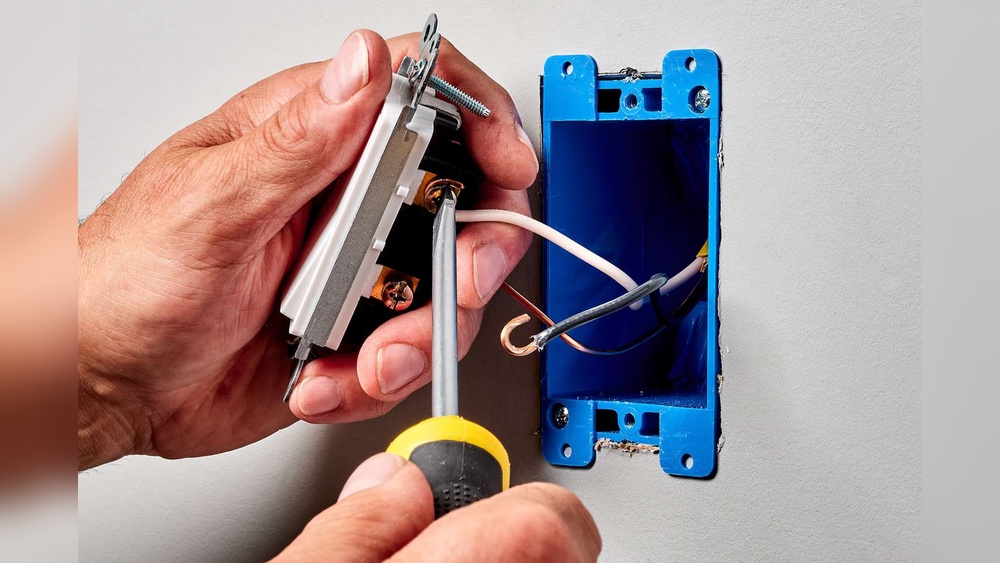
Understanding switch capacity and electrical limits is key when installing recessed lights. Each switch can only handle a certain amount of electrical load. Overloading a switch can cause problems like flickering lights or even electrical fires. Knowing these limits helps you plan how many lights to connect to one switch safely.
Standard Switch Ratings
Most household light switches are rated for 15 or 20 amps. This rating shows the maximum current the switch can handle. Exceeding this limit risks damaging the switch and your home’s wiring. Always check the switch’s label before connecting multiple recessed lights.
Wattage And Load Considerations
Each recessed light bulb uses a specific wattage. Multiply the wattage by the number of bulbs on one switch. The total should not exceed the switch’s wattage limit. Using LED bulbs reduces load because they consume less power than traditional bulbs.
Circuit Breaker Guidelines
Circuit breakers protect your home’s electrical system. They trip if the current is too high to prevent damage. A 15-amp breaker supports about 1,800 watts, and a 20-amp breaker supports about 2,400 watts. Plan your recessed lights to stay within these limits to avoid tripping.
Balancing Light Distribution
Balancing light distribution is key to good room lighting. It ensures every corner is bright enough without harsh spots. Proper balance makes a space inviting and comfortable.
Planning how many recessed lights to connect to one switch affects this balance. It helps control the mood and function of the room. Thoughtful placement leads to even lighting and better energy use.
Spacing Between Fixtures
Space recessed lights evenly for smooth light spread. Usually, space lights about half the ceiling height apart. For example, in an 8-foot ceiling, place lights 4 feet apart. This avoids dark patches and bright spots.
Proper spacing keeps the room bright and comfortable. It also reduces the number of fixtures needed, saving energy and cost.
Avoiding Shadows And Glare
Place lights to reduce shadows on walls and work areas. Avoid placing lights directly above where you sit or stand. This placement causes glare and eye strain.
Use angled or adjustable recessed lights to direct light where needed. Soft, diffused light reduces harsh shadows. Balanced lighting makes tasks easier and spaces look larger.
Layering With Other Light Sources
Combine recessed lights with lamps and wall lights. This creates layers of light for different activities. Layering adds depth and warmth to any room.
Use switches to control these layers separately. It gives flexibility to change lighting moods. Layered light makes rooms feel cozy and functional.

Credit: www.reddit.com
Common Configurations By Room Type
Choosing the right number of recessed lights per switch depends on the room’s size and function. Different rooms need different lighting setups. This helps create the right mood and ensures enough light for activities.
Living Rooms And Family Areas
Living rooms often have multiple light zones. One switch may control the main area lights. Another switch might control accent lighting. Usually, 4 to 6 recessed lights per switch work well. This setup balances brightness and energy use. It allows flexibility for watching TV or reading.
Kitchens And Dining Spaces
Kitchens need bright, focused light. Each switch might control 4 to 8 recessed lights. One switch for the cooking area. Another for the dining space. This helps with task lighting and ambiance. You can brighten the kitchen or dim the dining area easily.
Bathrooms And Hallways
Bathrooms require clear, even light. Typically, 3 to 5 recessed lights per switch are enough. Hallways use fewer lights, about 2 to 4 per switch. This keeps the space safe and well-lit. Separate switches help control light in different sections.
Smart Controls And Multi-switch Setups
Smart controls and multi-switch setups make lighting easy and flexible. These systems let you control multiple recessed lights from one or more switches. They help create the right mood and save energy. Adjust brightness, group lights, or connect to home devices. This section explains how to use these smart options well.
Dimmers And Scene Settings
Dimmers let you change light brightness smoothly. Lower light saves power and feels cozy. Scene settings are presets for different moods. For example, bright for work or soft for relaxing. You can switch scenes with one button. These features help control many recessed lights easily.
Grouping Lights Per Switch
Grouping means linking several lights to one switch. It simplifies control and saves wiring. Group by room, area, or function. For example, all kitchen lights on one switch. Or separate dining and cooking lights. Grouping helps you avoid many switches on one wall.
Integrating With Home Automation
Home automation connects lights to smart hubs or apps. Control lights by voice or phone from anywhere. Set schedules to turn lights on or off automatically. Integration works with other devices like sensors or alarms. It makes managing recessed lights easy and smart.
Installation Tips For Efficiency
Installing recessed lights needs careful planning for the best results. Efficiency during installation saves time and avoids future problems. Follow key tips to make the process smooth and safe. Proper steps help keep the wiring neat and the lights working well.
Planning Circuit Load
Calculate the total wattage of all lights on one switch. Each circuit has a limit, usually 15 or 20 amps. Avoid putting too many lights on one circuit. Spread lights across different circuits if needed. This prevents overload and tripped breakers. Use LED bulbs to reduce power use. Check the breaker size before finalizing the plan.
Professional Wiring Practices
Use quality wires that match the circuit load. Connect wires securely with wire nuts or connectors. Keep wire lengths short to reduce voltage drop. Label wires clearly for easy future fixes. Follow the wiring diagram strictly. Neat wiring reduces errors and saves time. Test connections before closing walls or ceilings.
Safety And Code Compliance
Follow local electrical codes for recessed light installation. Use UL-listed fixtures and parts for safety. Keep fixtures away from insulation to prevent fire risks. Install proper junction boxes for all connections. Use GFCI or AFCI breakers where required. Always turn off power before working on wiring. Hire a licensed electrician if unsure about rules or skills.
Frequently Asked Questions
How Many Recessed Lights Can One Switch Control?
One switch typically controls 4 to 6 recessed lights. This depends on the circuit’s wattage capacity and room size. For larger spaces, multiple switches may be needed to avoid overload and improve lighting control.
What Factors Determine Lights Per Switch In A Room?
Room size, lighting needs, and electrical capacity affect lights per switch. Larger rooms require more lights or multiple switches. Electrical circuit limits also dictate how many lights can be safely controlled by one switch.
Can Multiple Switches Control The Same Recessed Lights?
Yes, multiple switches can control the same recessed lights using three-way or four-way switches. This setup allows lighting control from different locations, improving convenience in larger rooms or hallways.
Does Led Lighting Affect Recessed Lights Per Switch?
LED lights consume less power, allowing more lights per switch. You can install more LED recessed lights on one circuit without overloading it. This improves energy efficiency and lighting flexibility.
Conclusion
Choosing the right number of recessed lights per switch improves room lighting. Too many lights on one switch may cause inconvenience. Splitting lights across switches allows better control and saves energy. Think about room size and purpose when planning your setup.
Proper lighting makes spaces feel comfortable and inviting. Simple planning helps avoid rewiring costs later. Now, you can make smarter lighting choices with ease.