Have you ever wondered how many amps a standard light switch can handle? Knowing this simple fact can keep your home safe and prevent electrical problems before they start.
Whether you’re fixing a switch or planning a new installation, understanding the amp rating is key to making smart choices. Keep reading, and you’ll discover everything you need to know to protect your home and make confident decisions about your electrical setup.
Light Switch Amp Ratings
Light switches control the flow of electricity to lights and devices. Each switch has an amp rating that shows how much electrical current it can safely handle. Understanding these ratings helps you pick the right switch for your home or project. It also keeps your electrical system safe and working well.
Common Amp Values
Most standard light switches have amp ratings of 15 or 20 amps. The 15-amp switch is the most common in homes. It works well for regular lighting and small appliances. The 20-amp switch handles more power. It is used for heavier loads or special circuits. Using the right amp value ensures your switch does not overheat or break.
Why Amp Ratings Matter
Amp ratings protect your electrical system from damage. A switch with too low an amp rating can fail or cause a fire. Choosing a switch with the correct amp rating keeps your wiring safe. It also helps your lights and devices work without interruption. Always check the amp rating before installing or replacing a switch.
Types Of Light Switches
Light switches come in different types. Each type works in a unique way. Knowing their differences helps you pick the right one. This also relates to how many amps a switch can handle safely. Below are some common types of light switches.
Toggle Switches
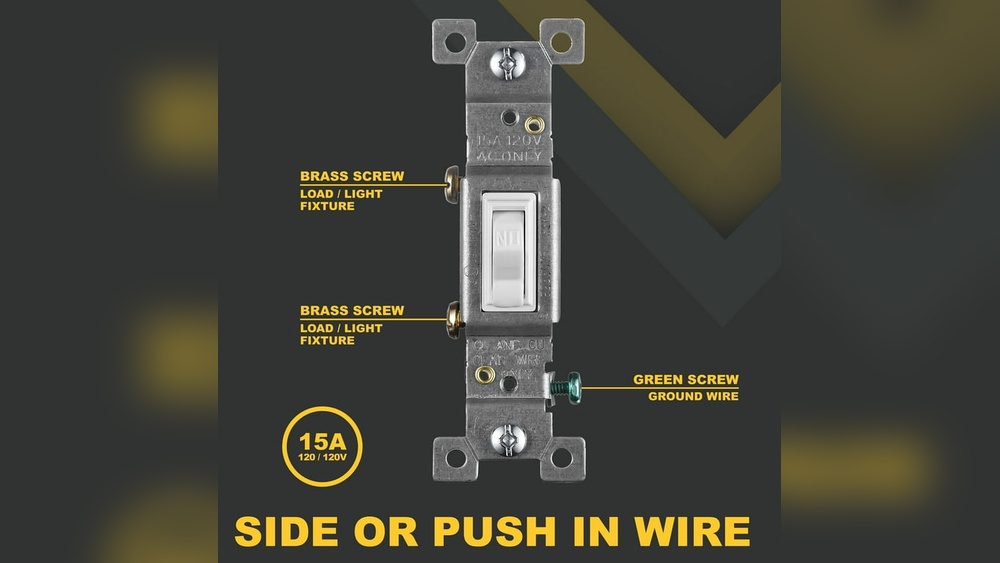
Toggle switches are the most common type. They have a small lever that flips up or down. This switch type usually handles 15 to 20 amps. It is simple and reliable for most home lighting needs.
Rocker Switches
Rocker switches have a flat surface that rocks back and forth. They offer a modern look and easy use. These switches also support around 15 to 20 amps. They are popular in new homes and renovations.
Dimmer Switches
Dimmer switches adjust the light brightness. They work by changing the electrical current flow. Most dimmers support 300 to 600 watts, about 2.5 to 5 amps. Using the right dimmer prevents overheating and damage.
Electrical Circuit Basics
Understanding electrical circuits helps explain how a standard light switch works. Circuits carry electricity to power lights and devices safely. Knowing the basics makes it easier to grasp how many amps a light switch can handle.
Voltage And Current
Voltage is the force that pushes electricity through wires. Current is the flow of electric charge measured in amps. A light switch controls this current by opening or closing the circuit. Most household light switches handle 15 to 20 amps of current safely.
Circuit Breakers And Fuses
Circuit breakers and fuses protect electrical circuits from damage. They stop the flow of current if it gets too high. This prevents overheating and fires. Light switches work within the limits set by these safety devices.

Credit: www.amazon.com
Choosing The Right Switch
Choosing the right light switch is important for safety and performance. A switch must handle the electrical load it controls. Using the wrong switch can cause problems. This section explains how to pick the correct switch for your needs.
Matching Switch To Load
The switch must match the load’s amperage. Most household switches handle 15 or 20 amps. Check your circuit’s amperage before buying a switch. A switch with a lower amp rating than needed can overheat. Overheating can cause damage or fire. Always choose a switch rated for the circuit’s current.
Safety Considerations
Safety is the top priority when selecting a switch. Use switches with proper certification marks. Avoid cheap or uncertified switches. Install switches according to local electrical codes. Turn off power before replacing or installing switches. Use insulated tools to prevent shocks. If unsure, hire a qualified electrician for installation.
Common Mistakes To Avoid
Understanding common mistakes helps keep your home safe and your switches working well. Many people do not realize how easy it is to damage a light switch by using it the wrong way. Simple errors can cause switches to fail or even create fire hazards.
Overloading Switches
Each light switch has a limit on how many amps it can handle. Using a switch for too many lights or heavy devices can overload it. Overloading causes the switch to heat up and may lead to a short circuit. Always check the amp rating before connecting multiple lights or high-power devices.
Improper Wiring
Wrong wiring is a common problem that can damage the switch and create safety risks. Connecting wires to the wrong terminals may cause flickering or no power at all. Loose connections can make the switch fail or spark. Always turn off power before wiring and follow instructions carefully.

Credit: www.amazon.com
Upgrading Light Switches
Upgrading light switches can improve both safety and convenience in your home. Old switches might not handle modern electrical loads well. New switches come with better designs and features. This section explains when to upgrade your switches and the benefits of modern options.
When To Upgrade
Switches that feel warm or spark need replacement. Flickering lights can signal switch problems. Switches older than 20 years may fail soon. Consider upgrading when adding new appliances or lighting. Old switches might not support higher amp loads safely.
Benefits Of Modern Switches
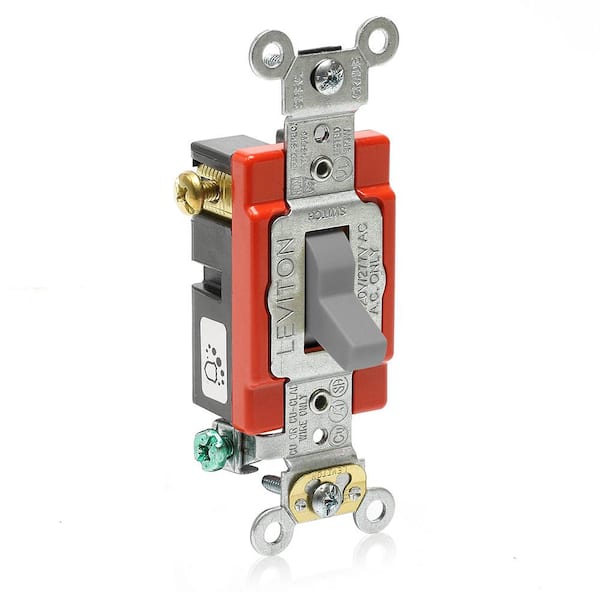
Modern switches can handle higher amps safely. They reduce the risk of electrical fires. Many offer smooth operation and longer life. Some models include dimming or smart control. Upgrading can improve your home’s energy use. Modern switches also add a fresh look to rooms.
Credit: www.homedepot.com
Frequently Asked Questions
What Is The Amp Rating Of A Standard Light Switch?
A standard light switch is typically rated for 15 or 20 amps. This rating matches common residential circuit breakers. It ensures safe control of lighting circuits without overheating or damage.
Can A Light Switch Handle More Amps Than Rated?
No, using a switch beyond its amp rating risks overheating and failure. Always match the switch rating to the circuit amperage for safety.
Why Do Standard Light Switches Have 15 Or 20 Amps Rating?
These ratings align with typical household circuits. Most home lighting circuits use 15 or 20 amp breakers, so switches are designed accordingly.
How To Check The Amp Rating On A Light Switch?
Look at the switch’s label or packaging. The amp rating is usually printed on the back or side of the switch.
Conclusion
A standard light switch usually handles 15 or 20 amps. This rating suits most home lighting needs. Using the right amp rating keeps your electrical system safe. Always check your switch’s specifications before installation. Choosing the correct switch prevents overload and electrical problems.
Remember, safety comes first with any electrical work. Simple steps help avoid costly repairs later. Understanding amps makes your home safer and more efficient.