Have you ever wondered how high off the ground your light switch should be? It’s a simple detail that can make a big difference in your comfort and convenience every day.
Whether you’re building a new home, renovating, or just fixing a switch, getting the height right matters more than you might think. You’ll discover the ideal height for light switches, why it’s important, and how to make sure yours are perfectly placed for ease of use.
Keep reading to find out how this small adjustment can improve your living space instantly.
:max_bytes(150000):strip_icc()/measuring-electrical-outlet-height-1821556-05-076149a72aa0476e87f3c10bbbab7d4c.jpg)
Credit: www.thespruce.com
Standard Height For Light Switches
The standard height for light switches is important for comfort and accessibility. It helps everyone use switches easily without bending or stretching. Most homes follow a common height range to keep things simple and consistent. This height also meets building rules and safety guidelines.
Common Measurements In Residential Settings
In most homes, light switches are placed about 48 inches (or 4 feet) above the floor. This height fits well for adults and older children. It is easy to reach without bending down or reaching too high. Some places use 44 to 48 inches as the standard range. This range works well with most furniture and room layouts.
Variations By Country And Region
Different countries have different rules for switch height. In the United States, 48 inches is common. In the United Kingdom, switches often sit at about 42 to 48 inches. Some European countries place switches lower, around 40 inches. These differences come from local building codes and habits. It is best to check local standards if you build or renovate.

Credit: www.angi.com
Factors Influencing Switch Height
Choosing the right height for a light switch depends on several key factors. These factors ensure the switch is easy to reach, safe to use, and fits the needs of all users. Understanding these influences helps create a comfortable and functional space.
Ergonomics And User Accessibility
Ergonomics focuses on comfort and ease of use. Light switches should be placed where most people can reach without stretching or bending. Typically, this means about 48 inches from the floor. This height works well for adults standing or sitting. It helps prevent strain and makes daily use smooth.
Building Codes And Safety Regulations
Building codes set rules for switch placement to ensure safety. These rules vary by country and region. Codes often require switches to be at a certain height to avoid electrical hazards. Following these rules avoids fines and ensures the installation is legal. Safety always comes first in any building project.
Special Needs And Accessibility Considerations
Accessibility means making spaces usable for everyone, including people with disabilities. Switches should be lower or placed where wheelchair users can reach them. The Americans with Disabilities Act recommends switches between 15 and 48 inches high. This range covers most users and promotes independence. Thinking about all users creates a welcoming environment.
Switch Height In Different Rooms
Switch height varies depending on the room. Each space has unique needs. Setting the right height makes switches easy to use and safe. It helps people of all ages and abilities operate lights comfortably. Below, find recommended heights for different rooms.
Living Areas And Bedrooms
In living rooms and bedrooms, switches usually sit 48 inches from the floor. This height suits most adults and children. It allows easy reach without bending or stretching. Switches near the door make entering and leaving simple. Consistent height across rooms helps avoid confusion.
Kitchens And Bathrooms
Switches in kitchens and bathrooms are often placed a bit higher. A height of 48 to 52 inches is common. This keeps switches safe from water spills and splashes. It also prevents accidental contact with wet hands. Position switches near entry points for quick access.
Commercial And Public Spaces
In public and commercial buildings, switch height follows strict rules. The Americans with Disabilities Act (ADA) suggests 48 inches maximum. This ensures accessibility for wheelchair users. Sometimes, switches are placed lower, around 44 inches. Clear labeling and positioning near doors improve usability.

Credit: www.familyhandyman.com
Installation Tips For Proper Switch Height
Setting the right height for a light switch is key to easy use and good room design. Proper installation keeps switches comfortable to reach. It also helps avoid future changes or repairs. Follow simple tips to place your switch at the best height.
Measuring And Marking The Wall
Start by measuring the standard height for switches. Usually, switches sit about 48 inches from the floor. Use a tape measure to mark this height on the wall. Mark the spot lightly with a pencil. Check the mark twice to avoid mistakes.
Using Tools For Accurate Placement
Use a level tool to keep your mark straight across the wall. A level ensures your switch won’t be crooked. A stud finder helps locate wall studs for secure installation. Use a pencil to make clear, precise marks on the wall.
Adjusting Height For Furniture And Fixtures
Think about nearby furniture and fixtures. Avoid placing switches where furniture blocks them. For low furniture, install switches a bit higher. In rooms with tall counters, place switches slightly lower. This adjustment improves comfort and accessibility.
Common Mistakes To Avoid
Choosing the right height for a light switch is simple but easy to get wrong. Many people make common mistakes that cause problems later. These errors affect usability, safety, and even legal compliance. Avoiding these mistakes helps create a comfortable and safe space.
Mounting Too High Or Too Low
Placing a light switch too high makes it hard to reach. Children, elderly, or people in wheelchairs may struggle. Mounting too low also causes inconvenience and looks awkward. The standard height is usually around 48 inches from the floor. This height suits most users and ensures easy access.
Ignoring Accessibility Requirements
Accessibility rules exist to help everyone use switches easily. Ignoring these rules excludes people with disabilities. Switches should be within reach for all users, including wheelchair users. Following accessibility guidelines creates a more inclusive environment for all.
Overlooking Local Code Compliance
Each area has rules about light switch placement. Ignoring these codes can lead to fines and rework. Local codes ensure safety and consistency in homes and buildings. Checking and following these rules before installation saves time and trouble.
Innovations And Trends In Switch Placement
Switch placement has changed a lot in recent years. New technology and design ideas affect how high switches should be. These changes make homes smarter and easier to use.
Switches are no longer just simple buttons on the wall. They connect with smart systems and offer more ways to control lights. This changes the rules for switch height and location.
Smart Switches And Automation
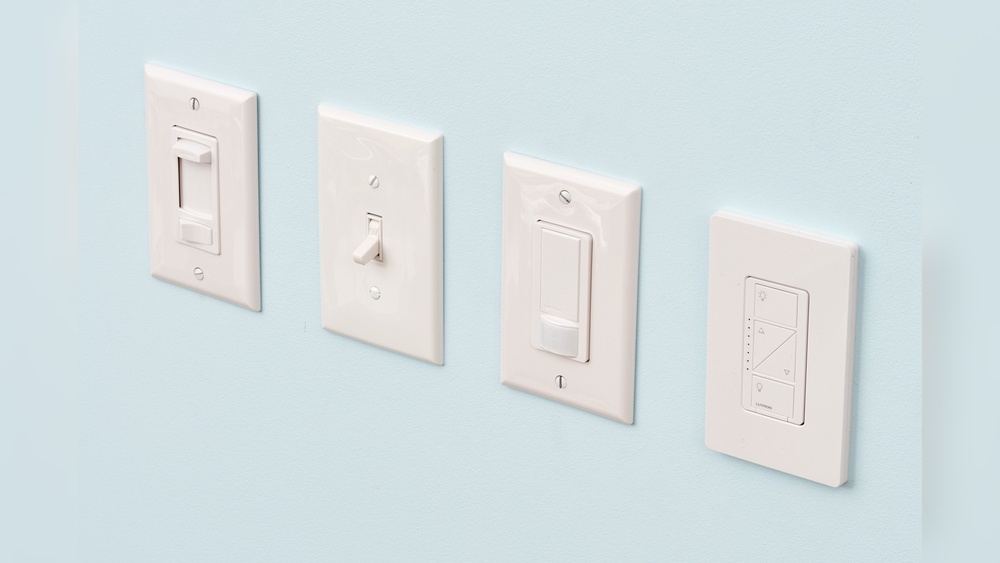
Smart switches connect to Wi-Fi and home systems. You can control them with phones or voice commands. This means switches do not need to be at the usual height. Some smart switches work automatically using sensors. They turn lights on or off without needing to touch anything.
Alternative Control Options
Touch panels, remote controls, and apps offer new ways to control lights. You can place switches anywhere or even skip them. Motion sensors and voice assistants work well for people with disabilities. These options reduce the need to think about switch height for everyone.
Design And Aesthetic Considerations
Design plays a big role in switch placement now. Some homes use hidden or flush switches to look clean. Designers place switches where they blend with the wall or furniture. This focus on style can change the usual 48-inch height rule.
Frequently Asked Questions
What Is The Standard Height For A Light Switch?
The standard height for a light switch is typically 48 inches from the floor. This height ensures easy reach for most adults and complies with building codes. It offers a comfortable and consistent placement throughout a home or office.
Why Is Light Switch Height Important?
Proper light switch height ensures accessibility and safety. It allows all users, including children and people with disabilities, to operate switches easily. Correct placement also enhances usability and meets local electrical regulations.
Can Light Switch Height Vary By Room Type?
Yes, light switch height can vary depending on the room. For example, switches in kitchens or bathrooms might be placed differently for convenience. However, most standards keep switches between 42 and 48 inches high.
How Does Ada Affect Light Switch Height?
The Americans with Disabilities Act (ADA) requires light switches to be between 15 and 48 inches high. This range allows wheelchair users and others with mobility challenges to reach switches comfortably. Compliance improves accessibility in public and private spaces.
Conclusion
Choosing the right height for a light switch matters a lot. It affects comfort and ease of use every day. Most switches sit about 48 inches from the floor. This height fits most people and follows common rules. Think about who uses the space most.
Kids, adults, or people with disabilities may need different heights. Planning ahead saves hassle later. A well-placed switch makes your home safer and more convenient. Simple steps can improve your daily life. Keep it easy to reach and use. That’s the key.