If your brake lights aren’t working properly, the problem might be the brake light switch. Knowing how to remove this small but important part can save you time and money.
In this guide, you’ll find clear, simple steps to remove your brake light switch safely and quickly. Whether you’re fixing it yourself or just want to understand the process better, this article will help you feel confident and ready. Keep reading to get your brake lights back in perfect shape.
Tools Needed
Removing a brake light switch needs some basic tools. Having the right tools makes the job easier and faster. This section lists all tools needed for this task.
Socket Wrench Set
A socket wrench set helps to remove bolts holding the switch. Choose the correct socket size for your vehicle. A ratchet handle makes turning bolts simple.
Screwdrivers
Flathead and Phillips screwdrivers are useful. They help to disconnect clips and screws around the switch. Keep both types handy for different fasteners.
Needle-nose Pliers
Needle-nose pliers reach into tight spaces. They help to pull out connectors without damage. Use them carefully to avoid breaking wires.
Flashlight
A flashlight lights up dark areas under the dashboard. Clear vision helps to find and remove the switch easily. Choose a bright, compact flashlight.
Safety Gloves
Gloves protect your hands from sharp parts and dirt. They also improve grip on small tools and components. Use comfortable, flexible gloves for this job.
Locate The Brake Light Switch
Locating the brake light switch is the first step in removing it safely. This small device controls your brake lights. It tells the lights to turn on when you press the brake pedal. Finding it can save time and prevent errors during removal.
The brake light switch is usually near the brake pedal. It often sits above or behind the pedal arm. Knowing its position helps you avoid confusion with other parts under the dashboard.
Check Under The Dashboard
Look under the dashboard on the driver’s side. Use a flashlight to see better in dark spaces. The switch is attached to the brake pedal bracket or near the pedal arm.
Identify The Brake Pedal Arm
Focus on the metal arm that moves when you press the pedal. The brake light switch connects to this arm. It may be clipped or screwed onto the bracket.
Spot The Electrical Connector
Look for a small plug with wires near the brake pedal. This plug connects to the switch. Carefully follow the wires to find the switch itself.
Prepare The Vehicle
Start by parking the vehicle on a flat surface and turning off the engine. Disconnect the battery to avoid electrical shocks. Make sure you have enough light and space to work safely around the brake light switch area.
Park The Vehicle On A Flat Surface
Start by parking the vehicle on a flat, stable surface. This step prevents the car from rolling during the repair. Use the parking brake to keep the vehicle steady. Safety first. Avoid working on slopes or uneven ground.
Turn Off The Engine And Remove The Keys
Switch off the engine completely. Take the keys out of the ignition. This stops any electrical systems from running. It also reduces the risk of electric shock. Make sure all lights and accessories are off.
Locate the vehicle’s battery. Use a wrench to disconnect the negative terminal first. This action cuts power to the brake light switch. Prevents accidental short circuits or shocks. Keep the terminals away from metal objects.
Gather Necessary Tools And Safety Gear
Prepare the tools needed for the job. Common tools include screwdrivers and pliers. Wear gloves to protect your hands. Use safety glasses to guard your eyes. Ready tools and gear speed up the process.

Credit: www.youtube.com
Disconnect The Battery
Disconnecting the battery is the first important step before removing the brake light switch. It stops electricity from flowing and keeps you safe. This step helps avoid short circuits or electric shocks while working on your vehicle.
Always make sure your car is turned off before starting. Removing the battery cable prevents accidental activation of electrical parts. This simple action protects you and your car’s electrical system.
Locate The Battery
Find the battery under the hood of your car. It usually sits near the front. Look for two cables attached to the battery terminals. One cable is positive, the other is negative.
Use The Right Tools
Grab a wrench or socket set that fits the battery terminals. A 10mm wrench is common for most cars. Using the correct tool prevents damage to the battery terminals.
Disconnect The Negative Terminal First
Start by loosening the negative terminal clamp. It is marked with a minus sign (-) or black color. Remove the cable and set it aside, away from the battery.
Disconnect The Positive Terminal
Next, loosen the positive terminal clamp. It has a plus sign (+) or red color. Remove this cable carefully to avoid touching any metal parts.
Secure The Cables
Keep both cables away from the battery terminals. This prevents accidental contact and sparks. Wrap the cables in a cloth or tape if needed.
Access The Brake Light Switch
Accessing the brake light switch is the first step in removing it safely. The switch is usually located near the brake pedal inside the vehicle. It might be hidden behind panels or covers that protect the wiring and components.
Finding and reaching the switch needs care. Removing any obstacles allows easy access and avoids damage to other parts. This section explains how to access the brake light switch clearly.
Remove Panels Or Covers
Start by checking under the dashboard on the driver’s side. Look for plastic panels or covers near the brake pedal. These panels protect the brake light switch and wires.
Use a screwdriver or trim tool to carefully remove these panels. Some panels snap off, while others have screws. Keep screws safe to reinstall later.
Removing the panels gives you a clear view of the brake light switch. It also creates space to work comfortably and avoid breaking any parts.
Identify The Switch Mounting
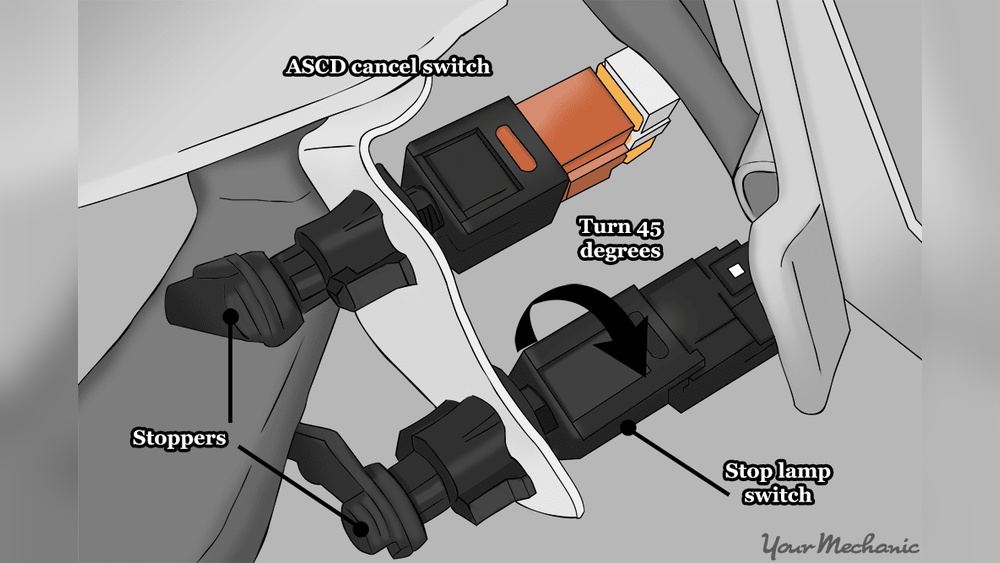
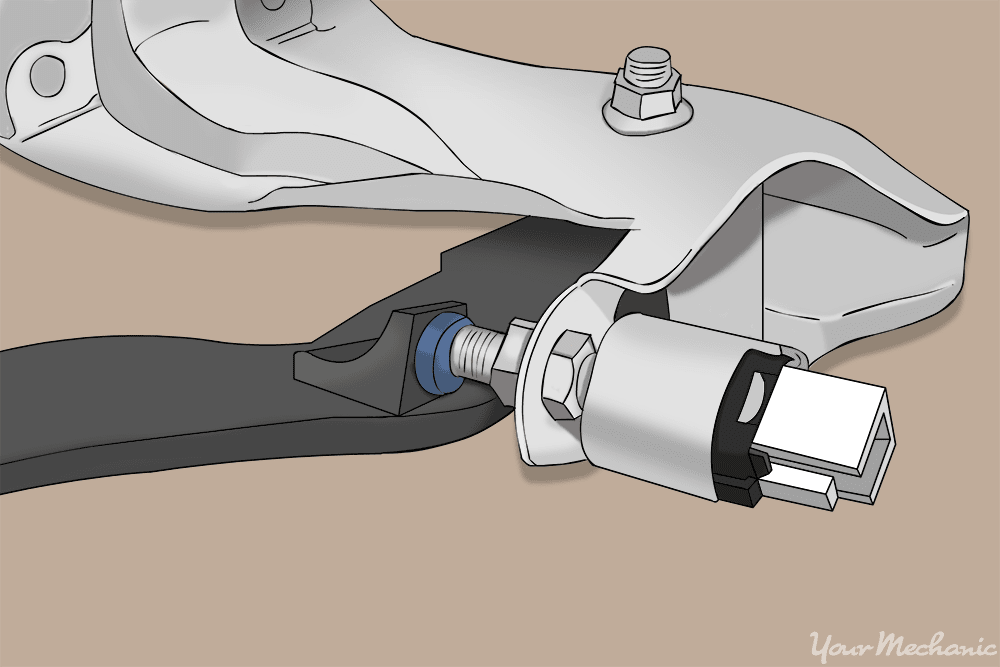
Once panels are removed, locate the brake light switch. It usually mounts to a bracket near the brake pedal arm. The switch has a small plunger or button pressed by the pedal.
Check how the switch is fixed. It may be held by a clip, a nut, or a screw. Knowing this helps you remove the switch without extra effort.
Look for the electrical connector attached to the switch. You will need to disconnect this before removing the switch fully. Handle the connector gently to avoid damage.
Credit: www.yourmechanic.com
Disconnect The Switch Wiring
Disconnecting the brake light switch wiring is an important step before removing the switch. It stops electrical power and helps avoid damage. You need to be careful and follow simple steps to do this correctly. This part explains how to safely disconnect the wiring from the brake light switch.
Locate The Brake Light Switch Connector
First, find the brake light switch under the dashboard. Look near the brake pedal arm. The switch has a wiring connector attached to it. The connector usually has a clip or tab to hold it in place. Spotting the connector is key before unplugging it.
Press The Release Tab
Next, press the release tab on the connector. Use your finger or a small tool. Pressing the tab unlocks the connector. Be gentle to avoid breaking the plastic tab. This step frees the connector for removal.
Pull The Connector Out
After pressing the tab, pull the connector away from the switch. Pull straight to avoid bending pins. If it feels stuck, wiggle slightly but do not force it. Removing the connector stops electrical flow to the switch.
Remove The Brake Light Switch
Removing the brake light switch is an essential step for many car repairs. This switch controls the brake lights, alerting drivers behind you when you slow down. Knowing how to remove it safely helps avoid damage to your vehicle.
This guide covers the basic steps to take the brake light switch out. Follow each step carefully for a smooth process.
Release Clips Or Fasteners
First, locate the clips or fasteners holding the brake light switch. These parts keep the switch firmly in place. Use your fingers or a small tool to gently press or pry the clips. Avoid using too much force to prevent breaking them.
Some clips may twist or slide to unlock. Check the switch’s base and surrounding area for any locking tabs. Removing these clips frees the switch for removal.
Extract The Switch
After releasing the clips, carefully pull the brake light switch out of its socket. Hold the switch firmly but gently. Wiggle it slightly if it feels stuck, but do not pull hard.
Once free, disconnect the electrical connector by pressing the tab and pulling the plug away. Keep the switch on a clean surface if you plan to reuse it. This completes the removal process.
Inspect And Replace
After removing the brake light switch, the next step is to inspect and replace it properly. This step ensures the brake lights work correctly and keep you safe on the road. Careful inspection helps you find any problems. Replacing the switch with a good one restores proper function quickly.
Check For Damage
Look closely at the brake light switch for any cracks or broken parts. Check the wiring and connectors for wear or corrosion. A damaged switch can stop the brake lights from working. Test the switch by pressing it to see if it moves freely. Any stiffness or failure to move means it needs replacement.
Install New Switch
Pick a new switch that fits your vehicle model exactly. Align the new switch in the same position as the old one. Secure the switch with screws or clips, as required. Reconnect the wiring harness firmly to avoid loose connections. Press the brake pedal to test the new switch and confirm the brake lights turn on.
Reconnect Wiring And Battery
After removing the brake light switch, reconnecting the wiring and battery is a key step. This ensures your brake lights function properly and your vehicle’s electrical system is safe. Take care with each connection to avoid damage or errors.
Reconnect The Wiring Harness
Locate the wiring harness that connects to the brake light switch. Align the plug carefully with the switch connector. Push the plug firmly until you hear a click. This click means the connection is secure.
Check the wiring for any signs of wear or damage. Replace frayed wires before reconnecting. Proper connections prevent brake light failures.
Secure The Wiring In Place
Use clips or zip ties to fasten the wiring. Keep wires away from hot engine parts or moving components. Secure wiring avoids shorts and breaks during driving.
Reconnect The Battery Terminal
Find the negative battery terminal and clean it if needed. Attach the terminal clamp tightly to the battery post. Tighten the bolt to prevent loose connections.
Reconnecting the battery restores power to the brake light switch and other systems.
Press the brake pedal and watch the brake lights. Confirm all lights turn on and off correctly. Proper testing ensures your repair is successful.

Credit: www.youtube.com
Test The Brake Lights
Testing the brake lights is a key step after removing the brake light switch. This check makes sure the lights work correctly and keep you safe on the road. Brake lights warn drivers behind you when you stop. Faulty brake lights can cause accidents or tickets.
Testing the brake lights is simple. It confirms the switch was removed or replaced properly. Follow these easy steps to test the brake lights.
Prepare For Testing
First, park your vehicle on a flat surface. Turn off the engine and set the parking brake. This keeps the car safe during testing. You may need a helper to watch the brake lights.
Press The Brake Pedal
Press the brake pedal slowly. Watch the brake lights at the rear of the car. They should light up as soon as you press the pedal. If they do not, the switch may not be working.
Check Each Brake Light
Look at every brake light. Check the center and side lights. All must turn on together. A single light off means a problem with the switch or bulb.
Use A Mirror Or Camera
If no one is available to help, use a small mirror. Place it to see the brake lights from the driver’s seat. A smartphone camera can also show the lights while pressing the pedal.
Fix Problems Found
If the brake lights do not work, recheck the switch connection. Replace the switch if needed. Test again after any repair. Proper brake lights are vital for safe driving.
Troubleshooting Tips
Troubleshooting the brake light switch helps find common problems fast. This saves time and avoids guesswork. Knowing how to check the switch and its parts ensures safety on the road.
Follow these tips to spot issues and fix them correctly. Simple tests reveal if the switch works or needs replacement.
Check The Brake Lights First
Press the brake pedal and watch the brake lights. If they do not light up, the switch might be faulty. Sometimes bulbs burn out, so check them too. Use a helper to see the lights while pressing the pedal.
Inspect The Switch Wiring
Look at the wires connected to the switch. Loose or damaged wires stop the signal. Make sure wires are tight and clean. If wires are broken, replace or repair them carefully.
Test The Switch With A Multimeter
A multimeter checks if the switch sends electricity. Set the multimeter to continuity mode. Press the brake pedal and test the switch terminals. No signal means the switch is bad and needs replacing.
Adjust The Switch Position
The switch must be in the right spot to work. Move it slightly if the brake lights do not turn on or off properly. Tighten the switch after adjusting. This fixes many common problems quickly.
Frequently Asked Questions
How Do I Safely Remove A Brake Light Switch?
To safely remove a brake light switch, disconnect the car battery first. Locate the switch near the brake pedal, unplug the connector, and twist or unclip it gently. Avoid forcing the switch to prevent damage.
What Tools Are Needed To Remove Brake Light Switch?
You typically need a wrench or screwdriver to remove the brake light switch. Some vehicles require no tools, just hand pressure to twist or unclip. Always check your vehicle manual for specific instructions.
How To Identify A Faulty Brake Light Switch?
A faulty brake light switch causes brake lights to stay on or not light up. You may notice cruise control issues or difficulty shifting gears. Testing involves checking switch continuity or replacing it to see if the problem resolves.
Can I Remove Brake Light Switch Without Professional Help?
Yes, removing the brake light switch is usually simple and can be done at home. Follow safety steps like disconnecting the battery and referring to your vehicle’s manual. If unsure, consult a professional.
Conclusion
Removing a brake light switch is a simple task with the right steps. Always start by disconnecting the car battery for safety. Locate the switch near the brake pedal and gently unplug it. Unscrew or unclip the switch carefully without forcing it.
Replace or clean it as needed, then reconnect everything. Test the brake lights before driving again. Taking your time helps avoid mistakes and keeps your car safe. This guide makes the process clear and easy for anyone to follow.