Are you looking to add a light switch to an existing outlet but don’t know where to start? You’re not alone.
Many homeowners want to control their lighting more easily without rewiring their whole room. The good news is, it’s simpler than you might think. By following a few clear steps, you can upgrade your space and make your lighting more convenient.
Keep reading, and you’ll discover exactly how to do it safely and efficiently—no electrician needed. Your home’s lighting is about to get a smart, easy boost.
Tools And Materials Needed
Adding a light switch to an existing outlet needs careful preparation. Gathering the right tools and materials makes the job easier and safer. Below is a list of what you will need.
Essential Tools
- Screwdriver (flathead and Phillips)
- Wire stripper
- Voltage tester
- Drill with bits
- Needle-nose pliers
- Electrical tape
- Level
- Flashlight
Required Materials
- Single-pole light switch
- Switch box (old work box)
- 14/2 or 12/2 electrical wire (based on circuit)
- Wire nuts
- Wall plate for switch
- Outlet cover plate (if replacing)
- Cable clamps
Safety Precautions
Working with electricity can be dangerous. Safety must come first before starting any wiring project. Taking the right safety steps helps prevent shocks and accidents. These simple actions protect you and your home.
Turning Off Power
Start by switching off the power to the outlet. Use the main circuit breaker or fuse box. Confirm the correct breaker controls the outlet you will work on. This step stops electricity from flowing and reduces risk.
Using A Voltage Tester
Check the outlet with a voltage tester. This tool shows if electricity is still present. Touch the tester probes to the outlet terminals. No light or sound means the power is off. Never skip this check. It ensures your safety before touching wires.
Planning The Wiring Layout
Planning the wiring layout is the first step in adding a light switch to an existing outlet. This step helps ensure safety and proper function. It also makes the installation easier and cleaner. Taking time to plan saves effort and prevents mistakes.
Locating The Outlet
Find the outlet you want to connect the switch to. Check if it has enough space inside for extra wiring. Make sure the outlet is working properly. Use a voltage tester to confirm power is off before touching wires.
Choosing The Switch Location
Pick a spot for the switch near the outlet or where it is easy to reach. The switch should be in a visible and convenient place. Avoid placing the switch too far from the outlet to keep wiring simple. Check the wall for studs or obstacles before cutting.
Understanding Circuit Load
Know the total load on the circuit to avoid overloading. Each circuit has a limit of how much power it can carry. Adding a light switch means more load on the circuit. Calculate the load from all devices on the circuit to stay safe.
Removing The Existing Outlet Cover
Start by turning off the power to the outlet for safety. Then, carefully remove the screws and pull off the outlet cover. This step gives clear access to the wiring needed for adding a light switch.
Gather The Right Tools
Start by preparing the tools needed for the job. A flathead or Phillips screwdriver is essential. Keep a flashlight nearby to see inside the outlet box clearly. Safety gloves can protect your hands from sharp edges.
Turn Off The Power
Before touching the outlet, switch off the power at the circuit breaker. This step prevents electric shocks. Test the outlet with a voltage tester to confirm the power is off.
Unscrew The Outlet Cover
Locate the screws holding the outlet cover in place. Use the screwdriver to remove them carefully. Keep the screws safe; you will need them later. Gently pull the cover away from the wall.
Inspect The Outlet And Wiring
With the cover removed, check the outlet and wiring condition. Look for signs of damage or wear. Make sure wires are securely connected and not frayed.
Wiring The Light Switch
Wiring the light switch is a key step in adding control to your outlet. It involves connecting the right wires to make the switch work safely. Follow each step carefully for the best results.
Identifying Wires
First, turn off the power at the breaker box. Use a voltage tester to check wires. Look for the hot wire, usually black or red. The neutral wire is typically white. The ground wire is green or bare copper. Knowing these helps avoid mistakes.
Connecting Switch Wires
Attach the hot wire from the outlet to one terminal on the switch. Connect the other terminal to the wire going to the light. Leave the neutral wires connected together in the box. Connect the ground wire to the switch’s green screw. Tighten all screws firmly.
Securing Connections
Use wire nuts to secure all wire connections. Wrap electrical tape around the wire nuts for safety. Push the wires gently back into the box. Screw the switch into place. Restore power and test the switch to ensure it works.

Credit: www.youtube.com
Modifying The Outlet Wiring
Modifying the outlet wiring is a key step when adding a light switch to an existing outlet. This process changes how electricity flows. It allows the switch to control power to the light without affecting the outlet’s normal use. Careful attention is needed to keep everything safe and working properly.
Adding A Switch Loop
Start by turning off the power at the breaker. Remove the outlet cover and outlet from the box. Identify the hot wire that supplies power to the outlet. Use a new wire to create a switch loop from the outlet to the switch box. Connect the hot wire to the new wire going to the switch. Then connect the return wire from the switch back to the outlet’s hot terminal. This loop lets the switch control power to the light.
Maintaining Outlet Functionality
Keep the outlet working while adding the switch. The neutral wire must stay connected directly to the outlet. Do not interrupt the neutral connection. The ground wire should also remain connected to both the outlet and switch boxes. Double-check all connections for tightness and safety. Restore power and test the switch and outlet. Both should work independently without issues.
Installing The Switch Box
Installing the switch box is an important step in adding a light switch to an existing outlet. It holds the switch securely and protects the wiring. You need to prepare the wall and mount the box carefully. This section explains how to cut the wall opening and mount the switch box properly.
Cutting The Wall Opening
First, choose the right spot for the switch box on the wall. Use a pencil to mark the outline based on the box size. Double-check the measurements to avoid mistakes.
Use a drywall saw to cut along the marked lines. Cut slowly and carefully to keep the edges clean. Remove the cut piece gently to avoid breaking the drywall.
Check the opening size by fitting the switch box into it. The box should fit snugly without forcing it. Adjust the opening if it is too tight or too loose.
Mounting The Switch Box
After cutting the opening, place the switch box inside the wall cavity. Align it with the edges of the drywall for a flush fit.
Use screws or nails to secure the box to the wall studs. Make sure the box is stable and does not move. Tighten the fasteners but avoid over-tightening, which can crack the box.
Check the box’s position to ensure it is level and straight. This helps the switch fit properly and look neat after installation.
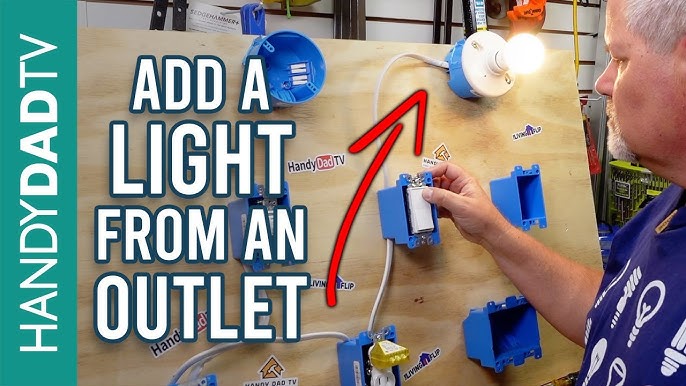
Credit: www.youtube.com
Testing The Installation
Testing the installation is a crucial step after adding a light switch to an existing outlet. It ensures everything works safely and correctly. This step confirms that the wiring is correct and the switch controls the light as intended. Follow these simple tests to verify your work.
Restoring Power
First, turn the power back on at the circuit breaker. Double-check that the breaker controls the correct circuit. Switch it on slowly to avoid any sparks or electrical issues. Stand clear and be ready to turn it off if you notice anything unusual.
After restoring power, use a voltage tester on the outlet and switch terminals. This step confirms power flows through the wires safely. No voltage means a wiring problem or breaker issue. Fix these before proceeding.
Verifying Switch Operation
Next, test the light switch by flipping it on and off. The connected light should respond immediately. If the light doesn’t turn on, check the wiring connections again. Loose wires or reversed terminals can cause failure.
Also, test the outlet to make sure it still works. Plug in a small device or lamp to confirm power is stable. Both the outlet and switch must function properly for a successful installation.
Finishing Touches
Finishing touches make your new light switch look neat and safe. These small steps give a clean and polished result. They also protect the wiring and parts inside the wall. Take your time to complete these last tasks carefully.
Attaching Cover Plates
Choose cover plates that match your room’s style. Align the plate over the switch or outlet. Use a screwdriver to tighten the screws gently. Avoid over-tightening to prevent cracking the plate. Ensure the plate sits flush against the wall. Check that the switch moves freely without obstruction.
Cleaning The Work Area
Remove any dust or debris from your work spot. Use a soft cloth or vacuum cleaner for safety. Clean around the switch and outlet to remove fingerprints and smudges. Proper cleaning improves the switch’s appearance. Dispose of leftover materials and tools carefully. Leave the area safe and tidy for use.
Credit: www.reddit.com
Frequently Asked Questions
How Do I Add A Light Switch To An Existing Outlet?
Turn off the power at the breaker. Remove the outlet cover, and connect a switch wire to the outlet’s hot terminal. Install the switch in a new box and connect the wires. Restore power and test the switch.
Can I Control Multiple Lights From One Switch?
Yes, you can wire multiple lights to one switch by connecting all light fixtures’ hot wires to the switch’s load terminal. Ensure the switch and wiring support the total load to avoid overheating or failure.
What Tools Do I Need To Add A Light Switch?
You’ll need a voltage tester, wire strippers, screwdrivers, electrical tape, wire nuts, a new switch, and a switch box. These tools help ensure safe installation and proper wiring when adding a switch to an outlet.
Is It Safe To Add A Switch To An Existing Outlet?
Yes, if you follow safety guidelines. Turn off power, verify with a tester, use proper wiring techniques, and secure connections. If unsure, consult a licensed electrician to avoid electrical hazards.
Conclusion
Adding a light switch to an existing outlet can improve your home’s lighting control. Follow safety steps and use the right tools for the job. Take time to understand wiring and connections clearly. Double-check all work before restoring power to avoid accidents.
This simple upgrade offers convenience and better energy use. With patience and care, anyone can complete this task successfully. Keep your home safe and well-lit with this handy skill.