Have you ever found yourself standing outside your door, keys nowhere in sight, and a deadbolt lock blocking your way? It’s a frustrating situation that can happen to anyone.
But don’t worry—there are simple, effective ways to open a deadbolt lock from the outside without calling a locksmith or breaking your door. You’ll discover easy-to-follow methods that can save you time, money, and stress. Keep reading, because what you learn here could be the key to getting back inside quickly and safely.

Credit: lifehacks.stackexchange.com
Tools Needed
Opening a deadbolt lock from the outside needs the right tools. Without proper tools, the task becomes hard and time-consuming. Some tools are easy to find at home. Others need to be bought or made. Knowing which tools to use makes the process smoother and safer.
Common Household Items
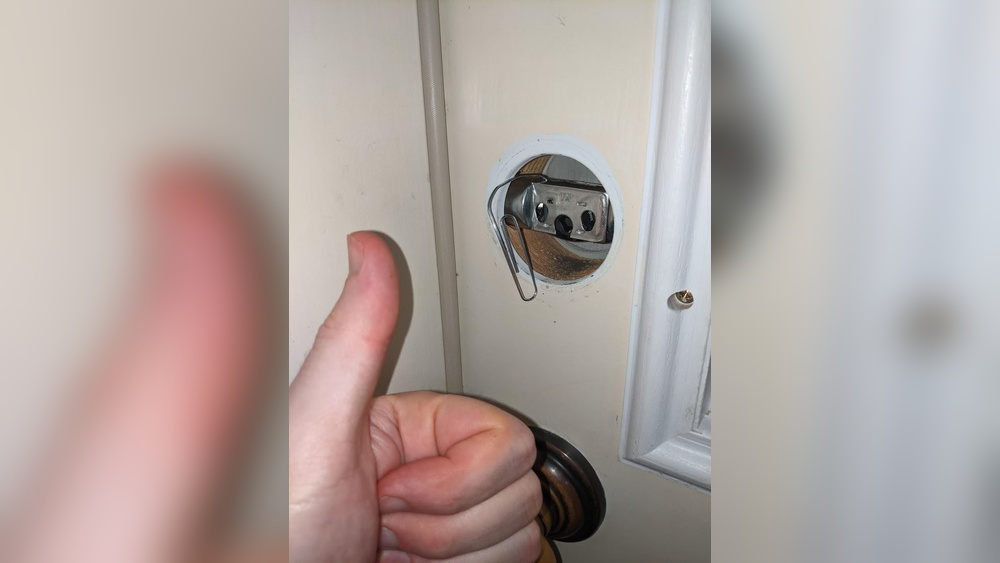
Some household items can help open a deadbolt in an emergency. A thin, flexible piece of plastic like a credit card may slide between the door and frame. This can sometimes push back the latch. A paperclip can also work as a simple pick tool. Straighten the clip and try to lift the lock pins inside. A small flathead screwdriver can turn the lock if there is a keyhole accessible. These items are easy to find and require no special skills.
Specialized Lock Picking Tools
Special tools make lock picking easier and more reliable. A tension wrench applies pressure to the lock cylinder. Lock picks come in many shapes to lift pins inside the lock. Rake picks can move multiple pins quickly. Hook picks allow precise control over each pin. These tools require practice and knowledge to use well. Locksmiths and hobbyists often use these tools. They are available online or in specialty stores.
Assessing The Lock Type
Knowing the type of deadbolt lock is the first step in opening it from the outside. Different deadbolts have different mechanisms. This changes how you approach opening them. Identifying the lock type helps choose the right method.
Single Cylinder Deadbolt
A single cylinder deadbolt has a keyhole on the outside. It uses a thumb turn on the inside. This is the most common type of deadbolt. It is easier to open from the outside with the correct key or tool.
This lock type relies only on the key for security on the outside. The thumb turn inside allows quick locking and unlocking. Knowing this can guide you to focus on the key cylinder when opening.
Double Cylinder Deadbolt
A double cylinder deadbolt has keyholes on both sides. There is no thumb turn inside. This adds more security to doors with glass panels or windows.
Opening this type from the outside requires the correct key. Without it, the lock cannot be turned. Understanding this helps avoid wasting time on wrong methods.
Using A Credit Card
Using a credit card can help open some deadbolt locks from the outside. This method works best on spring bolt locks, not on deadbolts with a solid metal bolt. The card slides between the door and frame to push the bolt back. It requires patience and a little skill.
Not all credit cards work well. Choose a flexible, thin card that you do not mind bending or damaging. A plastic card is better than a thick, hard card.
When This Method Works
This method works only on spring latch deadbolts, not on deadbolts with a solid metal bolt. The door must have some space between it and the frame. The lock should not be fully engaged or locked tightly. This technique fails if the deadbolt is strong or the door fits tightly.
It works better on older locks or doors that are slightly misaligned. Newer deadbolts or reinforced doors often resist this method.
Step-by-step Process
First, pick a flexible plastic card. Avoid your real credit or debit card. An old gift card or loyalty card works well.
Hold the card firmly and slide it into the gap between the door and the frame, near the latch. Push the card in and wiggle it. Try to slip it behind the latch.
Apply pressure on the card, pushing the latch back toward the door. Move the card up and down while pushing. This helps the latch to retract.
When the latch moves back, gently push the door open. If it does not open, try again with more wiggle and pressure. Be patient and careful not to break the card.
Lock Picking Basics
Understanding lock picking basics helps you open a deadbolt lock from outside. The process needs patience and the right tools. Learning these basics improves your chances of success.
Lock picking is about feeling the pins inside the lock and moving them to the correct position. Small tools called picks help with this task. Knowing which pick to use and how to use it is key.
Choosing The Right Picks
Pick sets come with many shapes and sizes. Some picks are better for certain locks. Thin picks fit into tight spaces. Thick picks give more control. Start with simple picks to practice. A tension wrench is also needed to turn the lock once pins are set.
Raking Vs. Single Pin Picking
Raking moves the pick back and forth quickly. This method feels for pins that can move easily. It is faster but less precise. Single pin picking targets each pin one by one. It takes more time but works well on tricky locks. Both methods need patience and a light touch.
Bypassing With A Bump Key
Bypassing a deadbolt lock with a bump key is a common technique used to open locks without the original key. A bump key is a specially cut key that fits many locks of the same type. It works by tapping or “bumping” the pins inside the lock to the correct position. This method requires some skill but can be effective for opening deadbolts.
How Bump Keys Work
Bump keys have all their cuts set to the maximum depth. When inserted into a lock, they fit loosely. A sharp tap on the key causes the pins inside to jump briefly. This moment allows the lock cylinder to turn freely. The process must be timed well to open the lock successfully.
The bump key does not damage the lock if used carefully. It works only on pin tumbler locks, which are common in deadbolts. The technique depends on the lock’s design and condition. Some locks resist bumping better than others.
Safe And Legal Use
Using bump keys should be done responsibly. Only use them on locks you own or have permission to open. Unauthorized use is illegal and can lead to serious consequences. Practice bumping on locks you control to improve your skill.
Always respect privacy and property laws. Bump keys are tools for emergency access or locksmith professionals. Keep them secure and do not share with others without trust. Safety comes first in all lock-related tasks.
Drilling The Lock
Drilling a deadbolt lock is a last option to open it from outside. It means making a hole in the lock cylinder. This method destroys the lock but allows access. Drilling needs care and the right tools to avoid damage to the door.
When To Consider Drilling
Drilling should be used only if other methods fail. Picking or bumping the lock might work first. If the key is lost and no spare is available, drilling helps. Also, if the lock is broken inside, drilling can open it. This method is quick but permanent.
Drilling Techniques
Start by using a power drill with a metal bit. Drill at the center of the keyhole. Use steady pressure and keep the drill straight. Drill slowly to avoid overheating the bit. Once the lock cylinder is drilled through, use a screwdriver to turn the lock. Wear safety glasses to protect eyes from metal shavings. Clean the area after drilling for safety.
Preventive Measures
Taking steps to protect your deadbolt lock can save you from many problems. Preventive measures help keep your home safe and avoid lockouts. Simple actions now can prevent stressful situations later.
Upgrading Lock Security
Choose a deadbolt with strong materials like steel or brass. These locks resist picking and forced entry better. Consider locks with anti-drill and anti-bump features. Install a high-quality strike plate on the door frame. Reinforce the door with solid wood or metal. These upgrades make your lock harder to break.
Emergency Access Tips
Keep a spare key in a safe place outside your home. Give a trusted neighbor or friend a copy for emergencies. Use a lock box with a combination code near your door. Avoid hiding keys in obvious spots like under mats. Label your keys clearly to avoid confusion. These tips help you get inside without damage if locked out.

Credit: www.youtube.com

Credit: www.youtube.com
Frequently Asked Questions
How Can I Open A Deadbolt Lock Without A Key?
You can open a deadbolt without a key using a bump key, lock picking tools, or by removing the lock cylinder. However, these methods require skill and legal permission. Always ensure you have authorization before attempting to open a lock this way.
What Tools Are Needed To Open A Deadbolt Lock?
Common tools include a bump key, tension wrench, and pick set. A drill or screwdriver may be necessary for forced entry. Use tools carefully to avoid damage and only with proper authorization to open the deadbolt lock.
Is It Legal To Open A Deadbolt Lock From Outside?
Opening a deadbolt without permission is illegal and considered breaking and entering. Always ensure you have the owner’s consent or legal right before attempting to open a lock. Unauthorized entry can lead to serious legal consequences.
Can A Locksmith Open A Deadbolt Without Damage?
Yes, professional locksmiths can open most deadbolts with minimal or no damage. They use specialized tools and skills to pick or decode the lock efficiently. Hiring a locksmith is the safest option if you are locked out.
Conclusion
Opening a deadbolt lock from the outside can be tricky but possible. Using the right tools and methods makes the task easier. Always stay calm and patient while trying to open the lock. Remember, practice helps improve your skills over time.
Avoid damaging the lock or door during the process. If you cannot open it, consider calling a professional locksmith. Safety and care should be your top priorities. Keep these tips in mind for future situations with deadbolt locks.