Have you ever hung something important on your wall, only to find the anchor loose or the screw falling out? It’s frustrating and can even damage your walls if not handled right.
But don’t worry—you can fix that anchor yourself, quickly and easily. You’ll learn simple steps to secure your wall anchors so your shelves, pictures, or decorations stay put. Keep reading, and you’ll gain the confidence to tackle this common problem and protect your walls from future damage.

Credit: diy.stackexchange.com
Choosing The Right Anchor
Choosing the right anchor is key to fixing anchors in the wall. The wrong anchor can cause damage or fail to hold weight. Knowing which anchor fits your wall type keeps things safe and steady.
Types Of Wall Anchors
There are several types of wall anchors. Plastic expansion anchors work well for light loads. They expand as you screw in, gripping the wall. Metal anchors are stronger and support heavier items. Toggle bolts spread inside the wall for maximum hold. Molly bolts open behind the wall to lock firmly in place.
Selecting Based On Wall Material
Wall material affects anchor choice. Drywall needs lightweight anchors like plastic or molly bolts. Concrete or brick requires heavy-duty anchors such as sleeve or wedge anchors. Hollow walls call for toggle bolts for a secure grip. Always match the anchor to the wall type for best results.
Removing A Damaged Anchor
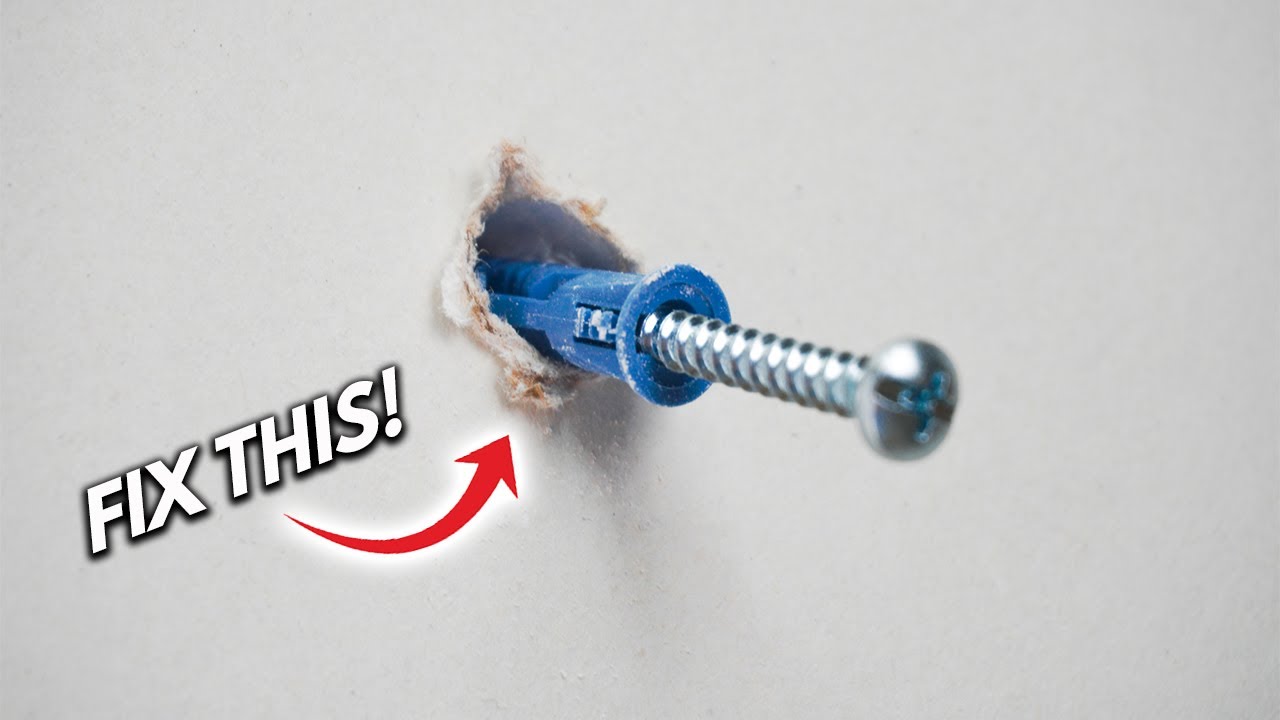
Removing a damaged anchor from a wall is important before fixing a new one. A broken anchor can make the hole bigger or weak. This can stop your new anchor from holding well. Knowing how to remove it safely helps keep your wall strong and neat.
Tools You’ll Need
- Pliers – for gripping and pulling the anchor
- Screwdriver – to loosen screws or help pry out the anchor
- Utility knife – to cut or score around the anchor
- Drill with a bit – to remove stuck anchors or make the hole clean
- Vacuum or brush – to clean dust and debris from the hole
Step-by-step Removal Process
- Use pliers to grip the anchor’s edge firmly.
- Pull the anchor straight out gently.
- If it does not come out, use a screwdriver to pry it loose.
- Cut around the anchor with a utility knife if it is flush with the wall.
- For metal anchors, try twisting them out with pliers.
- If stuck, drill carefully into the anchor to break it.
- Remove any loose pieces and dust from the hole.
- Inspect the hole for damage before installing a new anchor.
Repairing The Wall Hole
Repairing the wall hole is an important step after removing or fixing an anchor. This process helps restore the wall’s smooth surface. It also prepares the area for painting or hanging new items. Different hole sizes need different repair methods. Small holes are easier to fix, while bigger damage requires extra care and materials.
Filling Small Holes
Small holes from anchors can be filled with spackling paste. Use a putty knife to apply a small amount over the hole. Press the paste firmly to fill the hole completely. Smooth the surface with the knife to make it even with the wall. Let it dry according to the product instructions. Once dry, the area is ready for sanding or painting.
Fixing Larger Damage
Larger holes or damaged areas need a stronger repair. Start by cleaning the hole and removing loose debris. Use a patch or mesh tape to cover the hole. Apply joint compound over the patch with a putty knife. Spread the compound evenly and feather the edges to blend with the wall. Allow it to dry fully. Apply a second coat if needed for a smooth finish.
Sanding And Smoothing
After the filler dries, sanding is necessary to smooth the surface. Use fine-grit sandpaper to gently sand the patched area. Move in small circles to blend the repair with the wall. Wipe away dust with a damp cloth. Check for uneven spots and sand again if needed. The wall should feel smooth and ready for paint or wallpaper.
Installing A New Anchor
Installing a new anchor in the wall is a simple task that helps secure objects safely. Doing it right ensures the anchor holds strong and supports the weight needed. This guide breaks down the steps into easy parts. Follow each step carefully for the best results.
Marking The Spot
Start by deciding where the anchor will go. Use a pencil to mark the exact spot on the wall. Check the mark twice to avoid mistakes. A clear mark makes drilling easier and more accurate.
Drilling The Hole
Select a drill bit that matches the anchor size. Hold the drill steady and drill straight into the wall at the marked spot. Drill only as deep as the anchor requires. Clean out dust from the hole before inserting the anchor.
Inserting The Anchor Properly
Push the anchor gently into the hole. Tap it lightly with a hammer if needed, until it is flush with the wall. Avoid forcing the anchor too hard. Make sure it fits snugly and does not move.
Tips For Stronger Fixings
Strong fixings keep your items safe and secure on the wall. They stop damage and avoid accidents. Good fixings last longer and hold more weight. Follow these tips for stronger anchor fixings.
Avoiding Common Mistakes
Choose the right type of anchor for your wall material. Do not use drywall anchors on concrete walls. Drill the hole to the correct size. Too big or too small holes weaken the fixing. Tighten screws gently to avoid cracking the wall or anchor.
Using The Right Tools
Use a drill with the correct bit size for the anchor. A hammer helps to tap anchors flush with the wall. Screwdrivers with the right tip size prevent stripping screws. A level ensures your fixings are straight and even. Always wear safety glasses to protect your eyes.
Weight Limits And Safety
Check the anchor’s weight limit before use. Overloading can cause the anchor to fail. Spread heavy items over multiple fixings for better support. Test the fixing gently before hanging heavy objects. Keep safety in mind to prevent wall or item damage.
Credit: www.youtube.com

Credit: www.amazon.com
Frequently Asked Questions
How Do I Fix A Loose Wall Anchor?
To fix a loose wall anchor, remove it carefully, fill the hole with wood filler or epoxy, let it dry, then reinsert the anchor. Use the correct size drill bit and anchor for a secure fit.
What Tools Are Needed To Fix Wall Anchors?
You need a drill, screwdriver, wall anchors, wood filler or epoxy, putty knife, and a hammer. These tools help remove, fill, and reinstall anchors properly for a strong hold.
Can I Reuse A Wall Anchor After Fixing It?
Reusing a wall anchor is not recommended if the hole is damaged. Instead, fill the hole and install a new anchor to ensure stability and safety.
Why Do Wall Anchors Become Loose Over Time?
Wall anchors loosen due to improper installation, using the wrong anchor type, or heavy loads. Moisture and wall material can also affect anchor stability over time.
Conclusion
Fixing a wall anchor does not have to be hard. Follow the steps carefully and take your time. Choose the right tools and materials for the job. Always check if the anchor is secure before hanging anything. A strong anchor keeps your walls safe and your items steady.
Practice makes the task easier and more confident. Keep your walls looking neat and your home organized. You can handle this repair with simple care and patience.