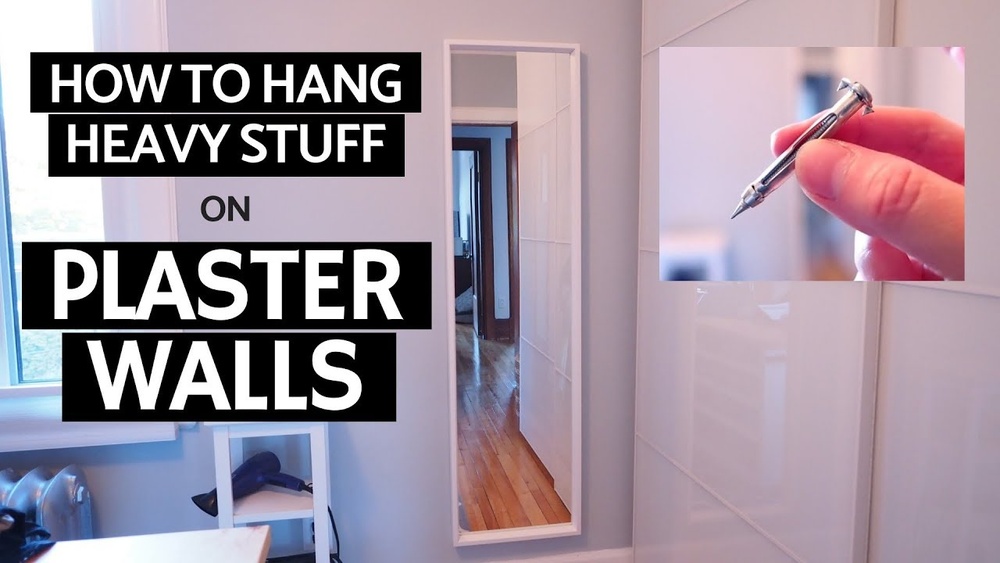
Are you struggling to hang heavy items on your plaster walls without worrying they might fall? Installing anchor bolts is the key to making your walls strong and secure.
But if you’re unsure how to do it right, you could damage your wall or end up with weak support. In this guide, you’ll discover simple, step-by-step instructions to install anchor bolts safely and effectively. By the end, you’ll feel confident tackling your next project and keeping your walls intact.
Let’s get started and make your walls work for you!
Credit: www.reddit.com
Types Of Anchor Bolts
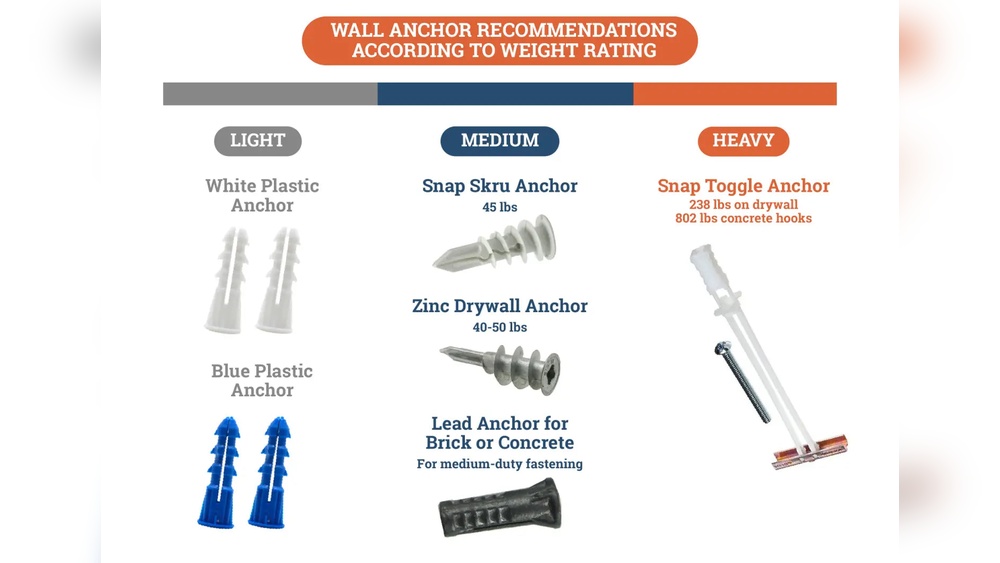
Anchor bolts are essential for securing objects to plaster walls. Different types suit different weights and wall conditions. Choosing the right anchor bolt ensures a strong hold and prevents damage.
Plastic Expansion Anchors
Plastic expansion anchors are simple and easy to use. They work well for light loads. Insert the anchor into a drilled hole, then screw in the bolt. The plastic expands, gripping the wall tightly.
Toggle Bolts
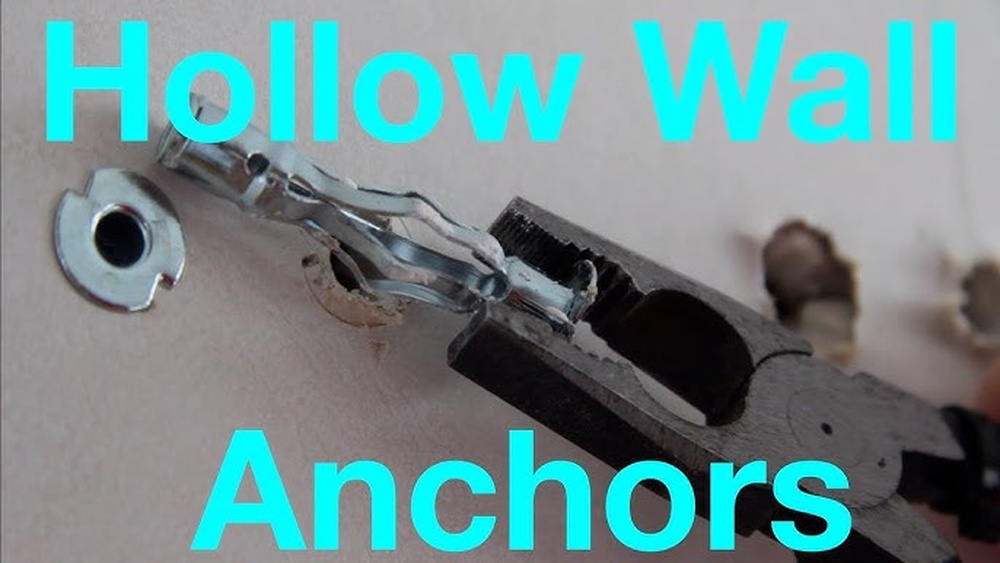
Toggle bolts provide strong support for heavy items. They have wings that open behind the wall. The wings spread the load over a larger area. Ideal for hollow plaster walls where extra strength is needed.
Molly Bolts
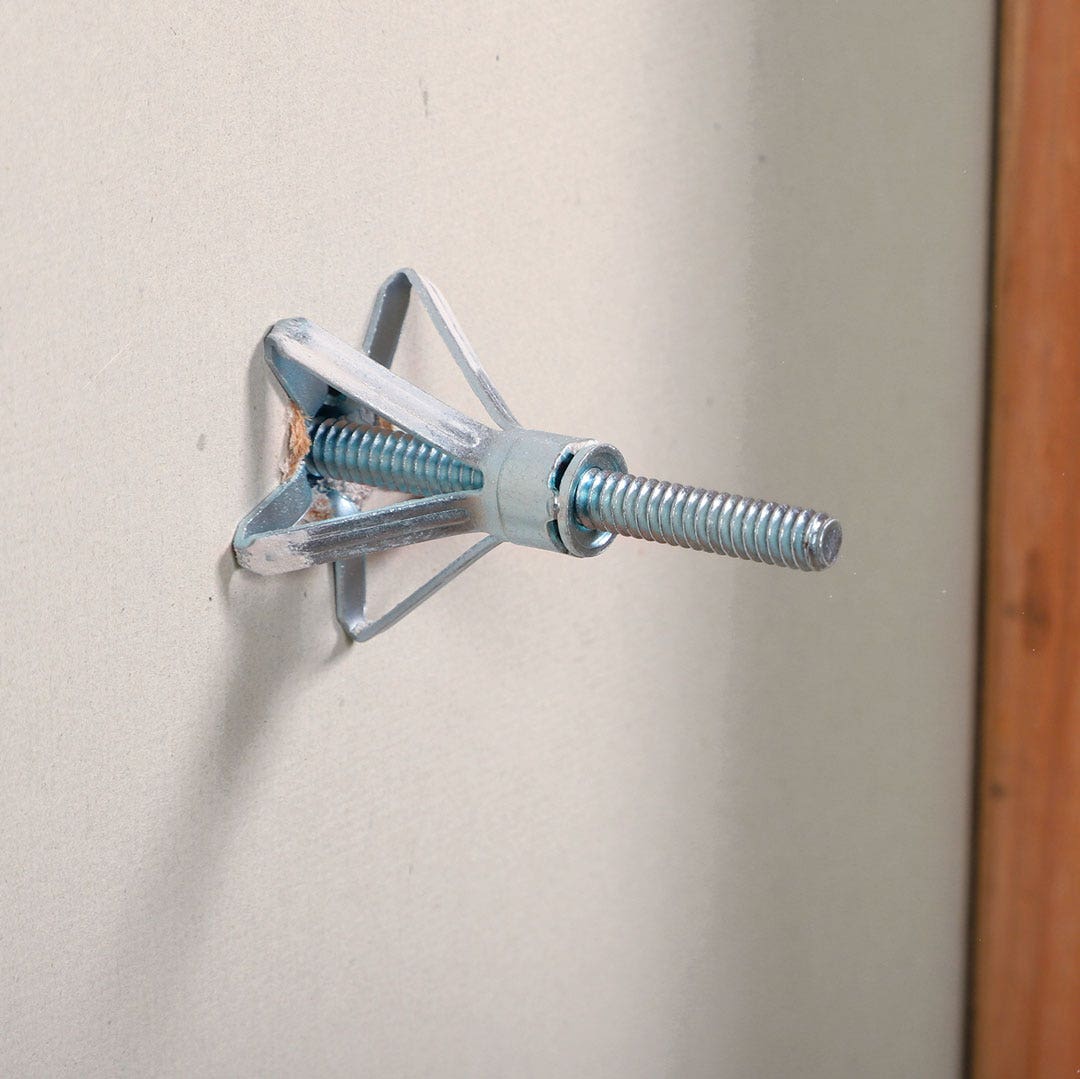
Molly bolts are metal anchors that expand inside the wall. They create a strong hold in plaster and drywall. Drill a hole, insert the molly bolt, then tighten the screw. The sleeve spreads inside the wall for a secure fit.
Threaded Anchors
Threaded anchors screw directly into plaster without pre-drilling. They have sharp threads to grip the wall. Suitable for medium-weight items. Easy to install and remove with minimal wall damage.
Tools And Materials Needed
Installing anchor bolts in plaster walls requires some basic tools and materials. Preparing these items ahead saves time and effort. Having the right tools makes the job safer and easier. Here is a list of what you need.
Drill And Drill Bits
A drill is essential for making holes in plaster walls. Choose a drill with variable speed settings for better control. Use masonry drill bits for plaster and wall anchors. The correct bit size matches the anchor bolts for a snug fit.
Screwdriver
You need a screwdriver to tighten screws into anchor bolts. A Phillips head screwdriver works for most screws. Use a screwdriver that fits the screw head well. This prevents stripping the screw and ensures firm installation.
Measuring Tape
Measuring tape helps mark the exact spot for drilling. Measure carefully to place anchors evenly and at the right height. This tool ensures that your mounted items are straight and balanced.
Level
A level keeps your installation straight and even. Place it on the surface before marking or drilling holes. This tool prevents crooked mounting and improves the look of your project.
Anchor Bolts And Screws
Use anchor bolts designed for plaster walls for strong support. Choose bolts that fit the weight of your item. Match screws to anchor size for secure fastening. Quality anchors prevent damage to the wall and hold items safely.
Preparing The Wall
Preparing the wall is the first step to install anchor bolts in plaster walls. This step ensures a strong hold and prevents damage. Proper preparation saves time and effort later. It also keeps the installation safe and secure.
Locating Studs And Avoiding Wiring
Use a stud finder to locate wooden studs behind the plaster. Anchors near studs hold better and offer more support. Avoid drilling where electrical wiring might run. Scan the wall carefully to prevent hitting wires. Safety is important to avoid shocks and damage.
Marking Anchor Points
Mark the spots where you want to place the anchors. Use a pencil for light, visible marks. Measure twice to ensure accuracy and even spacing. Clear marks help guide drilling and anchor placement. Precise marking prevents mistakes during installation.
Checking Wall Thickness
Measure the plaster wall thickness using a small drill or probe. Some plaster walls have thin layers, so check carefully. Knowing wall thickness helps select the right anchor size. It also prevents drilling too deep or too shallow. Proper depth ensures a secure fit for the anchors.
Credit: www.ashanging.com
Drilling Holes
Drilling holes in plaster walls requires care to avoid cracks and damage. The right technique helps anchors hold firmly. Follow these steps to drill clean, precise holes for anchor bolts. Proper drilling makes the installation strong and lasting.
Choosing The Right Drill Bit Size
Select a drill bit that matches the anchor bolt size exactly. A bit too large creates a loose fit. Too small makes the hole tight and risks cracking plaster. Check the anchor packaging for recommended drill bit size. Use a masonry bit for plaster to cut cleanly.
Drilling At Correct Angle
Hold the drill perpendicular to the wall surface. Drilling straight prevents uneven holes and weak spots. Angle drilling can cause the anchor to sit crooked. Keep steady hands and start drilling slowly. Once the bit bites into plaster, increase speed carefully.
Cleaning The Hole
Remove dust and debris from the drilled hole. Use a small brush or blow air inside. Cleaning helps anchors grip the wall better. Dust left in the hole reduces holding strength. Always check the hole before inserting the anchor bolt.
Installing Anchor Bolts
Installing anchor bolts in plaster walls gives strong support for hanging objects. Choosing the right type of anchor bolt is key. Each type fits a different need and wall condition. This section explains how to install common anchor bolts step-by-step. Follow these easy methods for a secure hold in plaster walls.
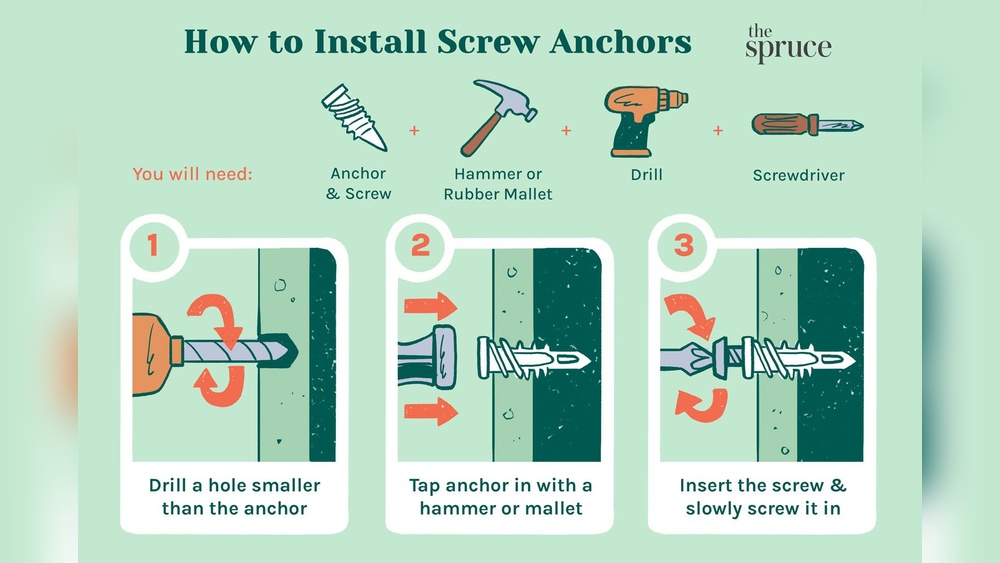
Inserting Plastic Expansion Anchors
Start by drilling a hole slightly smaller than the anchor size. Clean out dust from the hole. Push the plastic anchor into the hole until flush with the wall. Tap gently with a hammer if needed. Insert the screw into the anchor and tighten. The plastic expands inside the wall to hold firmly.
Setting Molly Bolts
Drill a hole matching the molly bolt diameter. Insert the molly bolt into the hole. Use a screwdriver to tighten the bolt head. This action expands the sleeve behind the wall. The expansion grips the plaster firmly. Remove the screwdriver and screw your fixture into the bolt.
Securing Toggle Bolts
Drill a hole large enough for the toggle wings to pass. Thread the bolt through your fixture and attach the toggle wings. Squeeze the wings closed and push through the hole. Once inside the wall, the wings open wide. Pull the bolt gently to lock the wings against the plaster. Tighten the bolt to secure the fixture.
Using Threaded Anchors
Drill a pilot hole smaller than the threaded anchor. Screw the anchor into the hole by hand or with a screwdriver. The anchor cuts into the plaster, creating a strong grip. Insert the screw into the anchor and tighten. This type works well for medium-weight objects on plaster walls.
Securing Screws And Fixtures
Securing screws and fixtures in plaster walls requires care and precision. Properly securing these elements ensures long-lasting support and prevents damage to the wall. This section explains how to align fixtures, tighten screws correctly, and check for stability.
Aligning Fixtures
Place the fixture in the exact spot on the wall. Check that holes in the fixture line up with the anchor bolts. Use a level to keep the fixture straight. Mark the holes with a pencil before drilling. Proper alignment reduces stress on the wall and fixture.
Tightening Screws Properly
Insert screws into the anchor bolts carefully. Tighten screws slowly to avoid cracking the plaster. Use a screwdriver or drill with low torque. Stop tightening once the fixture feels secure. Over-tightening can damage both the wall and anchor.
Checking Stability
Gently shake the fixture to test its hold. Ensure no movement or wobbling occurs. If the fixture shifts, loosen screws and realign. Tighten screws again, checking stability once more. Secure fixtures protect your wall and prevent accidents.
Common Mistakes To Avoid
Installing anchor bolts in plaster walls requires care. Avoiding common mistakes helps keep your wall safe and strong. Simple errors can cause damage or weak holds. Here are some common mistakes to watch out for.
Overdrilling
Drilling too deep or too wide is a frequent mistake. It can break the plaster or make the hole too big. The anchor will not fit tightly, causing it to fall out. Use a drill bit that matches the anchor size exactly. Stop drilling as soon as you reach the needed depth.
Using Incorrect Anchor Types
Different walls need different anchors. Plaster walls are fragile and need anchors made for them. Using anchors for drywall or concrete can cause poor grip. Choose anchors designed for plaster or hollow walls. This ensures a secure hold and prevents damage.
Ignoring Wall Condition
Plaster walls with cracks or loose areas need extra care. Ignoring these problems weakens the anchor’s hold. Check the wall before drilling. Fix any cracks or loose plaster first. This step keeps your anchor strong and prevents future damage.

Credit: www.reddit.com
Tips For Heavy Loads
Heavy loads need careful planning for secure installation. Plaster walls are delicate and require special care. The right method keeps your items safe and the wall intact. Follow these tips for strong support.
Using Multiple Anchors
Spread the weight by using several anchors. This lowers pressure on each point. Space anchors evenly for better balance. Multiple anchors help hold heavy objects firmly. Avoid relying on one anchor alone.
Selecting Heavy-duty Bolts
Choose bolts made for heavy loads. Look for strong materials like steel or alloy. Check the bolt size to match the weight. Heavy-duty bolts resist bending and breaking. Proper bolts increase safety and durability.
Reinforcing The Wall
Strengthen the wall before installing anchors. Use wood or metal backing behind the plaster. This adds a solid base for bolts. Reinforcement stops cracks and damage from heavy weight. It ensures long-lasting support for your items.
Frequently Asked Questions
What Tools Are Needed To Install Anchor Bolts In Plaster Walls?
You need a drill with a masonry bit, anchor bolts, a screwdriver, a hammer, and a measuring tape. These tools ensure precise drilling and secure installation of anchor bolts in plaster walls.
How Do You Prepare Plaster Walls Before Installing Anchor Bolts?
Start by marking the drill points accurately. Use a masonry bit to drill holes carefully without cracking the plaster. Clean dust from holes to ensure strong anchor bolt adhesion.
Can Anchor Bolts Hold Heavy Items On Plaster Walls?
Yes, anchor bolts can support heavy items if installed correctly. Use the right size and type of anchors for your wall thickness and weight requirements.
How Deep Should Holes Be For Anchor Bolts In Plaster Walls?
Drill holes slightly deeper than the anchor bolt length, usually around 1. 5 to 2 inches. This allows the anchor to sit securely and hold the load effectively.
Conclusion
Installing anchor bolts in plaster walls takes care and the right steps. Start by choosing the correct type and size of anchor bolt. Drill a clean hole and avoid damaging the plaster. Insert the anchor bolt firmly and tighten it carefully.
This method keeps your items secure and the wall intact. Practice makes the process easier and faster. With patience, anyone can do it well. Now, you can hang shelves, pictures, or mirrors without worry. Simple steps lead to strong, lasting support on plaster walls.