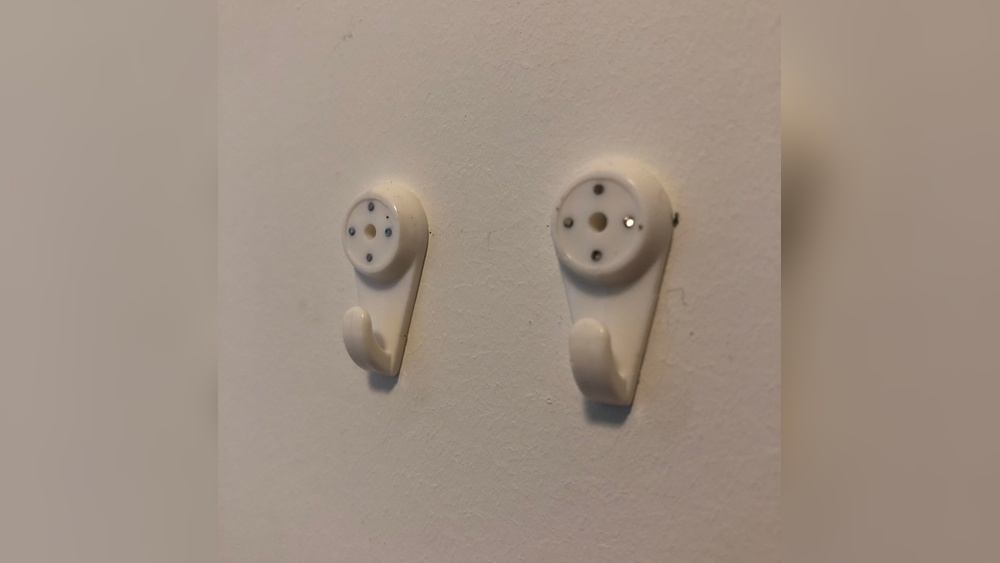
Have you ever tried to remove drywall hooks only to end up with ugly holes or damaged walls? You’re not alone.
Taking down these little hangers can be tricky, especially if you want your walls to look perfect afterward. But don’t worry—this guide will show you simple, effective ways to remove drywall hooks without stress or mess. Keep reading, and you’ll learn how to protect your walls and make your space look fresh again.
Types Of Drywall Hooks
Drywall hooks come in different types. Each type attaches to the wall in its own way. Knowing these types helps with safe removal. This section explains the main kinds of drywall hooks.
Adhesive Hooks
Adhesive hooks stick to the wall with glue. They leave no holes if removed carefully. These hooks hold light items like keys or small frames. Peeling them off slowly reduces wall damage.
Nail-in Hooks
Nail-in hooks use small nails to hold on. They are good for medium-weight items. Removing these hooks means pulling out the nails. This can leave tiny holes that need patching.
Screw-in Hooks
Screw-in hooks twist into the drywall. They offer strong support for heavy items. To remove, unscrew the hook gently. This may leave small holes to fill later.
Tools You’ll Need
Removing drywall hooks is easier with the right tools. Having these tools ready saves time and prevents damage to your wall. Some tools are common household items. Others are made specifically for this job.
Basic Tools
A flathead screwdriver helps pry hooks gently from the wall. A putty knife works well to lift hooks without scratching the surface. Needle-nose pliers allow a firm grip on small hooks or nails. A utility knife is useful to cut any paint or caulk around the hook. Finally, a damp cloth cleans the area after removal.
Specialized Tools
For stubborn hooks, a hook remover tool can make the task simple. This tool slides behind the hook and pulls it out smoothly. A stud finder helps locate wall studs for safer hook removal. A wall patch kit repairs holes left by hooks for a clean finish. These tools help protect your walls and speed up the process.
Removing Adhesive Hooks
Removing adhesive hooks from walls can be tricky without damaging the paint or drywall. These hooks stick firmly but come off clean with the right method. Taking your time and using gentle techniques helps keep your walls smooth and intact. Below are simple ways to remove adhesive hooks safely and easily.
Peeling Off Gently
Start by trying to peel the hook off slowly. Grip the base of the hook close to the wall. Pull it downwards, not outwards. This motion helps release the adhesive from the wall. If the hook resists, stop pulling. Forcing it may peel paint or damage drywall.
Using Heat To Loosen Adhesive
Heat softens the glue behind the hook. Use a hairdryer on low heat. Hold it a few inches from the hook for about 30 seconds. Warm the adhesive evenly. After heating, try peeling the hook gently again. The heat should make it easier to remove.
Applying Solvents Safely
Some adhesives need extra help with solvents. Use rubbing alcohol or adhesive remover on a cloth. Dab it around the hook base carefully. Let it sit for a minute to break down the glue. Avoid soaking the wall to prevent damage. Afterward, peel the hook off slowly.

Credit: www.reddit.com
Removing Nail-in Hooks
Removing nail-in hooks from drywall requires care to avoid damage. These hooks are held in place by small nails driven into the wall. Removing them carefully keeps your walls smooth and ready for new decorations.
There are simple tools and techniques to pull out these nails without leaving big holes or marks. Follow these steps to remove nail-in hooks easily and safely.
Pulling Out Nails
Start by grabbing the hook gently. Use your fingers or a cloth for a better grip. Pull the hook straight out with steady force. Avoid bending or twisting it. This helps prevent wall damage.
If the nail comes out with the hook, stop pulling. Check the wall for any leftover nail pieces. Use a small hammer or nail puller to remove stuck nails carefully.
Using Pliers For Stubborn Hooks
Some hooks are hard to pull out by hand. Use needle-nose pliers for better grip on these nails. Hold the hook or nail firmly with the pliers.
Pull slowly and steadily. Move the pliers back and forth slightly if the nail resists. This loosens the nail without harming the drywall. Be patient and work gently.
Removing Screw-in Hooks
Removing screw-in drywall hooks requires care to avoid damage. These hooks twist into the wall, gripping firmly. Pulling them out roughly can cause holes or tears in your drywall. Using the right method ensures a clean removal and easier repair later.
Unscrewing Properly
Start by turning the hook counterclockwise. Use your hand to twist it slowly. If the hook feels stuck, try gripping it with pliers. Keep steady pressure and avoid jerking motions. Continue turning until the hook comes free. This method keeps the wall intact and reduces damage.
Dealing With Stripped Screws
Stripped screws can be hard to remove. First, try using a rubber band for extra grip. Place the band over the screw head, then twist with a screwdriver. If this fails, use needle-nose pliers to pull the hook out. For stubborn screws, a screw extractor tool works well. Take your time and be gentle to protect the wall.
Fixing Wall Damage
Removing drywall hooks often leaves small holes or marks on the wall. Fixing these damages helps restore the wall’s smooth look. Simple steps can make the wall look like new again. Repairing the damage is quick and easy with the right approach.
Filling Small Holes
Start by cleaning the hole from dust and loose debris. Use a putty knife to apply spackling paste or wall filler. Press the filler into the hole and smooth the surface. Let it dry completely before moving to the next step.
Sanding And Smoothing
After the filler dries, gently sand the area with fine-grit sandpaper. Sand until the patch is flush with the wall. Wipe away dust with a damp cloth. This step ensures a smooth surface for painting.
Painting For A Flawless Finish
Choose paint that matches your wall color. Use a small brush or roller to cover the repaired spot. Apply thin layers and let each dry before adding more. This creates a seamless finish and hides the repair well.
Tips To Prevent Wall Damage
Removing drywall hooks without harming the wall takes care and the right approach. Small mistakes can lead to holes, dents, or torn paint. Preventing damage starts before putting hooks on the wall. Choosing the right hook and installing it properly are key steps. These tips help keep your walls smooth and clean.
Choosing The Right Hook
Select hooks that fit the weight of your items. Use lightweight hooks for small pictures or decorations. Heavy objects need stronger hooks or anchors. Pick hooks made for drywall to reduce damage risk. Avoid nails or screws that are too large. The right hook size means less stress on the wall.
Proper Installation Techniques
Follow instructions carefully when placing hooks. Use a level to keep hooks straight. Drill small pilot holes for screws to avoid cracks. Push hooks in gently, do not force them. Make sure hooks are secure but not too tight. Proper installation helps hooks stay in place and protects your wall.

Credit: www.youtube.com

Credit: www.reddit.com
Frequently Asked Questions
How Do I Safely Remove Drywall Hooks?
To safely remove drywall hooks, gently twist or pull them while supporting the wall. Use pliers if needed. Avoid damaging the drywall by going slow. Fill any holes with spackle afterward for a smooth finish.
Can I Remove Drywall Hooks Without Wall Damage?
Yes, you can remove drywall hooks without damage by carefully loosening them. Use gentle twisting or pulling. Avoid yanking or forcing the hook out quickly. Patch small holes with spackle to restore the wall’s surface.
What Tools Help Remove Drywall Hooks Easily?
Pliers and a putty knife are useful tools for removing drywall hooks. Pliers help grip and twist hooks. A putty knife can lift adhesive hooks gently. Use these tools carefully to minimize wall damage.
How Do I Fix Holes After Hook Removal?
Fill holes with spackle or wall filler using a putty knife. Let it dry completely, then sand smooth. Finally, repaint the area to match the wall color for a clean look.
Conclusion
Removing drywall hooks is simple with the right steps. Take your time and be gentle to avoid damage. Use common tools like a hairdryer or putty knife to help. Clean the wall after removal for a smooth finish. Small holes can be fixed quickly with spackling paste.
Soon, your wall will look neat and ready for new decor. Patience and care make the process easy and effective. No need to worry about marks or holes lasting forever. You can handle this task yourself with confidence.


