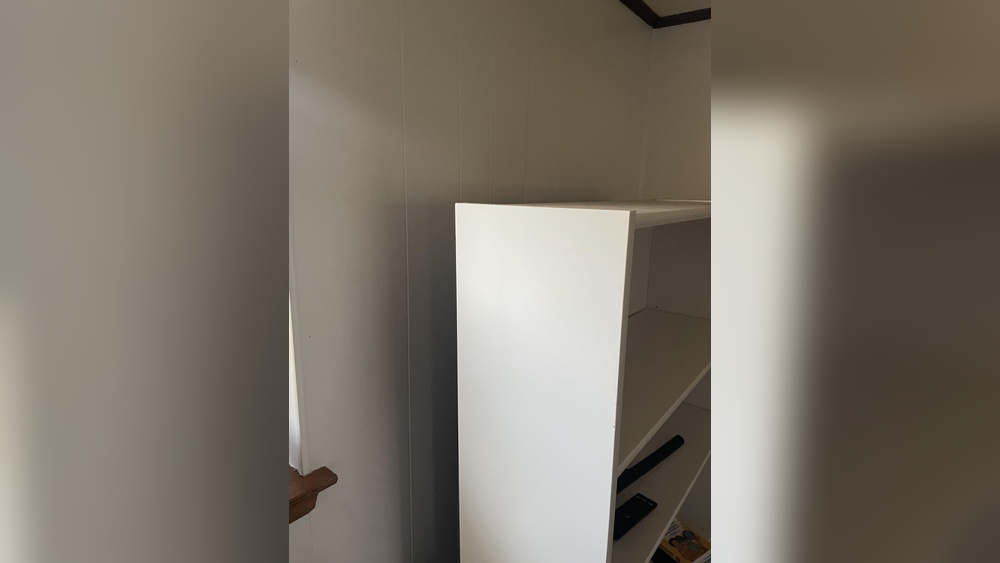
Are you tired of shelves that wobble or sag under the weight of your favorite books and decor? Knowing how to anchor shelving to your wall properly can transform your space, making it safer and more stylish.
Whether you’re setting up a new shelf or reinforcing an old one, this guide will show you simple, step-by-step techniques to secure your shelves firmly. By the end, you’ll have the confidence to tackle this project yourself and enjoy sturdy shelves that stay put.
Let’s dive in and make your walls work for you!

Credit: diy.stackexchange.com
Choosing The Right Wall Anchors
Preparing the wall is the first step to securely anchor shelving. A well-prepared wall ensures strong support and prevents accidents. Taking time to prepare helps the shelf stay firm and safe for a long time.
Locating Studs And Marking
Find the studs behind the drywall. Studs are the wooden beams that hold weight best. Use a stud finder tool for accuracy. Mark the stud positions lightly with a pencil. These marks will guide where to place your anchors.
Measuring And Leveling
Measure the shelf width and decide where it will go. Use a tape measure to mark equal distances on the wall. Place a level on these marks to check if they are straight. Adjust marks until they line up perfectly horizontal.
Drilling Pilot Holes
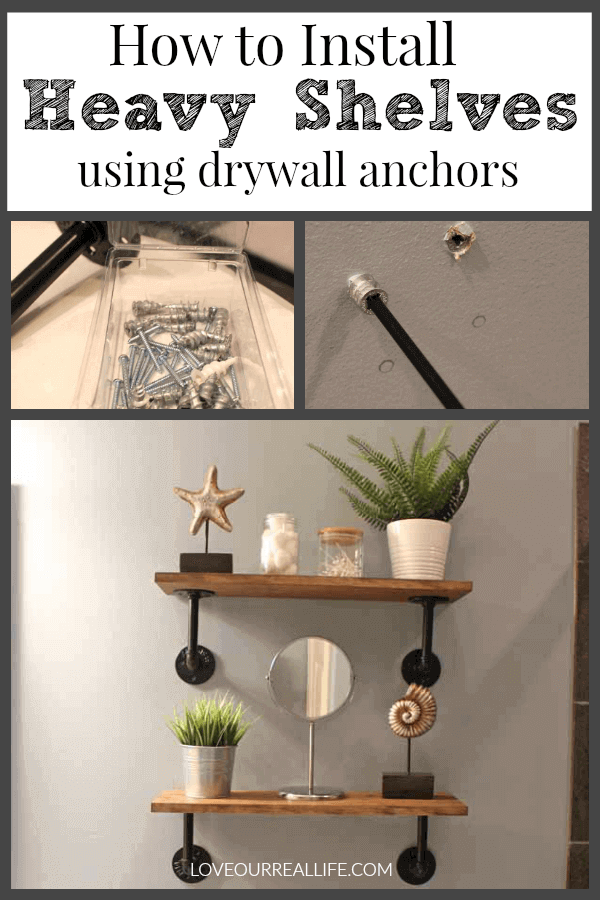
Choose a drill bit slightly smaller than your anchor screws. Drill pilot holes on the marked spots. These small holes make it easier to insert screws. Drill carefully to avoid damaging the wall or studs.
Credit: www.loveourreallife.com
Tools And Materials Needed
Installing anchors is a key step when anchoring shelves to walls. Anchors hold the screws tightly, giving your shelves strong support. Different anchors work best for different wall types. Choose the right one for your wall and shelf weight.
Inserting Plastic Anchors
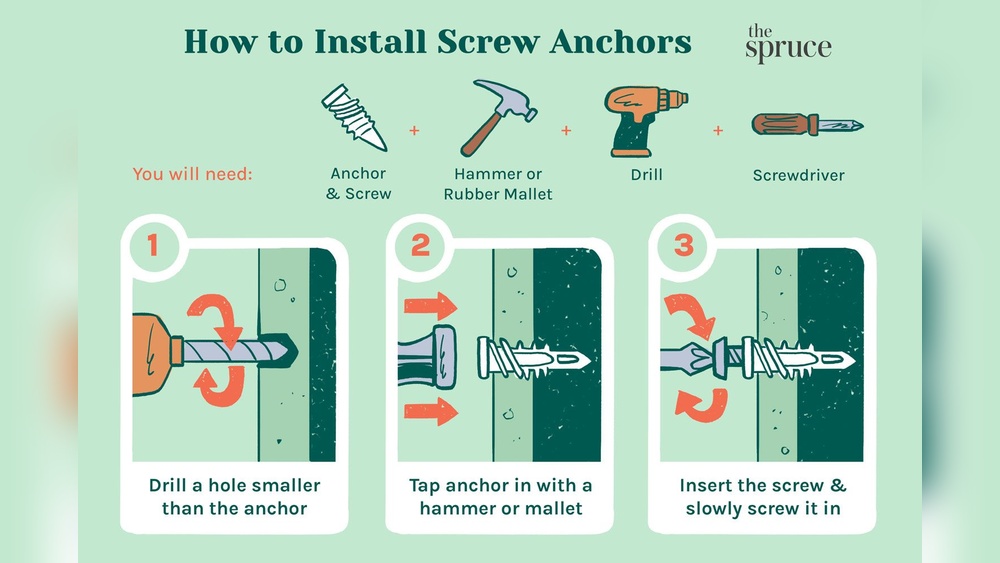
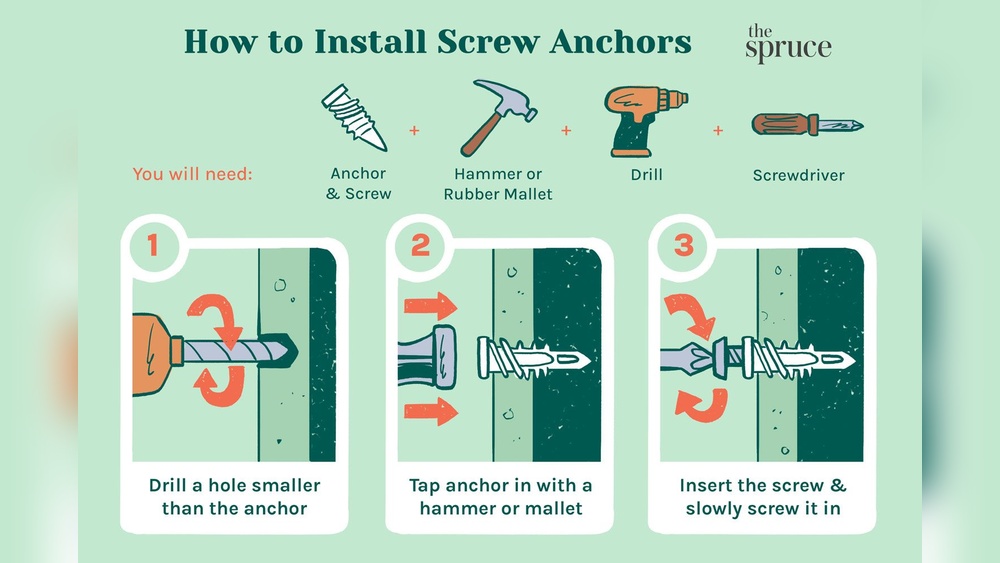
Plastic anchors work well on drywall and light loads. First, drill a hole slightly smaller than the anchor. Then, push the plastic anchor into the hole. Tap it gently with a hammer until it sits flush with the wall. Finally, screw into the anchor to secure the shelf bracket.
Using Toggle Bolts
Toggle bolts hold heavy shelves on hollow walls. Drill a hole big enough for the folded toggle. Push the toggle through the hole until it opens behind the wall. Pull the bolt back so the toggle grips the inside. Tighten the bolt carefully to keep the shelf steady.
Applying Molly Bolts
Molly bolts expand inside the wall for strong hold. Drill a hole matching the bolt size. Insert the molly bolt and tap it until flush. Tighten the screw to spread the anchor wings inside the wall. Remove the screw, attach the shelf bracket, then screw back in.
Preparing The Wall
Attaching the shelves to the wall brackets is a crucial step for a strong and safe setup. This process ensures the shelves stay steady and hold weight without slipping or falling. Take your time to place and secure each shelf carefully.
Positioning Shelves On Brackets
Start by lifting the shelf and placing it directly on the brackets. Make sure the shelf fits well on each bracket without gaps. Check that it sits level and straight before moving forward.
Align the edges of the shelf evenly with the brackets. This helps balance the weight and prevents tilting. Double-check the position by looking from different angles.
Securing Shelves In Place
Use screws or nails to fasten the shelves to the brackets securely. Drill pilot holes first to avoid splitting the wood. Tighten screws firmly but avoid over-tightening, which can damage the shelf.
For extra support, add brackets under the shelf if needed. This step is important for heavy items or longer shelves. Secure the brackets tightly to both the wall and shelf.
Final Adjustments
After securing, test the shelf by pressing down gently. It should feel stable and not move. Adjust the screws or reposition the shelf if you notice any wobbling.
Clean the shelves and brackets to remove dust or debris. This keeps the setup neat and ready for use. Your anchored shelves are now ready for organizing your space.

Credit: www.youtube.com
Installing Anchors
Keeping your shelves strong and steady over time takes some care. Follow simple steps to ensure your shelves stay safe and stable. Small habits can prevent big problems later.
Check your shelves often, use them wisely, and keep the wall in good shape. These tips help your shelves last longer and hold weight safely.
Regular Inspections
Look at your shelves every few months. Check for loose brackets or screws. Tighten any parts that feel weak. Early fixes stop accidents and damage.
Avoiding Overloading
Do not put too much weight on the shelves. Follow the weight limits given by the manufacturer. Heavy items need stronger supports or more anchors. Spread weight evenly across the shelf.
Maintaining Wall Integrity
Make sure the wall stays solid and dry. Avoid drilling too many holes close together. Repair cracks or damage on the wall quickly. A strong wall keeps shelves secure and safe.
Frequently Asked Questions
How Do I Find Studs To Anchor Shelving Securely?
Use a stud finder to locate wall studs behind drywall. Studs provide strong support for anchoring shelves safely. Mark stud locations before drilling to ensure precise placement.
What Anchors Work Best For Heavy Wall Shelves?
Toggle bolts and heavy-duty wall anchors support heavy shelving loads. Choose anchors rated for your shelf’s weight. Proper anchor selection prevents shelves from falling or damaging walls.
Can I Anchor Shelving To Drywall Without Studs?
Yes, use drywall anchors like molly bolts or toggle bolts. These distribute weight and provide firm holding power. Avoid plain screws, as they can pull out under load.
How Deep Should Screws Be For Wall Shelf Anchoring?
Screws should penetrate at least 1. 5 inches into the stud or anchor. This ensures a secure hold and prevents shelf movement or wall damage.
Conclusion
Anchoring shelves to the wall keeps them safe and steady. Use the right tools and anchors for your wall type. Measure carefully and mark spots before drilling. Tighten screws well but avoid overdoing it. Check the shelf’s stability before placing items.
This simple process helps avoid accidents and damage. Your shelves will hold weight and stay secure longer. Try these steps for any shelving project at home. Safe, strong shelves make your space neat and useful.