Are you wondering how to put hooks into a brick wall without causing damage? Whether you want to hang a picture, a plant, or a heavy mirror, getting it right the first time can save you frustration and keep your wall looking great.
In this guide, you’ll learn simple, step-by-step tips that anyone can follow—even if you’ve never used power tools before. Keep reading, and you’ll discover the secrets to making your brick wall work perfectly for your home décor.
Choosing The Right Hooks
Choosing the right hooks for a brick wall is important. The right hook keeps your items safe and secure. It also protects your wall from damage. Different hooks fit different needs and weights. Knowing what type to use makes the job easier and safer.
Types Of Hooks For Brick Walls
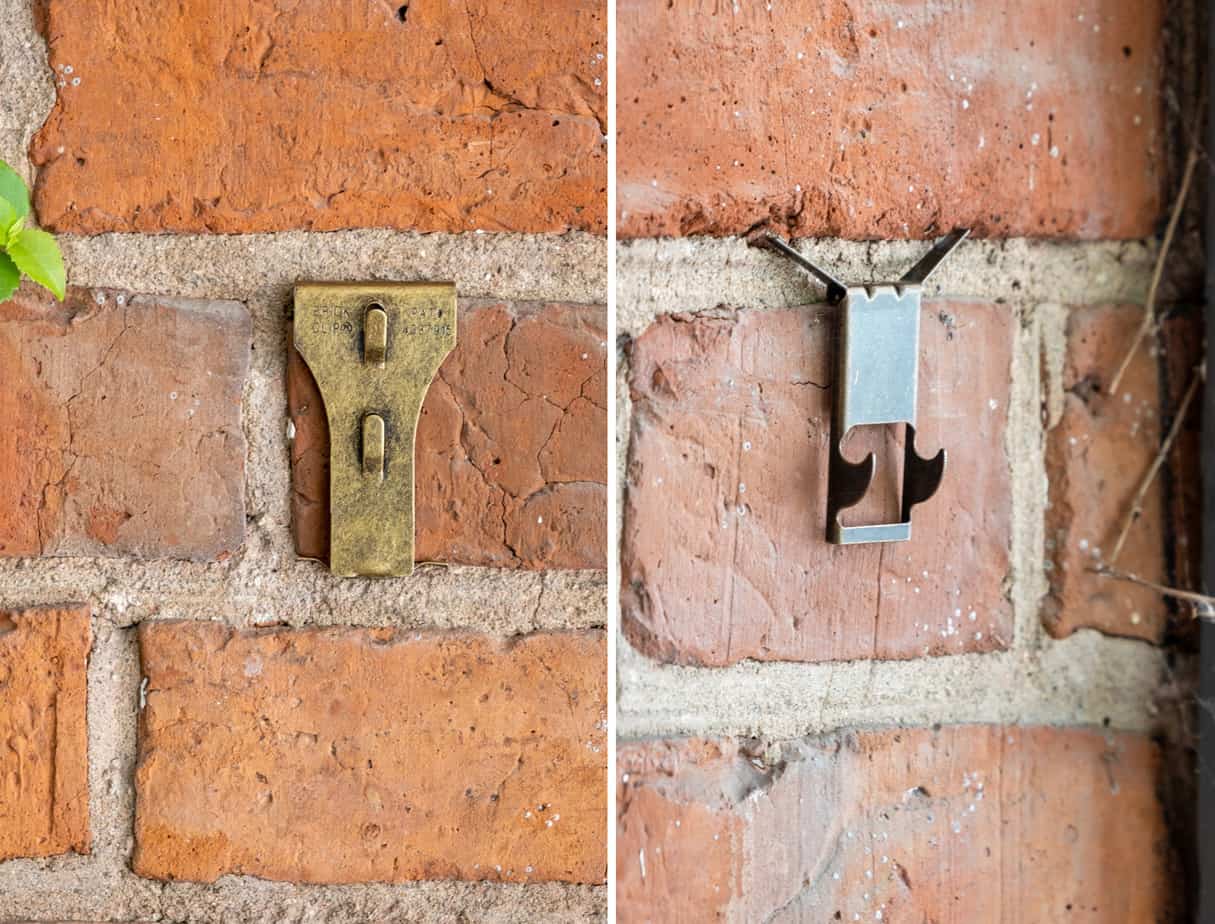
Brick walls need special hooks made for hard surfaces. Common types include masonry hooks, screw-in hooks, and adhesive hooks. Masonry hooks fit into mortar joints and hold light items. Screw-in hooks require drilling but hold heavier things. Adhesive hooks stick to the wall without damage but work best for very light items. Choose a type based on the wall and what you want to hang.
Weight Capacity Considerations
Every hook has a weight limit. Check the label before buying. Too heavy an item can pull the hook out or break the wall. For heavy items, use screw-in hooks with anchors. For light items, masonry or adhesive hooks may be enough. Always think about the weight to keep your wall and items safe. Proper weight support means no accidents or damage.

Credit: www.youtube.com
Tools And Materials Needed
Putting hooks into a brick wall needs the right tools and materials. Using proper tools makes the job easier and safer. You will need a drill, anchors, screws, and safety gear. Each tool plays a key role in holding the hook firmly.
Choosing the correct drill bit and anchor type is important. Safety gear protects you from dust and debris. Prepare all items before starting the work. This section explains what tools and materials to gather.
Drills And Drill Bits
A power drill is essential for making holes in brick. Cordless drills offer good control and ease of use. Use a hammer drill for tough bricks. Select a masonry drill bit that fits the size of your anchor. Drill bits come in various sizes. Use the right size for a secure fit.
Anchors And Screws
Plastic or metal anchors provide strong support inside brick. Anchors expand to hold tightly in the hole. Choose anchors based on the hook’s weight. Use screws that fit the anchors well. Screws keep the hook stable and safe on the wall.
Safety Gear
Wear safety goggles to protect your eyes from dust. Use a dust mask to avoid breathing in particles. Gloves protect your hands from rough bricks and sharp tools. Ear protection helps if the drill is loud. Safety gear keeps you safe while working on the wall.
Preparing The Brick Wall
Preparing the brick wall is a key step before putting hooks into it. Proper preparation ensures the hooks stay strong and last long. It also helps avoid damage to the wall and makes the process safer.
Two main tasks are important: selecting the right spot and cleaning the surface. These tasks set a good base for the hooks to hold firmly.
Selecting The Hook Location
Choose a solid part of the brick, not the mortar between bricks. Bricks hold hooks better than mortar, which can crumble easily.
Pick a spot that supports the weight of what you will hang. Avoid areas with cracks or loose bricks. Check the wall carefully before drilling or hammering.
Cleaning The Surface
Clean the brick surface to remove dust and dirt. Use a stiff brush or a cloth to wipe the area well. A clean surface helps the hook stick properly.
Make sure the area is dry before you start drilling. Moisture can weaken the hook’s grip and cause problems later.
Drilling Into Brick
Drilling into brick requires care and the right tools. The brick is hard and can crack if handled poorly. Proper drilling ensures a strong hold for your hooks. Follow clear steps for best results.
Marking Drill Points
Start by marking where you want the hooks. Use a pencil or chalk to make small dots. Measure carefully to keep the marks level. Double-check the spacing before drilling. Correct marks prevent mistakes and wasted holes.
Using A Hammer Drill
A hammer drill works best for brick walls. It combines spinning with a hammering action. This makes drilling faster and easier. Use a masonry drill bit made for bricks. Set the drill to hammer mode before starting. Hold the drill steady to avoid slipping.
Drilling Tips
Wear safety glasses to protect your eyes. Start drilling slowly to make a small guide hole. Increase speed once the bit grips the brick. Do not press too hard; let the drill do the work. Clear dust from the hole to improve grip. Stop drilling once you reach the needed depth.
Installing Anchors
Installing anchors is a key step when putting hooks into a brick wall. Anchors hold the screws tightly and prevent them from slipping out. Without anchors, hooks may not stay secure and can cause damage to the wall.
This process requires choosing the right type of anchor and placing it correctly. Doing this ensures your hooks stay strong and last long.
Choosing The Right Anchor Type
Different anchors work best for various weights and wall types. Plastic anchors suit light loads and small hooks. Metal anchors are stronger and good for heavier items. Sleeve anchors expand inside the brick for a tight fit. Pick an anchor that matches the hook weight and brick condition.
Inserting And Securing Anchors
Start by drilling a hole in the brick. Use a drill bit that fits the anchor size exactly. Clean out dust from the hole to help the anchor grip. Push the anchor into the hole until flush with the wall surface. Tighten the screw carefully to avoid cracking the brick. Check the hook for firmness before hanging items.

Credit: www.wikihow.com
Attaching The Hooks
Attaching hooks to a brick wall needs care and the right tools. The hooks must hold firmly to support weight. This step focuses on fixing hooks safely and securely. Follow these instructions to get a strong hold.
Screwing Hooks Into Anchors
Start by choosing the correct size of wall anchors. Insert the anchor into the drilled hole in the brick. Push it gently until it fits flush with the wall. Now, align the hook with the anchor. Use a screwdriver to turn the hook clockwise. Screw it in slowly for a tight fit. Avoid forcing the hook to prevent damage.
Ensuring A Tight Fit
Check the hook by pulling it lightly after screwing. It should not wiggle or feel loose. If loose, tighten the screw a bit more. Use a level to keep the hook straight. A tight fit ensures the hook will hold weight safely. Double-check before hanging any item on the hook.
Testing Hook Strength
Testing the strength of hooks in a brick wall is a key step. It ensures the hooks can hold the weight safely. Without testing, the hook might fail and cause damage or injury. This section explains how to test hook strength properly. Follow these steps to keep your setup secure.
Weight Testing Procedures
Start by using a weight close to the hook’s limit. Hang the weight carefully on the hook. Observe the hook and wall for any movement or cracks. Hold the weight for at least one minute. Check if the hook stays firm and does not bend. Repeat the test with a slightly heavier weight if needed. Stop immediately if the hook or wall shows signs of stress.
Safety Checks
Before hanging any heavy item, inspect the hook and wall. Look for cracks, loose bricks, or rust on the hook. Make sure the hook is fully screwed into the wall. Use a level to check the hook’s angle. Always wear safety glasses and gloves during testing. Clear the area below the hook to avoid accidents. Never stand directly under the hook during tests.
Maintenance And Tips
Keeping hooks secure in a brick wall requires ongoing care. Proper maintenance helps the hooks stay safe and last longer.
Simple checks and smart habits protect your wall and the items you hang. Small efforts prevent big problems.
Regular Inspections
Check hooks often for any signs of looseness or damage. Look at the brick and mortar around the hooks. Cracks or crumbling can weaken support.
Test each hook by gently pulling on it. If it feels loose, remove and replace it. Fix problems early to avoid accidents.
Avoiding Common Mistakes
Do not use the wrong type of hook or anchor for brick walls. Use anchors made for masonry to hold weight safely.
Avoid putting hooks too close together. Space them evenly to reduce wall stress. Never overload one hook with too much weight.
Credit: www.theartofdoingstuff.com
Frequently Asked Questions
How Do I Choose The Right Hook For A Brick Wall?
Select hooks designed for masonry, like masonry hooks or sleeve anchors. Consider weight capacity and hook size to match your needs. Using the correct hook ensures secure and safe installation on brick surfaces.
What Tools Are Needed To Put Hooks Into Brick Walls?
You need a hammer drill, masonry bit, wall plugs, hooks, and a hammer. Safety glasses and gloves are recommended. These tools help you drill accurately and fix hooks firmly into the brick wall.
Can I Install Hooks Without Drilling Into Brick?
No, drilling is necessary for a secure hold in brick walls. Using adhesive hooks may not support heavy items or last long. Drilling ensures hooks hold firmly and safely on brick surfaces.
How Do I Avoid Damaging Bricks When Installing Hooks?
Use a masonry drill bit and drill slowly at a steady speed. Avoid hammering directly on bricks; use wall plugs for support. Proper technique prevents cracking or damaging bricks during installation.
Conclusion
Putting hooks into a brick wall is simple with the right tools. Always choose the correct drill bit and anchors for strong support. Take your time to measure and mark spots carefully. Drill slowly to avoid cracks or damage to bricks.
Secure hooks tightly for safety and durability. With these steps, hanging items on brick walls becomes easy and reliable. Enjoy your sturdy hooks and the neat look they bring. A little patience goes a long way in home projects.