Is your deadbolt lock feeling loose and unreliable? A shaky lock can make you feel unsafe and frustrated every time you try to secure your home.
The good news is, tightening a loose deadbolt is easier than you might think. In this guide, you’ll discover simple, step-by-step tips to fix your lock quickly and restore your peace of mind. Keep reading, and by the end, you’ll have a strong, secure deadbolt that works like new.
Signs Of A Loose Deadbolt
A loose deadbolt lock can cause many problems. It can make your door less secure and harder to use. Recognizing the signs of a loose deadbolt helps fix it early. This keeps your home safe and your lock working well.
Wobbling Or Shaking Lock
The deadbolt moves when you shake the door. It should feel firm and steady. A loose deadbolt often wobbles or shakes in its place.
Difficulty Turning The Key
The key does not turn smoothly in the lock. It may get stuck or feel tight. This happens because the deadbolt is not properly aligned.
Visible Gaps Around The Lock
Small spaces appear between the lock and the door. These gaps show the lock is loose on the door surface.
Deadbolt Does Not Fully Extend
The bolt does not slide all the way into the door frame. This means the deadbolt is not tight or aligned correctly.
Door Feels Loose Or Rattles
The door itself may move more than usual. This can happen if the deadbolt is not holding the door firmly.
Credit: www.youtube.com
Tools Needed For Tightening
Tightening a loose deadbolt lock is a simple task. Having the right tools makes the job easier and faster. These tools help you fix the lock without causing damage. You do not need many items to complete this repair.
Gathering the necessary tools before starting saves time. Each tool has a specific role in tightening the deadbolt. Understanding their use helps you work safely and efficiently.
Phillips Head ScrewdriverThis screwdriver fits the screws on most deadbolt locks. It allows you to tighten or loosen screws easily. Choose a size that matches your lock screws to avoid stripping them.
Flathead ScrewdriverA flathead screwdriver helps with locks that use flat screws. It can also assist in prying loose parts gently. Keep it handy for small adjustments and minor repairs.
Adjustable WrenchAn adjustable wrench fits different bolt sizes on the lock. Use it to tighten any nuts or bolts that hold the lock in place. It provides a strong grip and control.
Allen Wrench SetMany deadbolts use hex screws that need an Allen wrench. A set with different sizes ensures you have the right fit. This tool is essential for some modern lock designs.
FlashlightA flashlight helps you see inside the lock area clearly. Proper lighting prevents mistakes and makes the task smoother. Use it in dark or poorly lit spaces.
Step-by-step Tightening Process
Tightening a loose deadbolt lock can improve your door’s security and stop rattling noises. Follow this step-by-step process to fix your deadbolt quickly. Each step is simple and requires only basic tools.
Remove The Lock Cover
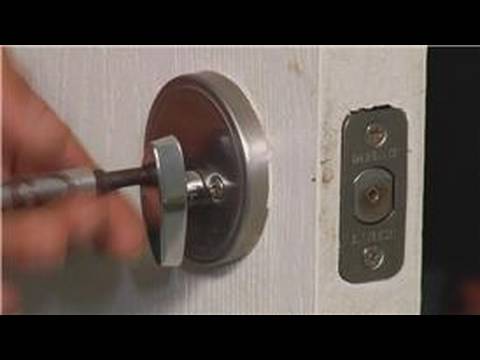
Start by removing the lock cover from the door. Use a screwdriver to take out the screws holding the cover in place. Keep the screws safe for later. Gently pull the cover away to expose the lock mechanism.
Tighten Screws And Bolts
Check all screws and bolts around the lock. Tighten any loose screws using the screwdriver. Make sure the lock parts fit tightly against the door. This will stop the lock from moving or wobbling.
Adjust The Strike Plate
Look at the strike plate on the door frame. If it is loose, tighten its screws. Move the plate slightly if the deadbolt does not fit well. This helps the bolt slide smoothly into the hole.
Test The Deadbolt Function
Close the door and turn the deadbolt key. Make sure the bolt moves easily and fully extends. If the lock feels tight or stuck, adjust the screws again. Repeat testing until the deadbolt works smoothly.
Common Causes Of Deadbolt Looseness
Deadbolt locks can become loose over time. This makes your door less secure. Knowing the common causes helps fix the problem fast. Many factors can cause a deadbolt to loosen. Understanding these causes saves time and effort during repair.
Worn Out Screws
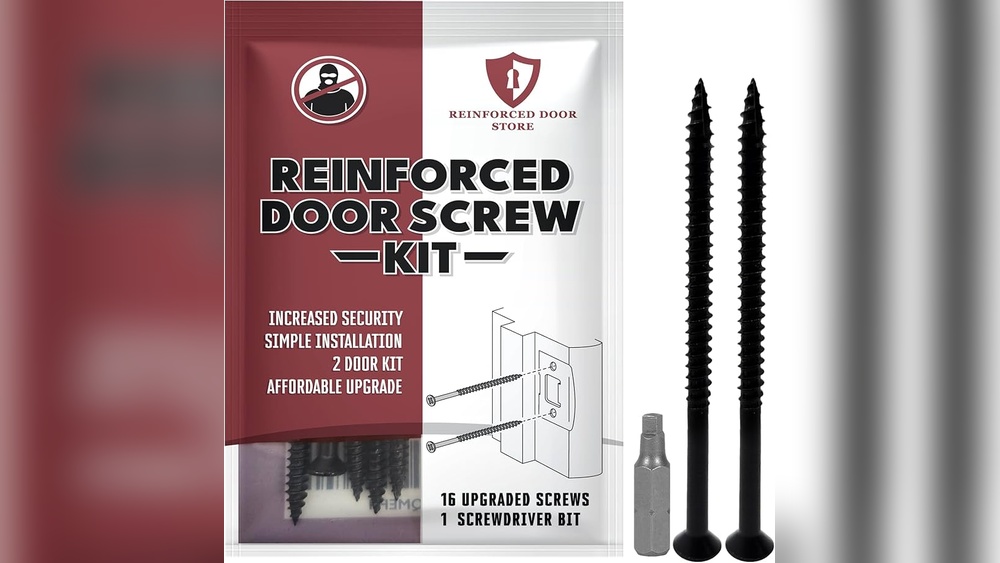
Screws hold the deadbolt tightly to the door. Over time, screws can wear out or become loose. This causes the deadbolt to wobble. Tightening or replacing screws often solves the issue.
Misaligned Strike Plate
The strike plate is the metal piece on the door frame. It catches the deadbolt when locked. If the strike plate moves or shifts, the deadbolt won’t fit well. This leads to looseness and poor locking.
Door Warping
Wood doors can warp due to moisture or heat. Warping changes the door’s shape and size. This affects how the deadbolt fits inside the door. Warped doors can cause the lock to feel loose or stuck.
Loose Lock Cylinder
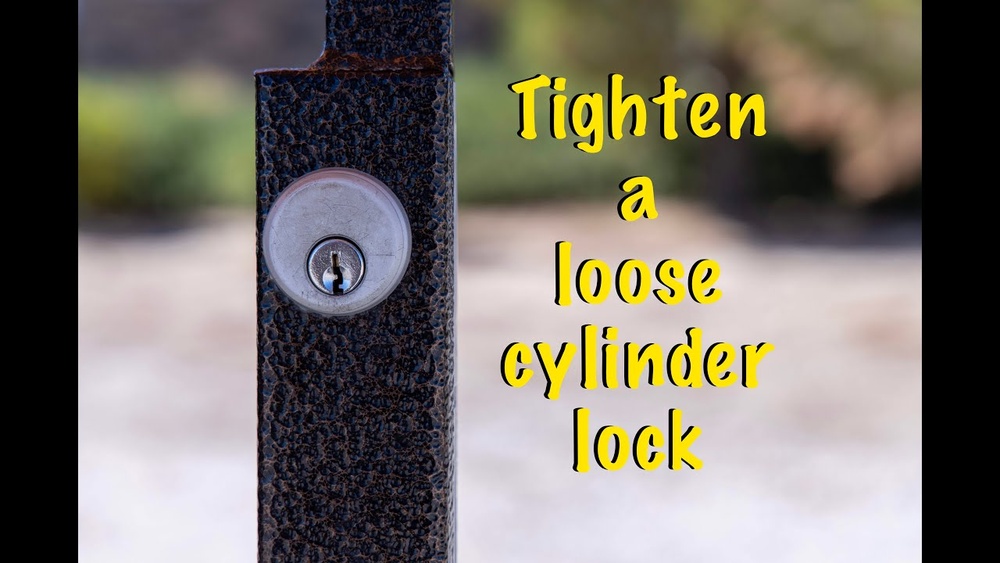
The lock cylinder is the part where you insert the key. If it becomes loose inside the lock, the deadbolt can move. This can happen from frequent use or poor installation.
Broken Or Worn Internal Parts
Deadbolts have internal parts that move when locking and unlocking. These parts can wear down or break over time. Worn parts cause the deadbolt to lose its tight fit and function.
Preventive Maintenance Tips
Keeping a deadbolt lock tight is key to home security. Regular care helps avoid loose locks. Small steps can stop problems before they start. Simple checks save time and money later.
Lubricate The Lock Mechanism
Use graphite powder or silicone spray to lubricate. Avoid oil-based lubricants; they attract dirt. Spray inside the keyhole and moving parts. This helps the lock turn smoothly and stay tight.
Check And Tighten Screws
Look at screws on the lock and strike plate. Use a screwdriver to tighten any loose screws. Loose screws cause wobbling and make the lock loose. Tight screws keep the lock stable and secure.
Inspect The Door Alignment
Make sure the door fits well in the frame. Misaligned doors strain the deadbolt and can loosen it. Adjust hinges or strike plate if needed. Proper alignment helps the lock work well.
Test The Deadbolt Regularly
Turn the key and handle to test the lock. Notice any sticking or looseness. Early signs show when maintenance is needed. Regular tests keep the lock reliable and safe.
Credit: www.reddit.com
When To Call A Locksmith
Knowing when to call a locksmith is important for a loose deadbolt lock. Some problems are simple to fix. Others need a professional touch. Ignoring serious issues can harm your lock or your home’s security.
Recognizing the signs helps you decide if a DIY fix is enough or if expert help is needed. Safety and lock reliability should always come first.
Signs Your Deadbolt Needs Professional Help
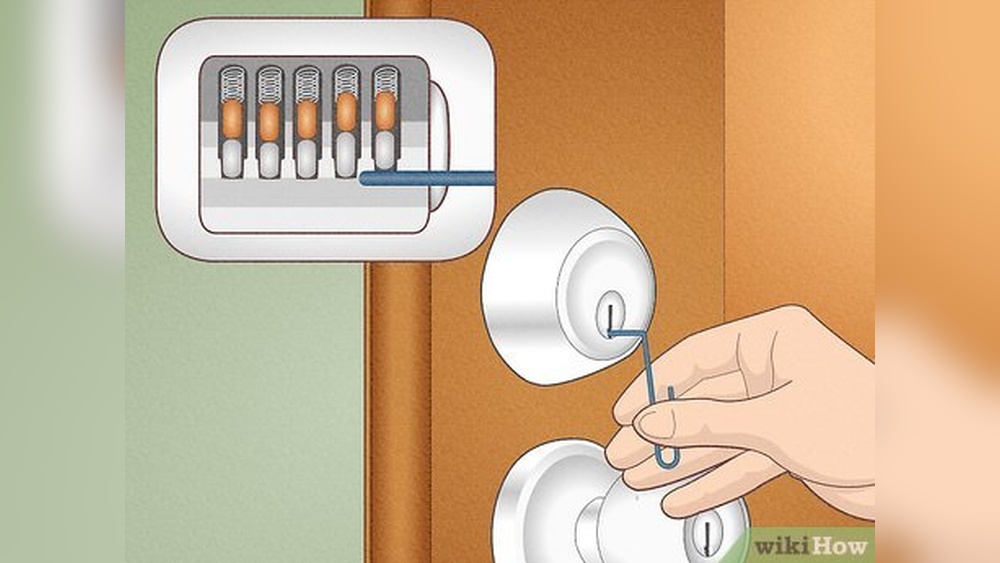
If the deadbolt won’t turn smoothly, it may be damaged inside. Broken parts or worn pins need a locksmith’s tools and skills. Forcing the lock can break it more.
If the lock sticks or jams often, this shows internal problems. A locksmith can clean and repair it properly. Loose screws or a misaligned strike plate may look simple but might hide bigger issues.
When Security Is At Risk
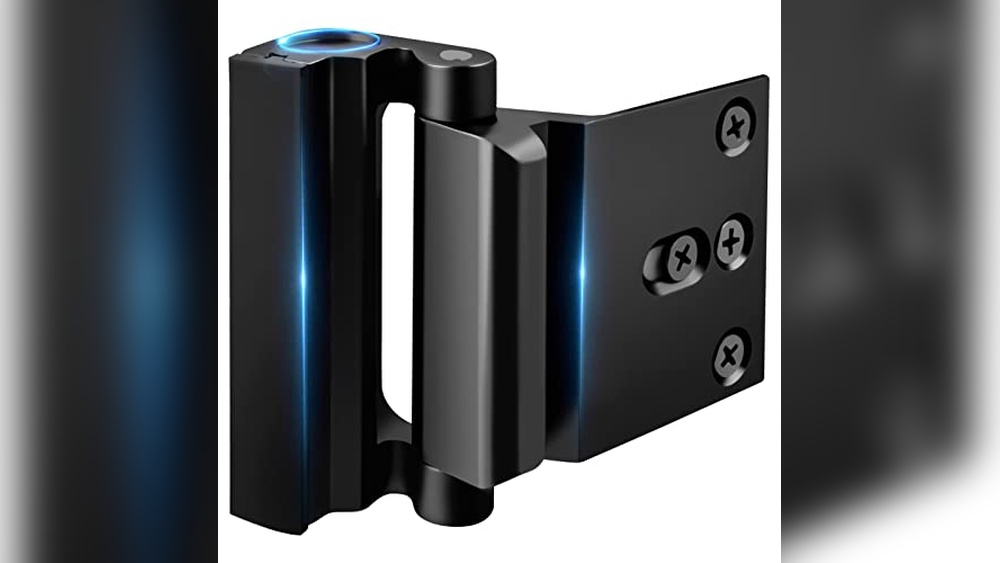
A loose deadbolt can make your home unsafe. If you notice the lock feels weak or easy to move, a locksmith can check the whole door frame. They make sure the lock fits tightly and securely.
Locks that are old or damaged may not protect you well. A locksmith can replace or upgrade your deadbolt for better safety.
After Failed Diy Attempts
Trying to fix the deadbolt yourself can sometimes cause more harm. If your efforts do not tighten the lock or fix the problem, stop. A locksmith has the right tools and knowledge to fix it without damage.
Repeated issues after repairs mean professional help is necessary. This saves time and prevents bigger repair costs later.
Credit: www.doityourself.com
Frequently Asked Questions
How Do I Tighten A Loose Deadbolt Lock?
To tighten a loose deadbolt lock, first remove the screws holding the lock faceplate. Then, realign the lock mechanism and securely fasten the screws. Tightening the strike plate screws can also improve stability and prevent wobbling.
What Tools Are Needed To Fix A Loose Deadbolt?
You typically need a screwdriver, usually a Phillips head, to tighten screws. A drill may help if screws are stripped. Additionally, wood filler or longer screws might be required for reinforcing the lock’s mounting points.
Can A Loose Deadbolt Affect Home Security?
Yes, a loose deadbolt can compromise security by making it easier to force open. Ensuring the lock is tight and properly aligned increases resistance against break-ins and improves overall door stability.
How Often Should I Check My Deadbolt Lock?
It’s best to inspect your deadbolt lock every six months. Regular checks help identify looseness or wear early. Timely maintenance ensures your lock works efficiently and enhances home security.
Conclusion
Tightening a loose deadbolt lock is simple and quick. Small fixes can make your lock work better. Grab a screwdriver and follow the steps carefully. Keeping your lock tight helps protect your home. Regular checks avoid bigger problems later on.
You don’t need special skills to do this. Stay safe with a well-maintained deadbolt lock. Try it yourself and feel the difference today.