Are you struggling to securely anchor something into a wall with metal studs? You’re not alone.
Metal studs can be tricky because they don’t hold fasteners the same way wooden studs do. But don’t worry—anchoring into metal studs is completely doable once you know the right techniques. In this post, you’ll discover simple, step-by-step methods to ensure your shelves, TVs, or heavy decorations stay firmly in place.
Keep reading, and you’ll gain the confidence to tackle this task like a pro.

Credit: www.amazon.com
Identify Metal Stud Locations
Finding metal studs behind a wall is the first step to anchor something securely. Metal studs are not always easy to spot. Knowing their exact location helps in placing anchors correctly. It ensures strong support for heavy items. This section explains simple ways to find metal studs.
Use A Stud Finder
A stud finder is a small device that detects metal or wood behind walls. Move it slowly across the wall surface. The device will beep or light up when it finds metal studs. Mark these spots with a pencil. This method is fast and accurate. Always check the battery before use for best results.
Tap And Listen Method
Tapping the wall can help find studs without tools. Use your knuckles or a small hammer. Tap gently along the wall in a horizontal line. Listen carefully to the sound changes. Hollow sounds mean no stud. A solid, less echoing sound shows a stud’s location. Mark these points for anchoring.
Choose The Right Anchor
Choosing the right anchor is key when securing items to walls with metal studs. Metal studs are thinner and less sturdy than wood, so the anchor must fit perfectly. The wrong anchor can cause your item to fall or damage the wall.
Knowing the types of anchors and their weight limits helps you pick the best one. This ensures your item stays safe and the wall stays intact.
Types Of Anchors For Metal Studs
Toggle bolts are strong and spread the load across the stud. They work well for heavy items like shelves or mirrors.
Self-drilling metal anchors screw directly into the stud. They are good for medium-weight objects and need less effort to install.
Plastic anchors do not hold well in metal studs. Avoid these for anything heavy or valuable.
Snap toggles provide strong support and are easier to install than traditional toggles. They are great for heavy loads.
Weight Capacity Considerations
Check the anchor’s weight rating before buying. Choose one with a capacity higher than your item’s weight.
Heavy items need anchors with higher weight limits. Light anchors might fail and cause damage.
Spread the weight by using more than one anchor for large or heavy objects.
Always follow the anchor’s instructions for best results and safety.
Prepare The Wall Surface
Preparing the wall surface is a vital first step for anchoring something into a wall with metal studs. This phase ensures strong support and prevents damage to the wall or anchor. Careful preparation helps the anchor hold tight and last longer.
Marking Anchor Points
Start by finding the exact spots to place your anchors. Use a stud finder to locate metal studs behind the drywall. Mark these positions clearly with a pencil. Measure the height and distance based on what you want to hang. Double-check the marks for accuracy before drilling. Proper marking guides the drill and keeps the anchor secure.
Drilling Pilot Holes
Next, drill small pilot holes at the marked points. Use a drill bit sized for the anchor type. Drill slowly to avoid bending or damaging the metal stud. Pilot holes make it easier to insert anchors and reduce wall damage. Clean any dust or debris from the holes before placing the anchors. This step ensures a clean, strong fit for your anchors.
Install Anchors Properly
Installing anchors properly ensures a strong hold on walls with metal studs. This step is crucial to keep your items secure and prevent damage. Follow each method carefully to get the best results. Use the right anchor for the job and install it with care.
Insert Toggle Bolts
Start by drilling a hole in the wall. The hole must be big enough for the toggle wings to pass through. Squeeze the toggle wings together and push them into the hole. Once inside, the wings will open and grip the backside of the metal stud. Pull the bolt gently to make sure the wings are secure. Tighten the bolt slowly. Avoid over-tightening to prevent damage to the wall or stud.
Use Molly Bolts Correctly
Drill a hole matching the molly bolt size. Insert the molly bolt into the hole until the flange is flush with the wall surface. Use a screwdriver to turn the bolt slowly. This action expands the anchor behind the metal stud, creating a strong grip. Stop tightening when you feel resistance. Do not force it further. The anchor will hold heavy items safely if installed right.
Secure The Object
Securing an object on a wall with metal studs needs care and attention. A strong hold keeps your items safe and the wall intact. Follow clear steps to align and tighten screws properly. This will ensure a firm attachment without damage.
Aligning With Anchors
Start by matching the object’s holes with the anchors. Check that each anchor is straight and set deep in the stud. This helps spread the weight evenly. Use a level to keep the object balanced. Proper alignment reduces strain on the screws and wall.
Tightening Screws Safely
Use a screwdriver or drill with a clutch setting. Tighten screws slowly to avoid stripping the metal stud. Stop once the object feels secure. Over-tightening can weaken the hold or bend the stud. Check the object’s stability by gently shaking it. Secure tightening keeps your item steady and the wall strong.
Test Anchor Stability
Testing anchor stability is a key step after installing anchors in metal stud walls. It ensures your item stays safe and secure. This step helps avoid damage or accidents later. Follow simple checks to confirm the anchor can hold the weight.
Apply Gradual Pressure
Start by pressing gently on the anchored item. Increase the force slowly. Notice how the anchor responds to the pressure. A good anchor stays firm and does not move. Stop if you feel it loosening or slipping. This method shows if the anchor holds well under stress.
Inspect For Movement
Look closely at the anchor and wall area. Check for any small shifts or wiggles. Even tiny movements mean the anchor is not secure. Use your eyes and fingers to detect looseness. Confirm that the anchor stays tight before hanging anything heavy. This inspection prevents future problems.
Troubleshooting Common Issues
Troubleshooting common problems helps keep your wall anchors strong and safe. Metal stud walls need special care to avoid damage and slipping. Knowing how to fix these issues saves time and effort.
Anchor Slippage
Anchor slippage happens when the anchor moves inside the metal stud. This can weaken the hold and cause the item to fall. Check the size of the anchor. Use one that fits the stud tightly. Use anchors made for metal studs, like toggle bolts or molly bolts. Tighten screws slowly and evenly to avoid loosening the anchor. If slippage continues, remove the anchor and try a larger size or different type.
Wall Damage Repair
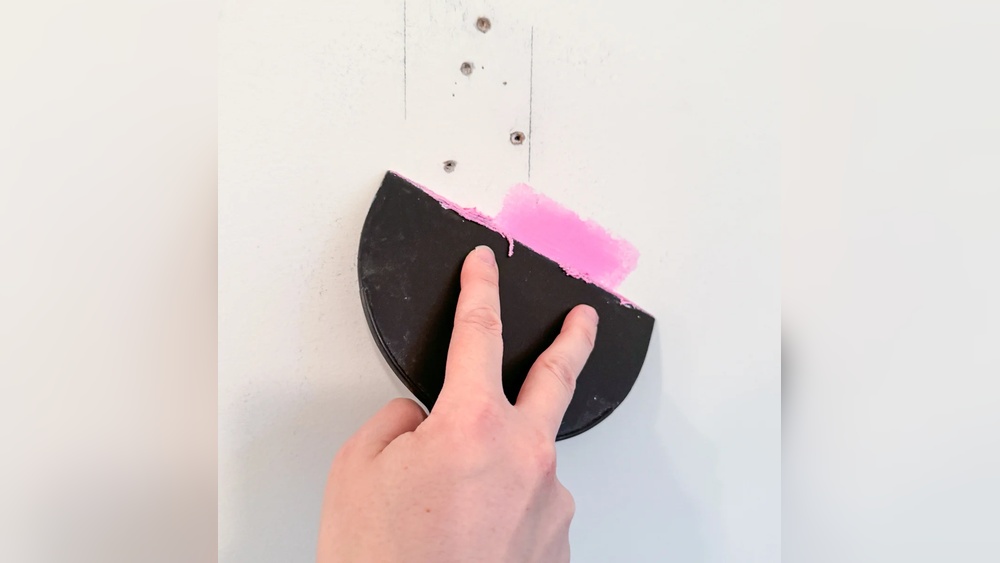
Wall damage often occurs during anchor removal or if the anchor is too large. Small holes can fill with spackle or joint compound. Let it dry, then sand smooth. For bigger holes, use a metal patch or mesh before spackling. Paint over the repair to match the wall. Prevent damage by using the right anchor size and tools. Always drill carefully and avoid forcing anchors into the wall.

Credit: www.youtube.com
Credit: www.youtube.com
Frequently Asked Questions
What Types Of Anchors Work Best With Metal Studs?
Toggle bolts and molly bolts are ideal for metal studs. They provide strong support by expanding behind the stud. These anchors prevent damage and ensure secure mounting for heavy objects.
How Do I Locate Metal Studs Inside A Wall?
Use a stud finder designed for metal detection. Move it slowly along the wall to locate the studs. Mark the edges to find the center for accurate anchoring.
Can I Use Regular Wall Anchors On Metal Studs?
Regular anchors often fail on metal studs due to thin material. Specialized anchors like toggle bolts are necessary for a secure hold. Avoid standard plastic anchors for metal stud walls.
What Weight Can Anchors Hold In Metal Studs?
Weight capacity varies by anchor type and stud thickness. Toggle bolts can support 50 to 100 pounds or more. Always check anchor specifications to match your load requirements.
Conclusion
Anchoring into metal studs requires the right tools and steps. Choose strong anchors that fit the stud size. Mark the spot carefully and drill holes with care. Tighten screws just enough to hold the object firmly. Avoid using anchors meant for drywall only.
Taking these simple actions keeps your items secure on the wall. Try these tips next time you hang something heavy. Safe and steady mounting makes any space look better.