You’ve probably used adhesive hooks to hang pictures, keys, or decorations because they’re quick and easy. But now, you’re staring at your painted wall, wondering how to remove those hooks without peeling off paint or leaving sticky messes behind.
It can be frustrating and worrying—what if you damage your wall? Don’t worry. You’ll discover simple, effective ways to take down adhesive hooks safely and keep your walls looking perfect. Keep reading to learn the best tricks that anyone can use, even if you’ve never done this before.

Credit: www.reddit.com
Types Of Adhesive Hooks
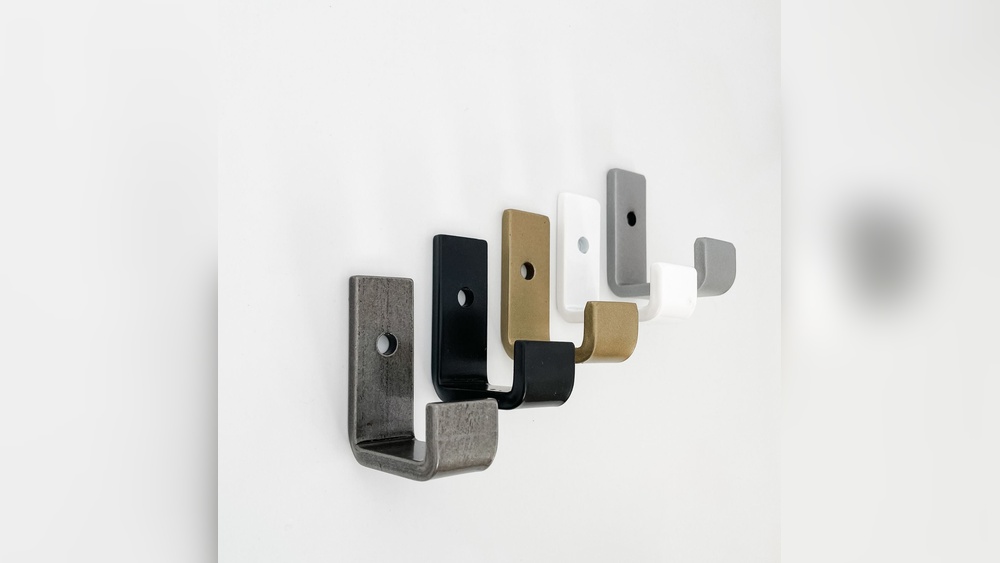
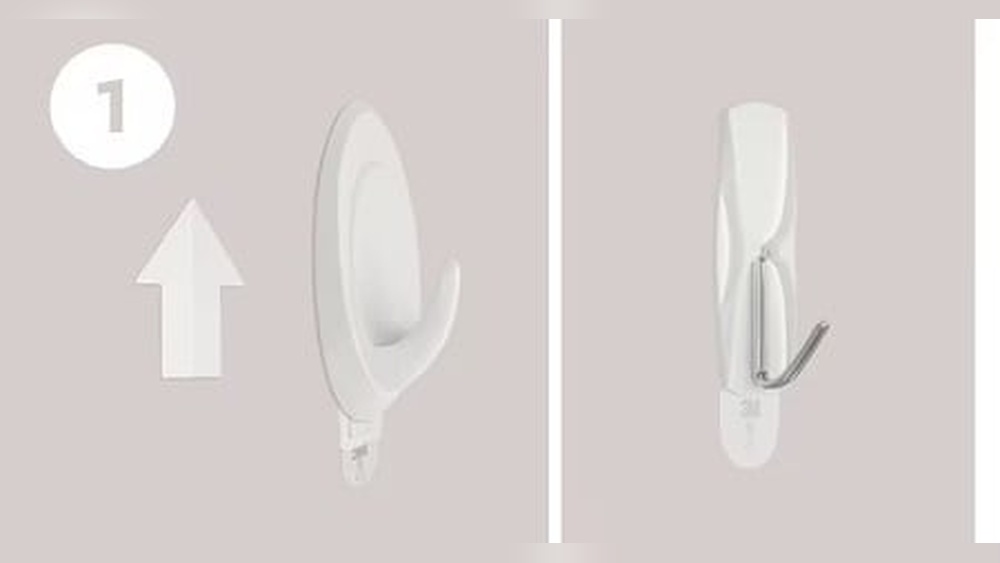
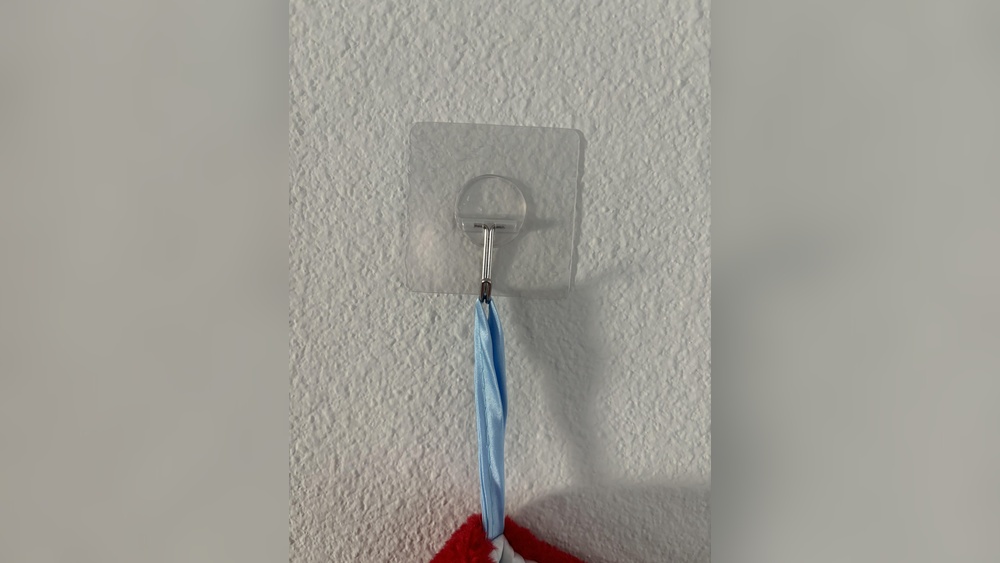
Adhesive hooks come in many types. Each type has different uses and features. Knowing the types helps you remove them without damage. It also helps to choose the right hook for your needs. Here, we explore the common materials and strength variations of adhesive hooks.
Common Materials
Most adhesive hooks use plastic or metal for the hook part. Plastic hooks are lightweight and cost less. Metal hooks are stronger and last longer. The adhesive part is usually made of sticky tape or gel. Some hooks use foam pads for extra grip. The material affects how easy the hook is to remove. It also affects the hook’s hold on the wall.
Strength Variations
Adhesive hooks come with different strength levels. Some hold only a few pounds. These are good for light items like keys or small frames. Stronger hooks can hold up to 10 pounds or more. They are used for heavier items like bags or coats. Strength depends on the adhesive type and hook design. Choosing the right strength prevents wall damage and hook failure.
Preparing To Remove Hooks
Removing adhesive hooks from painted walls requires care. Preparation helps avoid damage to your paint. Gather the right tools and protect the wall surface before you start. This makes the process smooth and safe.
Gathering Tools
Collect items that help remove hooks easily. You will need a hairdryer to warm the adhesive. A plastic card or a flat, dull object will help lift the hook. Have a soft cloth or sponge ready for cleaning. Use mild soap and water for gentle cleaning after removal.
Protecting The Wall
Protect the painted surface to avoid scratches. Place a soft cloth under the hook area. Avoid using sharp tools that can peel paint. Warm the adhesive gently to loosen it. This reduces the risk of peeling or damage.
Safe Removal Techniques
Removing adhesive hooks from painted walls can be tricky. Using safe techniques helps protect the paint and the wall surface. It reduces the chance of damage and leaves your wall clean. Below are simple, effective methods anyone can try.
Peeling Off Slowly
Start by holding the hook firmly. Pull the hook gently and slowly from the wall. Keep the angle low to avoid paint peeling. Do not rush. Slow peeling lets the adhesive release smoothly. Stop if you feel resistance. Try another method if needed.
Using Heat For Softening
Heat softens the glue, making removal easier. Use a hairdryer on low heat. Hold it a few inches away from the hook. Warm the adhesive for about 30 seconds. Test by gently peeling the hook. Repeat heating if the glue is still hard. Heat prevents paint from lifting.
Applying Dental Floss Method
Dental floss can cut through the glue cleanly. Slide a piece of floss behind the hook base. Use a gentle sawing motion. Work slowly to avoid paint damage. This method is good for delicate walls. It separates the adhesive without pulling the paint. Clean the wall after removal for best results.

Credit: www.reddit.com
Cleaning Residual Adhesive
Preventing damage to painted walls starts with smart choices and careful steps. Adhesive hooks can be handy, but they may harm paint if not used properly. Taking time to select the right hooks and install them well helps keep walls safe. Small actions make a big difference over time.
Choosing The Right Hooks
Select hooks made for painted walls. Look for labels that say “safe for paint” or “removable.” Hooks with gentle adhesive reduce the risk of peeling paint. Avoid heavy hooks on delicate surfaces. Choose the right size for the object you hang. This lowers the chance of damage and keeps hooks secure.
Proper Installation Tips
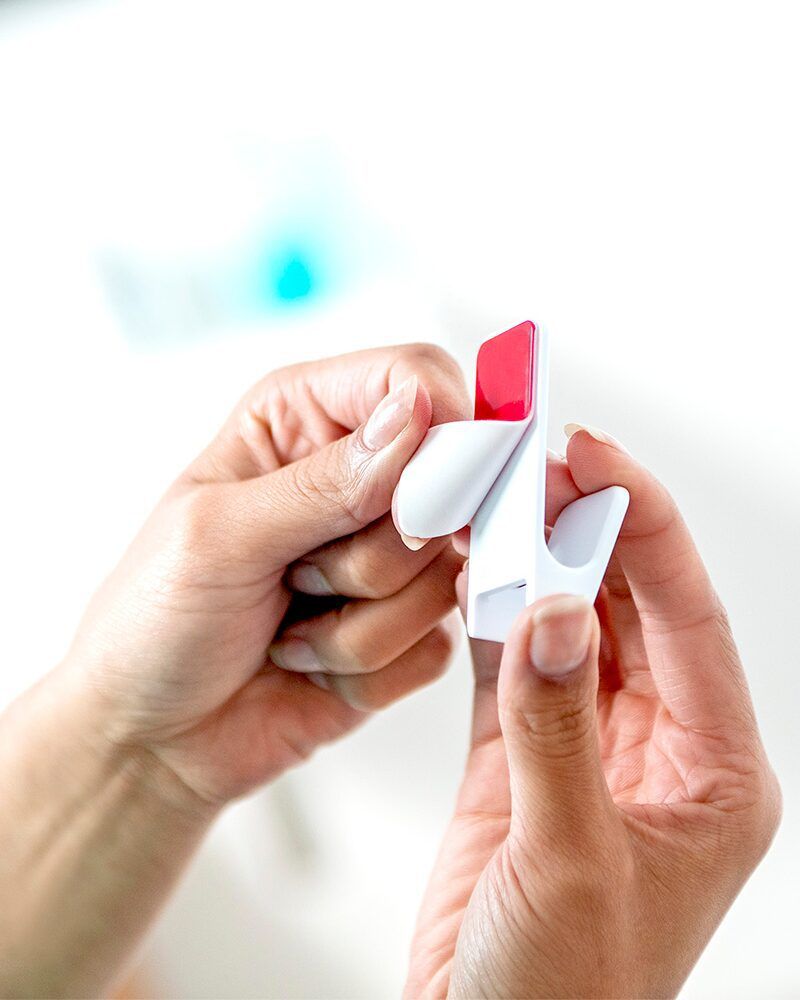
Clean the wall before applying hooks. Use rubbing alcohol to remove dirt and oils. Let the wall dry completely. Press the hook firmly for 30 seconds to stick well. Avoid placing hooks on fresh paint. Wait at least 2 weeks after painting. Follow the hook’s instructions carefully. These steps help hooks stay put without harming paint.
Credit: www.velcro.com
Frequently Asked Questions
How Do I Safely Remove Adhesive Hooks From Painted Walls?
Gently peel the hook from the wall at a 45-degree angle. Use a hairdryer to warm the adhesive, softening it. Avoid sharp tools to prevent paint damage. Clean any residue with mild soap and water afterward.
Can Adhesive Hooks Damage My Painted Walls?
Yes, improper removal can peel paint or leave marks. Always follow manufacturer instructions. Use heat or adhesive removers carefully. Test on a small area first to minimize damage risk.
What Is The Best Way To Remove Sticky Residue?
Apply rubbing alcohol or adhesive remover on a cloth. Gently rub the residue until it loosens. Avoid harsh scrubbing to protect paint. Wipe clean with a damp cloth and dry thoroughly.
Are There Alternatives To Adhesive Hooks For Painted Walls?
Yes, consider using removable hooks with low-tack adhesive. Command strips or suction cups cause less damage. Painter’s tape hooks are also a safe option. Choose based on wall type and weight needs.
Conclusion
Removing adhesive hooks from painted walls takes patience and care. Use gentle heat or a slow pull to avoid damage. Clean leftover sticky spots with mild soap or rubbing alcohol. Take your time and be gentle to keep your paint intact.
With these steps, your walls will look smooth and clean again. Small efforts make a big difference in wall care. Keep these tips handy for easy hook removal anytime.