Have you ever wished you could control your lights from more than one spot in a room? Adding an additional light switch can make your daily life easier and more convenient.
Whether you want to turn on the hallway light from both ends or control a ceiling fan and light separately, this simple upgrade can save you time and effort. In this guide, you’ll discover step-by-step how to add an extra light switch safely and effectively—no electrician needed.
Keep reading, and you’ll learn how to brighten your space with just a few easy tools and clear instructions.
Tools And Materials Needed
Adding an extra light switch can improve your home’s lighting control. Before starting, gather all necessary tools and materials. This helps the work go smoothly and safely. Below are the key items needed for this project.
Essential Tools For Installing A Light Switch
First, you need a screwdriver set. Both flathead and Phillips screwdrivers are useful. A voltage tester is important to check if wires are live. Wire strippers help remove insulation from wires safely. A drill with drill bits may be needed for new holes. Lastly, needle-nose pliers help bend and hold wires.
Materials Required For Adding A Light Switch
Start with a new light switch that matches your existing ones. Electrical wire is necessary to connect the switch. Use wire nuts to join wires securely. An electrical box holds the switch in place. Electrical tape provides extra safety around wire connections. Make sure all materials meet local electrical codes.
Safety Gear To Protect Yourself
Wear insulated gloves to reduce shock risk. Safety goggles protect your eyes from debris. Use a dust mask if drilling into walls. Wear sturdy shoes to avoid slipping or injury. Keep a flashlight nearby in case of power loss. Safety is a top priority during electrical work.
Safety Precautions
Working with electricity requires care and attention. Safety precautions protect you from shocks and accidents. Before adding an extra light switch, understand the risks and steps to stay safe.
Turn Off The Power
Always switch off the power at the circuit breaker. Do not rely on the wall switch alone. Use a tester to confirm no electricity flows in the wires.
Use Proper Tools And Equipment
Use insulated tools to avoid electric shocks. Wear rubber-soled shoes and gloves. Keep your workspace dry and clear of clutter.
Check Local Electrical Codes
Follow your area’s electrical codes and regulations. They ensure safe and legal wiring. Ignoring codes can cause hazards and legal problems.
Label Your Wires
Mark each wire before disconnecting. This helps to reconnect correctly. Mixing wires can cause short circuits or damage.
Work In Good Lighting
Use a flashlight or portable lamp if needed. Clear visibility helps you avoid mistakes. Never work in the dark.
Ask For Help If Unsure
Call a licensed electrician if confused. Electricity is dangerous and mistakes can be costly. Better safe than sorry.
Planning Your Wiring Layout
Planning your wiring layout is the first step to adding a new light switch. A clear plan helps avoid mistakes and keeps the project safe. It saves time and money by preventing rewiring or damage.
Think about where the switch will go. Choose a spot that is easy to reach and fits the room’s flow. Next, find the power source. This is usually an existing switch or outlet. Planning the path for wires is important. Wires should run inside walls or ceilings safely and neatly.
Identify The Power Source
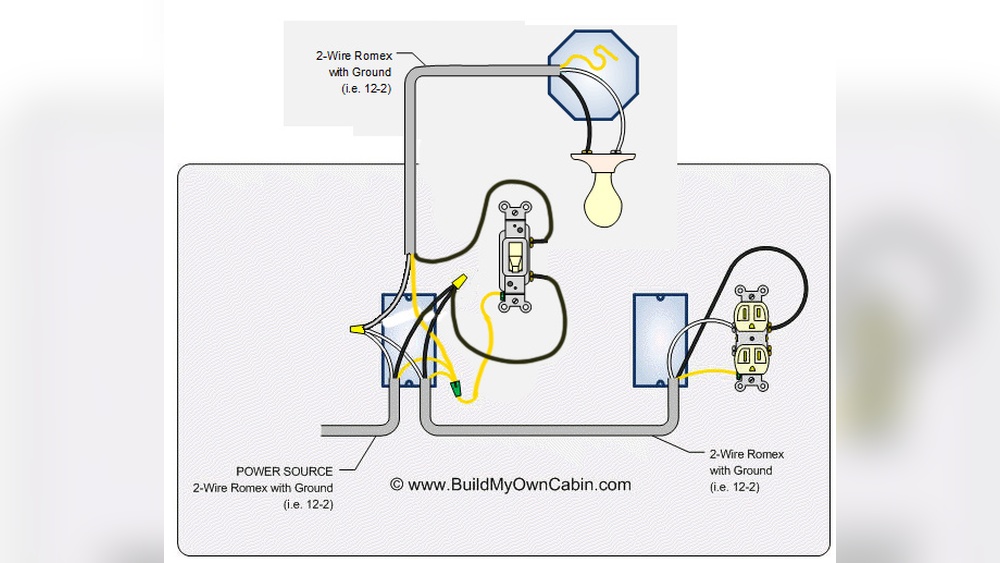
Start by locating the power source that will feed the new switch. It could be an existing switch box or an outlet. Make sure the power is off before working. Use a tester to check for live wires. This step is key to safety.
Map The Wiring Route
Draw a simple map of your room. Mark where the new switch and light will be. Plan a direct route for the wiring. Avoid obstacles like pipes, vents, and studs. Keep wires hidden inside walls or ceilings. This keeps the look clean and avoids damage.
Choose The Right Wire Type
Select wire that matches your home’s electrical code. Usually, 14/2 or 12/2 gauge wire works for lighting. Thicker wire handles more power but is harder to bend. Use wire rated for in-wall use to meet safety rules.
Plan For Switch Box Placement
Decide where to place the new switch box. It should be at a comfortable height, about 48 inches from the floor. Make sure there is room inside the wall for the box. The box must fit wires and the switch without crowding.

Credit: diy.stackexchange.com
Turning Off Power Safely
Turning off power safely is the first and most important step before adding an additional light switch. It protects you from electric shocks and prevents damage to your home wiring. Always take this step seriously to work without risks.
Even a small mistake can cause serious injury. Properly cutting power ensures a safe working environment. This section explains how to turn off power correctly and check it before starting your project.
Locate The Circuit Breaker Panel
Find the main circuit breaker panel in your home. It is usually in the basement, garage, or utility room. The panel holds switches for all electrical circuits in the house. Identify the breaker that controls the light switch area you want to work on.
Switch Off The Correct Breaker
Flip the switch for the correct circuit to the OFF position. This stops electricity flow to that part of the house. Turning off the right breaker prevents shocks and keeps you safe during work.
Use A Voltage Tester To Confirm
After switching off, use a voltage tester to check the wires. This tool shows if electricity is still present. Test all wires in the switch box to be sure power is off. Never assume the power is off without checking.
Double Check With A Helper
Ask someone to turn on the light or device connected to that circuit. If it does not turn on, the power is off. This extra step helps ensure your safety before starting work on the switch.
Removing The Existing Switch
Removing the existing light switch is the first step in adding an additional switch. This step requires care and attention to safety. Turning off the power is very important to avoid electric shock. After that, you can safely remove the old switch.
Take your time during this process. Make sure you understand each step clearly before moving on. This way, you prevent damage and keep yourself safe.
Turn Off The Power
Locate the circuit breaker for the switch you want to remove. Switch it off to cut the power supply. Use a voltage tester to confirm the power is off. Never touch wires before checking the power.
Remove The Switch Cover Plate
Use a screwdriver to remove the screws holding the cover plate. Pull the plate off gently. This exposes the switch and wiring behind it.
Unscrew The Old Switch
Next, unscrew the switch from the electrical box. Keep the screws safe for later use. Slowly pull the switch out to see the wires connected to it.
Disconnect The Wires
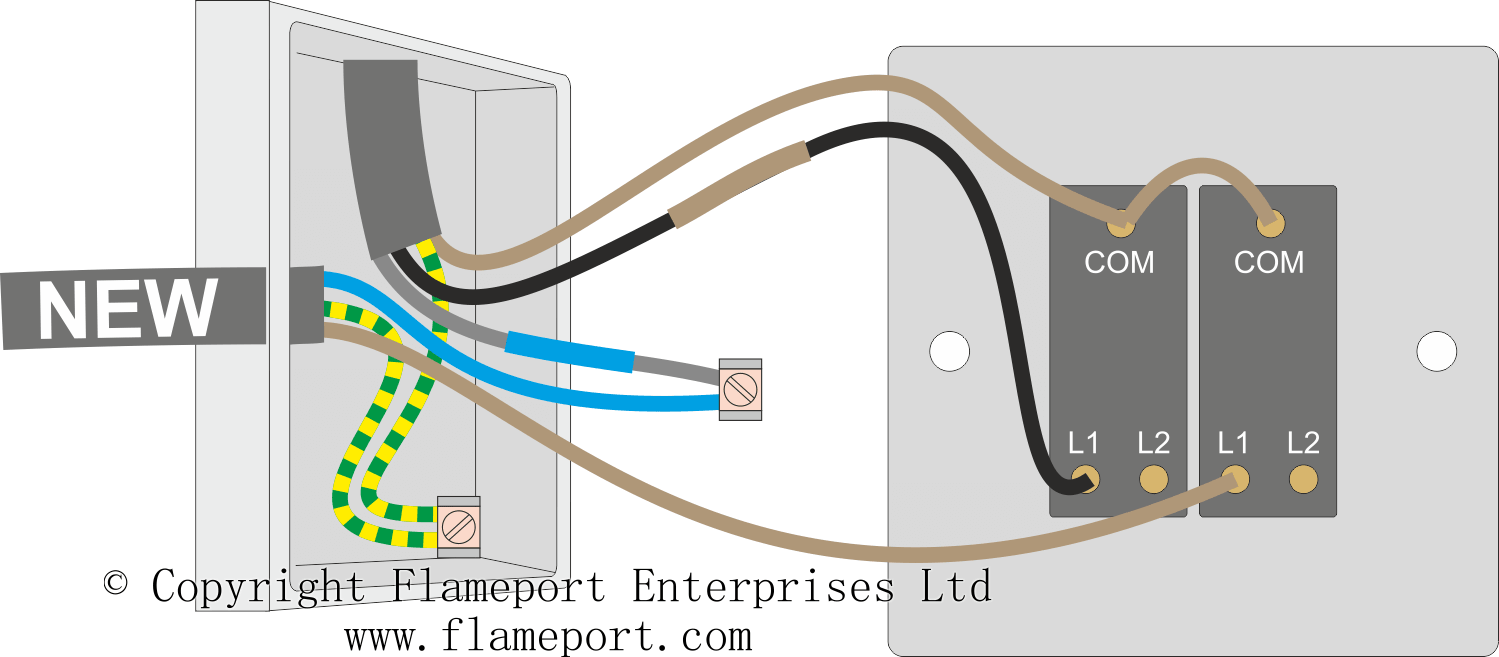
Note how the wires are attached to the switch. Use a screwdriver to loosen the terminal screws. Carefully disconnect each wire. Keep the wires separated to avoid mixing them up.
Inspect The Wiring
Check the wires for damage or wear. Look for frayed or exposed wires. Fix or replace any damaged wires before installing a new switch.
Credit: flameport.com
Running New Wires
Running new wires is a key step when adding an extra light switch. It requires careful planning and some basic electrical skills. The wires connect the new switch to power and the light fixture. Doing this safely is important to avoid electrical hazards.
Planning the wire path helps avoid obstacles inside walls or ceilings. You will need tools like a wire stripper, drill, and voltage tester. Choosing the right wire gauge is essential for safety and code compliance.
Choosing The Right Wire Type
Use wires rated for indoor electrical use. Typically, 14-gauge wire works for most lighting circuits. Check local codes to confirm wire type and size. Copper wires are common and conduct electricity well.
Turning Off Power Before Starting
Switch off the circuit breaker to avoid shocks. Test the wires with a voltage tester to be sure. Never work on live wires. Safety first.
Running The Wire Through Walls
Drill small holes in studs or joists to pass the wire. Push the wire carefully without damaging the insulation. Use fish tape to pull wire through tight spaces. Secure the wire with staples, but do not pierce it.
Strip the wire ends and connect to the switch terminals. Match the black (hot) wires to the switch. Connect white (neutral) wires together with a wire nut. Attach the ground wire to the switch grounding screw.
Connecting The New Switch
Connecting the new switch is a key step in adding an extra light switch. It controls the flow of electricity to the light fixture. Proper wiring ensures safety and functionality. Follow each step carefully to avoid common mistakes.
Identify The Wires
First, find the wires in the electrical box. Usually, there are three types: live, neutral, and ground. The live wire carries power. The neutral wire completes the circuit. The ground wire protects from electrical shocks.
Turn Off The Power
Always switch off the power at the breaker box. Use a voltage tester to confirm no electricity flows. This step prevents shocks and accidents during wiring.
Connect The Live Wire
Attach the live wire to the switch’s brass terminal. This connection controls the power to the light. Tighten the screw securely but do not over-tighten.
Attach The Load Wire
The load wire goes to the light fixture. Connect it to the switch’s other brass terminal. This completes the circuit to turn the light on or off.
Connect The Ground Wire
Attach the ground wire to the green screw on the switch. This step protects against electrical faults. Ensure the connection is tight and secure.
Secure The Neutral Wire
In some switches, the neutral wire is needed. Connect it to the silver terminal if present. Otherwise, twist the neutral wires together inside the box.
Testing Your Work
Testing your work is a crucial step after installing an additional light switch. It confirms that everything works safely and correctly. This step helps prevent electrical issues and keeps your home secure.
Take your time to check every function of the switch. Testing ensures the new switch controls the light as intended. It also verifies that the wiring is properly connected.
Turn The Power Back On
Start by turning the circuit breaker back on. This restores power to the switch and the connected light fixture. Never test a switch without power, as it won’t work.
Check The New Switch Operation
Flip the new switch up and down several times. Observe if the light turns on and off with each flip. If the light does not respond, double-check your wiring connections.
Test The Original Switch
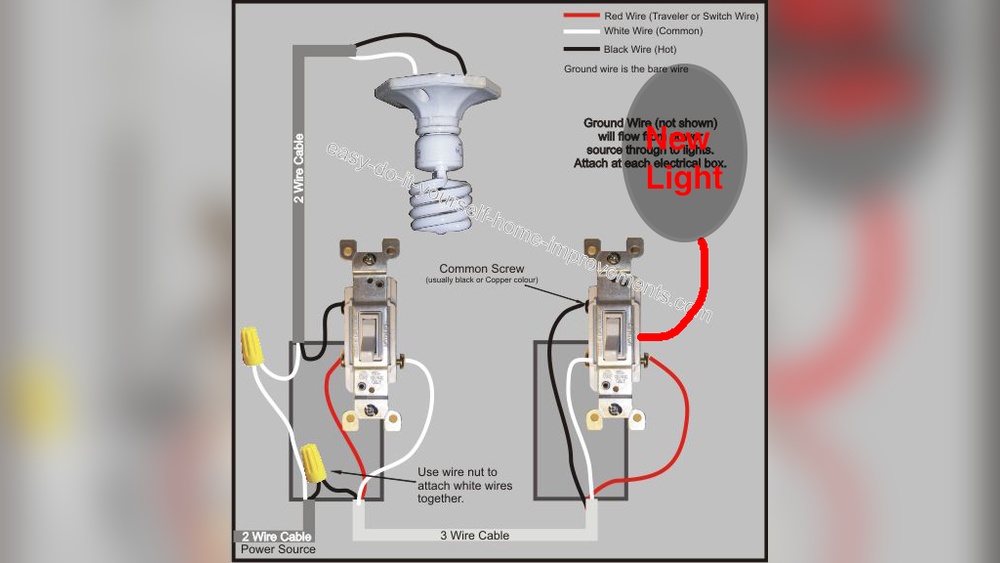
If your new switch is part of a three-way setup, test the original switch too. Both switches should control the light independently. Confirm each switch turns the light on and off smoothly.
Look For Signs Of Electrical Problems
Listen for buzzing sounds or look for flickering lights. Any unusual signs indicate a wiring problem. Turn off the power immediately and review your installation.
Use A Voltage Tester
Use a voltage tester to check for live wires before touching anything. This tool ensures safety by confirming power presence or absence. Always handle electrical tools carefully and follow instructions.
Troubleshooting Common Issues
Adding an extra light switch is a helpful project but can bring some challenges. Troubleshooting common problems saves time and frustration. Understanding simple fixes helps keep your work safe and effective.
Checking The Power Supply
Start by making sure the power is off at the breaker. Use a voltage tester to check wires. No power means the breaker might be off or the fuse blown. Fixing power supply issues is the first step.
Verifying Wire Connections
Loose or wrong wire connections cause switches not to work. Double-check that each wire matches the correct terminal. Tighten screws to secure wires. Proper connections ensure the switch functions properly.
Testing The Switch Itself
The switch might be faulty. Use a multimeter to test continuity. Replace the switch if it shows no continuity. A good switch is essential for controlling the light.
Inspecting The Light Fixture
Sometimes the problem is with the light fixture. Check the bulb and socket for damage. Replace the bulb or fixture if needed. A working fixture is part of a successful installation.
Understanding Wiring Diagrams
Wiring mistakes often come from misunderstanding diagrams. Follow the diagram closely during installation. Label wires to avoid confusion. Clear understanding avoids common wiring errors.

Credit: www.youtube.com
Tips For A Professional Finish
Adding an extra light switch can brighten up your space and improve convenience. A neat, professional finish makes the installation look clean and safe. Careful steps ensure the switch works well and fits with your room’s style.
Follow simple tips to get the best results. Small details matter. They give your project a polished look and prevent problems later.
Use Quality Materials And Tools
Choose good switches and wiring. Cheap parts may fail or cause hazards. Use proper tools for cutting, stripping, and securing wires. This helps avoid damage and keeps connections strong.
Turn Off Power Before Starting
Safety is key. Always switch off the circuit breaker. Double-check power is off with a tester. This protects you from shocks and prevents short circuits.
Measure And Mark Accurately
Mark the wall where the new switch will go. Use a level to keep it straight. Measure twice to avoid mistakes. Precise placement makes the switch look tidy and professional.
Secure Wiring Neatly
Arrange wires without tangling or stretching. Use cable clips or staples to hold them in place. Neat wiring reduces electrical risks and makes future repairs easier.
Install Switch Box Correctly
Fit the switch box flush with the wall. Use screws to secure it firmly. A properly mounted box keeps the switch stable and prevents damage.
Test The Switch Before Closing
Turn the power back on and test the switch. Check if the light turns on and off smoothly. Fix any issues before attaching the cover plate.
Finish With A Clean Cover Plate
Choose a cover plate that matches your room. Screw it on tightly but avoid cracking. A clean cover gives the installation a finished, professional look.
Frequently Asked Questions
How Do I Add An Additional Light Switch Safely?
Turn off power at the breaker before starting. Use a voltage tester to confirm no current. Follow wiring diagrams carefully and secure all connections with wire nuts. If unsure, consult a licensed electrician to ensure safety and code compliance.
What Tools Are Needed To Install A New Light Switch?
You’ll need a screwdriver, wire stripper, voltage tester, electrical tape, wire nuts, and a new switch. A drill may be helpful for mounting. Having these tools ready ensures a smooth and safe installation process without interruptions.
Can I Add A Light Switch To An Existing Circuit?
Yes, you can add a switch to an existing circuit if the circuit can handle extra load. Always check the circuit breaker rating and wiring capacity. Avoid overloading by consulting an electrician if unsure about the circuit’s limits.
How Do I Wire A Three-way Switch Correctly?
Identify the common terminal and traveler wires. Connect the common wire to the switch’s common terminal. Attach traveler wires to the remaining terminals. Use proper wire colors and test the switch functionality before closing the box.
Conclusion
Adding an extra light switch can improve your home’s convenience. Plan carefully before starting any electrical work. Always turn off the power to stay safe. Follow the steps to install the switch correctly. Use the right tools and materials for the job.
Double-check your connections to avoid problems later. If unsure, ask a professional for help. Enjoy better control of your lighting after the task. Simple changes can make a big difference in daily life. Keep learning to handle small home projects with confidence.