Hanging a hook on a cement wall might sound tricky, but with the right steps, you can do it yourself easily. Whether you want to hang a picture, a plant, or keys, the right technique will keep your items secure without damaging your wall.
If you’ve ever worried about cracking or messing up the cement, this guide is made just for you. Keep reading, and you’ll learn simple, clear steps to get your hook up fast and strong. Your next DIY project just got a lot easier!

Credit: www.amazon.com
Choosing The Right Hook
Choosing the right hook is very important when hanging items on a cement wall. The wrong hook can cause damage or fail to hold the item securely. Different hooks suit different needs and wall types. Picking the best hook ensures safety and lasting support.
Types Of Hooks For Cement Walls
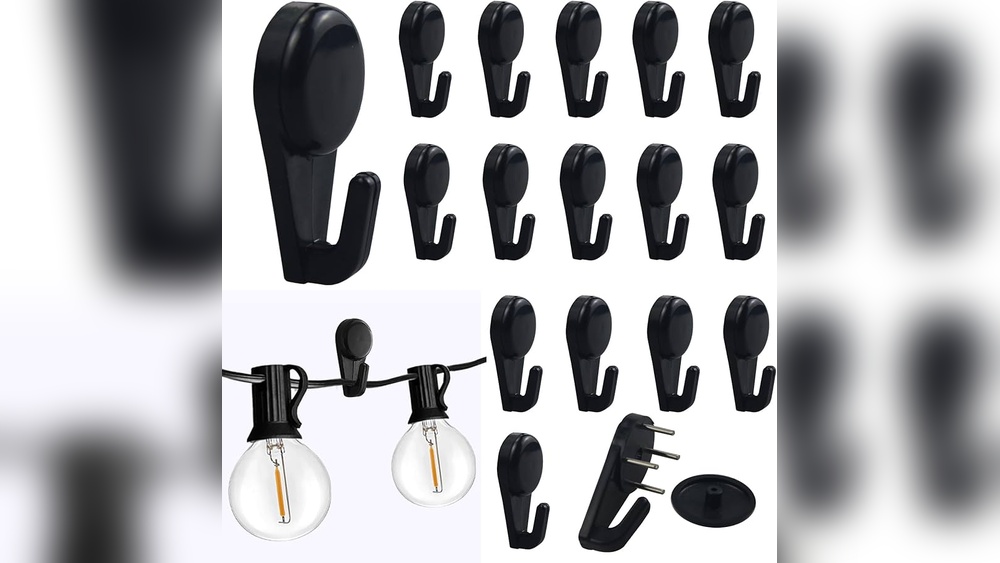
Several hook types work well on cement walls. Concrete screws come with built-in anchors. They fit tightly into drilled holes. Plastic expansion anchors expand inside the hole to hold the hook firmly. Metal wall plugs offer strong grip and support heavy items. Adhesive hooks stick to smooth surfaces but hold light objects only. Choose based on your wall and item weight.
Weight Capacity Considerations
Check the hook’s weight limit before use. Every hook has a maximum weight it can hold safely. Overloading a hook may cause it to pull out or break. Consider the item’s weight and add a safety margin. Use stronger hooks for heavy objects like shelves or frames. Small hooks work for light decorations or keys. Proper weight matching protects your walls and belongings.
Tools And Materials Needed
Hanging a hook on a cement wall needs the right tools and materials. Using proper items makes the job easier and safer. It helps the hook stay strong and last longer.
Essential Tools
Start with a power drill. It drills holes in hard cement walls quickly. Use a masonry drill bit for better results. A hammer helps to tap anchors into the wall. A screwdriver tightens screws securely. A tape measure ensures precise hook placement. A pencil marks where you drill. Safety goggles protect your eyes from dust and debris. Gloves protect your hands from rough surfaces.
Recommended Anchors And Screws
Use plastic expansion anchors for light loads. They expand inside the hole to hold firmly. For heavier items, use metal anchors. Sleeve anchors provide strong support in cement. Tapcon screws work well with anchors for cement walls. Choose the right size for your hook and wall thickness. Check the weight limit on anchors and screws. This prevents accidents and wall damage.
Preparing The Wall
Preparing the wall is the first step to hang a hook on a cement surface. A well-prepared wall helps the hook stay strong and safe. Taking time to get the wall ready prevents damage and ensures a smooth process.
Locating The Spot
Choose the right spot on the cement wall. Look for a flat area without cracks or holes. Avoid weak spots that may break under weight. Mark the exact place with a pencil. This mark guides drilling and hook placement.
Cleaning The Surface
Clean the chosen spot before drilling. Remove dust, dirt, and loose particles. Use a brush or cloth to wipe the area. A clean surface helps the drill and anchor hold better. This step is key for a secure hook.
Drilling Into Cement
Drilling into cement needs care and the right tools. Cement is hard and dense. You must use strong equipment to make clean holes. This step is key to hang hooks safely and firmly.
Preparing well helps avoid cracks or damage. It also saves time and effort. Focus on choosing the correct drill bit and using the right drilling method.
Selecting The Drill Bit
Pick a masonry drill bit for cement walls. These bits have a strong tip made of tungsten carbide. This tip cuts through cement easily. Avoid using regular metal drill bits. They can break or wear out fast.
Choose the right size bit for your wall plug and hook. Too small a bit won’t fit the plug. Too large a bit makes the hole loose. Match the bit diameter to the plug size exactly.
Drilling Techniques
Use a hammer drill for easier drilling into cement. This drill has a pounding action that breaks cement fast. Hold the drill steady and straight. Press lightly; don’t force the drill hard.
Start drilling slowly to make a guide hole. Then increase speed and pressure gently. Drill to the depth of your wall plug. Clean dust from the hole before inserting the plug. This helps the hook hold tight.
Installing Anchors
Installing anchors is key to hanging a hook securely on a cement wall. Anchors hold the hook in place and support weight. Without anchors, hooks can fall or damage the wall. Choosing the right anchor and inserting it correctly makes the job easier and safer.
Types Of Anchors
Plastic anchors are common and work well for light loads. They expand inside the hole to grip the wall tightly. Metal anchors offer more strength for heavier items. Sleeve anchors spread inside the wall as you tighten the screw. Wedge anchors are ideal for very heavy loads and provide strong support.
Proper Insertion Methods
First, drill a hole that matches the anchor size. Clean the hole from dust for better grip. Insert the anchor gently until it is flush with the wall. Tap lightly with a hammer if needed, but avoid damage. Tighten the screw slowly to expand the anchor inside. Check that the anchor feels firm and secure before hanging the hook.
Mounting The Hook
Mounting the hook on a cement wall needs care and the right steps. This part is key to keep the hook strong and useful. Follow clear steps for a neat and safe hook setup.
Aligning And Securing The Hook
Start by placing the hook on the marked spot. Make sure it is straight and even. Use a level tool if possible. Hold the hook steady as you insert the screws. Drill slowly to avoid cracks. Keep the hook tight against the wall while fixing screws. This stops the hook from moving or tilting.
Final Tightening Tips
After the screws are in, check the hook’s fit. Tighten screws little by little. Avoid over-tightening to prevent damage. Use a screwdriver to control the pressure. Test the hook by gently pulling it. It should stay firm and not wobble. Adjust if needed before full use.
Safety Tips And Common Mistakes
Hanging a hook in a cement wall needs care. Safety helps prevent accidents and damage. Avoiding common mistakes saves time and effort. Follow clear steps for a strong, secure hook.
Protective Measures
Wear safety glasses to protect your eyes from dust and debris. Use gloves to protect your hands from sharp tools. Work in a well-ventilated area to avoid inhaling dust. Secure the ladder or stool if you work at height. Keep children and pets away from the work area.
Avoiding Damage To The Wall
Mark the exact spot before drilling to avoid wrong holes. Use the correct drill bit for cement walls to prevent cracks. Drill slowly and steadily to control the hole size. Avoid drilling too deep to protect wiring or pipes inside the wall. Clean the hole of dust before inserting the anchor or hook.

Credit: www.wikihow.com
Maintenance And Removal
Maintaining hooks on a cement wall keeps them secure and safe for use. Regular checks help spot any problems early. Proper removal stops damage to the wall and hook.
Checking Hook Stability
Check the hook by gently pulling it. If it feels loose, tighten it carefully. Look for cracks around the hook area. Loose hooks can fall and cause damage or injury. Regular checks prevent accidents and keep your wall safe.
Removing Hooks Without Damage
Remove hooks slowly to avoid wall damage. Use a screwdriver or pliers to turn the hook counterclockwise. Pull the hook out straight to keep the hole clean. Fill small holes with cement or wall filler. Sand the area smooth after it dries for a neat finish.

Credit: www.wikihow.com
Frequently Asked Questions
How Do You Drill Into A Cement Wall For Hooks?
Use a hammer drill with a masonry bit to drill into cement. Mark the spot, drill a hole slightly smaller than the anchor size, and clear debris before inserting the anchor.
What Type Of Anchors Work Best For Cement Walls?
Plastic expansion anchors and sleeve anchors are ideal. They provide strong grip and stability for hanging hooks in cement walls.
Can I Hang Heavy Items On Cement Wall Hooks?
Yes, but use heavy-duty anchors and screws. Ensure the hook and anchors are rated for the item’s weight to avoid damage.
How Deep Should The Hole Be For Cement Hooks?
Drill the hole at least 1 inch deeper than the anchor length. This ensures full anchor insertion and a secure fit.
Conclusion
Hanging a hook on a cement wall is simple with the right tools. Take your time to measure and mark the spot clearly. Drill carefully to avoid cracks or damage. Use the proper anchors to keep the hook strong and stable.
This method works for many types of hooks and items. Now, you can hang pictures, shelves, or decorations securely. Practice makes it easier each time you try. Enjoy your neatly organized space with confidence.