Have you ever wondered what holds machines and structures firmly together? The answer lies in something small but incredibly powerful—fasteners.
If you’re curious about how bolts, screws, and nuts work behind the scenes to keep everything in place, you’re in the right spot. Understanding fasteners is key to grasping how mechanical parts connect and function seamlessly. Stick with me, and you’ll discover exactly what fasteners are, why they matter, and how they impact your everyday life more than you might think.
Ready to unlock this essential piece of mechanical knowledge? Let’s dive in.
Credit: www.3erp.com
Types Of Fasteners
Fasteners are essential tools in mechanical work. They join parts together securely. Different types suit various needs and materials. Understanding these types helps in choosing the right one for each job.
Bolts And Screws
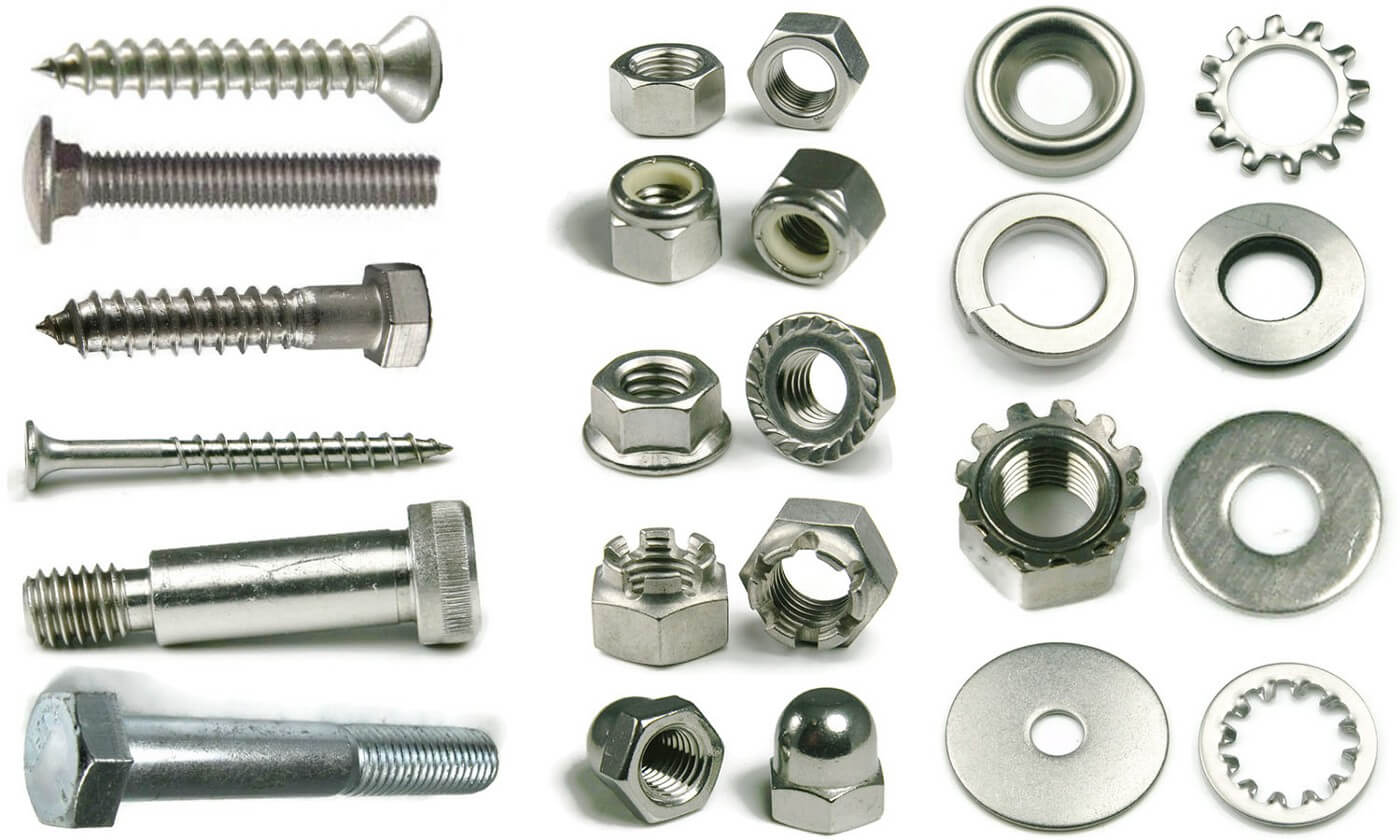
Bolts and screws are common fasteners. They hold parts by threading into materials or nuts. Bolts usually need nuts to lock pieces. Screws can go directly into wood, metal, or plastic. Both come in many sizes and shapes.
Nuts And Washers
Nuts work with bolts to create strong joints. They twist onto bolts to lock parts firmly. Washers sit under nuts or bolt heads. They spread pressure and protect surfaces from damage. Washers also prevent loosening from vibrations.
Rivets And Pins
Rivets permanently join two materials. They are hammered or pressed into place. Pins fit into holes to hold parts together. Some pins allow easy removal, like cotter pins. These fasteners are useful in tight or moving parts.
Clips And Clamps
Clips and clamps hold parts without threading. Clips snap into place and are quick to remove. Clamps use pressure to keep parts tight. Both are handy for temporary or adjustable fastening. They help in assembly and repairs.

Credit: allpointsfasteners.com
Materials Used In Fasteners
Fasteners are essential components in mechanical assemblies. The materials used in fasteners affect their strength, durability, and resistance. Choosing the right material depends on the application and environment. Fasteners must hold parts together securely and resist wear and corrosion. Various materials serve different purposes and offer unique benefits.
Steel And Stainless Steel
Steel is the most common fastener material. It offers high strength and good durability. Carbon steel fasteners are strong but can rust. Stainless steel fasteners resist corrosion well. They are ideal for moist or outdoor environments. Stainless steel also looks clean and polished. These fasteners work well in automotive and construction fields.
Aluminum And Brass
Aluminum fasteners are light and resist corrosion. They do not rust, making them useful in marine settings. Aluminum fasteners are softer than steel and suit low-stress uses. Brass fasteners resist corrosion and have a bright gold color. They are often used in electrical and decorative applications. Both materials provide good conductivity and aesthetic appeal.
Plastic And Composite Fasteners
Plastic fasteners are lightweight and resist chemicals well. They do not conduct electricity, making them good for electronics. Composite fasteners combine materials for added strength. These fasteners are useful where metal fasteners may cause problems. They resist corrosion and reduce the overall weight of assemblies. Plastic and composite fasteners are common in aerospace and medical devices.
Fastener Strength And Grades
Fasteners play a vital role in mechanical systems. Their strength and grade determine their performance and safety. Choosing the right fastener depends on understanding these factors. Fastener strength and grades show how much load they can handle. They also indicate the material quality and treatment used.
Tensile Strength
Tensile strength is the maximum force a fastener can hold before breaking. It measures how strong the fastener is under pulling forces. Higher tensile strength means the fastener can handle more stress. This is important for parts that face heavy loads or vibrations. Tensile strength is usually tested in pounds per square inch (psi) or megapascals (MPa).
Grade Markings
Fasteners have grade markings on their heads. These marks identify the strength and type of fastener. For example, a grade 5 bolt has different strength than a grade 8 bolt. The markings include lines, numbers, or symbols. They help engineers and workers pick the correct fastener for each job. Knowing these grades avoids using weak fasteners in critical places.
Corrosion Resistance
Corrosion resistance shows how well a fastener can resist rust and damage. Fasteners exposed to moisture or chemicals need high corrosion resistance. Materials like stainless steel or coated fasteners offer better protection. Choosing corrosion-resistant fasteners increases durability and safety. It prevents fastener failure due to rust or wear over time.
Selection Criteria For Fasteners
Selecting the right fastener is critical for mechanical projects. The choice depends on several key factors that impact performance and safety. Understanding these helps ensure the fastener fits the task perfectly. Below are important criteria to consider when choosing fasteners.
Load Requirements
Fasteners must handle the forces acting on them. Consider tensile, shear, and compressive loads. The fastener’s strength should match or exceed these forces. Using weak fasteners can cause failure or accidents. Choose materials and sizes that meet load needs precisely.
Environmental Conditions
Fasteners face different environments, from dry indoors to wet or corrosive outdoors. Materials react differently to moisture, chemicals, and temperature changes. Stainless steel suits wet or corrosive areas. Coated fasteners resist rust. Match fastener material to the environment for durability.
Ease Of Assembly And Maintenance
Fasteners should allow easy installation and removal. Simple designs save time during assembly and repairs. Consider tools required and accessibility. Reusable fasteners help in maintenance tasks. Choose types that simplify work and reduce downtime.
Common Fastening Techniques
Fasteners join parts in machines and structures. They hold pieces firmly. Different methods suit different jobs. Common fastening techniques vary by strength, cost, and ease of use.
Choosing the right method ensures safety and durability. Let’s explore some popular fastening techniques used in mechanical work.
Threaded Fastening
Threaded fastening uses screws, bolts, and nuts. These fasteners have spiral grooves called threads. Threads grip tightly when turned. This method allows easy assembly and disassembly. It works well for metal and plastic parts. Threaded fasteners come in many sizes and shapes. They provide strong, reliable joints for many machines.
Welding And Soldering
Welding joins metal parts by melting their edges. It creates a strong, permanent bond. Different types of welding suit different metals and thicknesses. Soldering is similar but uses lower heat. It melts a filler metal to join parts. Welding and soldering need skilled workers and special tools. Both methods are common in heavy machinery and electronics.
Adhesive Bonding
Adhesive bonding uses glue or resin to join parts. It works well for plastics, wood, and metals. Adhesives spread evenly and fill small gaps. This method avoids holes or heat damage. It can add flexibility and reduce vibration. Adhesive bonding needs clean surfaces and curing time. It suits lightweight and delicate assemblies in many industries.
Applications In Mechanical Engineering
Fasteners play a vital role in mechanical engineering. They join parts together securely. Different industries rely on fasteners for strength and stability. Each application needs specific types of fasteners. This ensures safety and efficiency in mechanical systems.
Automotive Industry
Fasteners hold together car parts and components. They secure engines, chassis, and body panels. High-strength bolts and screws resist vibrations and heat. Using the right fasteners prevents accidents and breakdowns. Fasteners also make vehicle repairs easier and faster.
Aerospace Components
In aerospace, fasteners must handle extreme conditions. They connect wings, fuselage, and engines tightly. Lightweight and durable fasteners reduce aircraft weight. This improves fuel efficiency and flight safety. Precision fasteners ensure parts stay secure at high speeds.
Construction And Infrastructure
Fasteners join steel beams, concrete forms, and other materials. They keep buildings, bridges, and towers stable. Strong fasteners resist weather and heavy loads. Proper fasteners help structures last for decades. They also allow quick assembly and maintenance.
Fastener Failures And Prevention
Fasteners hold parts tightly in machines. They face stress and wear over time. Failures in fasteners can cause big problems. These include leaks, breaks, or even accidents. Preventing fastener failure keeps machines safe and working well.
Understanding why fasteners fail helps avoid trouble. Regular checks and care extend their life. Small actions make a big difference in safety and cost.
Common Causes Of Failure
Fasteners fail due to many reasons. One cause is over-tightening, which breaks threads or bolts. Another cause is corrosion from moisture or chemicals. Vibration loosens fasteners, making them fall out. Using the wrong fastener size weakens the connection. Fatigue from repeated stress causes cracks or breaks.
Inspection Methods
Visual checks spot rust, cracks, or loose parts. Feel for movement in fasteners during inspection. Use torque wrenches to check tightness levels. Dye penetrant tests find small cracks not seen by eye. Ultrasonic testing checks inside fasteners for hidden damage. Regular inspection prevents problems before they grow.
Maintenance Tips
Keep fasteners clean and dry to prevent rust. Apply anti-seize or lubricants to reduce friction. Tighten fasteners to the recommended torque only. Replace damaged or worn fasteners immediately. Use locking devices like washers or thread lockers. Schedule routine checks to catch early signs of failure.

Credit: www.theprocesspiping.com
Frequently Asked Questions
What Are Fasteners In Mechanical Engineering?
Fasteners are hardware devices that join two or more objects mechanically. They provide strong, reliable connections in machines and structures. Common fasteners include bolts, screws, nuts, and washers. They allow easy assembly and disassembly without damaging the components.
Why Are Fasteners Important In Mechanical Systems?
Fasteners ensure structural integrity and safety by securely holding parts together. They facilitate maintenance and repairs by enabling quick disassembly. Proper fastener selection improves durability, load distribution, and resistance to vibrations in mechanical systems.
What Types Of Fasteners Are Commonly Used?
Common mechanical fasteners include bolts, screws, nuts, washers, rivets, and pins. Each type serves specific purposes based on strength, load, and application. Bolts and screws are widely used for threaded connections, while rivets provide permanent fastening.
How To Choose The Right Fastener For A Project?
Choose fasteners based on material compatibility, load requirements, and environmental conditions. Consider strength, corrosion resistance, thread type, and size. Proper selection ensures optimal performance and longevity of the mechanical assembly.
Conclusion
Fasteners hold parts together in machines and structures. They come in many types like screws, bolts, and nuts. Each type serves a specific purpose for strength and stability. Choosing the right fastener ensures safety and durability. Knowing about fasteners helps in fixing and building things better.
These small parts play a big role in mechanical work. Understanding their use makes mechanical tasks easier and more effective.