Are you struggling with broken shutter fasteners stuck in your brick wall? Removing them can feel frustrating and tricky, especially if you don’t have the right approach.
But don’t worry—this guide will show you simple, effective steps to get those stubborn fasteners out without damaging your brick. By the time you finish reading, you’ll have the confidence and know-how to tackle this common problem quickly and safely.
Let’s dive in and get your shutters looking great again!
Tools Needed
Removing broken shutter fasteners from brick needs the right tools. Using proper tools makes the job easier and safer. Choose tools that fit the size and type of fasteners you have. Some fasteners come out with hand tools, but others need power tools. Prepare all tools before starting to avoid interruptions.
Essential Hand Tools
Start with simple hand tools. A screwdriver set with flathead and Phillips tips works well. Pliers help grip and twist out fasteners. Use a hammer and chisel to tap around stuck fasteners gently. A utility knife can cut old caulk or paint sealing the fastener. Keep a wire brush nearby to clean rust and dirt.
Power Tools For Stubborn Fasteners
For tough fasteners, use power tools. A cordless drill with screwdriver bits speeds up removal. An impact driver offers extra torque for tight screws. A rotary tool with a cutting wheel can slice through stripped heads. Use a small angle grinder to grind off damaged fasteners carefully. Always wear safety goggles and gloves when using power tools.

Credit: www.reddit.com
Safety Precautions
Removing broken shutter fasteners from brick can be risky without safety measures. Protect yourself and others before starting the task. Safety precautions lower the chance of injury and damage. Follow these steps carefully for a safe working environment.
Protective Gear
Wear safety goggles to protect your eyes from flying debris. Use gloves to shield your hands from sharp edges and rough brick surfaces. A dust mask helps prevent inhaling dust particles. Wear sturdy shoes to protect your feet from falling tools or bricks. Dress in long sleeves and pants to avoid skin scrapes.
Work Area Preparation
Clear the area around the work zone to avoid tripping hazards. Remove any fragile items that could break from falling debris. Use a drop cloth to catch dust and small debris. Keep children and pets away from the site. Ensure good lighting to see what you are doing clearly.
Assessing The Fastener
Before removing broken shutter fasteners from brick, assess the fastener carefully. This step helps avoid damage to the brick and makes removal easier. Understanding the fastener type and damage level guides the right tools and method.
Identifying Fastener Type
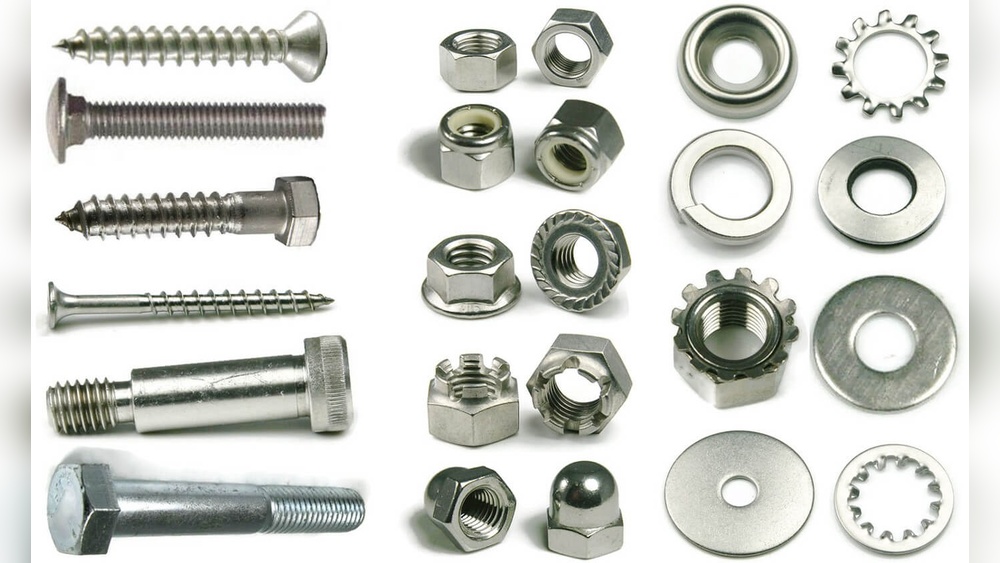
First, check what kind of fastener holds the shutter. Common types include screws, nails, or masonry anchors. Screws often have a visible head with slots or a cross shape. Nails may be flush or slightly sticking out. Masonry anchors are usually metal and set deep in the brick.
Knowing the fastener type helps select the right removal tool. A screwdriver works for screws, pliers for nails, and special tools for anchors. Proper identification reduces risk of breaking the brick or shutter further.
Evaluating Damage Level
Next, examine how damaged the fastener is. Is the head stripped or broken off? Is the fastener loose or stuck tight? A damaged fastener may need extra care or different tools to remove.
Look for cracks or chips around the fastener area on the brick. Damage might mean the brick is fragile and requires gentle handling. Assessing damage prevents making the problem worse during removal.
Removing Fasteners Manually
Removing broken shutter fasteners from brick can be tricky. Doing it manually lets you control the process without extra tools. It takes patience and the right technique to avoid damaging the brick or shutter. Start by assessing the fastener’s condition. If it is stuck or rusted, gentle methods work best. Use the right tools carefully to pull or unscrew the fastener.
Using Pliers And Screwdrivers
Grip the fastener firmly with pliers. Twist it slowly to loosen the hold. Avoid sudden force to prevent breaking it further. If the fastener has a screw head, try using a screwdriver. Match the screwdriver tip to the screw type for a better grip. Turn the screwdriver counterclockwise to unscrew. Work steadily and stop if the fastener resists.
Applying Lubricants
Apply a small amount of lubricant on the fastener. This helps reduce rust and loosens tight spots. Let the lubricant sit for 5 to 10 minutes. After that, try turning the fastener again with pliers or a screwdriver. Repeat if needed. Lubricants make manual removal easier and protect the brick from damage.
Using Power Tools
Using power tools makes removing broken shutter fasteners from brick easier. These tools save time and reduce effort. They help handle tough fasteners stuck deep in the brick. Safety is important. Always wear eye protection and gloves. Work slowly to avoid damage to the brick or tools.
Drilling Out Fasteners
Drilling is a common method to remove broken fasteners. Use a drill with a metal bit that matches the fastener size. Start drilling at low speed to avoid slipping. Keep the drill straight to prevent damage. Drill into the center of the fastener until it loosens. Remove any loose pieces with pliers. Repeat if needed until the fastener comes out.
Cutting Techniques
Cutting fasteners works well for bolts or screws that stick out. Use an angle grinder or rotary tool with a cutting disc. Carefully cut the fastener near the brick surface. Cut slowly and steadily to avoid sparks or brick damage. After cutting, pry out the remaining fastener with pliers or a screwdriver. This method is fast and effective for visible fasteners.

Credit: www.reddit.com
Dealing With Embedded Fasteners
Removing broken shutter fasteners embedded in brick can be tough. These fasteners often stick deep inside the brick or mortar. Careful methods are needed to avoid damage. Two common ways to handle this are chiseling around the brick and using chemical removers. Each method has its place depending on the fastener type and how stuck it is.
Chiseling Around The Brick
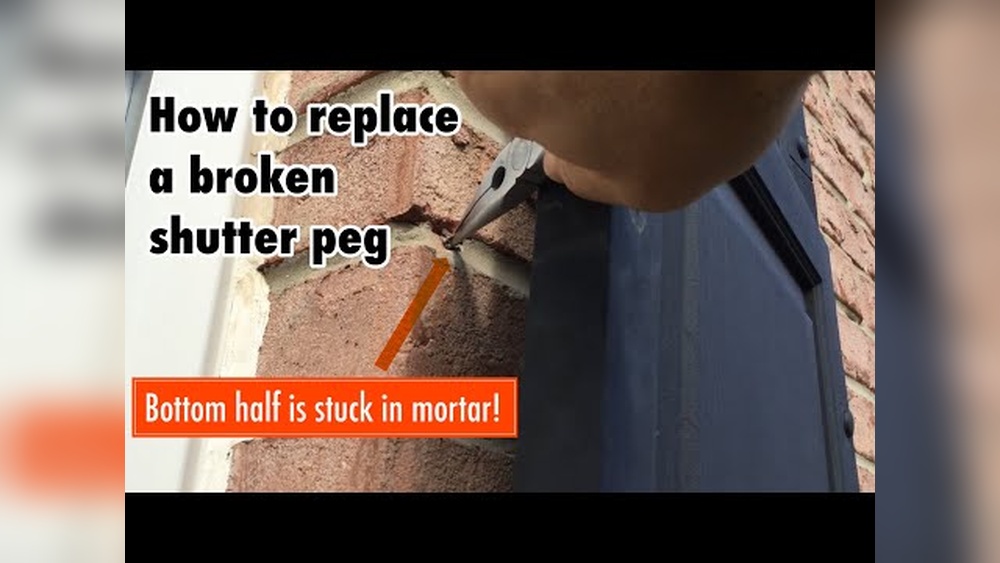
Chiseling works well for fasteners stuck in mortar joints. Use a small hammer and chisel to gently chip away the mortar. Start around the fastener to loosen it. Work slowly to avoid cracking the brick. Once the mortar is loose, the fastener should come out easier. Wear safety goggles to protect your eyes from debris.
Using Chemical Removers
Chemical removers help dissolve rust or adhesives holding fasteners. Choose a remover made for metal or rust. Apply the chemical directly to the fastener and wait as directed. This softens the metal or glue, making removal easier. Use gloves to protect your skin. Rinse the area well after using chemicals to avoid damage.
Cleaning And Repairing Brick Surface
Cleaning and repairing the brick surface is important after removing broken shutter fasteners. It helps keep the wall strong and looking good. Dirt, old paint, or leftover fastener parts can make the brick look messy and weak. Fixing these problems early protects the brick from damage and prepares it for new fasteners or paint.
Removing Residue
Start by brushing off loose dirt and dust with a stiff brush. Use a mild detergent mixed with water to scrub away paint or glue left behind. Avoid strong chemicals that can harm the brick. Rinse the area well with clean water. Let the brick dry completely before moving to the next step.
Filling Holes
Fill holes from old fasteners with mortar or a brick repair compound. Use a putty knife to press the filler deep into each hole. Smooth the surface to match the brick’s texture. Let the filler dry according to the product instructions. Once dry, lightly sand the area for a clean finish. This step strengthens the brick and makes it ready for new shutters.
Preventing Future Issues
Removing broken shutter fasteners from brick can be tricky. Preventing future problems saves time and effort. Choosing the right fasteners and installing them properly keeps shutters secure. These steps protect your brick and avoid damage.
Choosing The Right Fasteners
Select fasteners made for brick and outdoor use. Stainless steel or coated fasteners resist rust and last longer. Avoid cheap metals that break or corrode easily. Match fastener size to shutter weight for strong support.
Use anchors designed for masonry. They grip the brick firmly without cracking it. Proper fasteners reduce movement that causes breakage. Quality materials save money by lasting many years.
Proper Installation Tips
Drill holes carefully with a masonry bit. Clean out dust before inserting anchors. Insert anchors fully to ensure firm hold. Screw fasteners in straight and tight, but do not overtighten.
Check shutter alignment before final tightening. Misaligned shutters strain fasteners and brick. Use a level and measuring tape for accuracy. Regularly inspect fasteners for rust or looseness to fix small issues early.

Credit: www.youtube.com
Frequently Asked Questions
How Do I Safely Remove Broken Shutter Fasteners?
Use a drill or screwdriver to carefully unscrew broken fasteners. Apply penetrating oil to loosen rust. Avoid damaging the brick by working slowly and using the right tools.
What Tools Are Best For Removing Fasteners From Brick?
Use a drill with a masonry bit, pliers, and penetrating oil. A hammer and chisel can help loosen stubborn fasteners. These tools protect the brick while ensuring safe removal.
Can I Remove Shutter Fasteners Without Damaging Brick?
Yes, by using the proper tools and techniques. Apply penetrating oil first and work gently. Avoid excessive force or hammering directly on the brick to prevent cracks.
How To Deal With Rusted Shutter Fasteners In Brick?
Apply penetrating oil and let it sit for 10-15 minutes. Use a drill or screwdriver to unscrew the fastener carefully. Repeat if needed to avoid damaging the brick.
Conclusion
Removing broken shutter fasteners from brick can be tricky but doable. Use the right tools and work carefully. Take your time to avoid damaging the brick surface. Small steps and patience help you finish the job well. Clean the area after removal for a neat look.
Now, you can replace the fasteners or install new shutters easily. Keep these tips handy for future repairs. Simple, careful work saves time and effort. You’ve got this!