Have you ever wondered what holds together the machines, furniture, or buildings around you? The answer often lies in something small but powerful: a bolt fastener.
If you want to understand how these tiny components keep everything secure and strong, you’re in the right place. By the end of this article, you’ll see why bolt fasteners are essential in everyday life and how choosing the right one can make all the difference in your projects.
Ready to unlock the secrets behind these simple yet crucial tools? Let’s dive in.
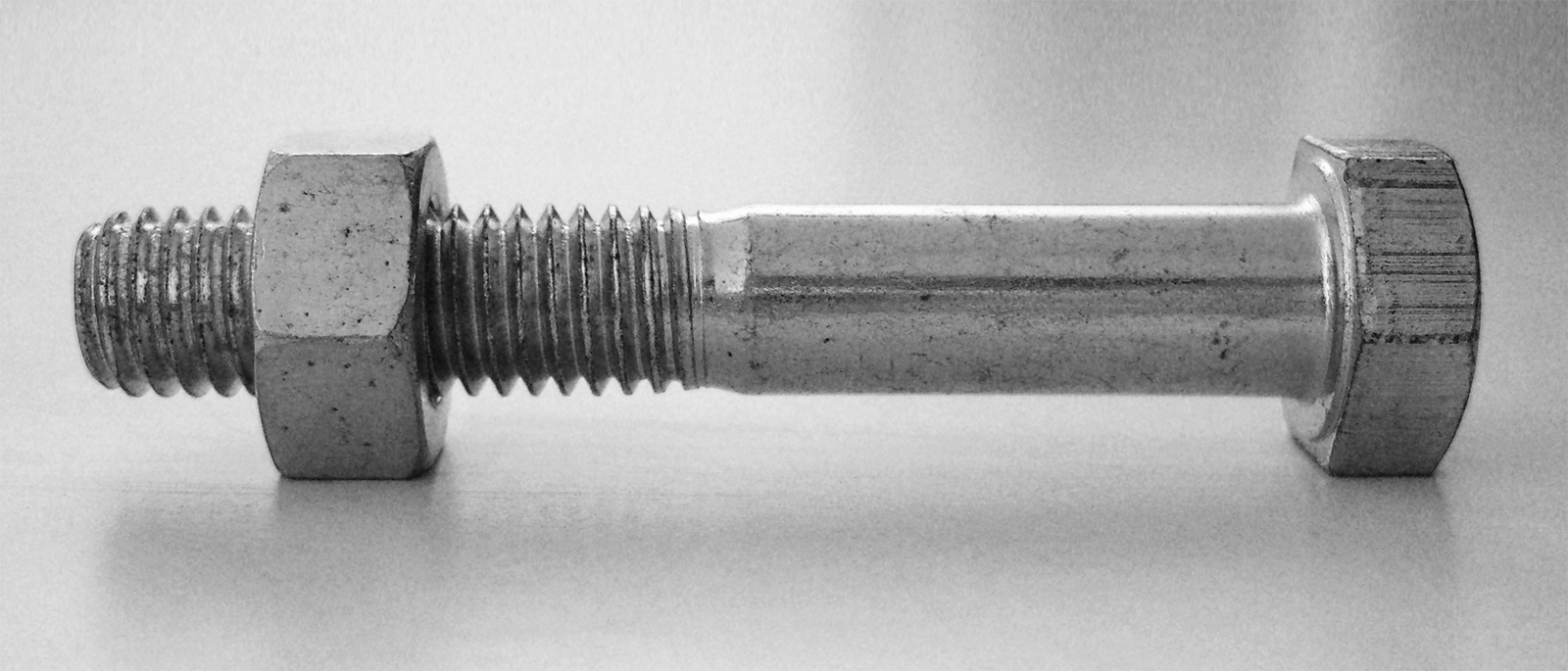
Credit: en.wikipedia.org
Bolt Fastener Basics
Bolt fasteners are simple tools used to hold things together. They join parts tightly to keep structures strong and safe. Understanding bolts helps you pick the right one for your needs. This section covers the key parts, types, and materials of bolts.
Bolt Components
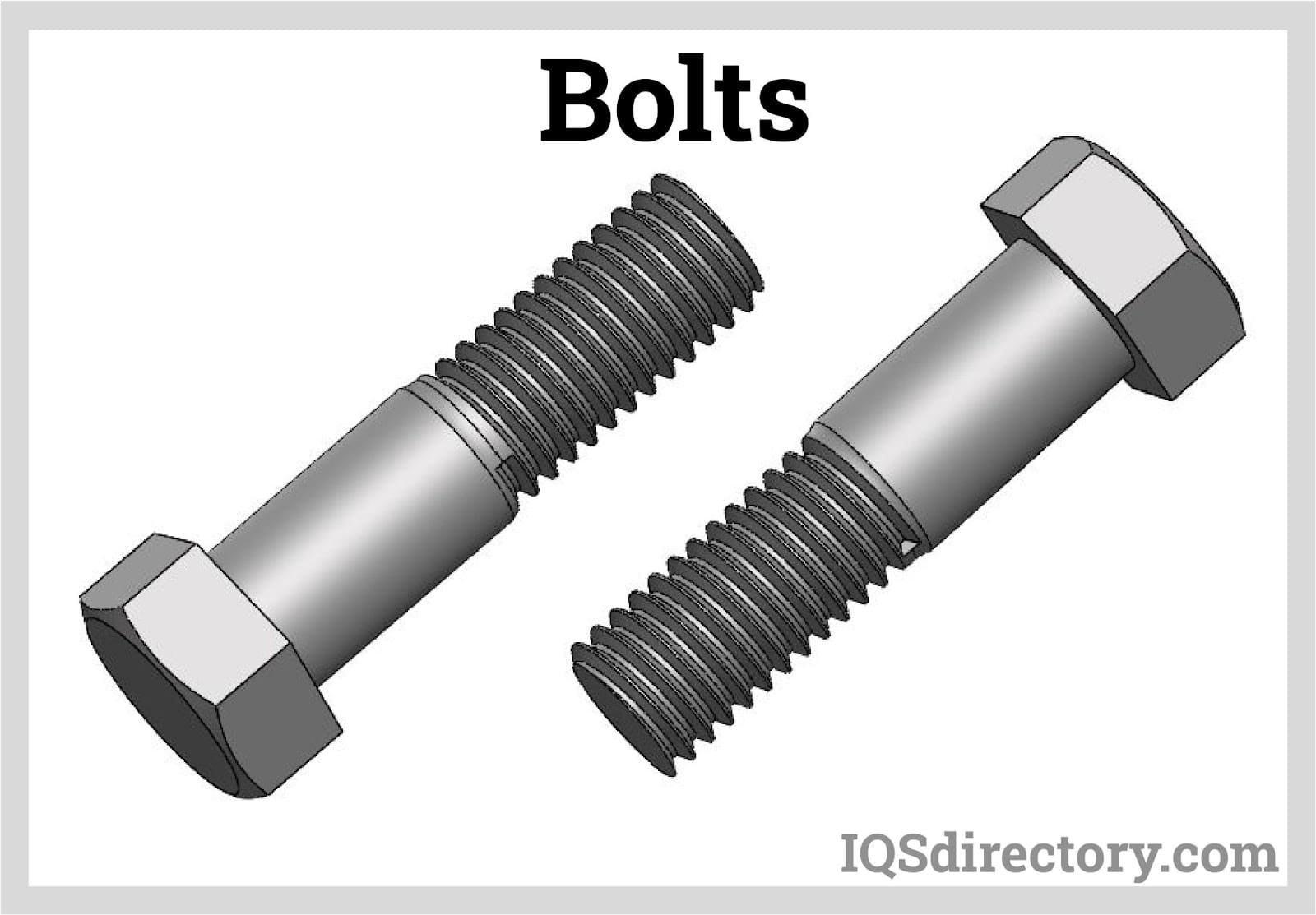
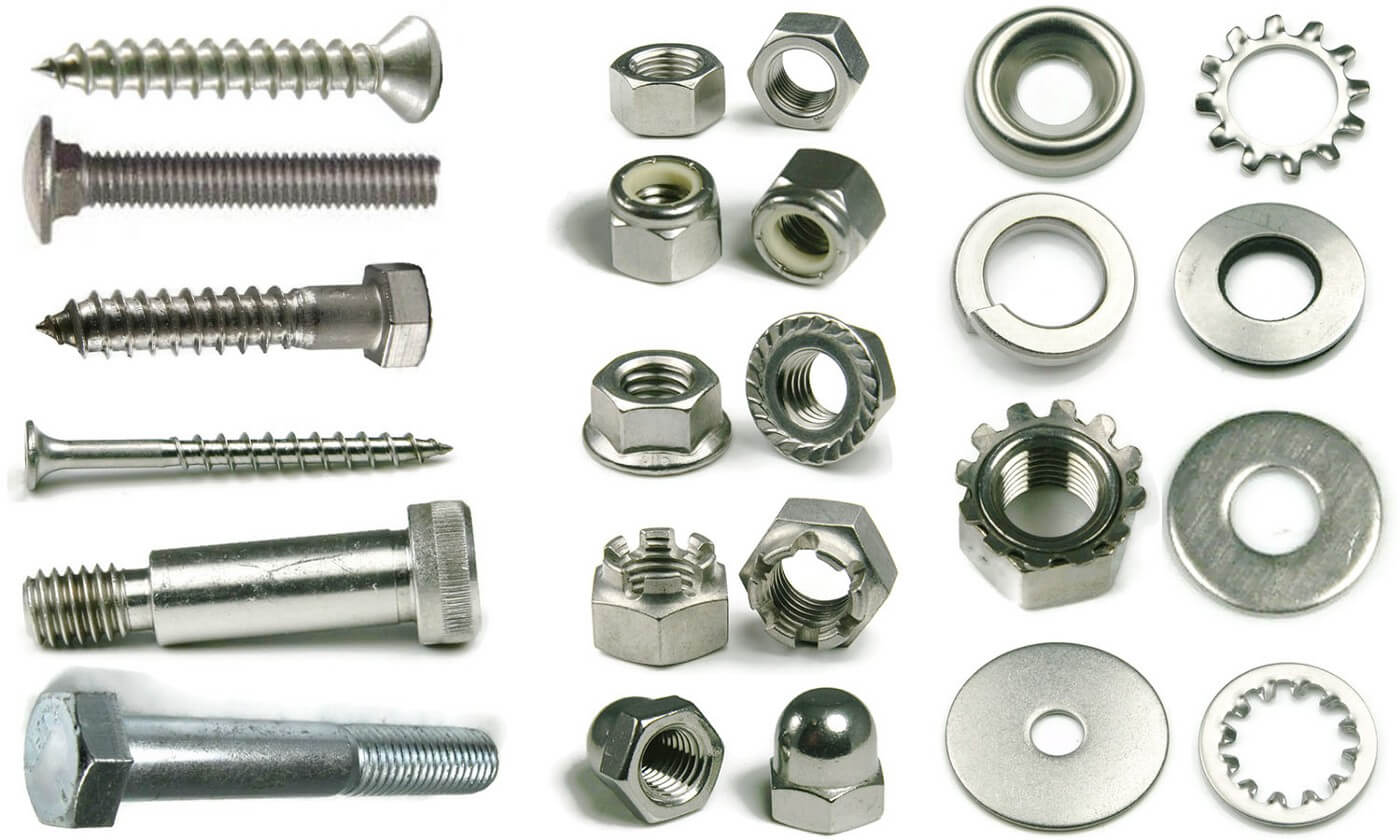
A bolt has three main parts: the head, the shank, and the threads. The head is the top part that you turn with a tool. The shank is the smooth middle section. The threads are spiral ridges that grip the nut or surface. Each part plays a role in holding materials firmly.
Types Of Bolts
Bolts come in many shapes and sizes. Common types include hex bolts, carriage bolts, and lag bolts. Hex bolts have six-sided heads for easy wrench use. Carriage bolts have round heads and a square neck to prevent spinning. Lag bolts are large and used for heavy wood connections. Choose the type that fits your project.
Materials Used
Bolt materials affect strength and durability. Steel is the most common, offering good strength and price. Stainless steel resists rust and works well outdoors. Brass bolts look nice and resist corrosion but are softer. Aluminum bolts are lightweight but less strong. Pick materials based on where and how the bolt will be used.
How Bolts Work
Bolts are simple but strong fasteners used to hold parts together. They work by creating a tight connection that resists movement. Understanding how bolts work helps to choose the right one for any job. Three main factors explain their function: thread design, load distribution, and torque and tension.
Thread Design
Threads are the spirals cut around the bolt’s shaft. They allow the bolt to screw into nuts or materials. The shape and size of threads affect how well the bolt grips. Fine threads provide more grip and adjustability. Coarse threads work better in soft materials and are easier to install.
Load Distribution
Bolts spread the force over the connected parts. This prevents damage and loosening. The bolt’s head and nut press the parts tightly together. This pressure keeps the parts from moving apart. Proper load distribution improves the strength of the joint.
Torque And Tension
Torque is the force used to turn the bolt. It creates tension, which pulls the bolt tight. Tension holds the parts firmly in place. Too little torque can cause the bolt to loosen. Too much torque can damage the bolt or parts.
Choosing The Right Bolt
Choosing the right bolt is important for a strong and safe connection. Bolts come in many types and sizes. Picking the correct one helps avoid problems later. This guide covers key points to consider when choosing bolts.
Size And Length
Bolts must fit the parts they join. Size means the bolt’s diameter. Length is how far the bolt goes through. Too short, and the bolt won’t hold. Too long, and it may stick out or damage parts. Measure carefully before buying bolts.
Strength Grades
Bolt strength shows how much force it can handle. It depends on the material and heat treatment. Grades are marked with numbers on the bolt head. Higher numbers mean stronger bolts. Use stronger bolts for heavy loads or safety parts.
Corrosion Resistance
Bolts can rust or corrode over time. Rust weakens bolts and causes failure. Choose bolts made from stainless steel or coated with zinc. These resist rust in wet or outdoor conditions. Corrosion-resistant bolts last longer and keep connections safe.
Tools For Bolt Installation
Installing bolts correctly requires the right tools. Each tool plays a key role in making sure bolts fit tightly and safely. Using proper tools helps avoid damage to the bolt and the material it holds together. The tools also make the work faster and easier.
Wrenches And Sockets
Wrenches and sockets are basic tools for bolt installation. They come in different sizes to match various bolt heads. A wrench grips the bolt head to turn it. Sockets fit over the bolt head and attach to a ratchet for quicker turning. Both tools help apply the force needed to tighten or loosen bolts.
Torque Wrenches
Torque wrenches measure the exact force used on a bolt. This helps avoid over-tightening or under-tightening. Using the correct torque keeps the bolt secure and prevents damage. Torque wrenches often have a dial or click to show when the right tightness is reached.
Thread Locking Products
Thread locking products stop bolts from loosening due to vibration or movement. These products come as liquids or tapes. They fill gaps between the bolt threads for a strong hold. Applying thread lockers adds safety and keeps bolts from falling out over time.
Common Bolt Applications
Bolt fasteners are essential in many areas. They join parts tightly and securely. Their strength and ease of use make them popular. You find bolts in homes, cars, and industries. Each place uses different types of bolts. Here are some common bolt applications.
Home Repairs
Bolts hold furniture, shelves, and cabinets firmly. They fix doors and windows to frames. Bolts also secure appliances and fixtures. They help in building decks and fences. Using bolts ensures parts stay in place.
Automotive Use
Cars and trucks rely on bolts for safety. Bolts hold the engine, wheels, and chassis. They fasten seats and seat belts securely. Bolts also connect brake parts. Proper bolts keep vehicles running smoothly.
Industrial Projects
Factories use bolts for heavy machinery assembly. Bolts join metal beams in construction. They secure equipment on production lines. Bolts handle high pressure and vibrations well. Strong bolts keep large projects stable and safe.
Credit: www.iqsdirectory.com
Bolt Maintenance Tips
Bolt fasteners play a vital role in many machines and structures. Keeping them in good condition ensures safety and long service life. Proper maintenance stops problems before they start.
Simple steps help keep bolts strong and reliable. Regular care saves time and money on repairs. Below are key tips to maintain bolts effectively.
Inspection Practices
Check bolts regularly for wear or damage. Look for cracks, rust, or bending. Tighten any loose bolts to the right level. Use a torque wrench for accurate tightening. Mark inspected bolts to track their condition over time.
Preventing Loosening
Vibration can cause bolts to loosen. Use lock washers or thread-locking compounds to hold bolts tight. Avoid over-tightening, which can weaken the bolt. Re-check bolt tightness after heavy use or impacts.
Replacing Bolts
Replace bolts if damaged or corroded. Use bolts that match the original size and grade. Clean the hole and threads before installing new bolts. Apply anti-seize compound to prevent rust and make future removal easier.
Credit: www.3erp.com
Frequently Asked Questions
What Is A Bolt Fastener Used For?
A bolt fastener secures two or more objects together. It provides strong, removable joints in machinery, construction, and vehicles. Bolts work with nuts and washers to ensure tight connections and resist loosening from vibrations.
How Do Bolt Fasteners Differ From Screws?
Bolts fasten with a nut, while screws thread directly into materials. Bolts require pre-drilled holes and create stronger joints. Screws are often self-tapping, ideal for lighter or softer materials. Both have unique uses depending on strength and application needs.
What Materials Are Bolt Fasteners Made From?
Bolt fasteners are commonly made from steel, stainless steel, brass, and titanium. Steel bolts offer high strength, while stainless steel resists corrosion. Brass is used for decorative or low-friction needs. Material choice depends on strength, environment, and durability requirements.
How To Choose The Right Bolt Fastener Size?
Choose bolt size based on load, hole diameter, and thread pitch. Larger diameters offer higher strength. Length depends on material thickness and joint type. Correct sizing ensures secure fastening and prevents joint failure or damage.
Conclusion
A bolt fastener is a simple, strong tool used every day. It holds parts tightly and keeps things safe. Knowing its types helps you pick the right one. You see bolts in furniture, cars, and buildings. They make sure everything stays in place.
Using the correct bolt saves time and effort. Small but important in many projects. Understanding bolts makes your work easier and better. A basic part with big jobs.