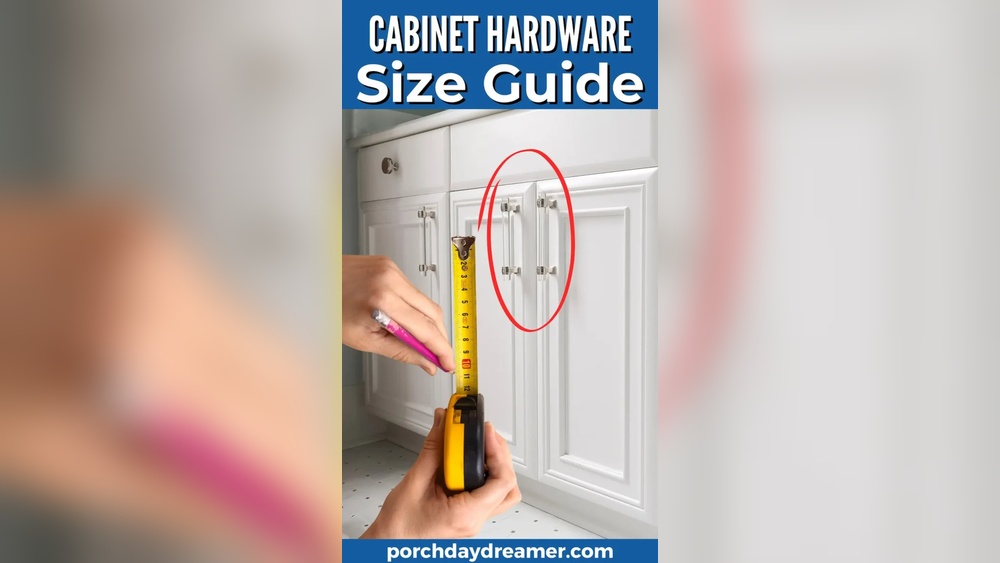
Choosing the right size cabinet hardware can feel tricky, but it doesn’t have to be. The size you pick affects not just how your cabinets look, but how easy they are to use every day.
If your handles or knobs are too big or too small, they can throw off the whole room’s balance and even make opening doors uncomfortable. You’ll discover simple tips to find the perfect fit for your cabinets. Keep reading to make sure your hardware looks great and works perfectly for your space.

Credit: porchdaydreamer.com
Choosing The Right Hardware Size
Choosing the right hardware size is important for your cabinets. It affects both the look and how easy it is to use. The right size makes your kitchen or bathroom look neat and balanced. It also helps you open doors and drawers without trouble. This section helps you find the best hardware size for your cabinets.
Factors Influencing Hardware Size
Size depends on how big your cabinets are. Larger cabinets need bigger hardware. Small cabinets look better with smaller pulls or knobs. Think about how much space you have on the door or drawer. Also, consider how often you use the cabinet. Frequent use may need sturdier and larger hardware.
Matching Hardware To Cabinet Style
The style of your cabinet guides your hardware choice. Modern cabinets often use sleek, slim handles. Traditional cabinets may suit more detailed and larger knobs. Match the hardware size to the cabinet’s design for a balanced look. The hardware should blend well, not stand out too much or feel too small.
Considering Door And Drawer Dimensions
Measure the width and height of doors and drawers. Larger doors can hold longer handles comfortably. Small drawers need shorter pulls or knobs for easy use. Leave some space around the hardware to avoid crowding. Proper fit makes opening easier and looks tidy on the surface.

Credit: www.dekkorinc.com
Common Cabinet Hardware Sizes
Choosing the right size cabinet hardware is important for both style and function. Cabinet hardware comes in various sizes to fit different types of cabinets and drawers. Understanding these common sizes helps you select pieces that look balanced and feel comfortable to use.
Standard Pull Sizes
Cabinet pulls usually come in lengths from 3 to 7 inches. The most common size is 3 or 3.5 inches, measured between the screw holes. Larger pulls, around 5 to 7 inches, suit bigger cabinets or drawers. Choose a pull size that matches the cabinet’s width and your hand size for easy grip.
Typical Knob Dimensions
Knobs generally range from 1 to 2 inches in diameter. Small knobs around 1 inch work well for small drawers or cabinets. Larger knobs, about 1.5 to 2 inches, fit bigger cabinet doors. The size should feel comfortable to hold and not look too small or large on the cabinet.
Backplate And Mounting Options
Some hardware includes backplates that add style and cover old holes. Backplates vary in size but often match the pull or knob size. Mounting options depend on the cabinet thickness and screw length. Ensure screws fit properly to keep hardware secure and prevent damage.
Measuring For Perfect Fit
Measuring cabinet hardware correctly is key to a perfect fit. It ensures the handles and knobs look great and work well. Taking precise measurements prevents mistakes and extra trips to the store. Follow these simple steps to measure cabinet doors and drawers accurately.
How To Measure Cabinet Doors And Drawers
Start by measuring the width and height of the cabinet door or drawer front. Use a tape measure and write down the numbers. Measure the distance between existing holes if replacing hardware. For new installations, decide where you want the handles or knobs. Mark spots carefully with a pencil. Consistent placement looks neat and professional.
Determining Screw Length And Placement
Check the thickness of your cabinet door or drawer. This helps choose the right screw length. Screws that are too long can damage the surface behind. Too short screws will not hold the hardware firmly. Measure depth from front to back. Match screw length to this measurement. Plan the placement to avoid hitting drawer edges or panels inside.
Tools Needed For Accurate Measurement
Use a quality tape measure for length and width. A ruler or caliper can help with smaller details. A pencil is useful for marking drill points. A level ensures the hardware stays straight. Use a drill and drill bits suited to your screw size. Having the right tools makes measuring and installing easier.
Hardware Placement Tips
Choosing the right size cabinet hardware is important, but placing it correctly matters just as much. Good placement makes cabinets easy to use and looks neat. It helps you open doors and drawers with comfort. Follow these tips to place your hardware in the best spots.
Optimal Positioning On Doors
Place cabinet knobs or pulls about 2 to 3 inches from the edge of the door. Keep them near the top corner for tall doors. For smaller doors, place hardware in the middle of the edge. This makes opening smooth and natural. Avoid placing hardware too close to the edge where it can catch on things.
Best Practices For Drawer Handles
Position drawer handles centered on the drawer front. For wide drawers, place handles horizontally in the middle. For narrow drawers, place them vertically near the edge. Keep handles easy to reach and pull. This helps avoid strain and keeps drawers balanced in look.
Spacing And Alignment Guidelines
Maintain equal spacing between hardware on all cabinets. Align knobs and pulls at the same height across doors and drawers. This creates a clean, organized look. Use a ruler or tape measure to keep consistent distances. Proper alignment improves the room’s style and your ease of use.
Material And Finish Impact
The material and finish of cabinet hardware affect both style and function. Choosing the right combination can enhance your cabinets’ look and performance. The size of the hardware also interacts with these factors. Durable materials and matching finishes create a balanced, appealing design.
Choosing Hardware Material For Durability
Hardware materials vary in strength and wear resistance. Metal options like stainless steel and brass offer long-lasting durability. Plastic or zinc alloys may wear out faster. Strong materials hold up well to daily use. Pick materials that match your cabinet use and environment.
Finishes That Complement Cabinet Size
Finish color and texture influence how hardware fits cabinet size. Dark finishes suit larger hardware on big cabinets. Light or shiny finishes work well on smaller pieces. Matte finishes hide fingerprints and scratches better. Match finish style with cabinet size for visual harmony.
Maintenance And Longevity Considerations
Maintenance needs differ by material and finish. Polished metals may need regular cleaning to stay bright. Matte and brushed finishes show less dirt and wear. Avoid finishes that chip or fade easily. Choose hardware that stays attractive with simple care.
Troubleshooting Common Issues
Troubleshooting cabinet hardware issues can save time and keep your cabinets functional. Problems like loose handles or wrong sizes often cause frustration. Simple fixes can restore your cabinet’s look and use. This section covers common problems and easy solutions for your hardware.
Handling Loose Or Misaligned Hardware
Loose hardware can make cabinets hard to open. Tighten screws with a screwdriver to secure handles. If screws spin without tightening, use a toothpick with glue inside the hole. Misaligned knobs or pulls look bad and can catch on clothes. Loosen screws slightly, adjust the hardware, then tighten again carefully.
Adjusting For Oversized Or Undersized Pieces
Using the wrong size hardware can cause problems. Oversized knobs might block cabinet doors or drawers. Choose smaller pieces that fit well and allow smooth opening. Undersized hardware may feel flimsy and look odd. Check measurements before buying to avoid this. If pieces don’t fit, fill old holes with wood filler and drill new ones.
Tips For Replacing Hardware Efficiently
Remove old hardware gently to avoid cabinet damage. Keep screws and parts together for reuse. Label each piece to match the correct door or drawer. Use the right tools, like a drill or screwdriver, for quick work. Measure twice before drilling new holes. Clean the area before installing new hardware for a neat finish.
Expert Recommendations
Choosing the right size for cabinet hardware is key to a stylish and practical kitchen. Experts share valuable tips on sizes that work best for various cabinet types. This guide helps balance looks and use, making your space both beautiful and easy to use.
Top Brands And Styles To Consider
Popular brands offer hardware in many sizes and styles. Look for brands known for quality and variety. Styles range from classic to modern, fitting different kitchen themes. Simple knobs and sleek pulls are common choices. Choosing a trusted brand ensures durability and style.
Trends In Cabinet Hardware Sizing
Current trends favor larger pulls for bigger cabinets. Small knobs suit smaller doors and drawers. Mixing sizes adds visual interest and fits function. Matte finishes and brushed metals remain popular. Trends focus on clean lines and comfort.
Balancing Functionality And Aesthetics
Hardware must fit both style and use. Large handles offer better grip and ease. Small knobs provide a subtle, neat look. Consider how often you open each cabinet. Balance comfort with design for the best result.

Credit: www.reddit.com
Frequently Asked Questions
What Size Cabinet Hardware Fits Standard Cabinets?
Standard cabinets typically use hardware sized between 3 to 5 inches. This size ensures comfortable grip and balanced aesthetics. Always measure your cabinet doors before purchasing to match the hardware perfectly. Choosing the right size enhances usability and complements your cabinet design.
How To Measure Cabinet Hardware Size Correctly?
Measure the distance between the screw holes on your cabinet door. This measurement, called the center-to-center (c-c) size, determines your hardware size. Use a tape measure or ruler for accuracy. Correct measurements avoid drilling errors and ensure proper hardware installation.
Does Cabinet Hardware Size Affect Cabinet Style?
Yes, hardware size impacts cabinet style significantly. Larger hardware suits modern, bold designs, while smaller sizes fit traditional, delicate styles. Selecting the right size balances function and appearance, enhancing the overall look of your cabinetry. Consider your kitchen’s theme when choosing hardware size.
Can Wrong Cabinet Hardware Size Damage Cabinets?
Using wrong-sized hardware can cause cabinet damage. Oversized handles may stress cabinet doors, while too small hardware can feel awkward to use. Incorrect screw placement can lead to splits or holes. Always choose proper size for durability and aesthetics.
Conclusion
Choosing the right cabinet hardware size makes a big difference. It helps your cabinets look balanced and work well. Small hardware suits tiny drawers, while bigger ones fit large doors. Think about comfort and style when picking sizes. Proper hardware makes opening cabinets easier every day.
Take your time to measure and match pieces carefully. Good choices bring both function and beauty to your space. Simple steps lead to a polished, attractive kitchen or bathroom. Hardware size matters more than you might expect.