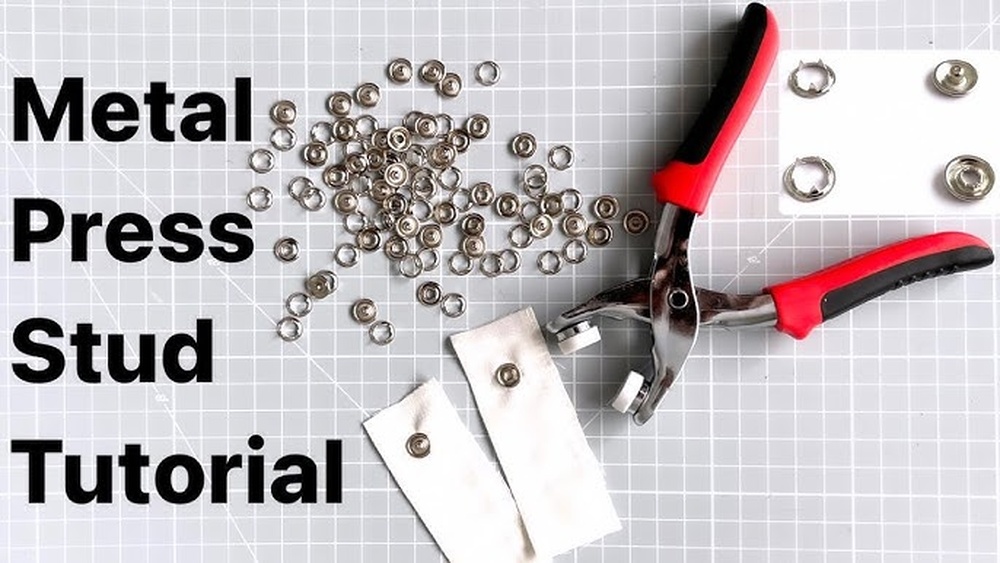
Are you tired of messy glue or complicated tools when trying to fasten things together? Self adhesive fasteners might just be the simple solution you need.
These handy little strips stick firmly and make your projects easier and faster. Whether you want to organize cables, secure fabric, or fix small items around your home, knowing how to use self adhesive fasteners can save you time and hassle.
Keep reading, and you’ll discover easy steps and smart tips to get the best results every time.

Credit: www.walmart.com
Choosing The Right Fasteners
Choosing the right self adhesive fasteners is key for strong and lasting bonds. The right fastener depends on your project’s needs and the surfaces involved. Picking the correct type helps avoid problems like peeling or weak attachment. It saves time and effort in the long run. This guide explains the types of fasteners, material compatibility, and surface preparation tips.
Types Of Self Adhesive Fasteners
Self adhesive fasteners come mainly in hook and loop varieties. Hooks are tiny hooks that catch loops for secure closure. Loops are soft and fuzzy, providing a flexible grip. Some fasteners use adhesive-backed tape for easy application. Others come as dots or strips for small fixes. Choose based on size, shape, and how strong the hold needs to be.
Material Compatibility
Check which surfaces the fastener’s adhesive works with. Most stick well on smooth, clean surfaces like plastic, metal, or glass. Rough or porous surfaces may need special fasteners or extra adhesive. Some adhesives resist water, heat, or chemicals better than others. Match the fastener to your material for best results and durability.
Surface Preparation Tips
Clean the surface thoroughly before applying fasteners. Use rubbing alcohol or mild soap to remove dirt and oils. Let the surface dry completely to help the adhesive stick better. Avoid touching the sticky side with fingers. Press the fastener firmly to ensure full contact. Proper preparation boosts the bond strength and lifespan.
Preparing The Surface
Preparing the surface is the first step to using self adhesive fasteners. A clean, dry surface helps the fastener stick better. Dirt, oil, and moisture can stop the adhesive from holding properly. Spend time on this step for strong, lasting results.
Cleaning Techniques
Remove dust and dirt using a soft cloth or brush. Use mild soap and water for sticky spots. Avoid strong chemicals that can damage the surface or adhesive. Wipe the area gently to avoid scratches. Clean surfaces give the adhesive a better grip.
Drying The Surface
Make sure the surface is completely dry before applying the fastener. Use a dry cloth or allow the surface to air dry. Moisture can weaken the adhesive and reduce its strength. Check carefully for any damp spots before sticking.
Avoiding Contaminants
Keep the surface free from oils, grease, and dust after cleaning. Do not touch the area with oily fingers. Avoid spraying perfumes or lotions nearby. Contaminants reduce the stickiness of the adhesive. A clean, uncontaminated surface ensures a strong bond.
Applying The Fasteners
Applying self adhesive fasteners is simple and quick. Follow these steps carefully to ensure a strong hold. Proper application keeps fasteners secure and effective.
Cutting To Size
Start by cutting the fastener to the size you need. Use sharp scissors or a craft knife. Cut straight edges for a clean fit. Avoid jagged cuts that weaken the adhesive.
Peeling The Backing
Slowly peel off the protective backing from the adhesive side. Take care not to touch the sticky surface. Touching the adhesive can reduce its grip. Peel gently to keep the adhesive clean and ready.
Pressing Firmly For Bond
Place the fastener on the surface and press down firmly. Use your fingers or a flat tool to apply pressure. Hold for a few seconds to activate the adhesive. Strong pressure helps create a tight, lasting bond.

Credit: xfasten.com
Ensuring Strong Adhesion
Ensuring strong adhesion is key to using self adhesive fasteners effectively. The bond must be firm to keep materials together under stress. Several factors affect how well the adhesive sticks. Paying attention to pressure, time, and temperature helps create a reliable hold. Testing the bond confirms the strength before full use.
Optimal Pressure And Time
Applying the right pressure improves contact between surfaces. Press firmly but do not crush the fastener. Hold the pieces together for at least 10 seconds. This allows the adhesive to bond evenly. Avoid moving the parts during this time. Patience here builds a stronger connection.
Temperature Considerations
Adhesives work best at moderate temperatures. Aim for a range between 60°F and 80°F (15°C to 27°C). Cold surfaces slow down the adhesive curing. Hot surfaces may weaken the bond. Store fasteners in a cool, dry place before use. Room temperature conditions help achieve a solid stick.
Testing The Bond
Check the adhesion before putting stress on it. Gently pull or peel the fastener after bonding. A strong bond resists peeling and stays in place. If it peels easily, apply more pressure and time. Retest until the bond feels secure. This step ensures the fastener will hold firmly.
Common Mistakes To Avoid
Using self-adhesive fasteners is easy, but mistakes can cause problems. Some errors reduce the stickiness or make fasteners fall off. Avoid these common mistakes for the best results.
Ignoring Surface Prep
Clean the surface well before applying fasteners. Dust, grease, or moisture block the adhesive. Use a cloth and rubbing alcohol to wipe the area. Let it dry completely. Skipping this step weakens the bond.
Using On Unsuitable Materials
Not all surfaces work well with self-adhesive fasteners. Rough, porous, or oily materials cause poor grip. Plastic, glass, and metal usually work best. Test a small spot first. Avoid using fasteners on fabrics that stretch or tear easily.
Rushing The Application
Press the fastener firmly for at least 30 seconds. Avoid moving or using it right away. The adhesive needs time to stick fully. Waiting 24 hours before heavy use gives the strongest hold. Rushing can cause fasteners to peel off quickly.
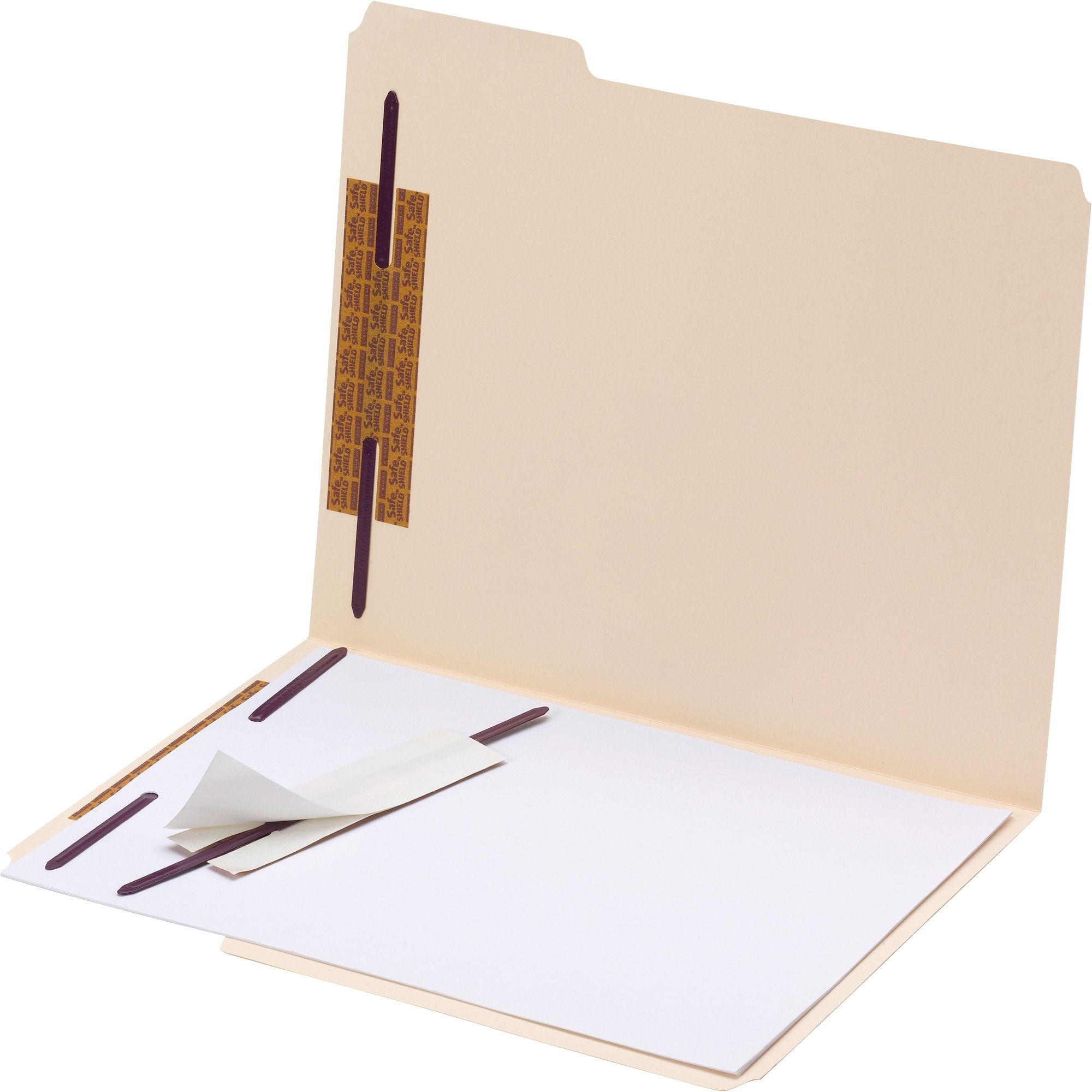
Credit: www.aslegal.com
Maintaining And Removing Fasteners
Maintaining and removing self-adhesive fasteners is important for long-term use. Proper care keeps them sticky and effective. Removing them carefully prevents damage to surfaces. This section explains how to clean, remove, and reuse these fasteners.
Cleaning Residue
Sticky residue can remain after removing fasteners. Use a soft cloth with warm, soapy water to clean surfaces. Avoid harsh chemicals that may damage the material. Rubbing alcohol also works well on many surfaces. Gently wipe the area until all residue disappears. Let the surface dry completely before reapplying fasteners.
Safe Removal Techniques
Peel fasteners slowly from one corner to avoid tearing. Use a hairdryer to warm the adhesive for easier removal. Heat softens glue, reducing residue and damage. Avoid pulling fasteners off quickly or at sharp angles. Take your time to protect delicate surfaces. Always test removal methods on a small area first.
Reusing Fasteners
Self-adhesive fasteners can be reused if kept clean. Remove dirt and residue from both sides before reuse. Press firmly to restore stickiness on a clean surface. Avoid reusing on rough or dusty materials. Store unused fasteners in a dry place to maintain their grip. Reusing fasteners saves money and reduces waste.
Frequently Asked Questions
What Are Self Adhesive Fasteners Used For?
Self adhesive fasteners are used to join or secure objects without sewing or tools. They work on fabrics, plastics, and more. These fasteners offer easy, reusable attachment solutions for crafts, clothing, and home projects.
How Do You Apply Self Adhesive Fasteners Properly?
Clean and dry the surface before application. Peel off the backing and press firmly. Allow adhesive to set for a few hours for best hold and durability.
Can Self Adhesive Fasteners Be Removed Without Damage?
Yes, most self adhesive fasteners can be removed carefully. Gently peel them off to avoid residue or surface damage. Using heat or adhesive remover helps with stubborn areas.
Are Self Adhesive Fasteners Reusable?
Yes, many self adhesive fasteners are designed for multiple uses. They maintain grip through repeated opening and closing, making them ideal for adjustable closures or temporary fixes.
Conclusion
Self adhesive fasteners offer quick and easy solutions for many tasks. They stick firmly to clean, dry surfaces. Peel and press – no tools needed. These fasteners save time and effort in organizing, crafting, or repairs. Choose the right size and type for best results.
Keep surfaces clean for strong adhesion. With a little practice, using them becomes simple. Try them for a neat, secure hold without hassle. Small steps make big differences in your projects.