Are you wondering if cabinet hardware comes in metric sizes? Whether you’re upgrading your kitchen or fixing a loose handle, knowing the right measurements is crucial.
Using the wrong size can lead to frustrating mistakes and extra costs. You’ll discover exactly how cabinet hardware sizing works, why metric measurements matter, and how to choose the perfect fit for your cabinets. Keep reading to avoid common pitfalls and make your project smooth and successful.

Credit: www.amazon.com
Metric Vs Imperial Hardware
Choosing the right cabinet hardware depends on understanding measurement systems. Metric and imperial hardware use different units for size and fit. This difference can affect installation and compatibility. Knowing these systems helps avoid mistakes and extra costs. Let’s explore how metric and imperial hardware compare.
Key Differences
Metric hardware uses millimeters for measurements. Imperial hardware measures in inches. This makes metric hardware more precise for small sizes. Imperial hardware is common in the United States. Metric hardware is popular in Europe and many other countries. The two systems rarely match directly. This means metric screws may not fit imperial holes and vice versa.
Common Measurement Units
Metric hardware sizes are labeled by diameter and length in millimeters. For example, a screw might be 5 mm wide and 30 mm long. Imperial hardware uses fractions of an inch or decimal inches. A screw might be 1/4 inch wide and 1 inch long. Cabinet hardware buyers must check these units carefully. Mixing units can cause poor fits or damage during installation.

Credit: canadadoorsupply.ca
Standard Cabinet Hardware Sizes
Standard cabinet hardware sizes help ensure a smooth fit for handles and knobs. These sizes guide manufacturers and DIY enthusiasts. Knowing these measurements avoids mistakes in installation and ordering.
Cabinet hardware often follows two main measurement systems. Metric sizes use millimeters, common in many countries. Imperial sizes use inches, popular in the United States and some other regions. Understanding both helps when buying or replacing hardware.
Popular Metric Dimensions
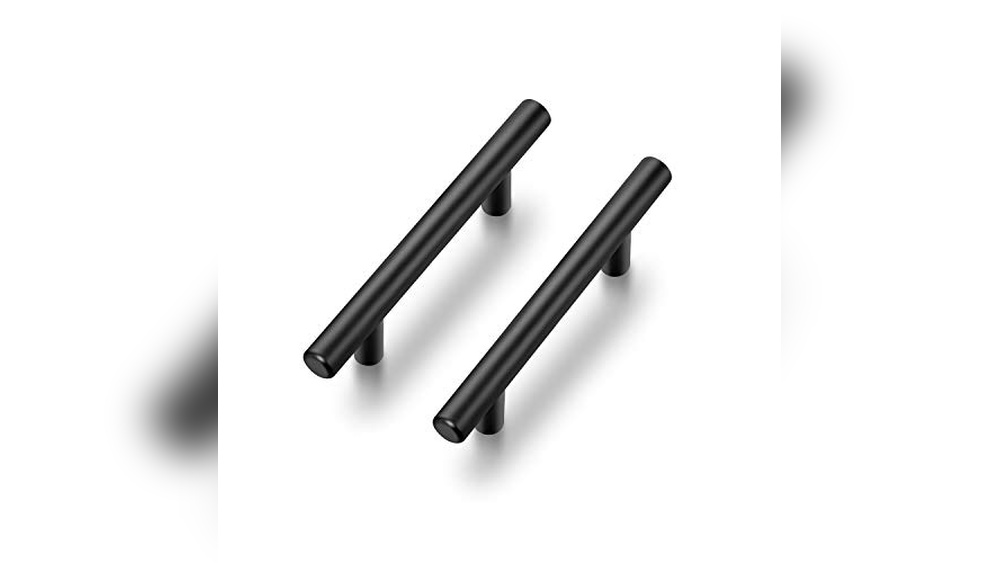
Metric cabinet hardware sizes usually range from 32 mm to 128 mm. The most common pull sizes are 96 mm and 128 mm center-to-center. Knobs typically have a diameter of 25 mm to 35 mm. These measurements fit most standard cabinet doors and drawers. Metric sizes provide precise and easy-to-read numbers.
Typical Imperial Dimensions
Imperial sizes often come in fractions of an inch. Common pull sizes include 3 inches and 5 inches center-to-center. Knobs generally measure about 1 inch to 1.5 inches in diameter. These sizes match standard cabinet designs in the U.S. and other countries using the imperial system. Imperial measurements may seem less exact but are widely accepted.
Measuring Cabinet Hardware
Cabinet hardware often uses inches, not metric units. Measuring in inches helps match handles and knobs easily. Knowing this avoids mistakes when buying or installing hardware.
Tools Needed
Measuring cabinet hardware requires a few simple tools. A ruler or tape measure works well. A caliper can help for precise measurements. A pencil and paper are useful to note down sizes. These tools make measuring easier and more accurate.
Step-by-step Measurement
Start by measuring the center-to-center distance between screw holes. This is the most important size for replacement hardware. Next, measure the length and width of the handle or knob. Check the thickness of the hardware to ensure it fits your cabinet door. Write down each measurement carefully. Double-check for accuracy before buying new hardware.
Compatibility Challenges
Cabinet hardware comes in different measurement systems. This causes problems when mixing parts. Compatibility challenges can make installation tricky. Small differences in sizes affect how pieces fit together. Understanding these issues helps avoid mistakes and extra work.
Mixing Metric And Imperial
Metric and imperial hardware have different units. Metric uses millimeters, imperial uses inches. Mixing these can cause confusion. Drill holes may not line up properly. Screws might be too long or too short. This mismatch can damage cabinets or hardware. It is best to use one system consistently.
Fit And Function Issues
Hardware that does not fit well causes problems. Handles may not sit flush against doors. Hinges might not open or close smoothly. Loose screws reduce the strength of the installation. Small size differences affect the hardware’s function. Choosing correct sizes prevents these issues. Proper fit keeps cabinets looking neat and working well.
Choosing The Right Hardware
Choosing the right cabinet hardware is key to a neat and functional kitchen or bathroom. Hardware includes handles, knobs, and pulls. These small details affect the room’s style and ease of use. It is important to pick hardware that fits well with your cabinets and works for your needs. Understanding if the hardware is metric or imperial helps avoid mistakes. This section guides you on matching your current fixtures and what to think about before replacing hardware.
Matching Existing Fixtures
Check the size of your current cabinet hardware first. Measure the distance between screw holes carefully. Metric sizes use millimeters, while imperial uses inches. Mixing these can cause holes not to line up. Look for hardware that matches the shape and finish of your existing pieces. This keeps a consistent look across your cabinets. If you want a new style, make sure it fits the old holes or be ready to drill new ones.
Considerations For Replacement
Think about the material and durability of the hardware. Metals like brass and stainless steel last longer and resist rust. Also, consider how often you use the cabinet. Heavy use needs stronger hardware. The style should match your room’s decor. Modern, classic, or rustic options are available in both metric and imperial sizes. Always check the size and screw placement before buying replacement hardware. This saves time and effort during installation.
Converting Measurements
Converting measurements is key when dealing with cabinet hardware. Different regions use different systems, such as metric and imperial. This can cause confusion during installation or shopping. Understanding how to convert these measurements helps avoid mistakes and ensures a perfect fit.
Knowing the basics of conversion saves time and reduces errors. It makes selecting the right cabinet handles, knobs, or hinges easier. Even simple math can help translate dimensions accurately. This section shares useful tips on converting measurements quickly and correctly.
Simple Conversion Techniques
Start by knowing the basic units. Metric uses millimeters and centimeters. Imperial uses inches and fractions. One inch equals 25.4 millimeters exactly. Use this number to switch between the two systems.
To convert inches to millimeters, multiply by 25.4. To convert millimeters to inches, divide by 25.4. For example, 2 inches times 25.4 equals 50.8 millimeters. Use a calculator or conversion app for fast results.
Rounding helps simplify numbers. Round to the nearest whole number for ease. This small step keeps measurements practical without losing accuracy.
Common Conversion Pitfalls
Mixing up units causes errors. Always check if the measurement is metric or imperial. Label measurements clearly to avoid confusion.
Ignoring decimal points leads to big mistakes. 10.5 mm is very different from 105 mm. Read numbers carefully before converting or ordering hardware.
Relying on rough estimates can cause poor fitting parts. Use exact conversions for critical measurements like screw hole spacing.
Not verifying measurements twice increases the chance of error. Measure more than once to ensure accuracy before buying or drilling.
Where To Buy Metric Cabinet Hardware
Finding the right metric cabinet hardware can be simple with the right sources. Metric hardware uses millimeters, which differs from standard sizes. This makes it important to choose suppliers that specialize in or carry metric options. Here are some places to buy metric cabinet hardware with ease and confidence.
Specialty Stores
Specialty stores focus on hardware for cabinets and furniture. These stores often stock metric screws, handles, and hinges. Staff can help you find the exact size needed. Visiting a specialty store lets you check the quality and fit before buying. Many stores offer custom orders if the item is not in stock.
Online Resources
Online shops provide a wide range of metric cabinet hardware. Websites list detailed measurements and photos for easy comparison. Reviews from other buyers can guide your choice. Many online stores ship directly to your door. This saves time and offers access to brands not found locally.
Credit: www.kregtool.com
Tips For Installation
Installing cabinet hardware correctly makes a big difference. It helps the hardware last longer and look better. Small errors can cause problems, so careful installation is key. Follow these tips for a smooth process and a perfect finish.
Ensuring Proper Fit
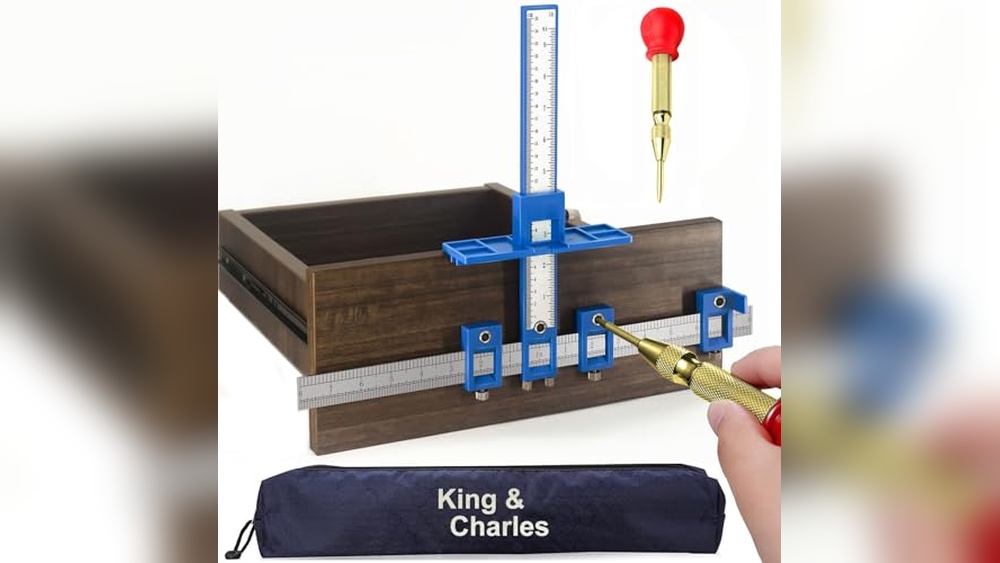
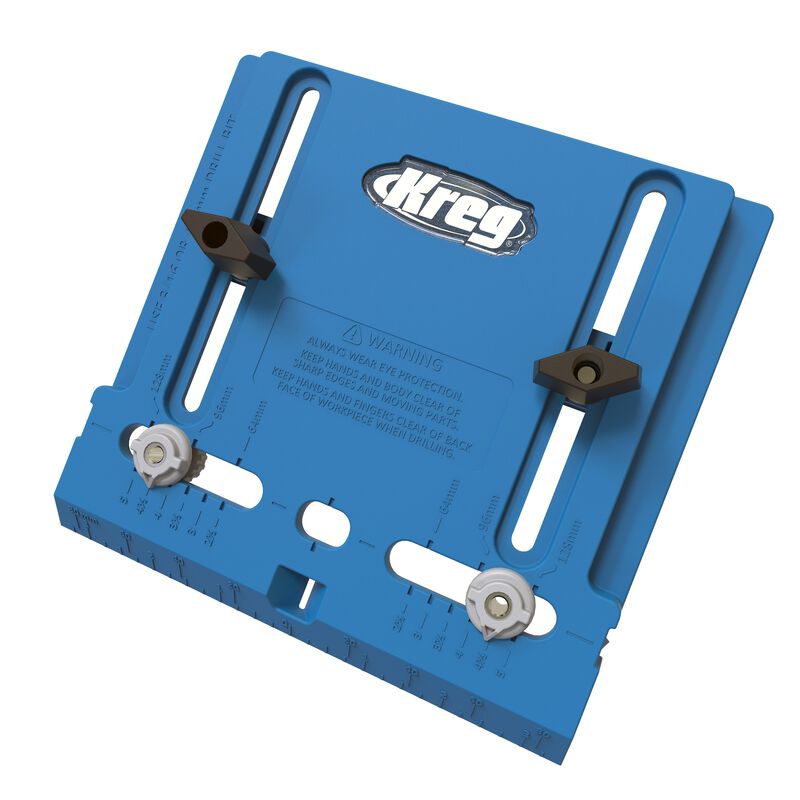
Measure twice before drilling holes. Use a ruler or tape measure that shows metric units clearly. This helps match the screws to the hardware size. Check the depth of the screw holes too. Hardware in metric sizes often needs precise screw lengths. Test the hardware on a scrap piece of wood first. This avoids mistakes on your cabinet doors or drawers.
Avoiding Common Mistakes
Do not force screws that feel tight. Forcing can strip the holes or break the hardware. Use a drill with a torque setting if possible. Keep screws straight to prevent damage. Avoid mixing metric and imperial screws; they won’t fit well. Mark all hole positions before drilling to keep alignment perfect. Take your time for neat and secure installation.
Frequently Asked Questions
Is Cabinet Hardware Measured In Metric Units?
Cabinet hardware can be measured in both metric and imperial units. The choice depends on the manufacturer and region. In many countries, metric measurements like millimeters are standard, while others use inches. Always check product specifications before purchasing.
How To Convert Cabinet Hardware Measurements To Metric?
To convert cabinet hardware sizes to metric, multiply inches by 25. 4. For example, a 2-inch handle equals 50. 8 millimeters. Use a conversion chart or online calculator for accuracy. This helps ensure compatibility with metric hardware.
Are Metric Cabinet Screws Compatible With Imperial Hardware?
Metric cabinet screws may not fit imperial hardware properly due to size differences. Threads and diameters vary, affecting fit and function. It’s best to use screws matching the hardware’s measurement system to avoid installation issues.
Why Choose Metric Over Imperial Cabinet Hardware?
Metric hardware offers precise measurements and standardization in many countries. It simplifies ordering and replacement for metric-based products. Choosing metric hardware ensures better compatibility in regions using the metric system.
Conclusion
Cabinet hardware often uses metric sizes, especially outside the US. Knowing this helps you choose the right tools and parts. Metric measurements are easy to find and work with. Always check the size before buying or installing hardware. This avoids mistakes and saves time.
Simple steps make your project smoother and less stressful. Understanding metric cabinet hardware helps you work confidently. It makes your home improvement tasks easier to complete.